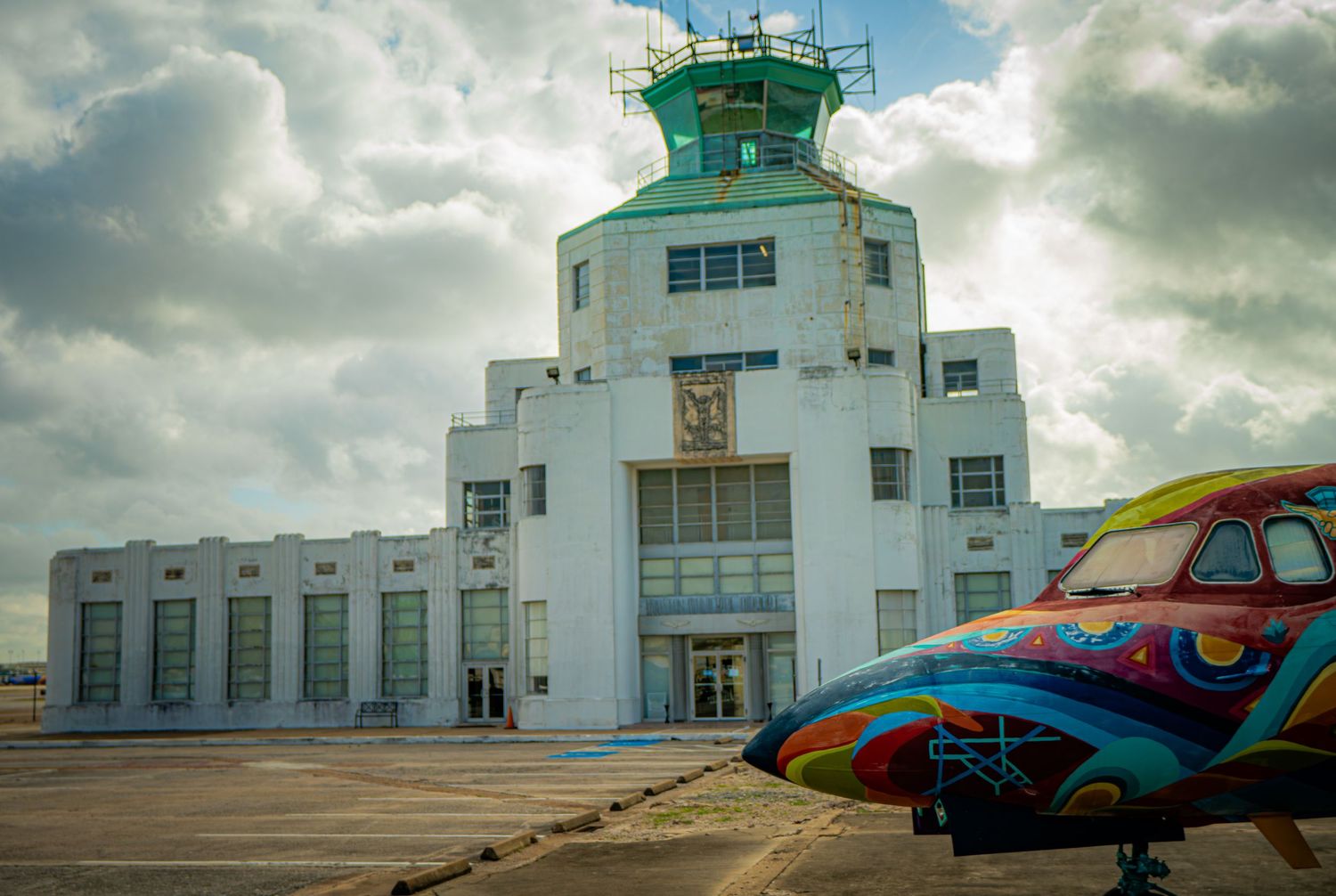
The Golden Era
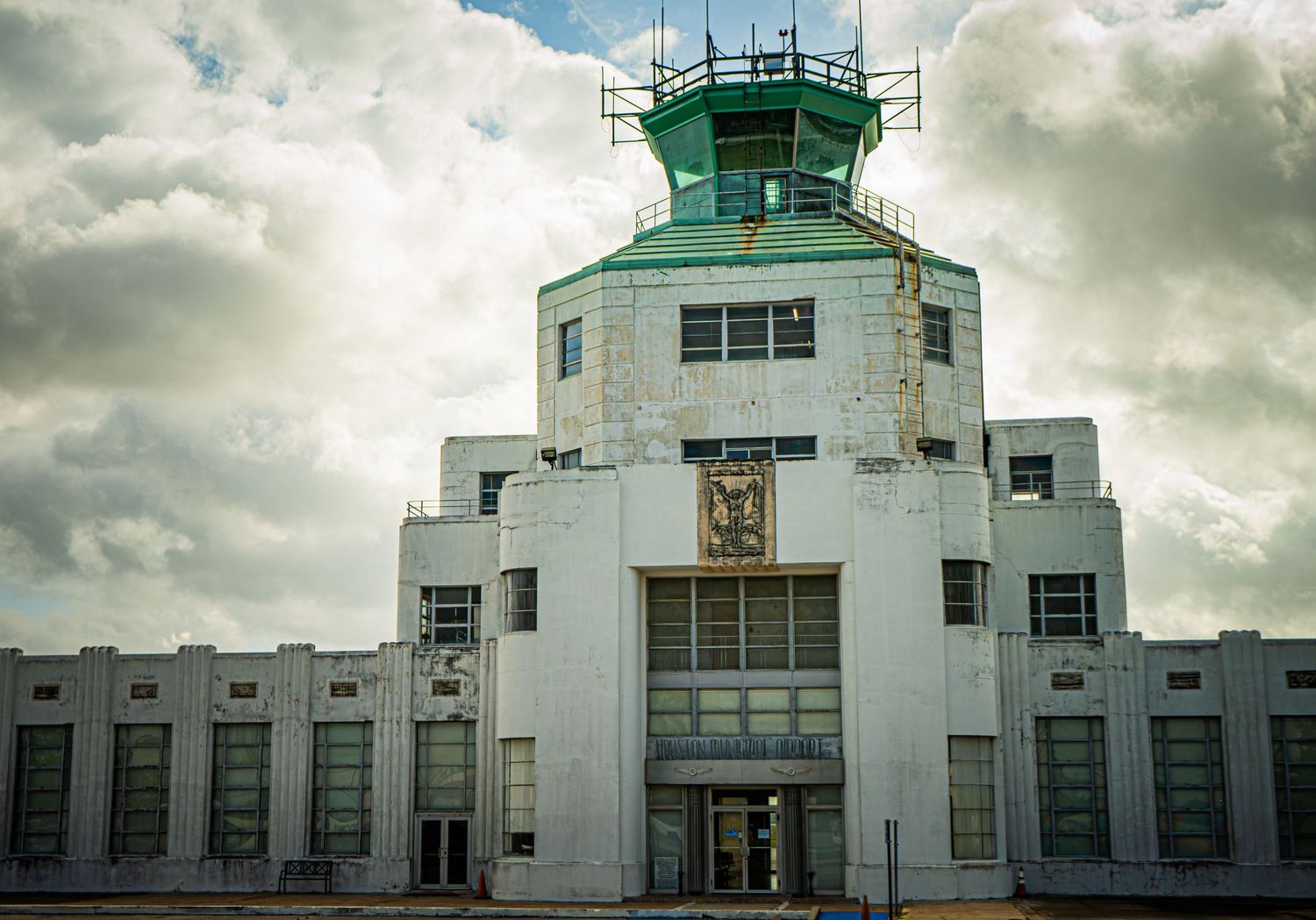
Tucked along the west ramp of William P. Hobby Airport sits one of Houston’s most overlooked treasures—the 1940 Air Terminal Museum. Even with the doors currently closed, standing outside this building feels like stepping into a different era of aviation.
Originally opened in 1940, this Art Deco terminal was Houston’s first purpose-built passenger airport facility, serving as the city’s primary gateway to the skies during the golden age of flight. Designed by architect Joseph Finger, the structure reflects a time when air travel was as much about elegance as it was about innovation.
Before the rise of Houston Intercontinental (now Bush), this terminal handled all commercial air traffic—welcoming early aircraft like the DC-3 and Lockheed Constellation, and witnessing Houston’s rapid growth in aviation from just thousands of passengers to nearly a million by the mid-1950s.
Today, even in silence, the building remains a powerful symbol of how aviation shaped Houston into a global city.
Why It Matters to Hobby Airport
Hobby Airport isn’t just a secondary airport—it’s Houston’s original aviation home. This terminal is its foundation. Everything that exists at Hobby today—commercial operations, general aviation, and training—traces back to this very structure.
The museum was created to preserve that legacy, telling the story of how aviation influenced Houston’s economy, culture, and identity.
Standing on the ramp, with modern Southwest traffic taxiing in the background, you get a rare visual contrast: past and present aviation sharing the same space.


The Hawker Jet Outside
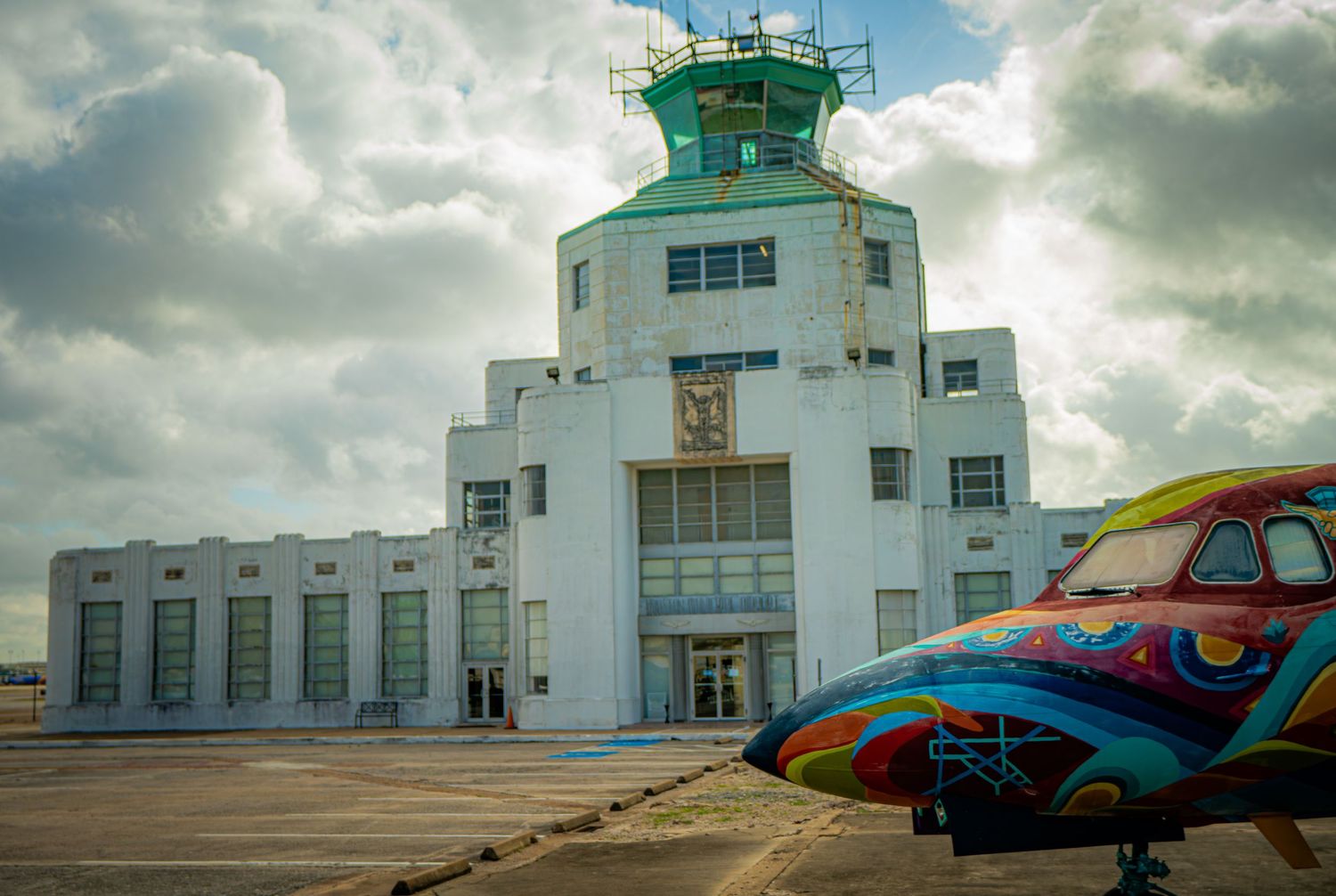
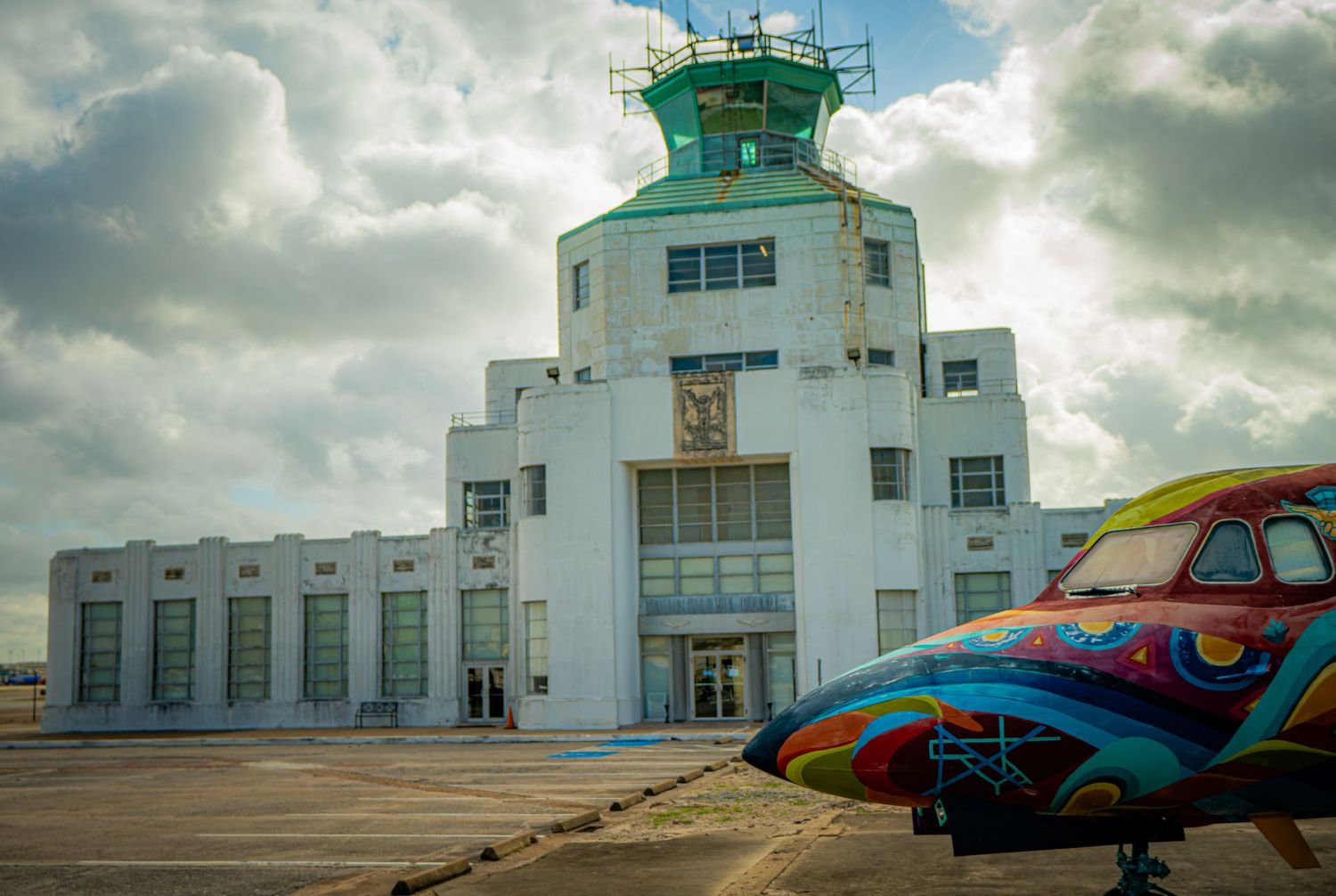
One of the most striking elements outside the museum is the classic Hawker jet parked on display. While the building represents the early days of propeller-driven travel, the Hawker symbolizes the evolution into business aviation—speed, accessibility, and executive mobility.
Its colorful livery adds a visual pop against the muted tones of the historic terminal, but more importantly, it bridges generations of flight. It’s a reminder that Hobby didn’t just serve airlines—it grew into a hub for corporate and private aviation as well.
A Moment Frozen in Time
With the museum currently closed, the experience becomes even more reflective. There are no crowds, no exhibits—just the building, the ramp, and the constant movement of aircraft nearby.
It’s a rare opportunity to photograph not just a place, but a story—one where Houston’s aviation journey began, and continues to evolve just a few hundred feet away.
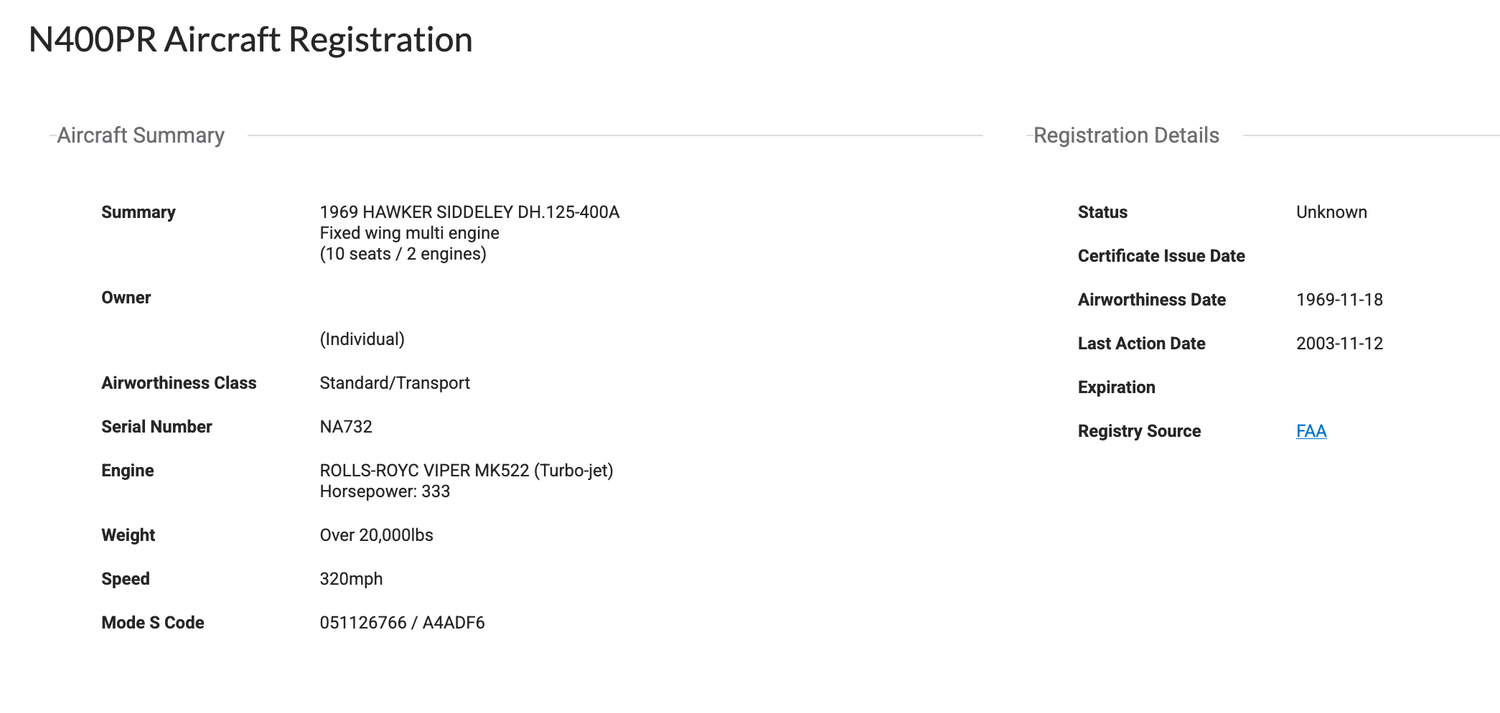
More Info about 400PR:
1940 Air Terminal Museum
The 1940 Air Terminal Museum is housed in the historic art deco terminal building that once served the City of Houston as the Houston Municipal Airport. The building is now a protected landmark and listed on the National Register of Historic Places. Between Hobby Airport’s airline traffic, business aviation and frequent fixed wing and rotary wing general aviation traffic, a visit to the museum will provide each guest with a front row view of the active runways!