
Hidden Corners of Florida
A Journey Through Its Small Towns
Welcome to a visual journey through Florida’s lesser-known towns—places where charm, history, and local spirit quietly endure beyond the tourist trail. This gallery showcases curated images that capture the soul of these small communities, from historic main streets and weathered storefronts to quiet docks and sunlit backroads. Whether you’re discovering a town you’ve never heard of or rediscovering one close to your heart, each photo invites you to slow down and explore the Florida that time almost forgot. New towns and stories will be added regularly as the journey continues.
Central Florida
Titusville
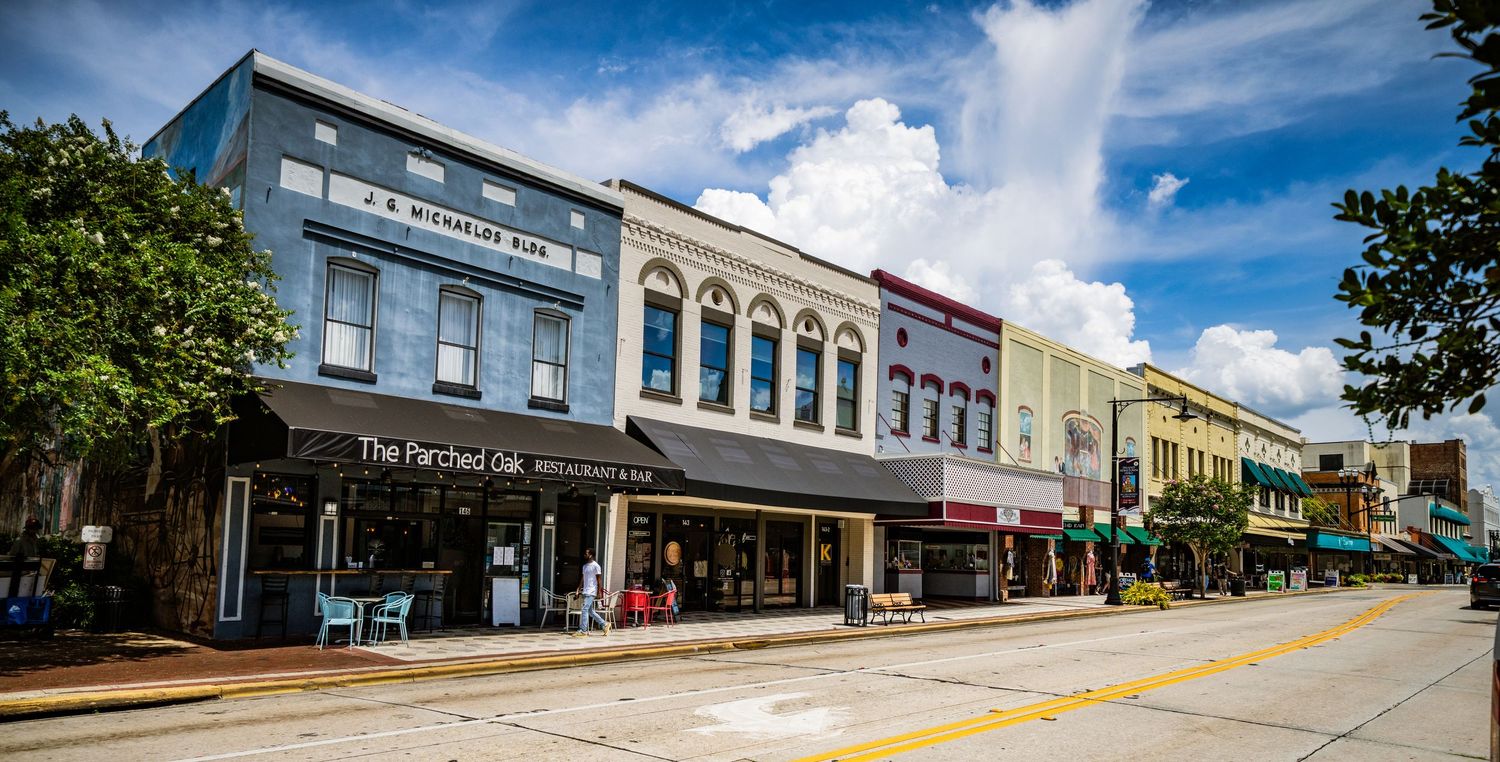
Nestled along the Indian River Lagoon—holds a complex and often overlooked history that predates both citrus groves and rocket launches. Long before European settlers arrived, the region was home to the Ais people, a Native American tribe who thrived along the river’s edge, living off fish and seasonal crops. Their culture, however, was decimated by disease and colonial disruption by the mid-1700s. The modern era of Titusville began in earnest after the Civil War, when a colorful and often controversial figure named Colonel Henry Theodore Titus arrived in 1867. A former soldier-of-fortune with a checkered past—including time spent on both sides of the law—Titus built a sawmill, opened a general store, and began shaping the area’s civic identity. It’s said that he won the rights to name the town in a domino match with Captain Clark Rice, choosing his own name over “Riceville.” Whether fact or fable, the story captures the bravado and improvisation of early frontier Florida.
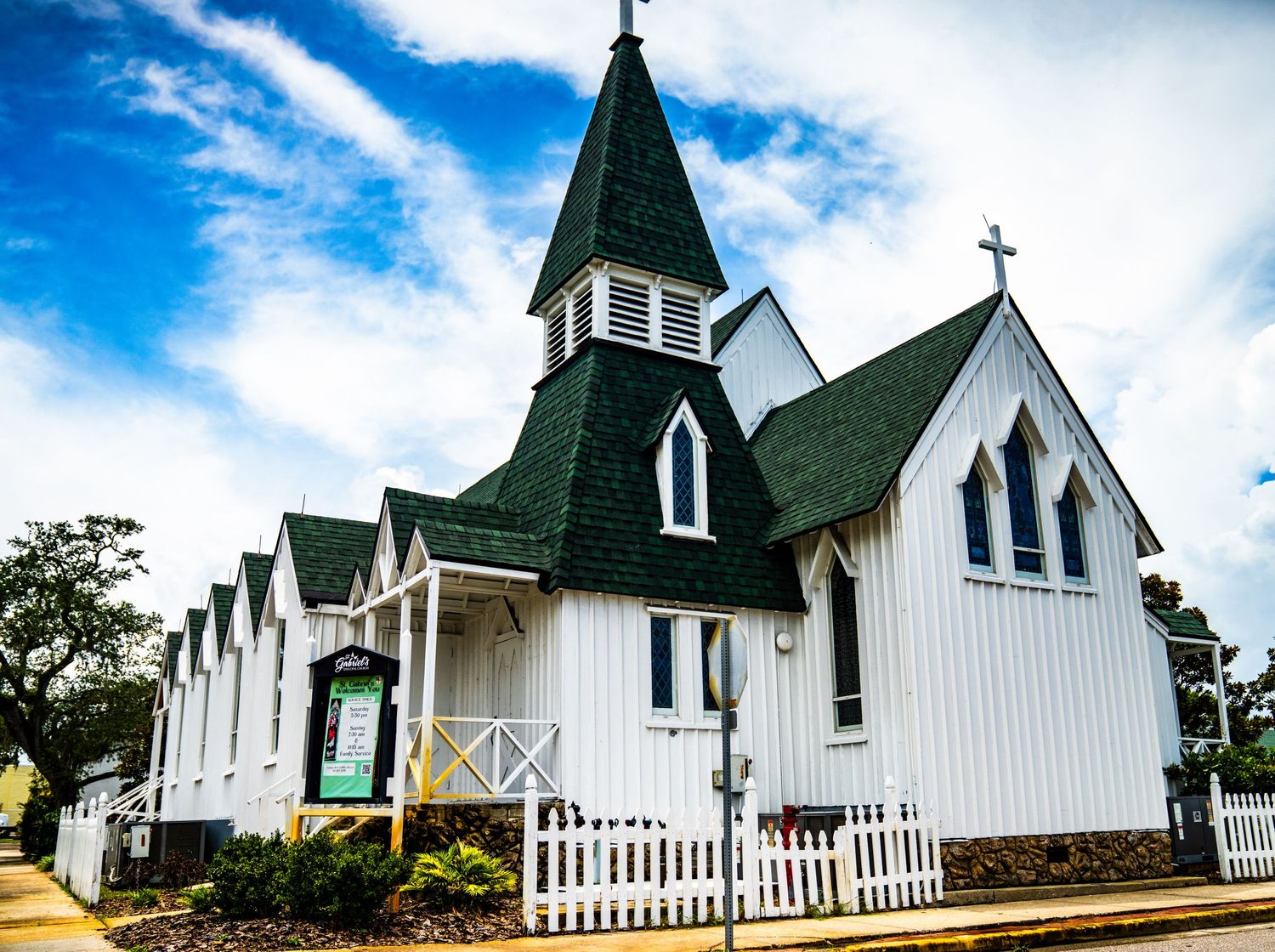
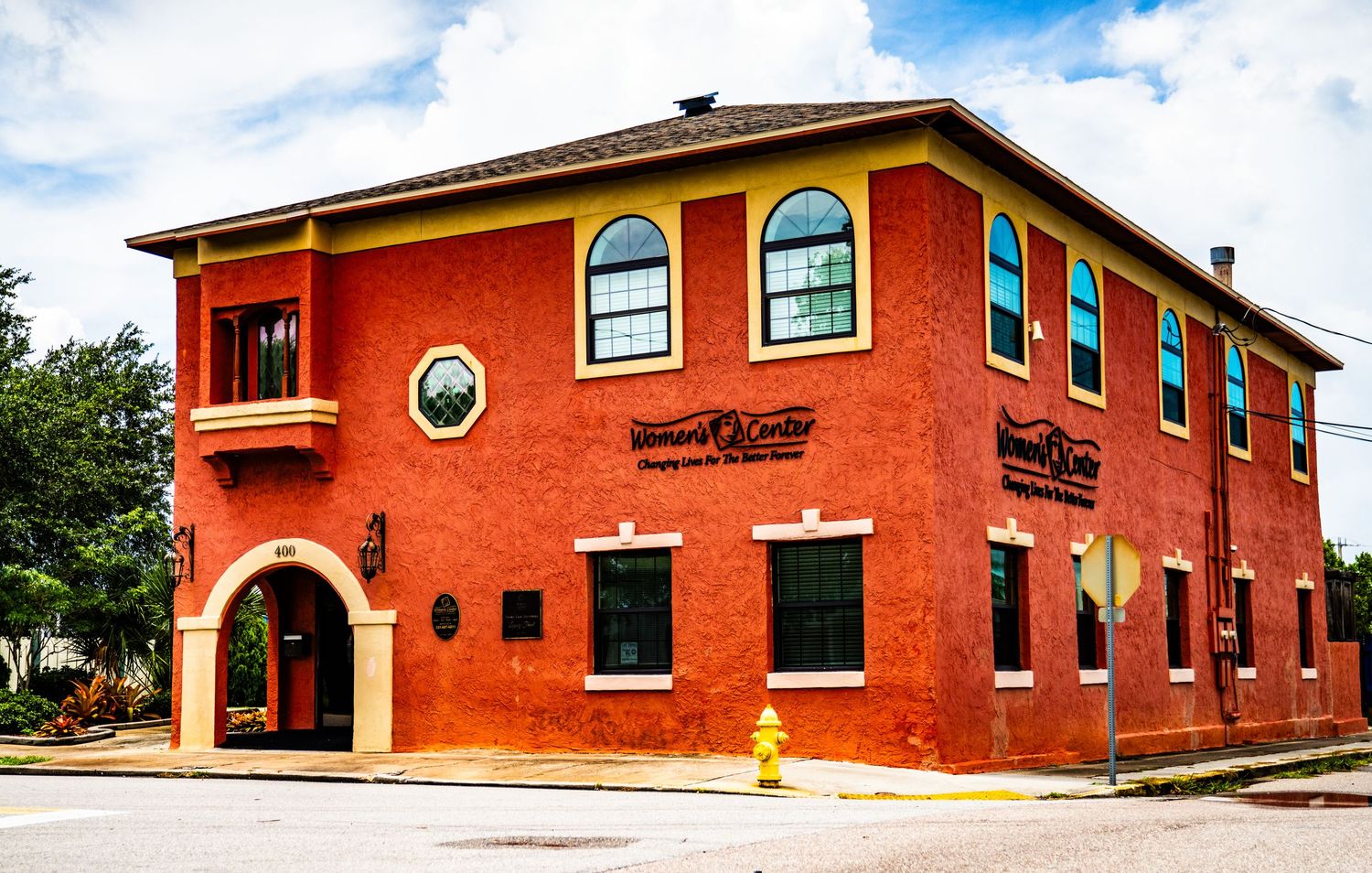
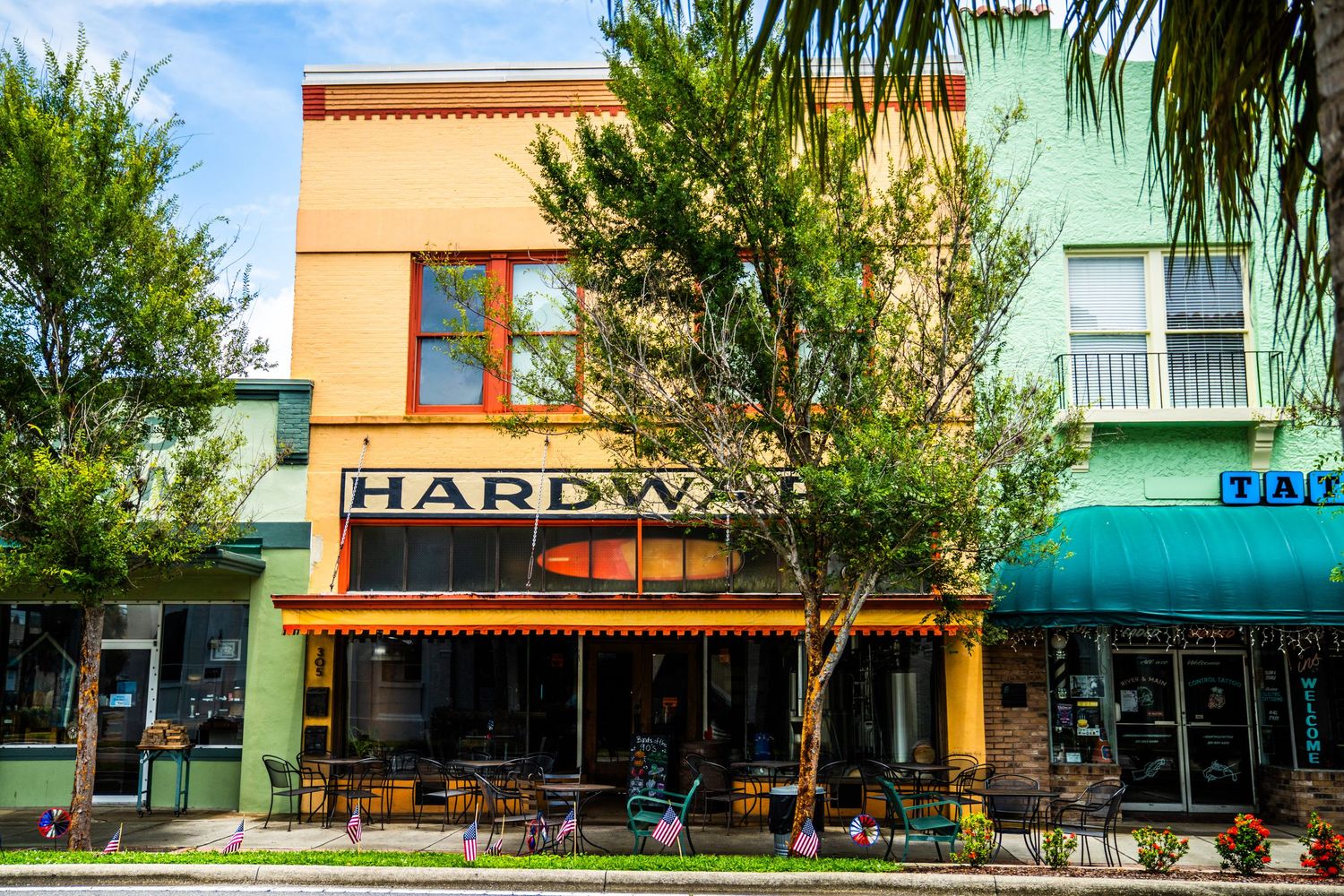
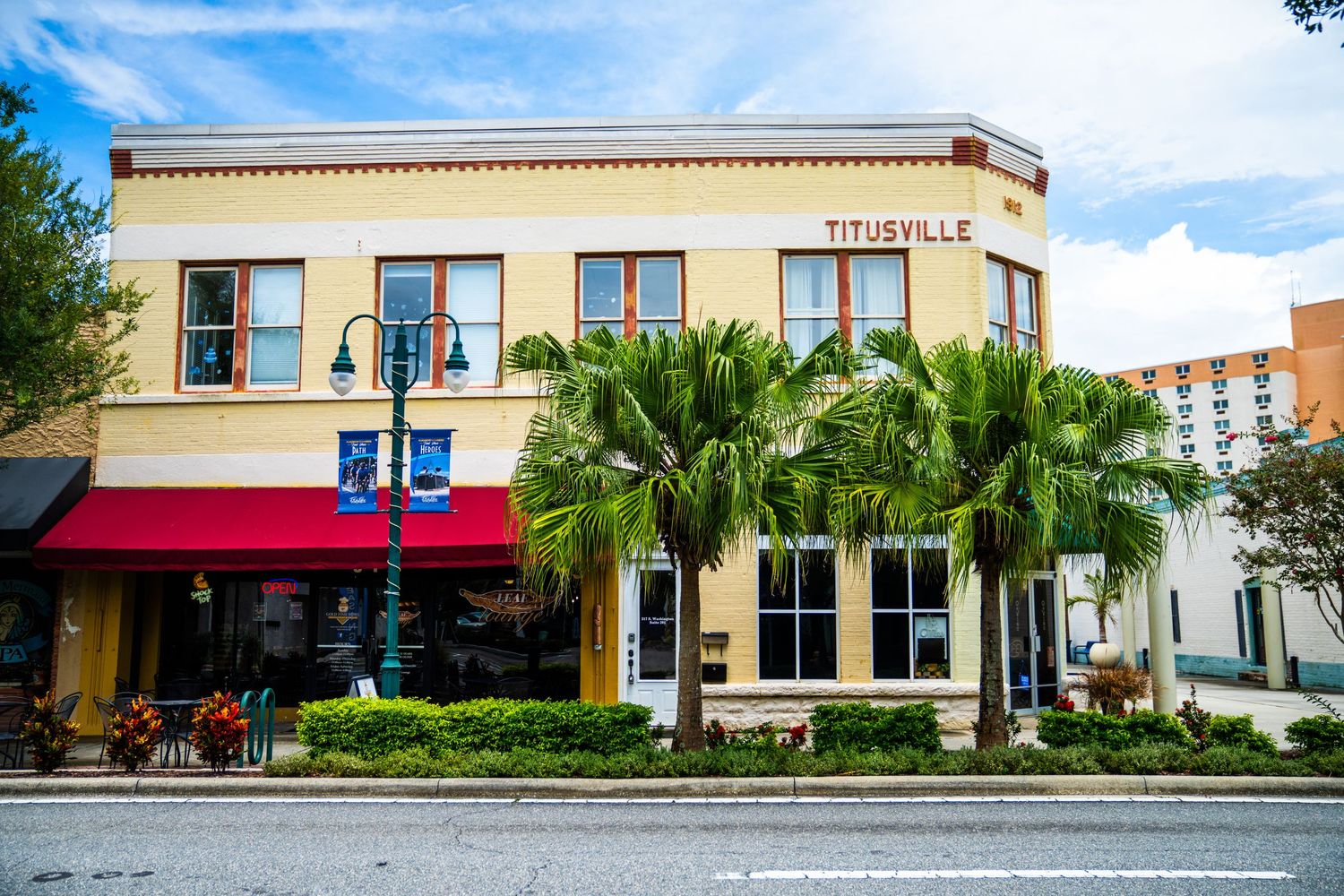
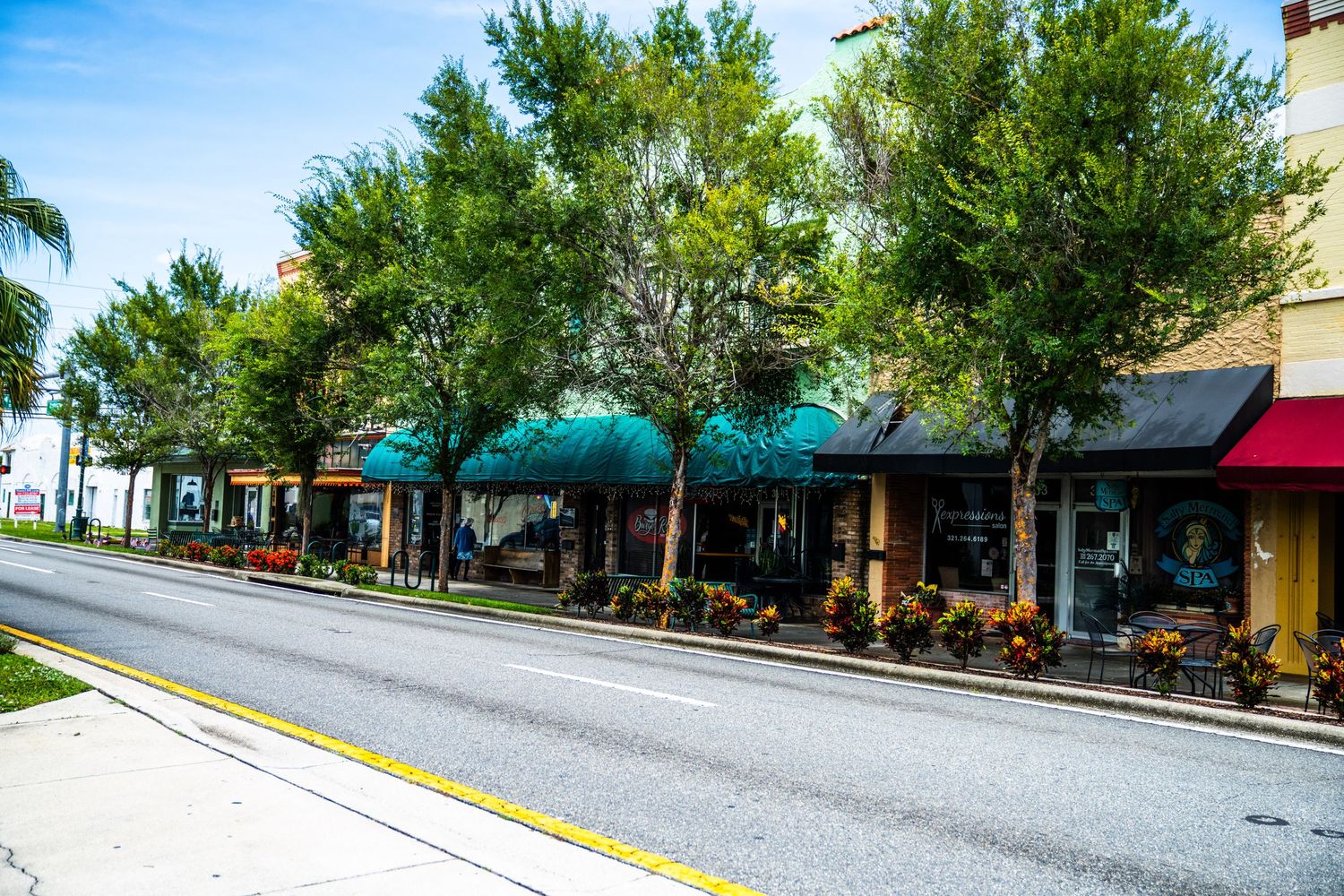
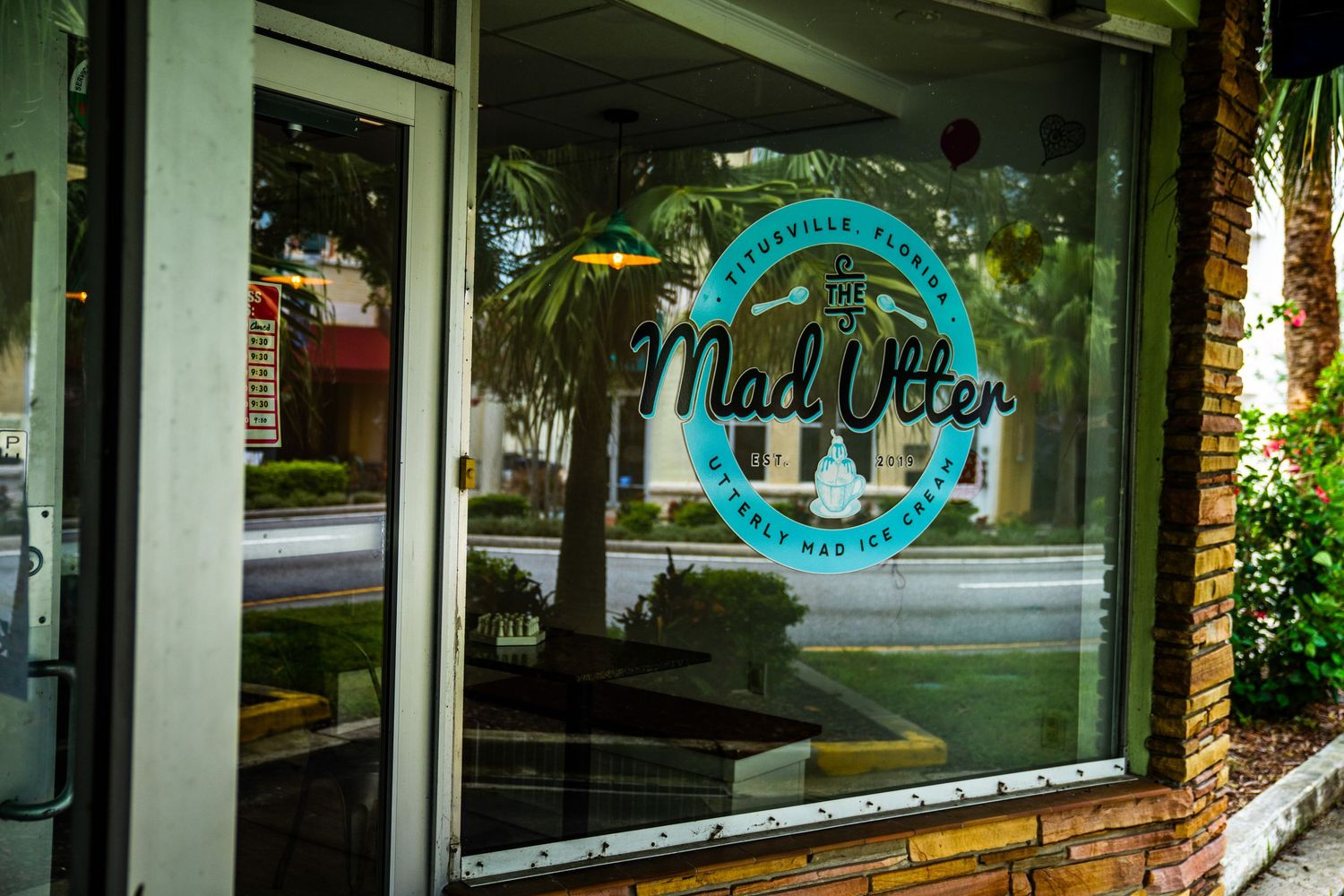
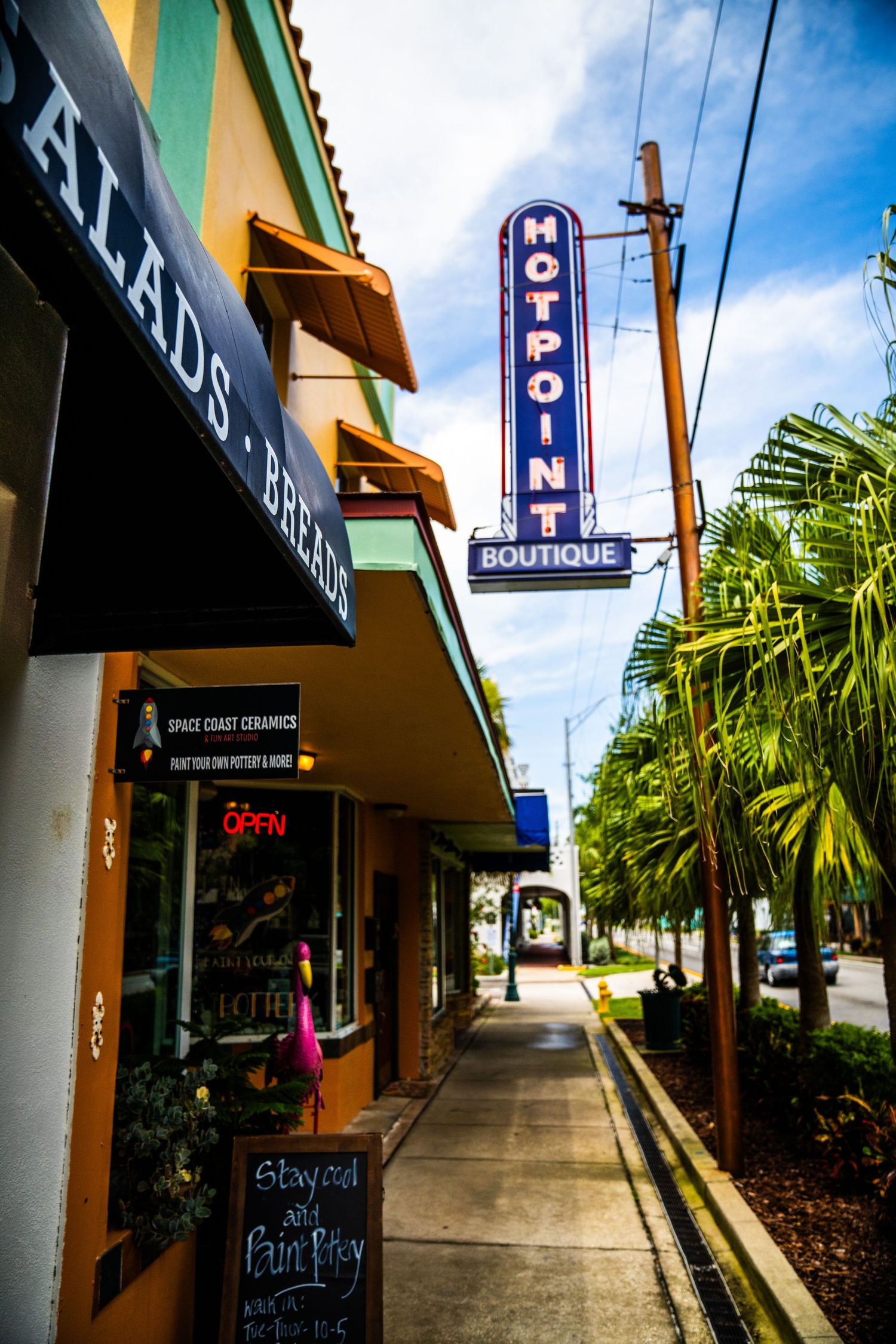
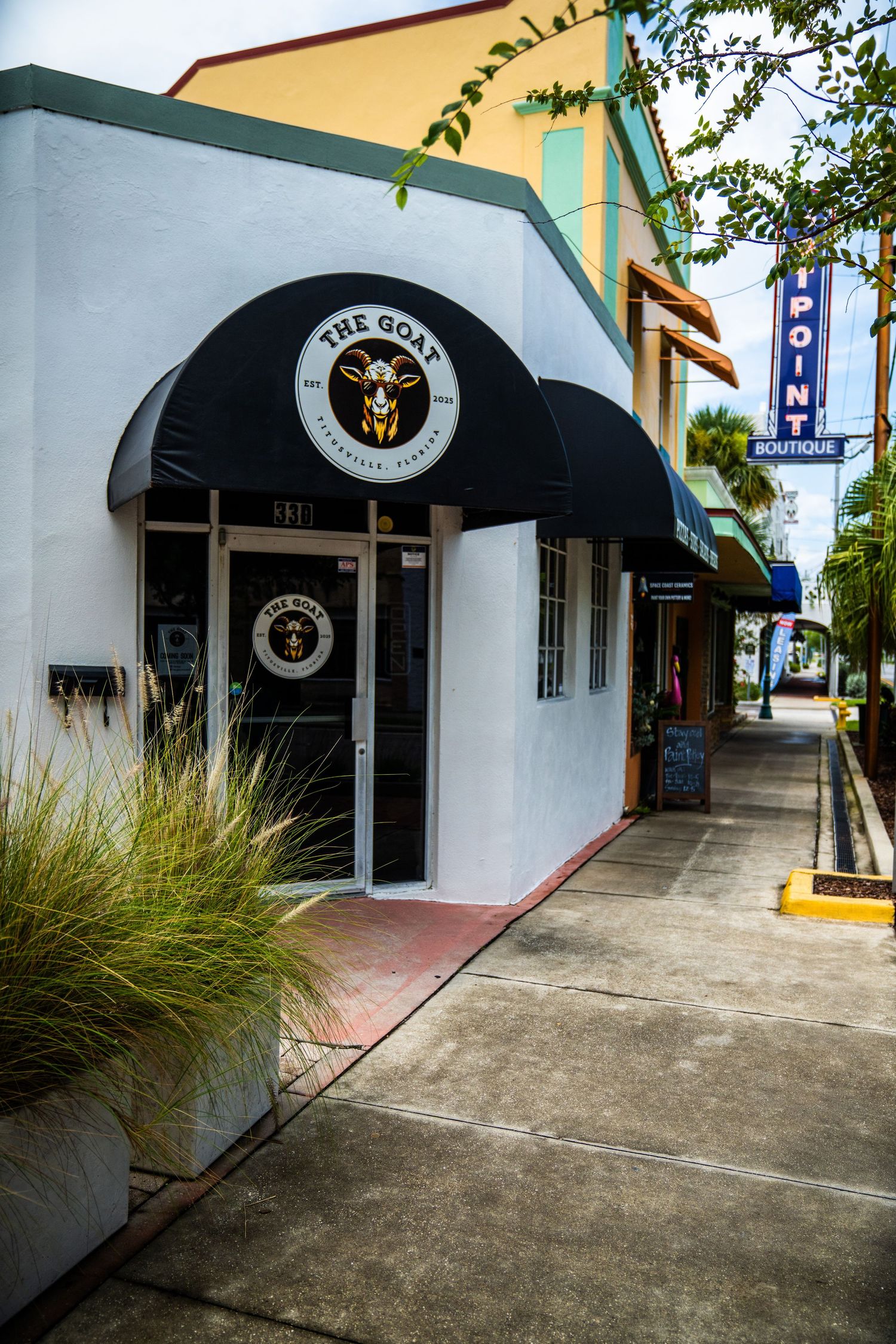
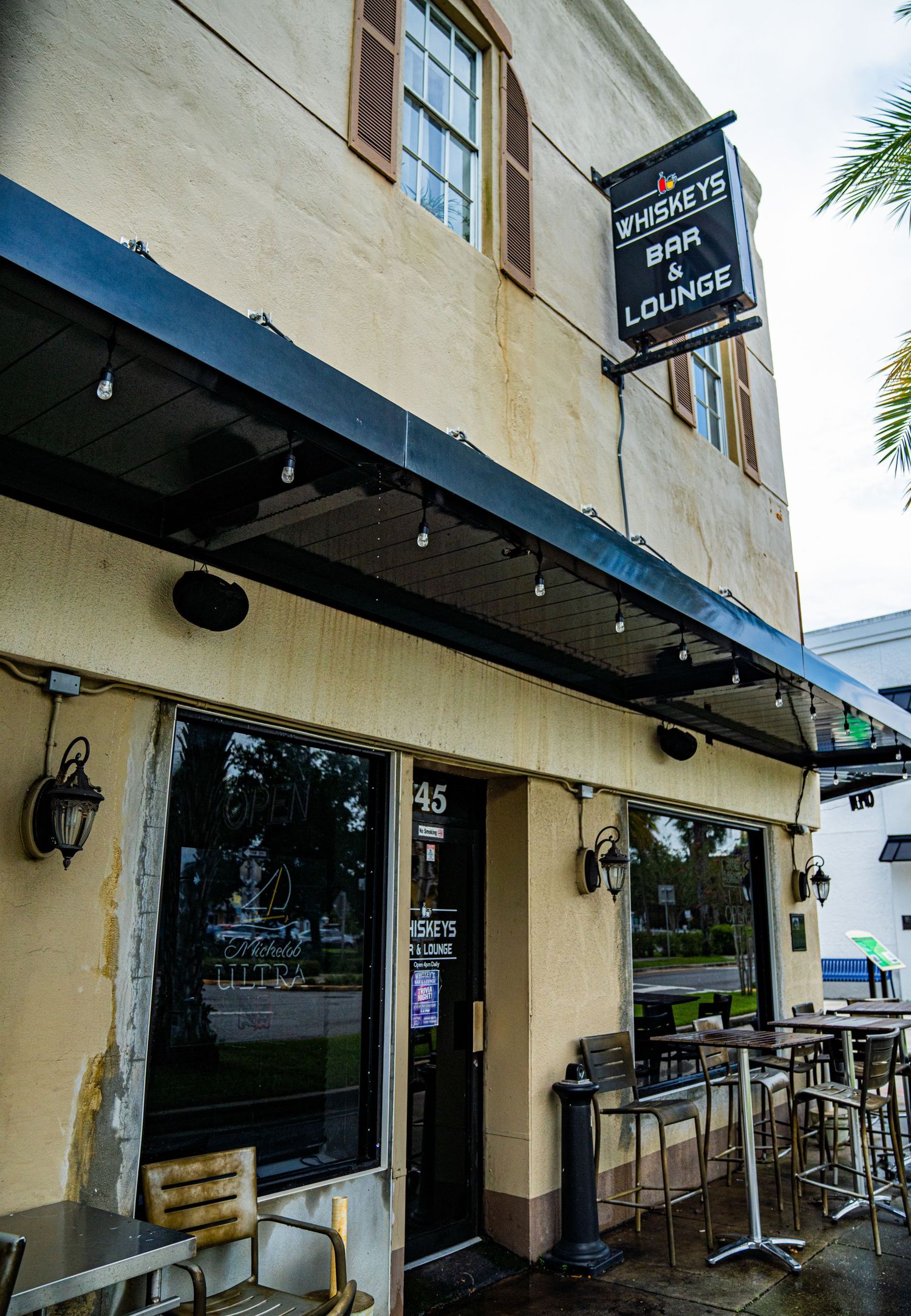
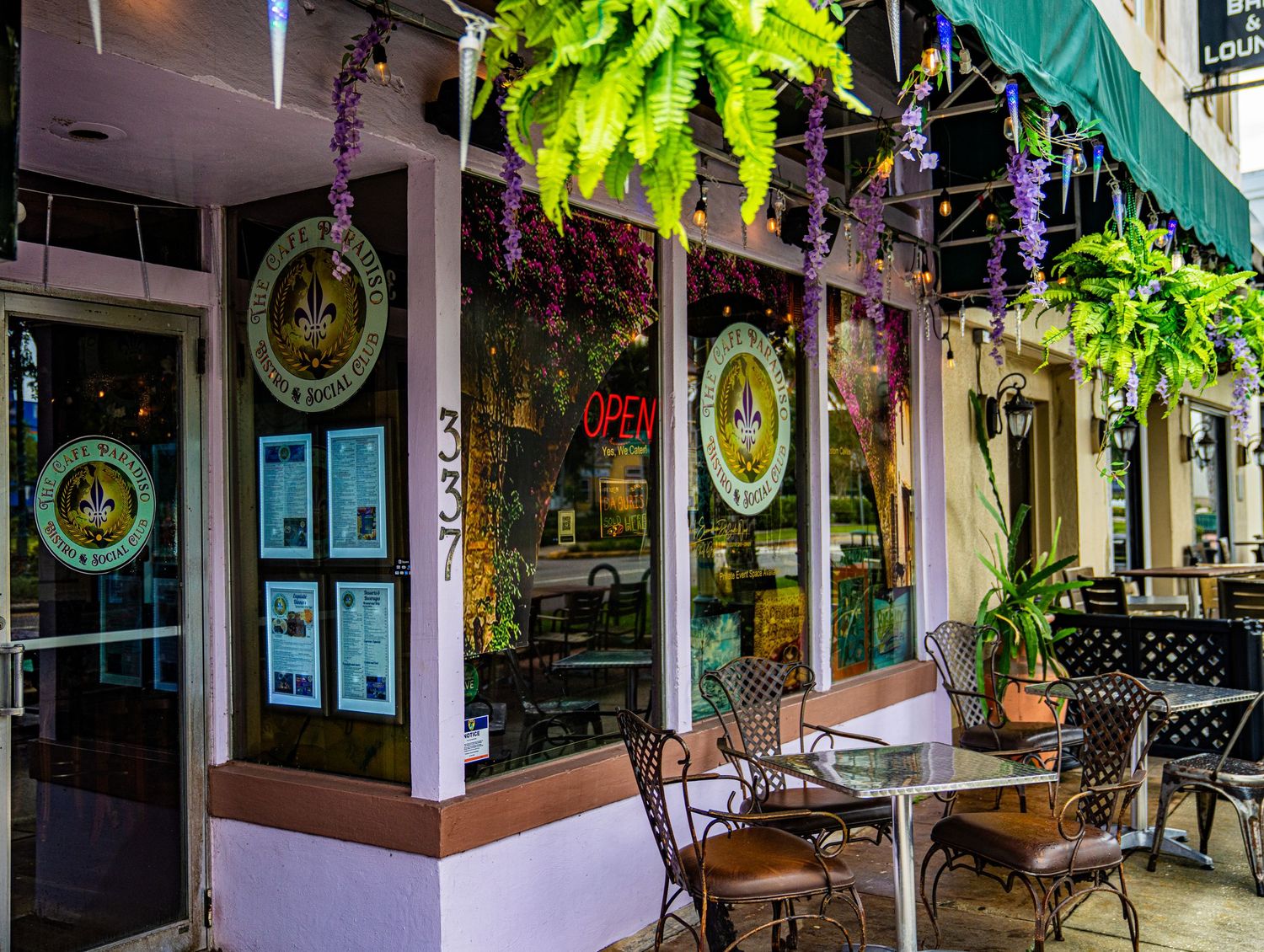
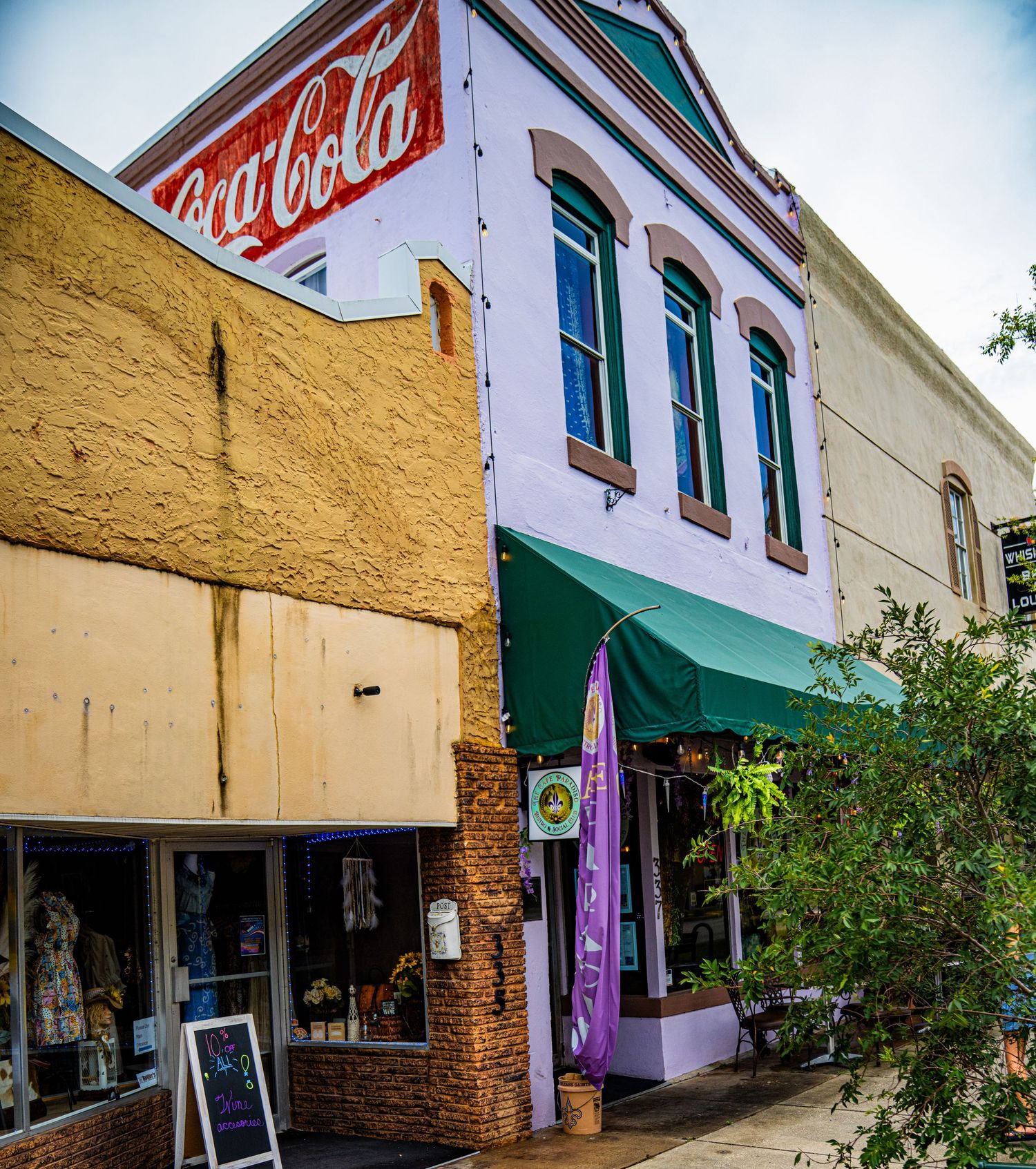
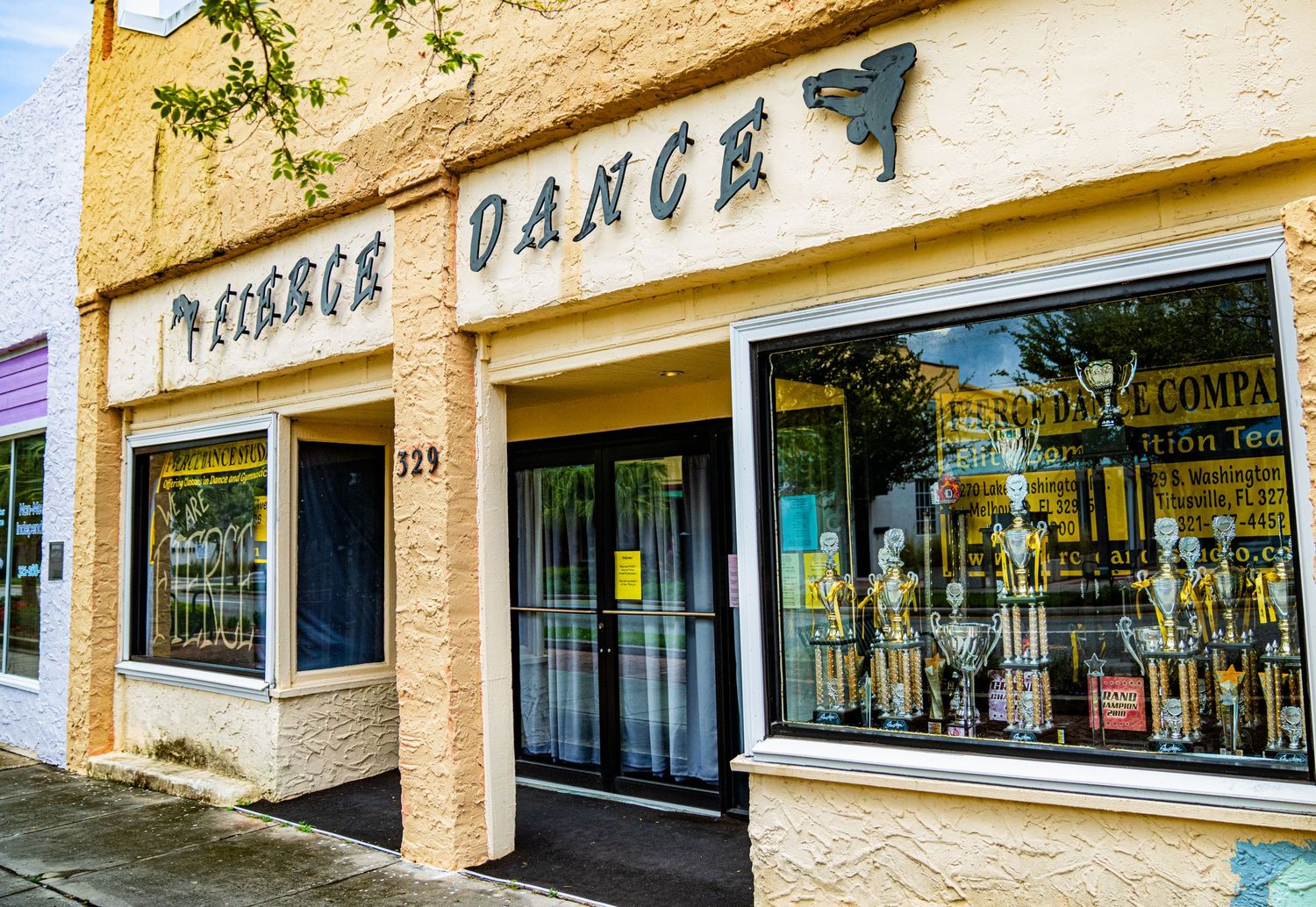
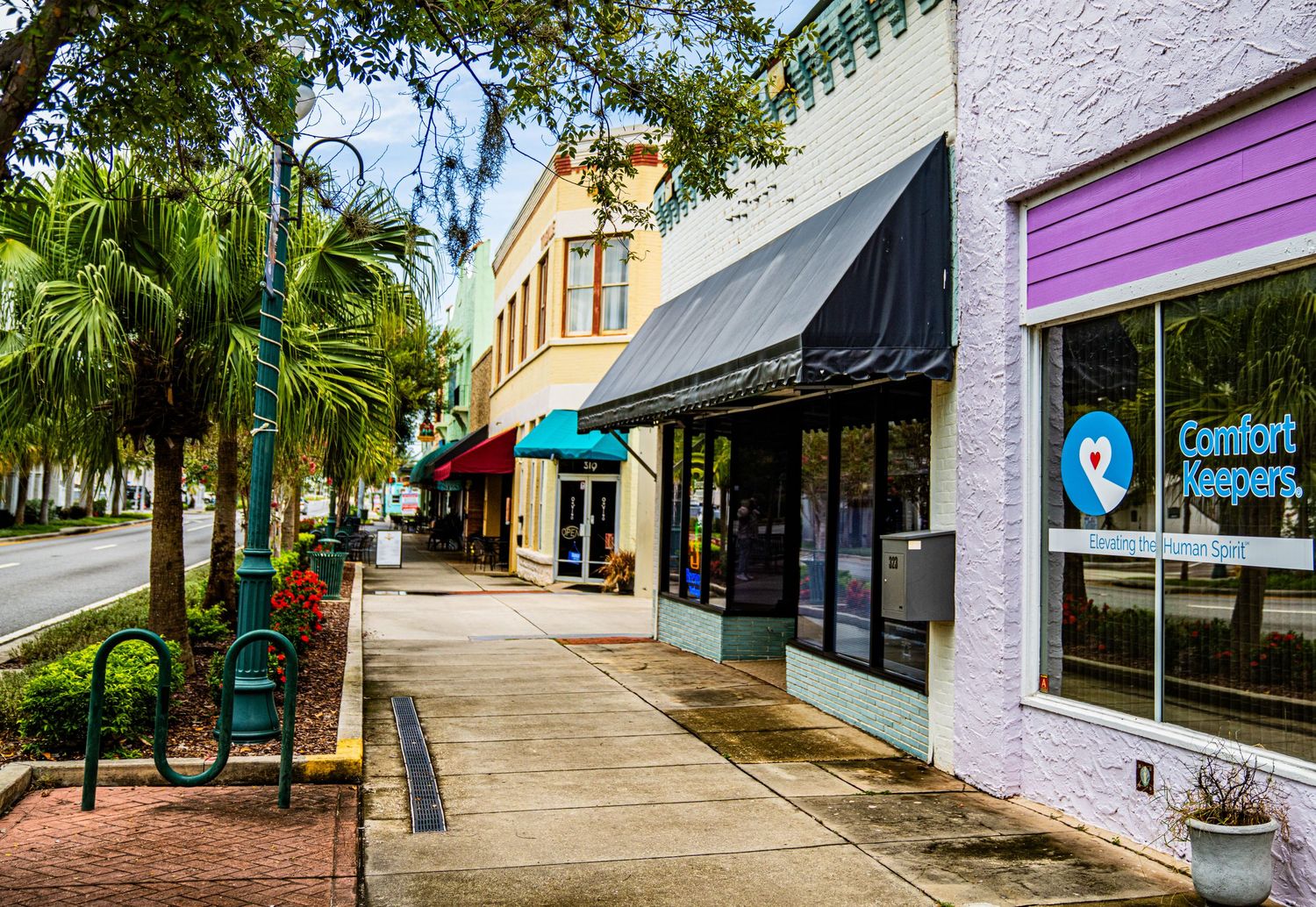
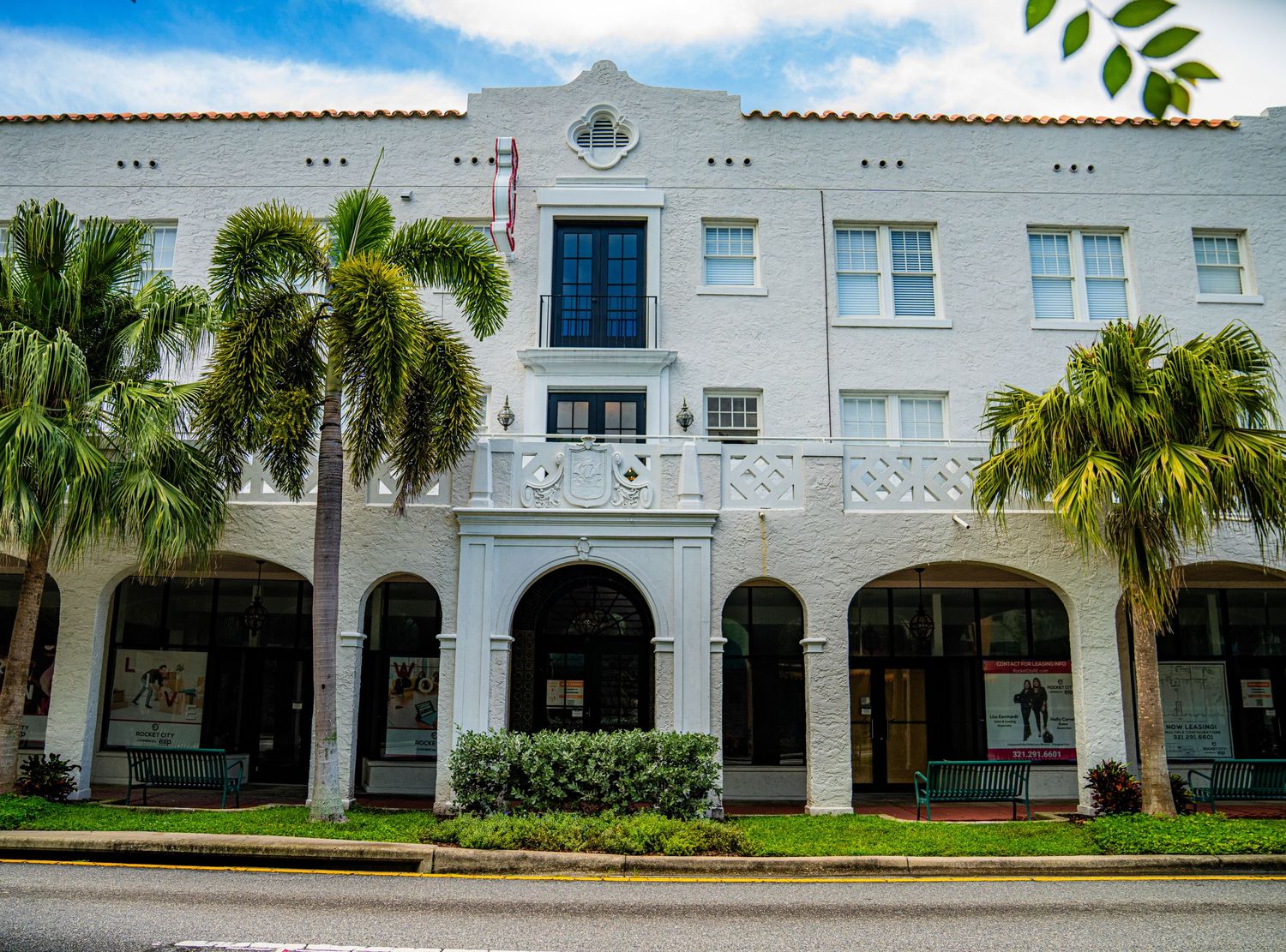
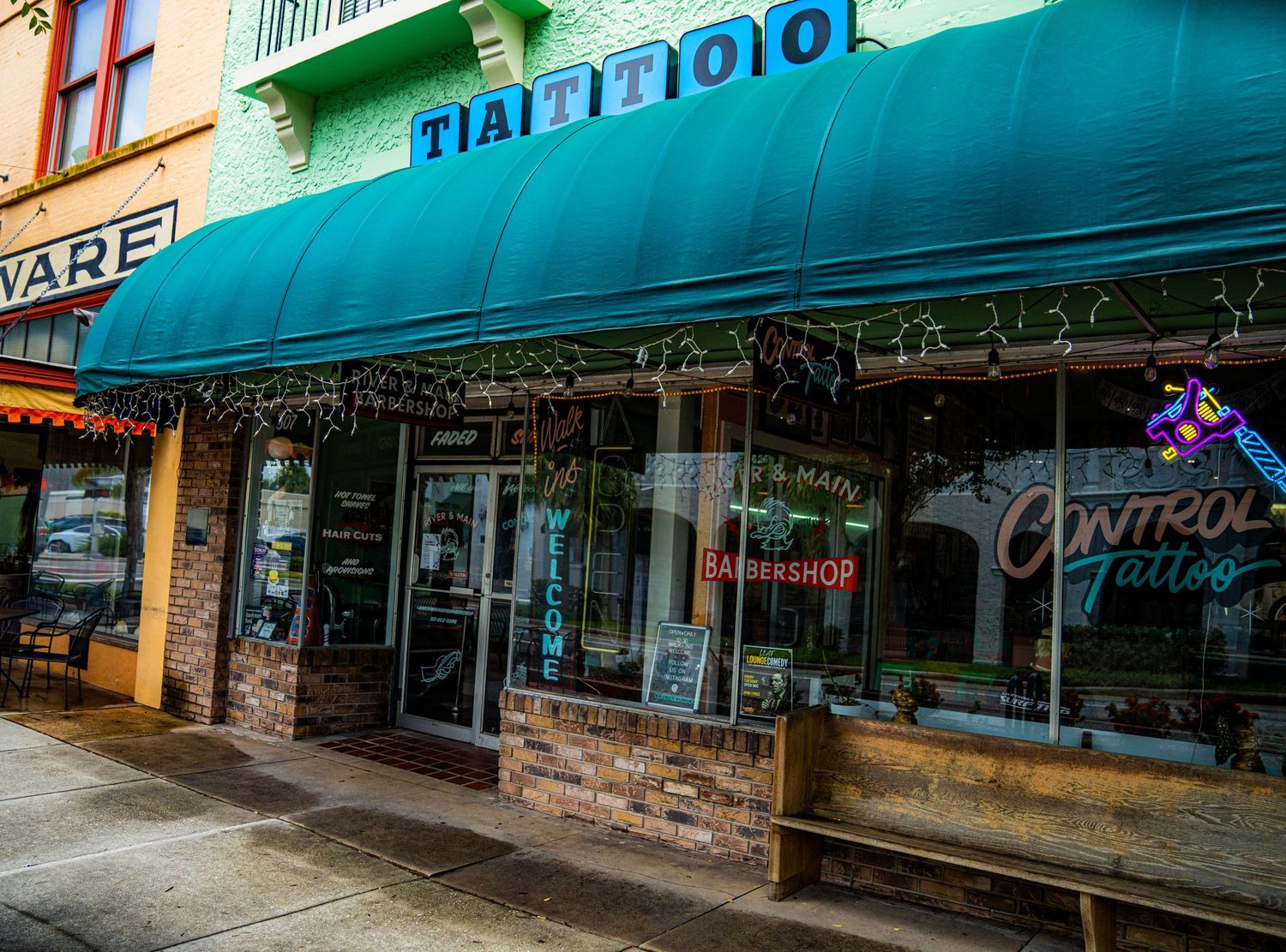
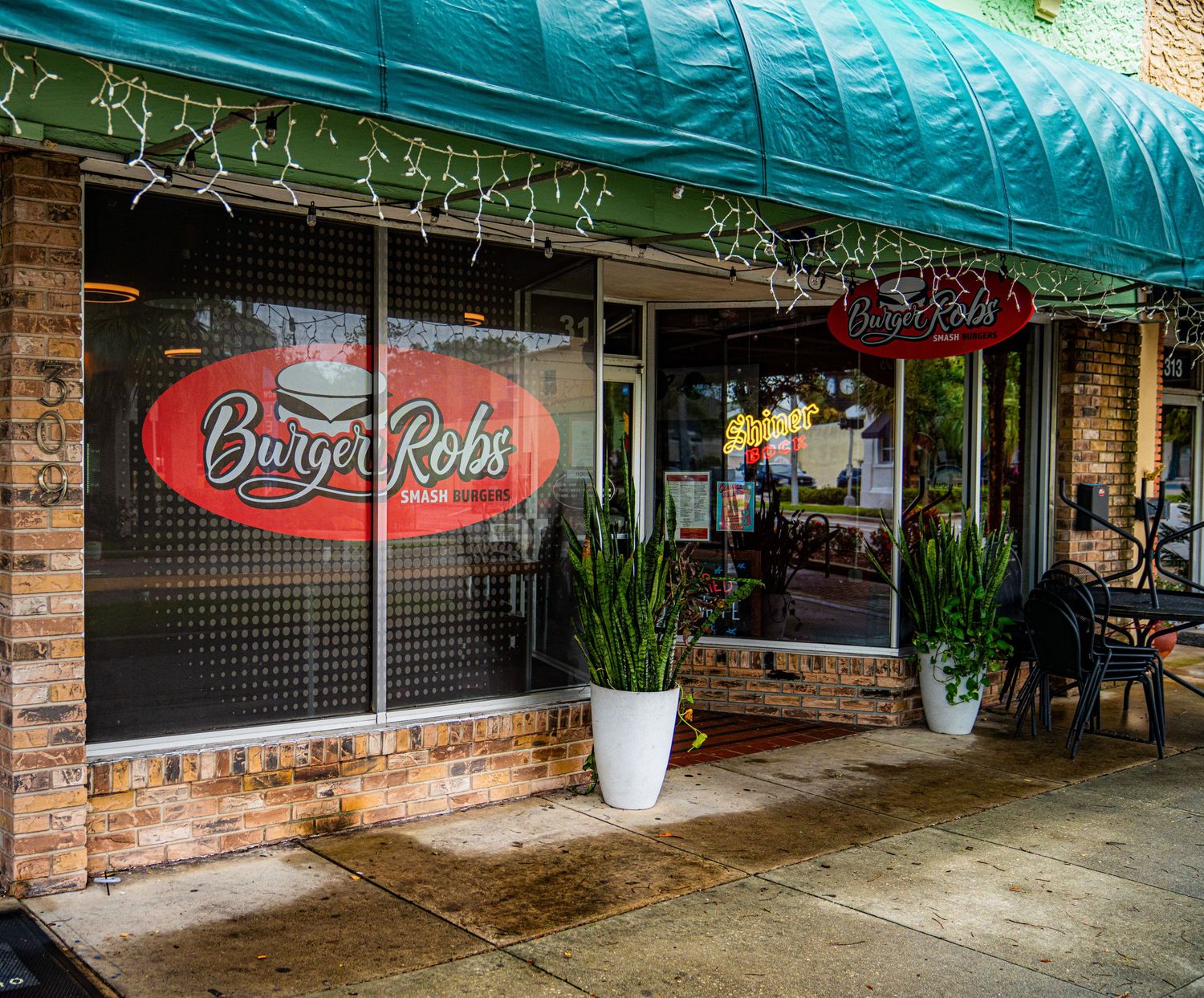
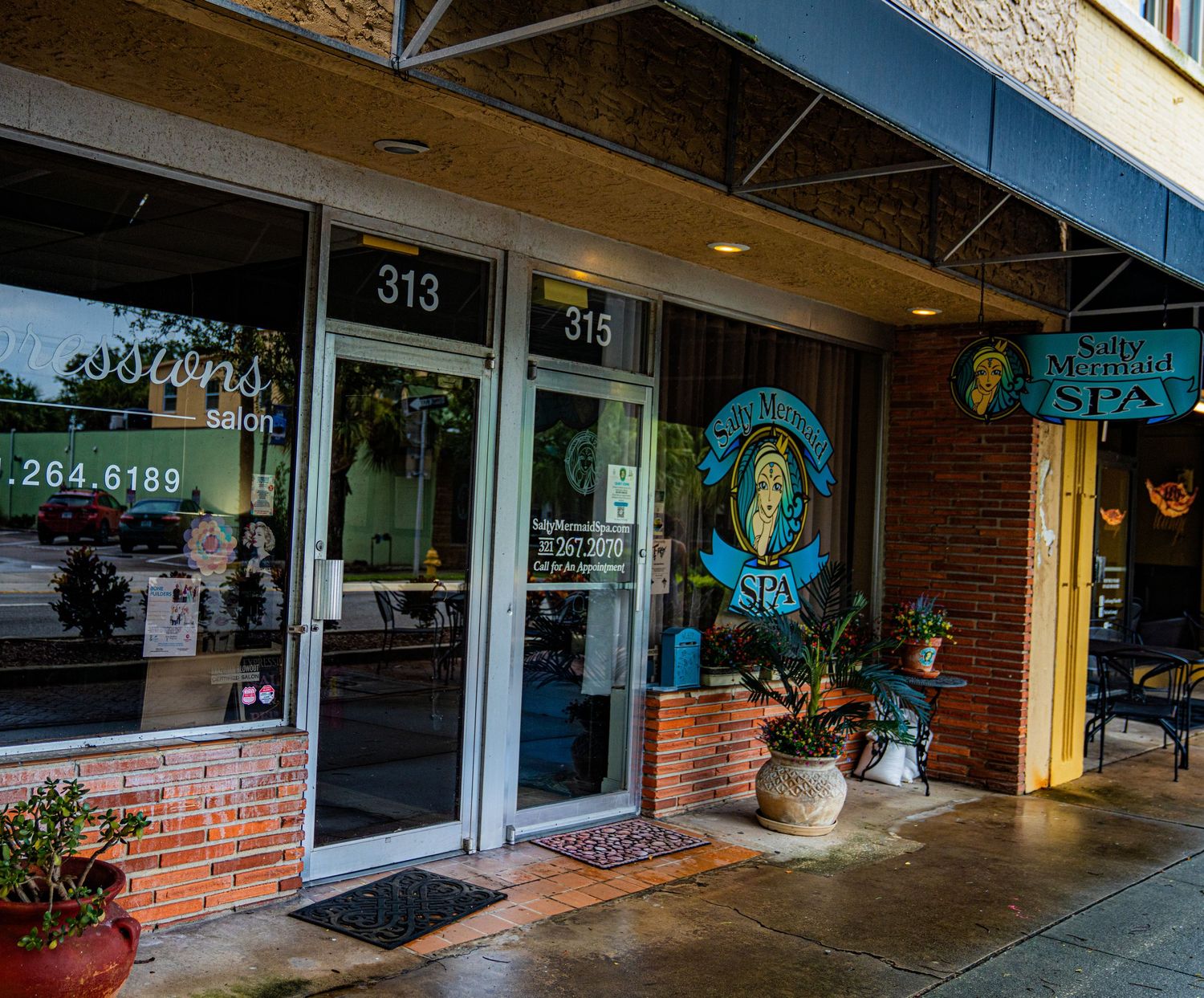
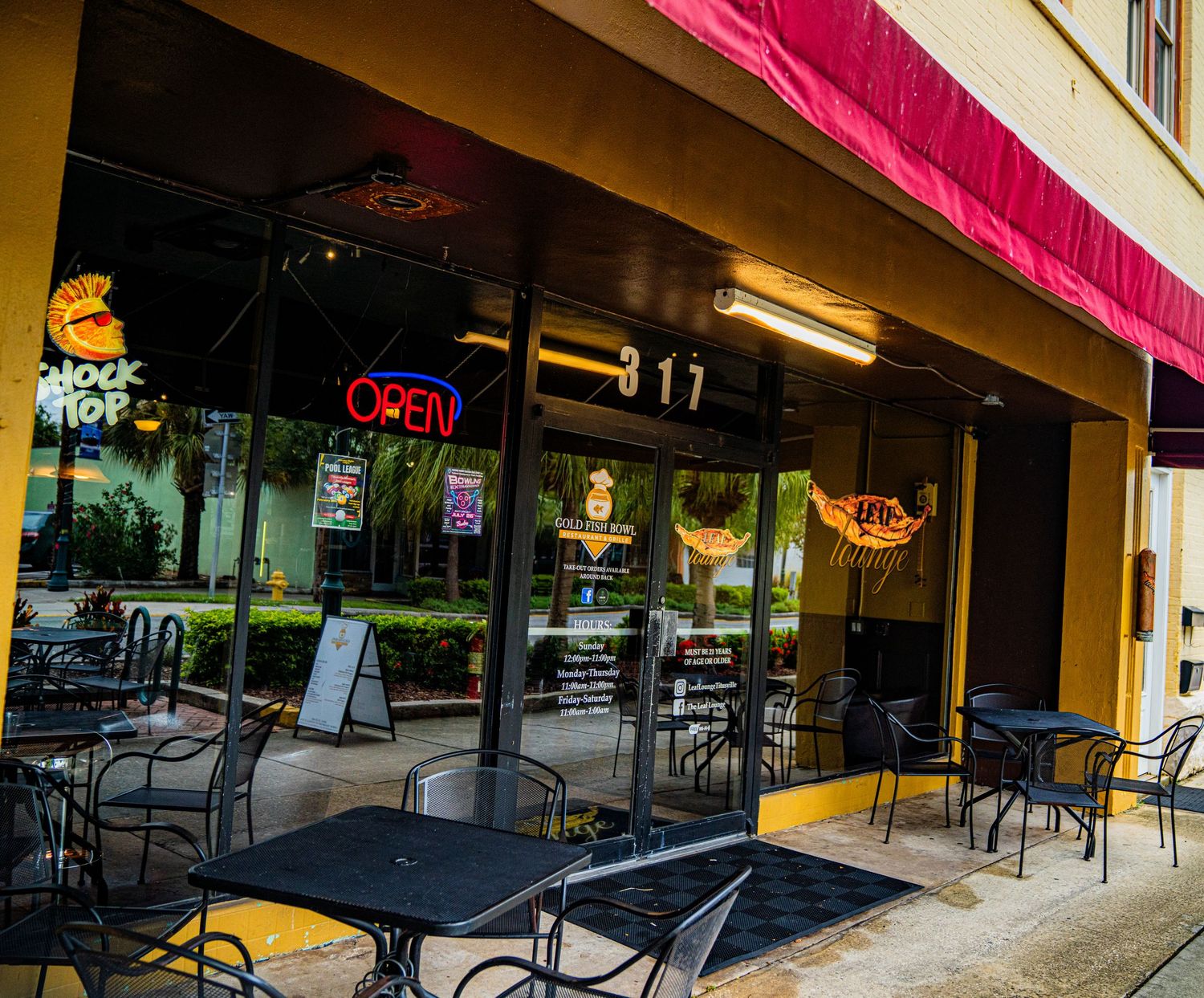
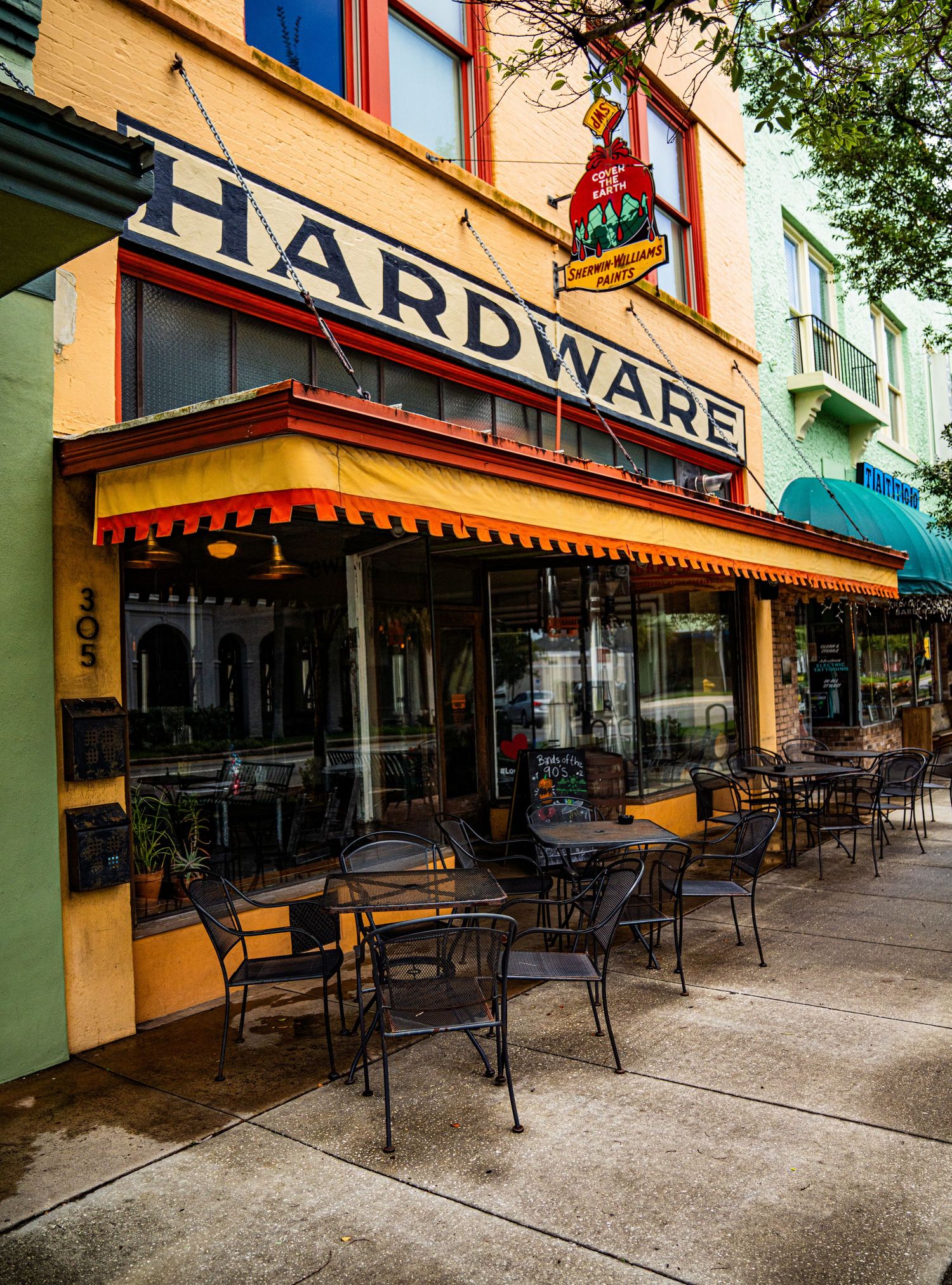
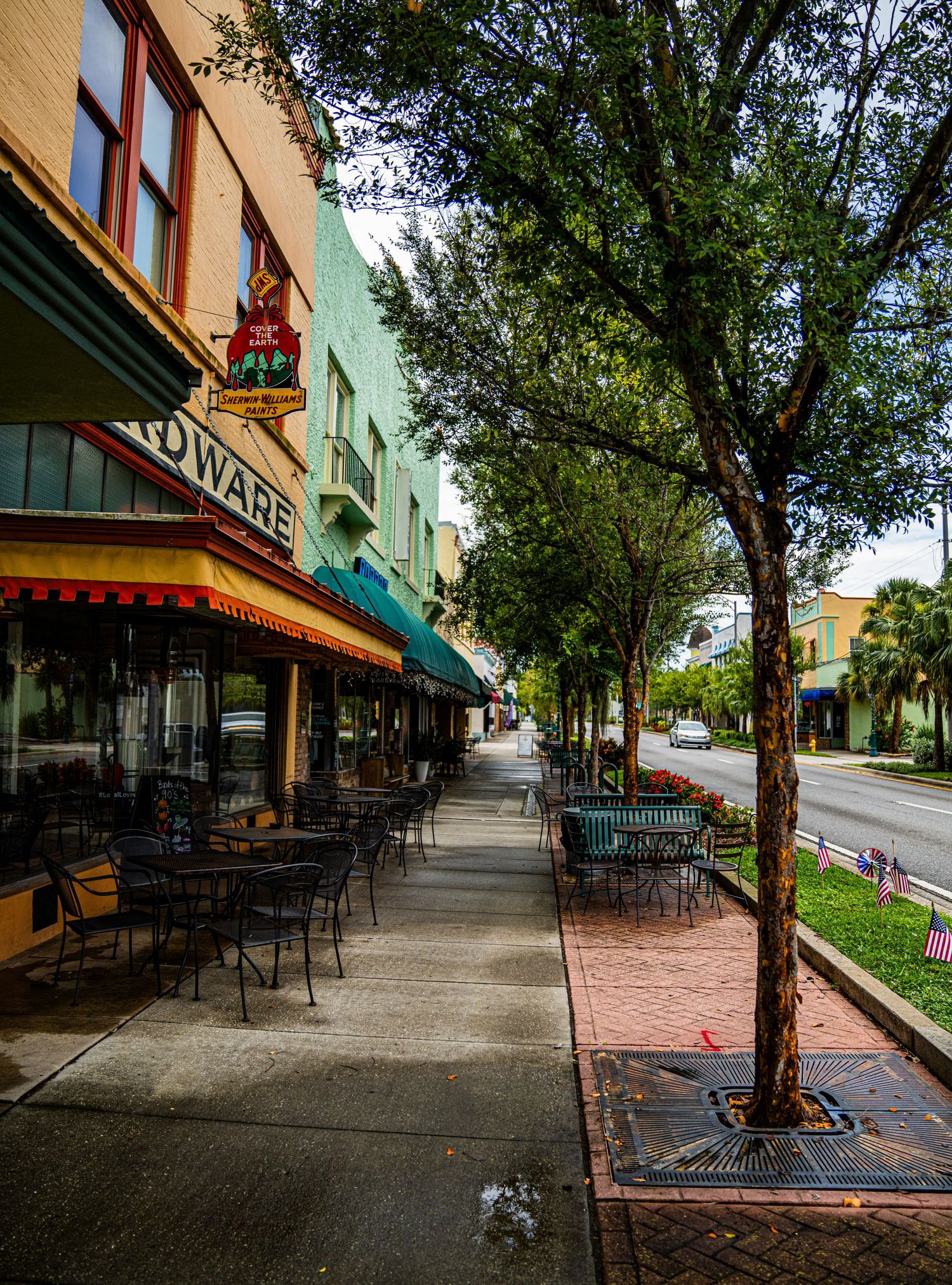
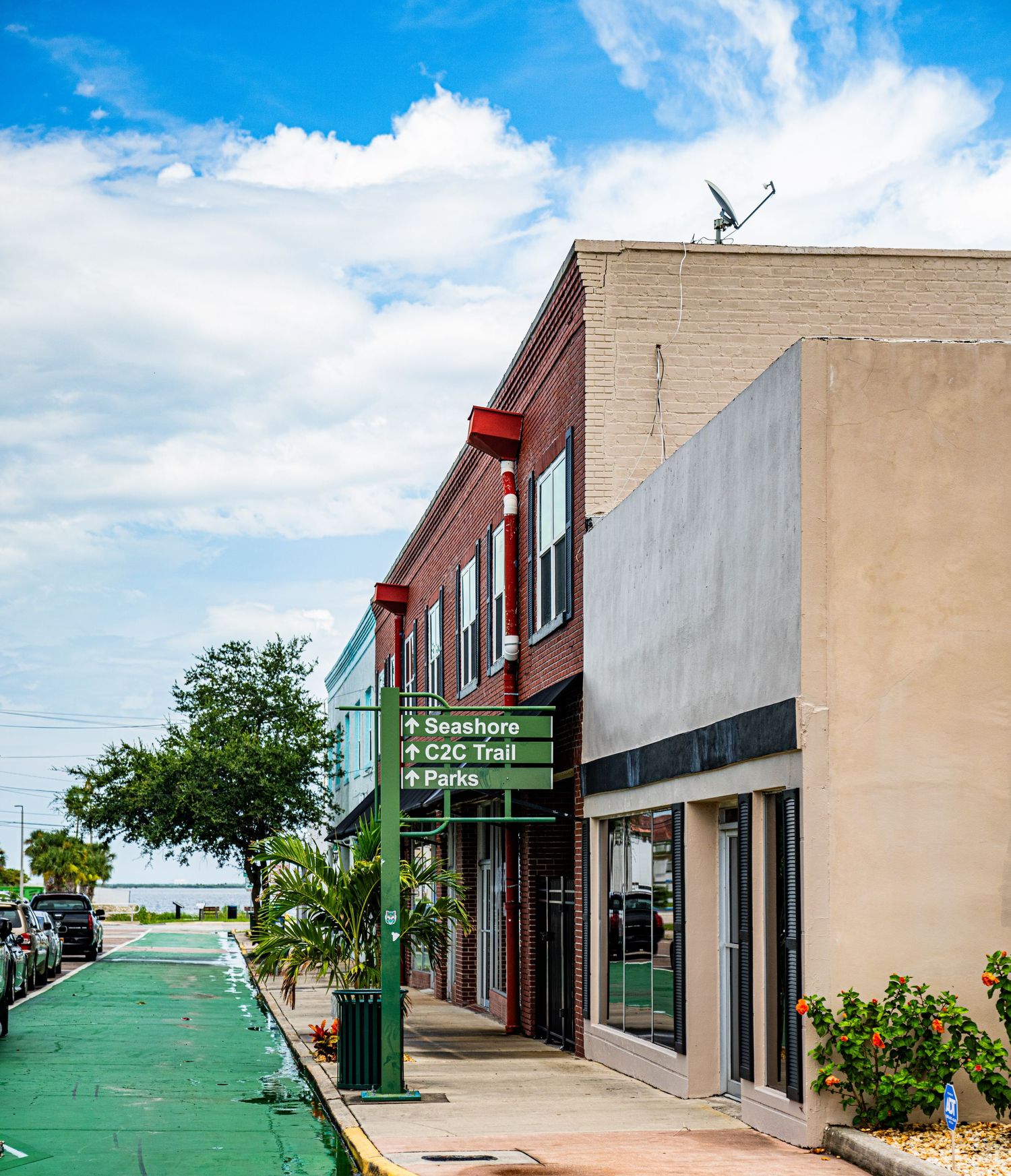
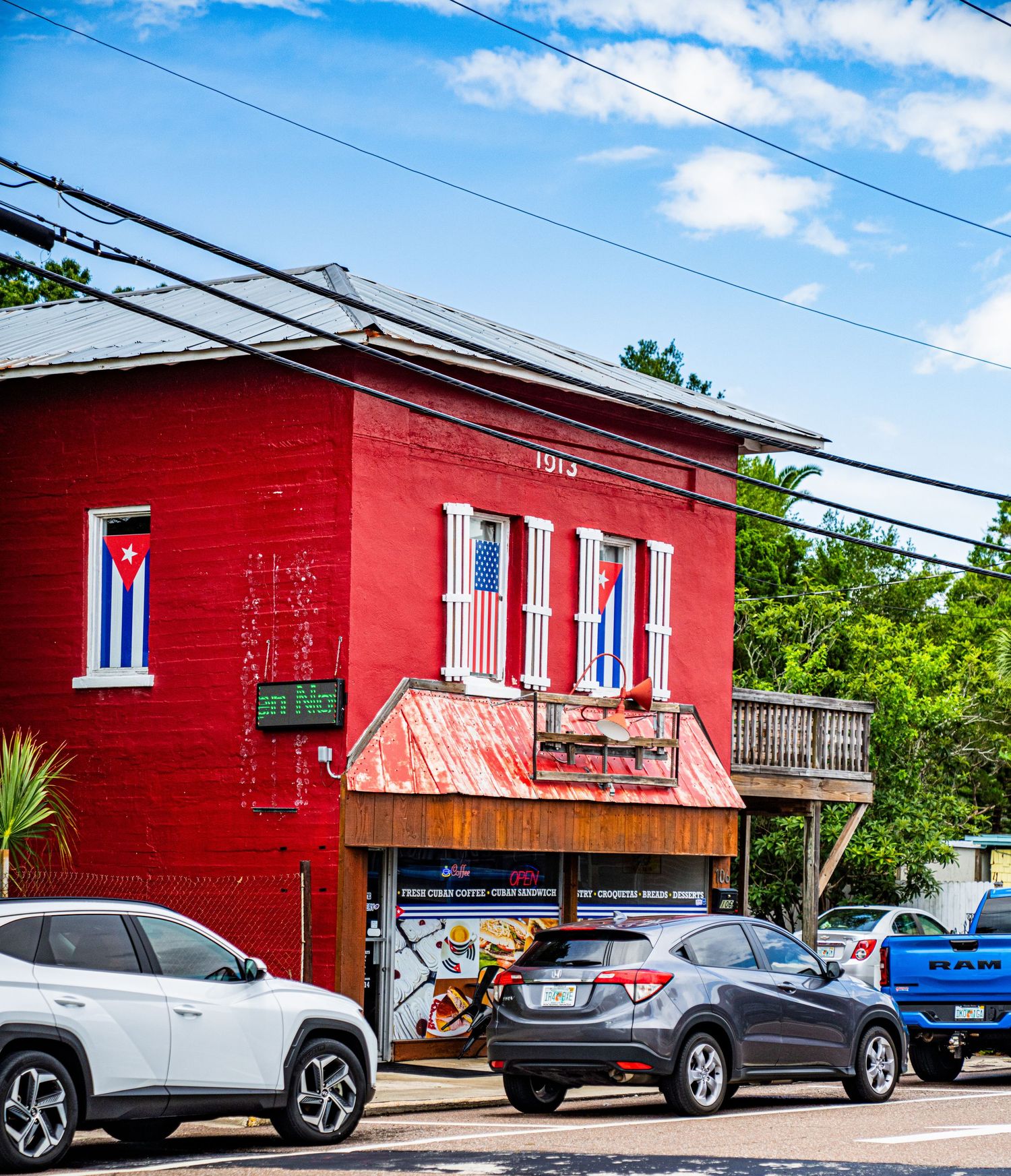
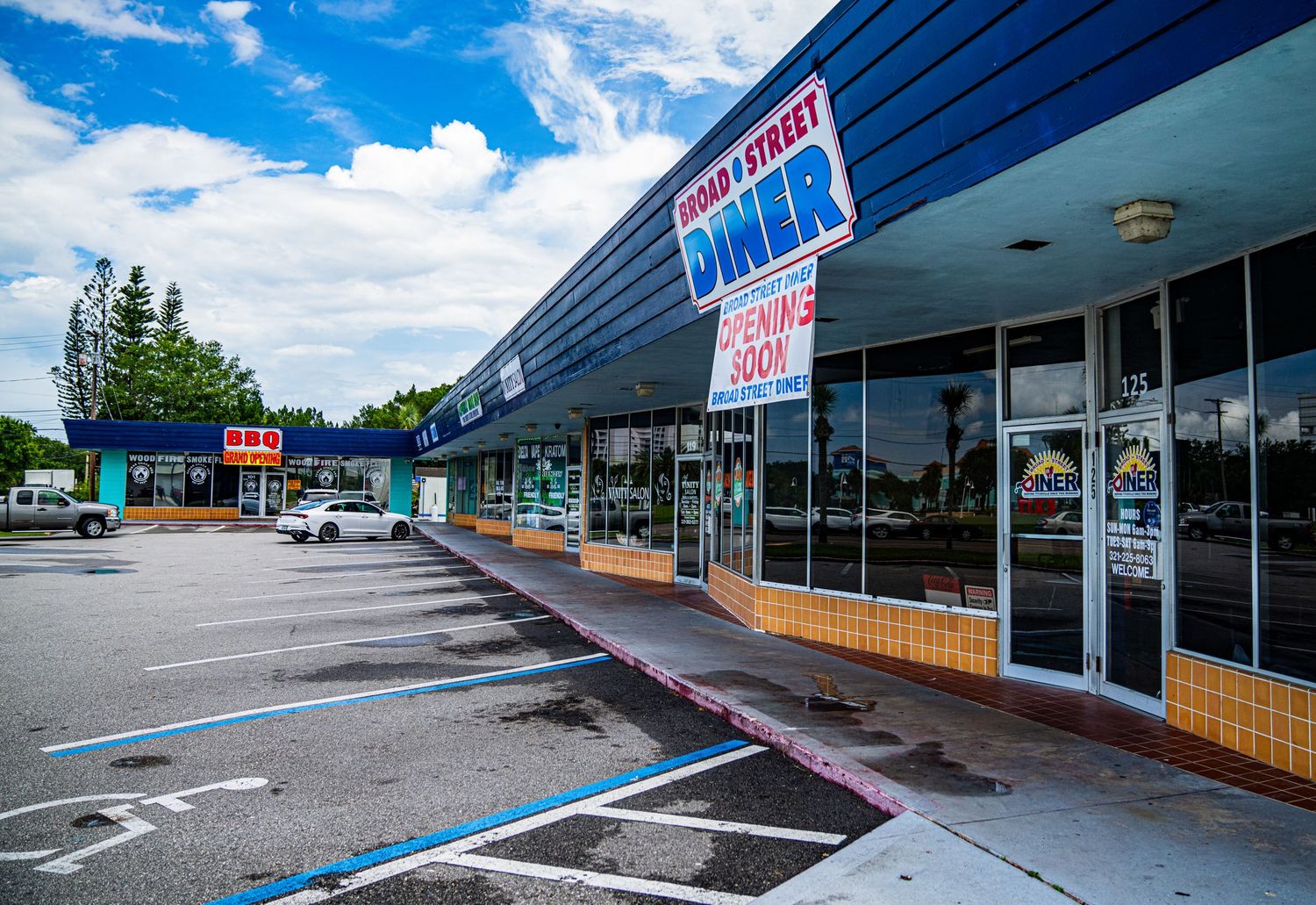
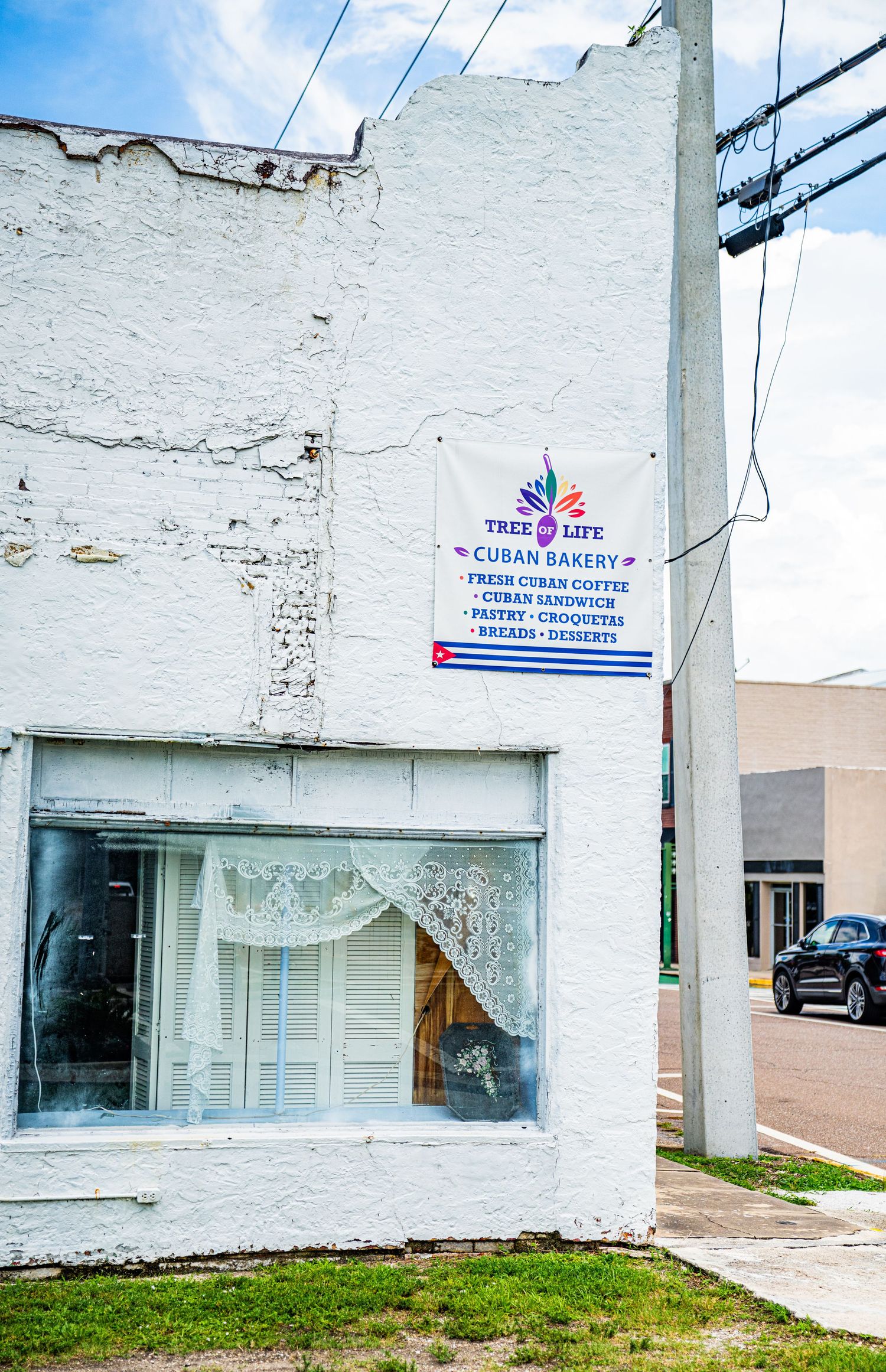
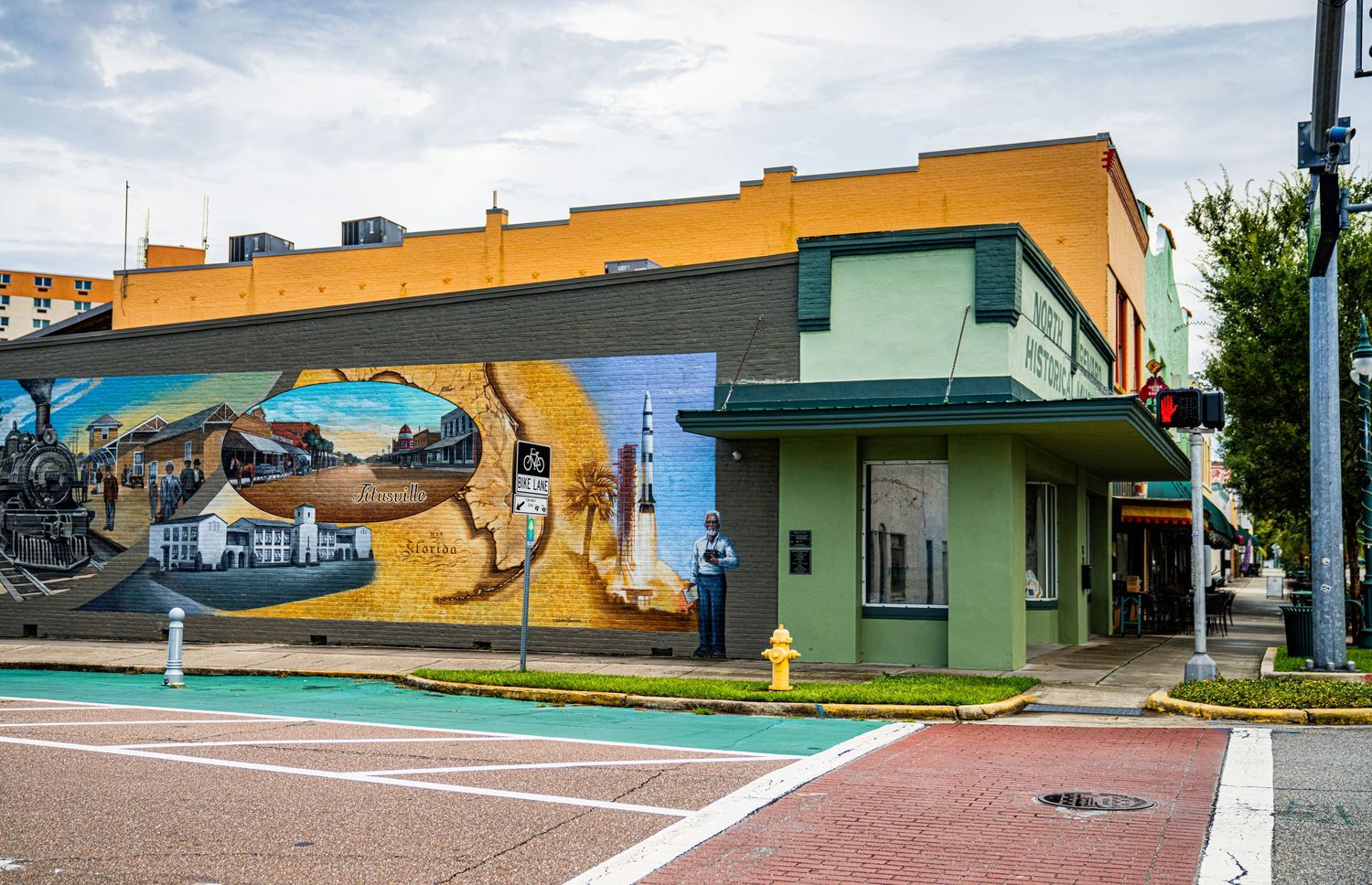
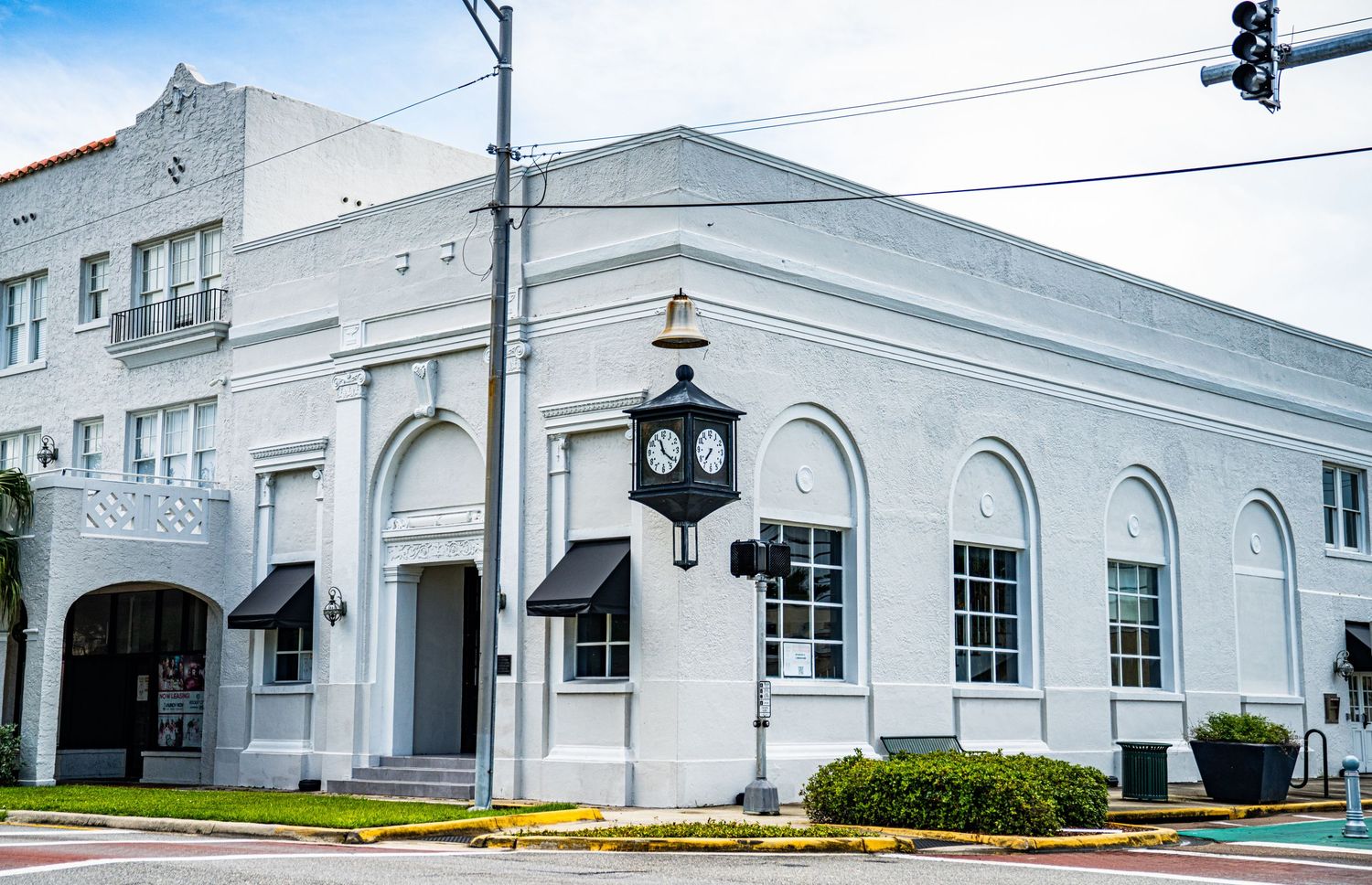
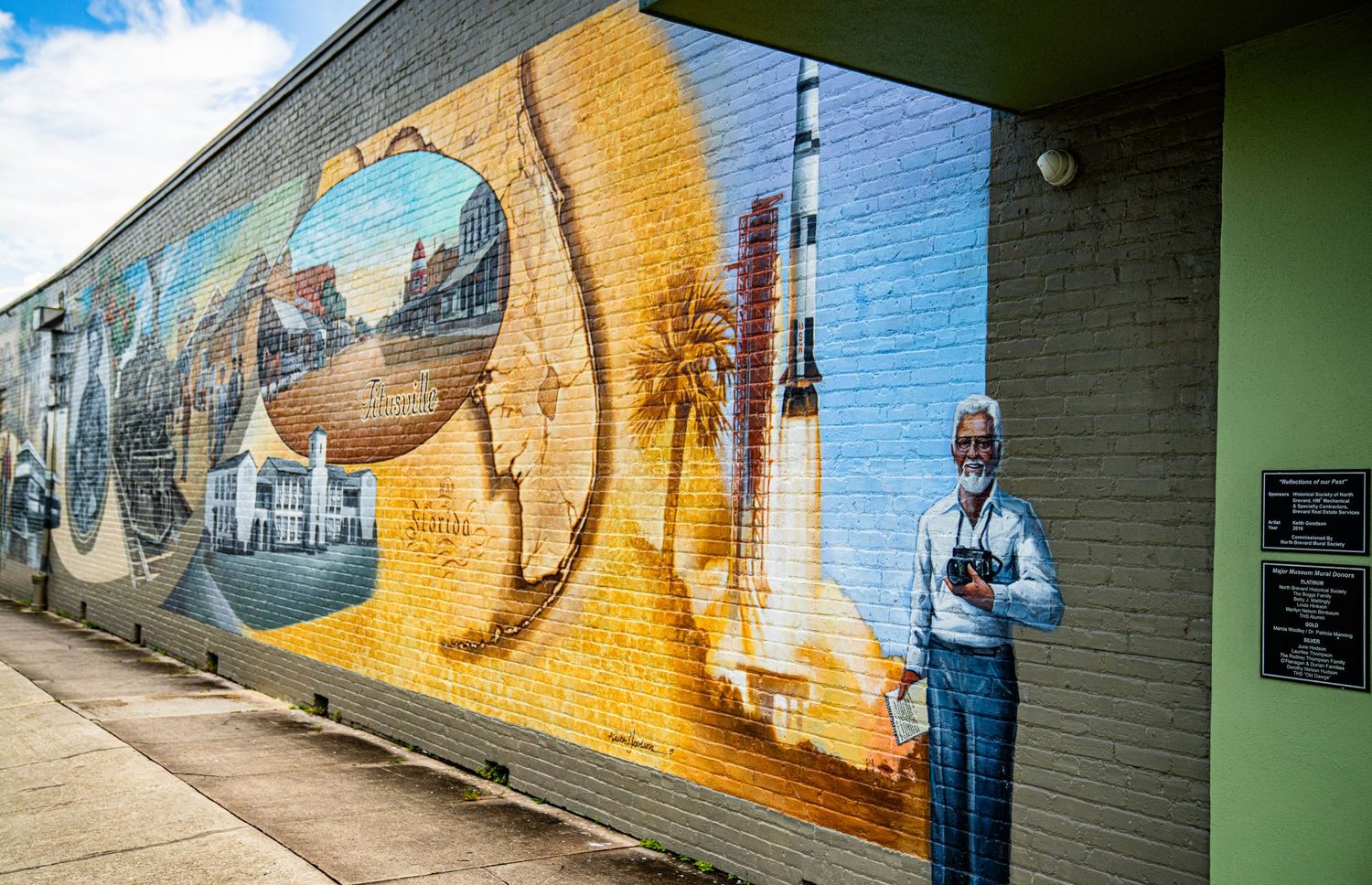
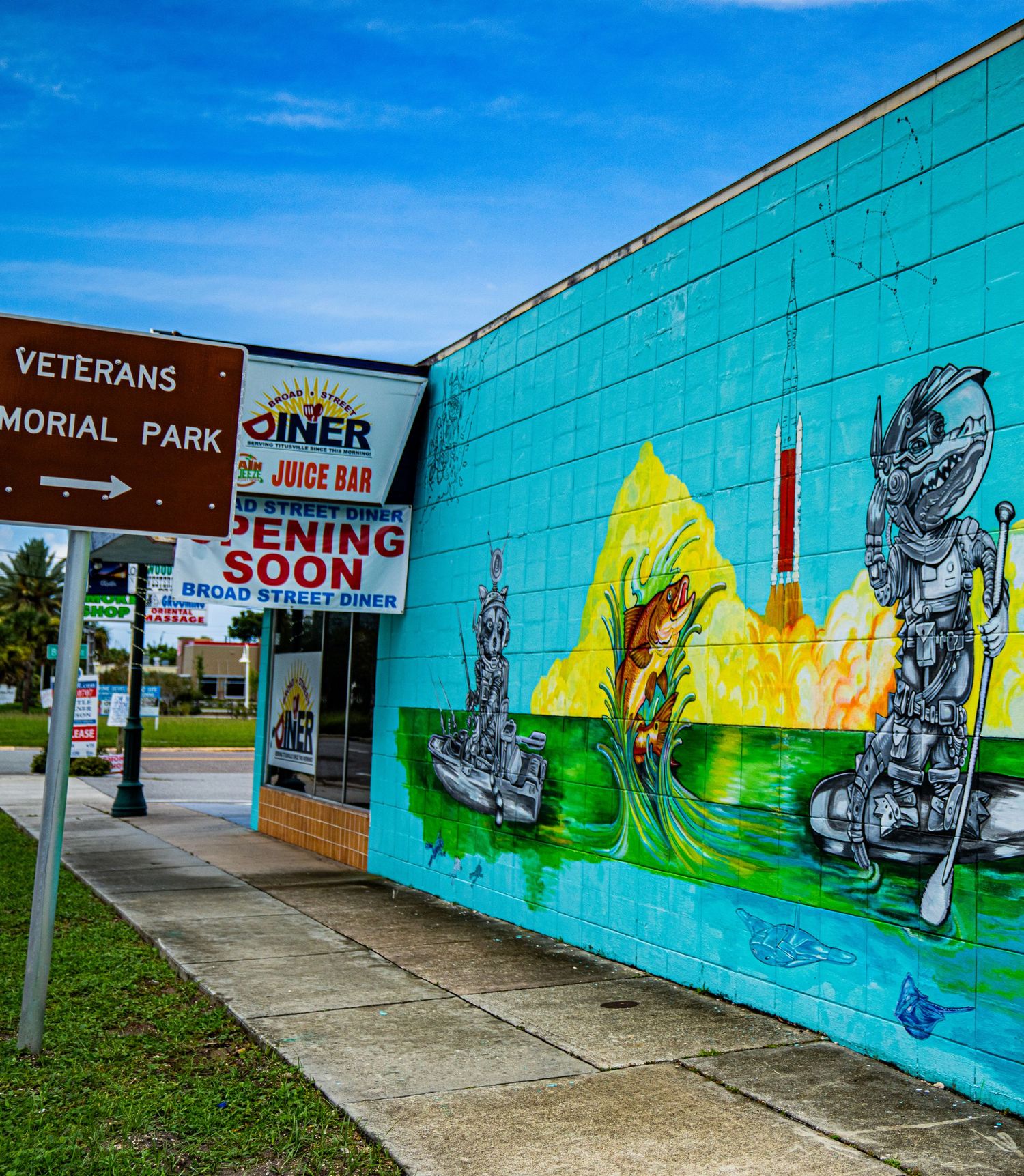
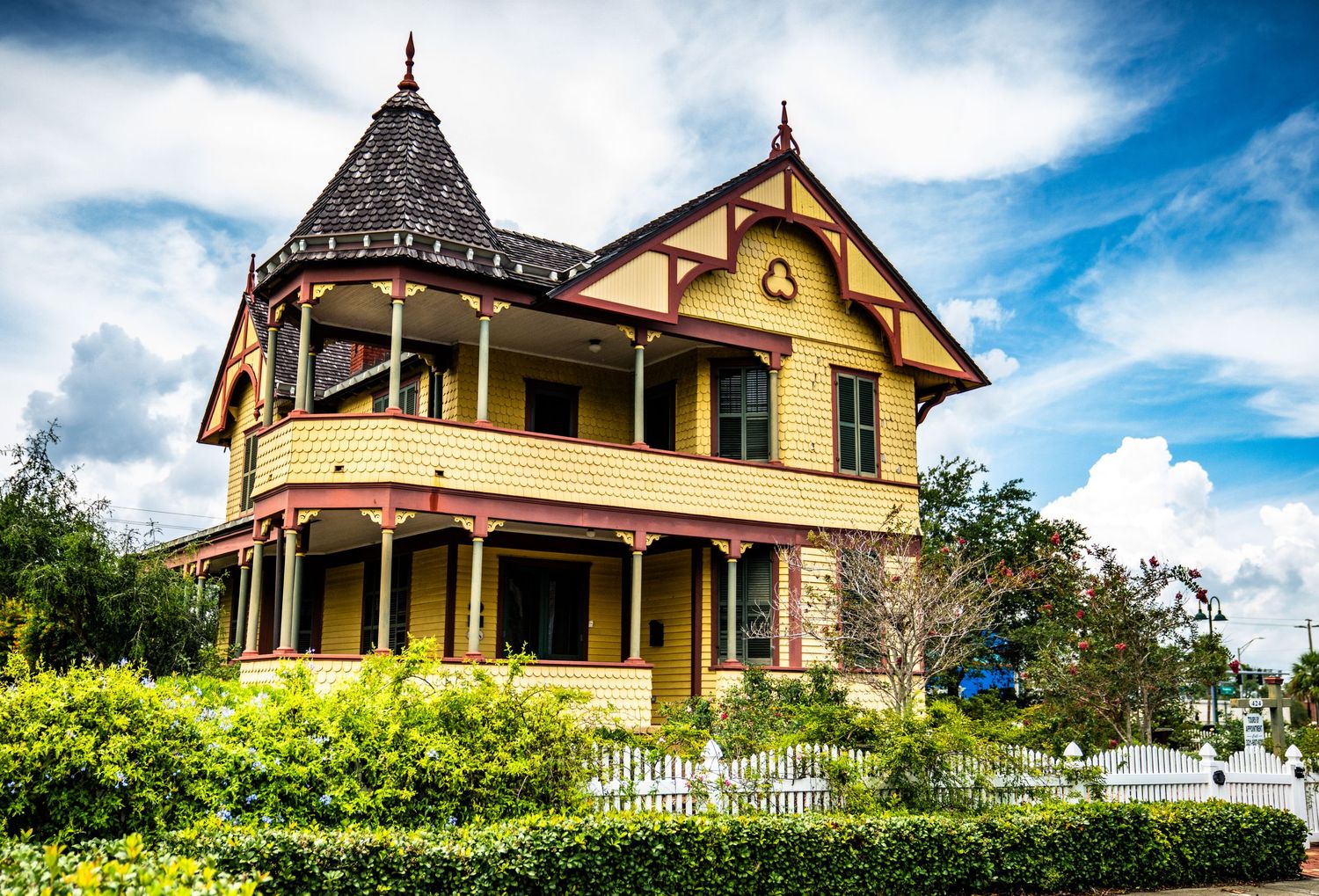
By the 1880s, the Florida East Coast Railway reached the area, and Titusville blossomed into a key shipping hub for citrus, pineapples, and lumber. Entrepreneurs like Captain James Pritchard left lasting marks—the family’s Queen Anne-style home still stands today as a historic landmark. Known at one point as “The City of Churches,” Titusville expanded quickly, boasting schools, a courthouse, and several busy docks along the river. Yet beneath the surface, the town reflected the social divides of the era. Segregation was institutionalized, and Black residents were often confined to limited opportunities. A pivotal figure during this time was Harry T. Moore, who served as principal of the Titusville Negro School from 1927 to 1936. Moore later founded the Brevard County chapter of the NAACP and became Florida’s most prominent civil rights advocate—until he and his wife were assassinated in 1951 by a KKK-planted bomb in Mims, just outside Titusville. His legacy looms large as both a point of pride and a reminder of the town’s troubled racial past.
In the mid-20th century, Titusville’s identity was reshaped once again—this time by the roar of rocket engines. The nearby establishment of Cape Canaveral and Kennedy Space Center brought national attention and economic prosperity. During the height of the Apollo and Shuttle programs, Titusville was nicknamed “Space City,” with a population boom and a thriving downtown. Residents watched moonshots from their backyards and filled Miracle City Mall, a once-prominent local landmark. But as the space program contracted in the 1990s and eventually shuttered the Shuttle in 2012, Titusville suffered economically. Malls closed, unemployment rose, and the town found itself searching for a post-NASA identity.
Today, Titusville stands as a city of both contradiction and promise. Its revitalized waterfront, nature preserves, and growing arts scene reflect efforts to honor its past while adapting to a more diversified future. Yet many of its streets, buildings, and public institutions still echo the names and decisions of figures like Col. Titus and Harry Moore—men who could not have been more different, yet whose legacies both shaped the soul of the city. As local historian Elaine Murray Stone once remarked, “Titus relentlessly lobbied for this place… he moved mountains to see it thrive.” That tenacity, with all its imperfections, is the very spirit that still defines Titusville today.
Mount Dora
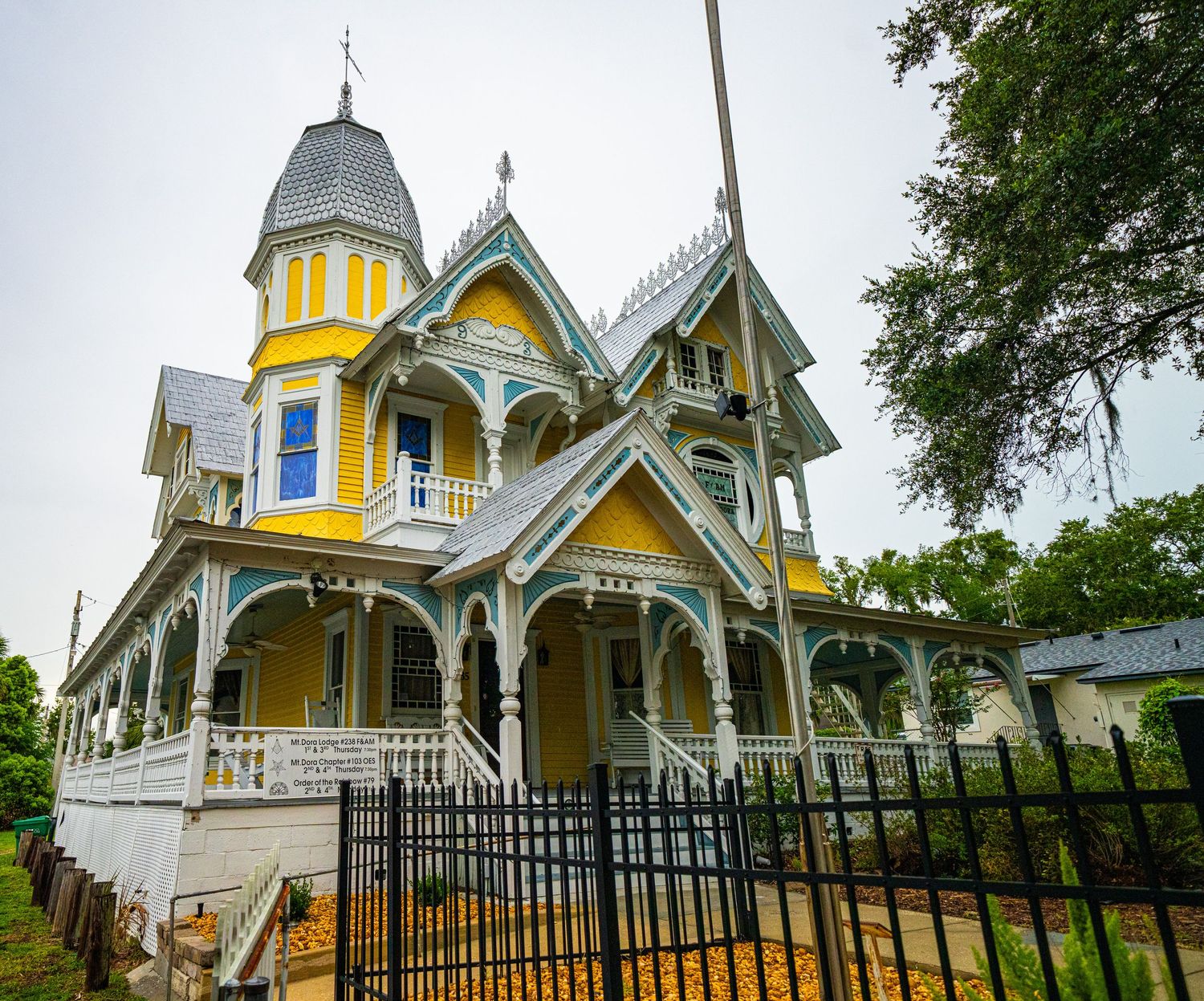
Nestled on a plateau overlooking Lake Dora, Mount Dora’s story begins with surveyors in 1846 naming the lake—likely for pioneer settler Dora Ann Drawdy, whose warm hospitality left an impression. Yet local lore reminds us the area was briefly called “Royellou,” a whimsical nod to postmaster Ross Tremain’s children—Roy, Ella, and Louis—when the first post office opened in 1883. By the mid-1880s, settlers like Annie E. Stone and “Doc” Henry began planting orange groves, and the platting of lands made room for homes and hotels. The arrival of the railroad in 1887 transformed Mount Dora into a vibrant transport and commercial center, with daily trains arriving by 1915. Incorporated in 1910, the town elected its first mayor, John Philip Donnelly, who later built the Queen Anne–style Donnelly House in 1893—a house that still stands and now serves as Mount Dora Lodge No. 238.
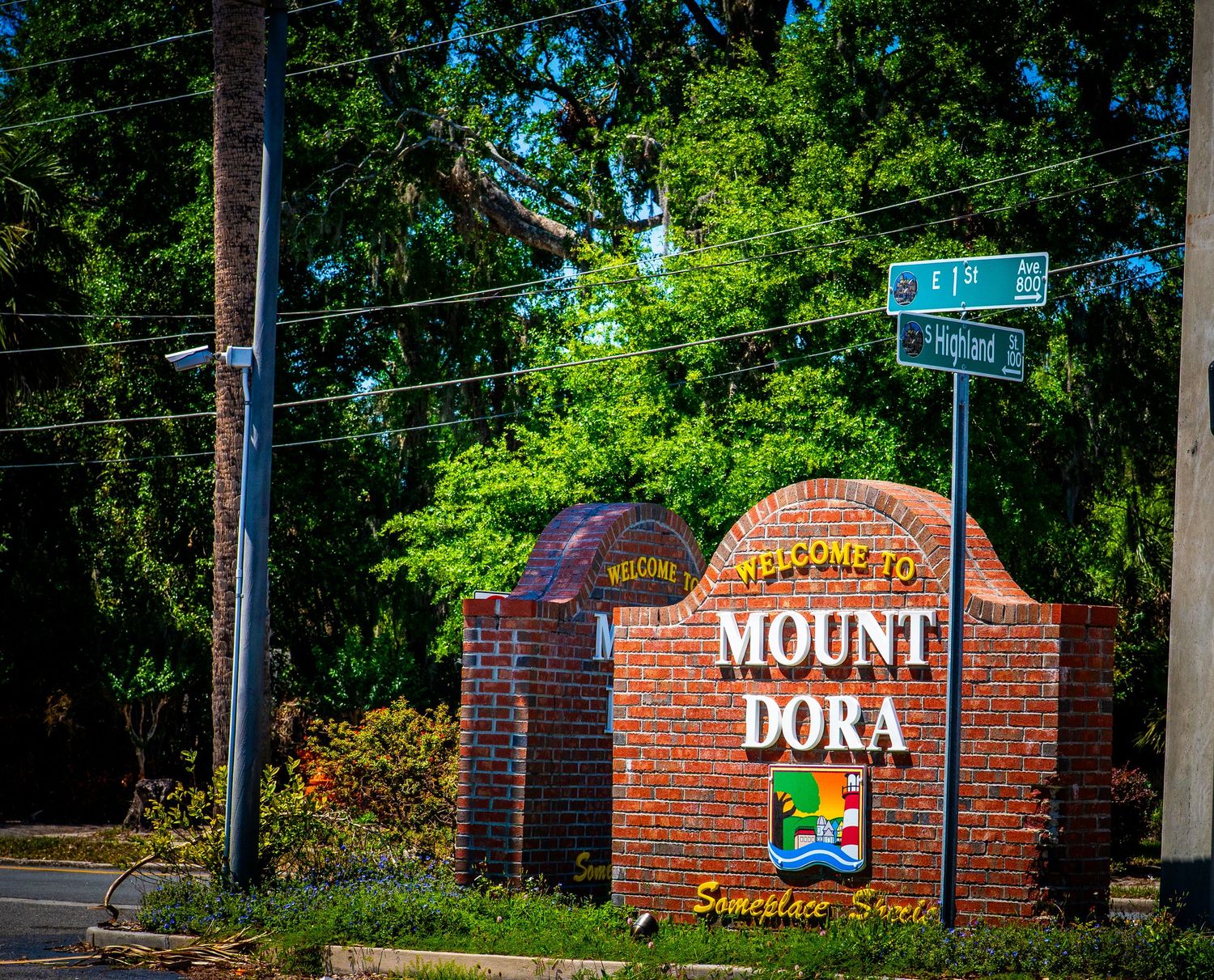
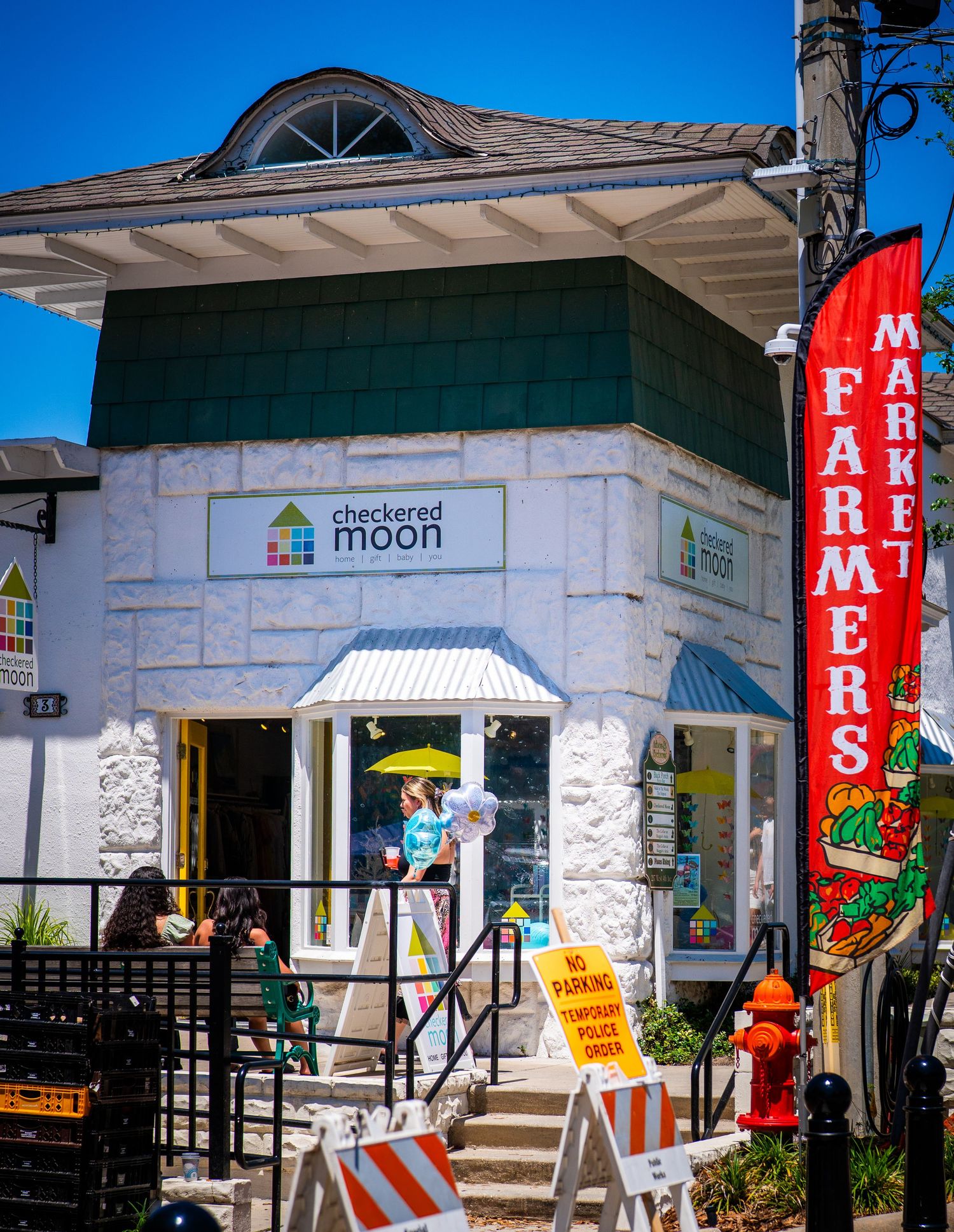
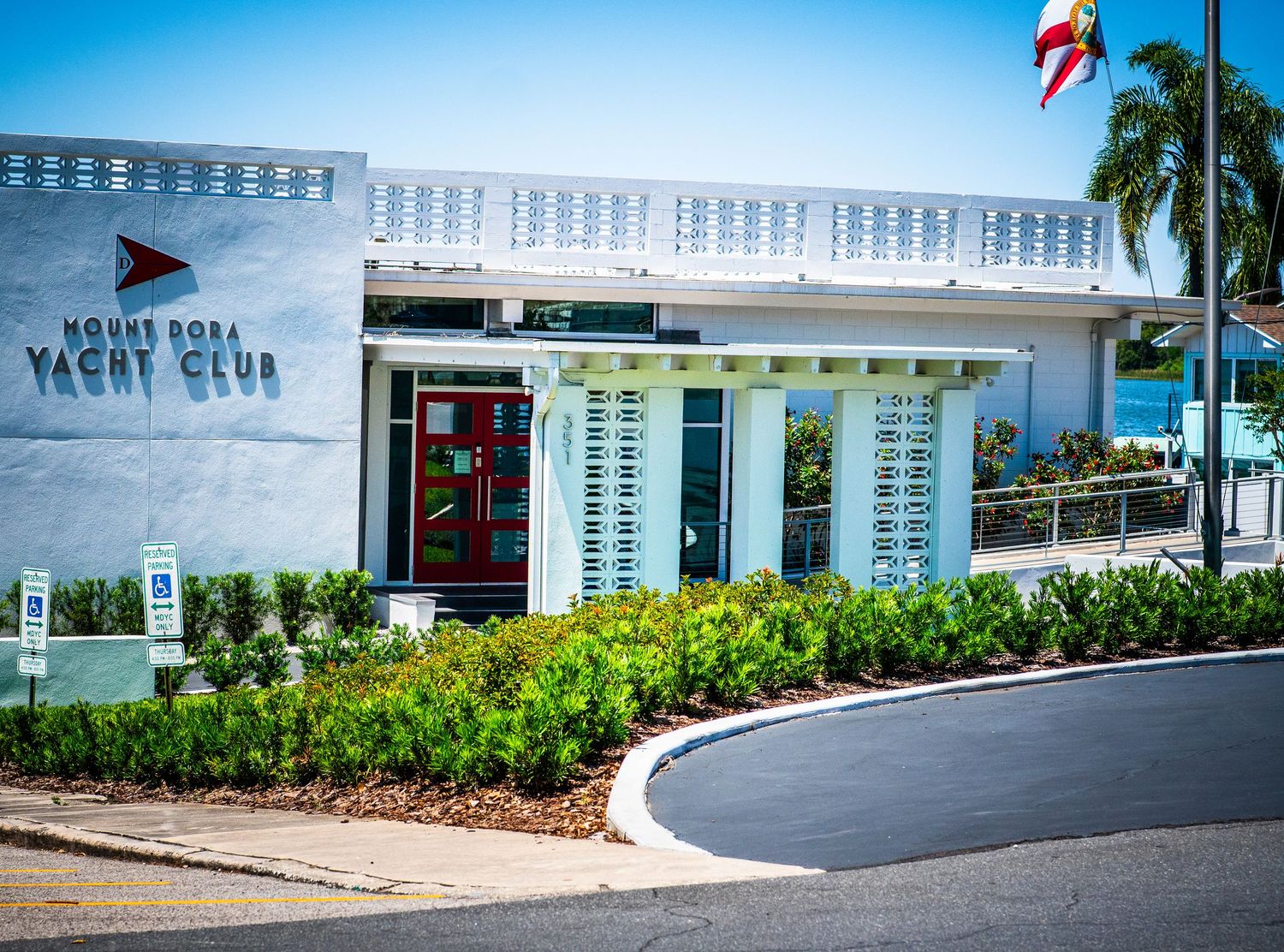
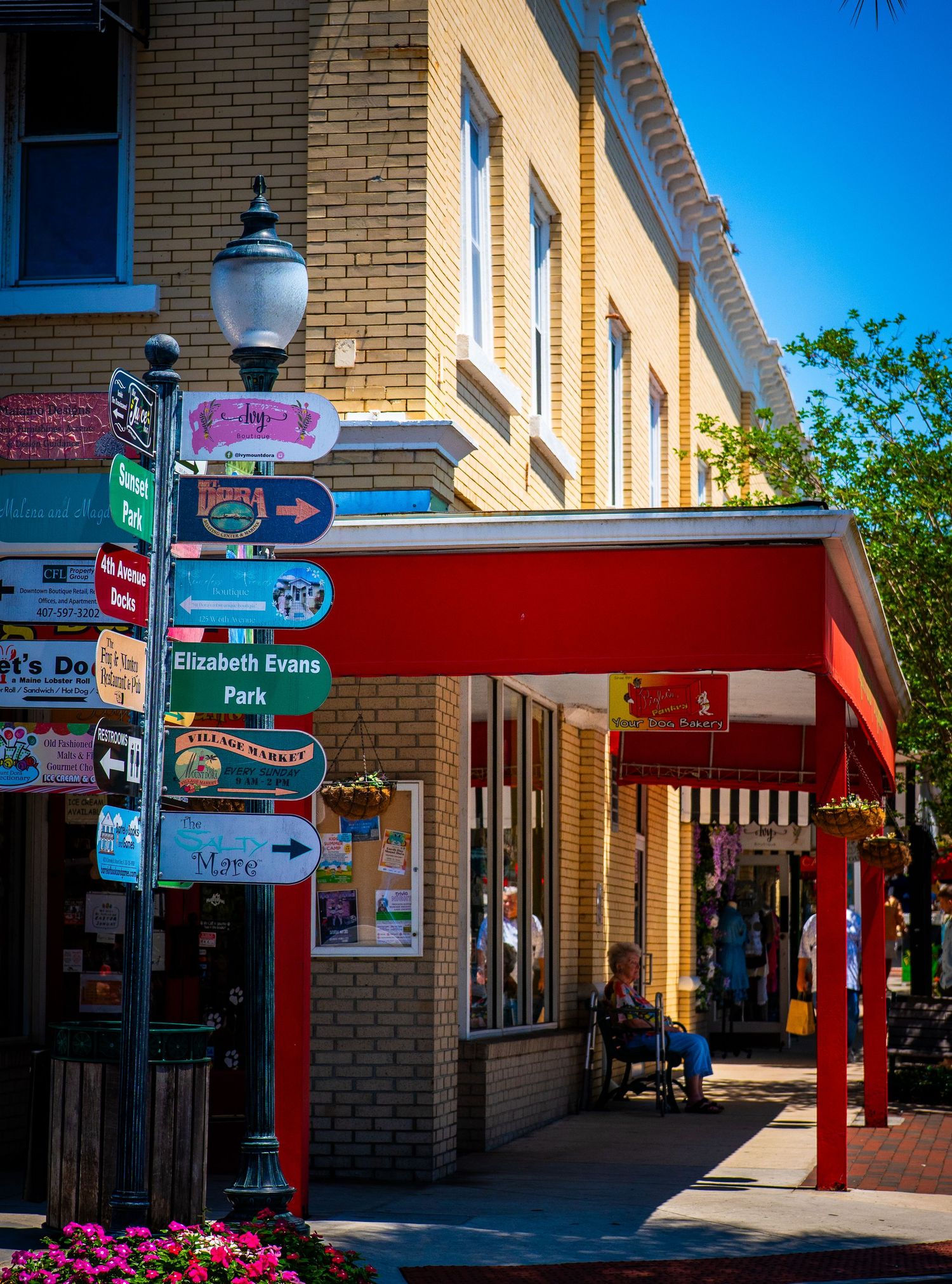
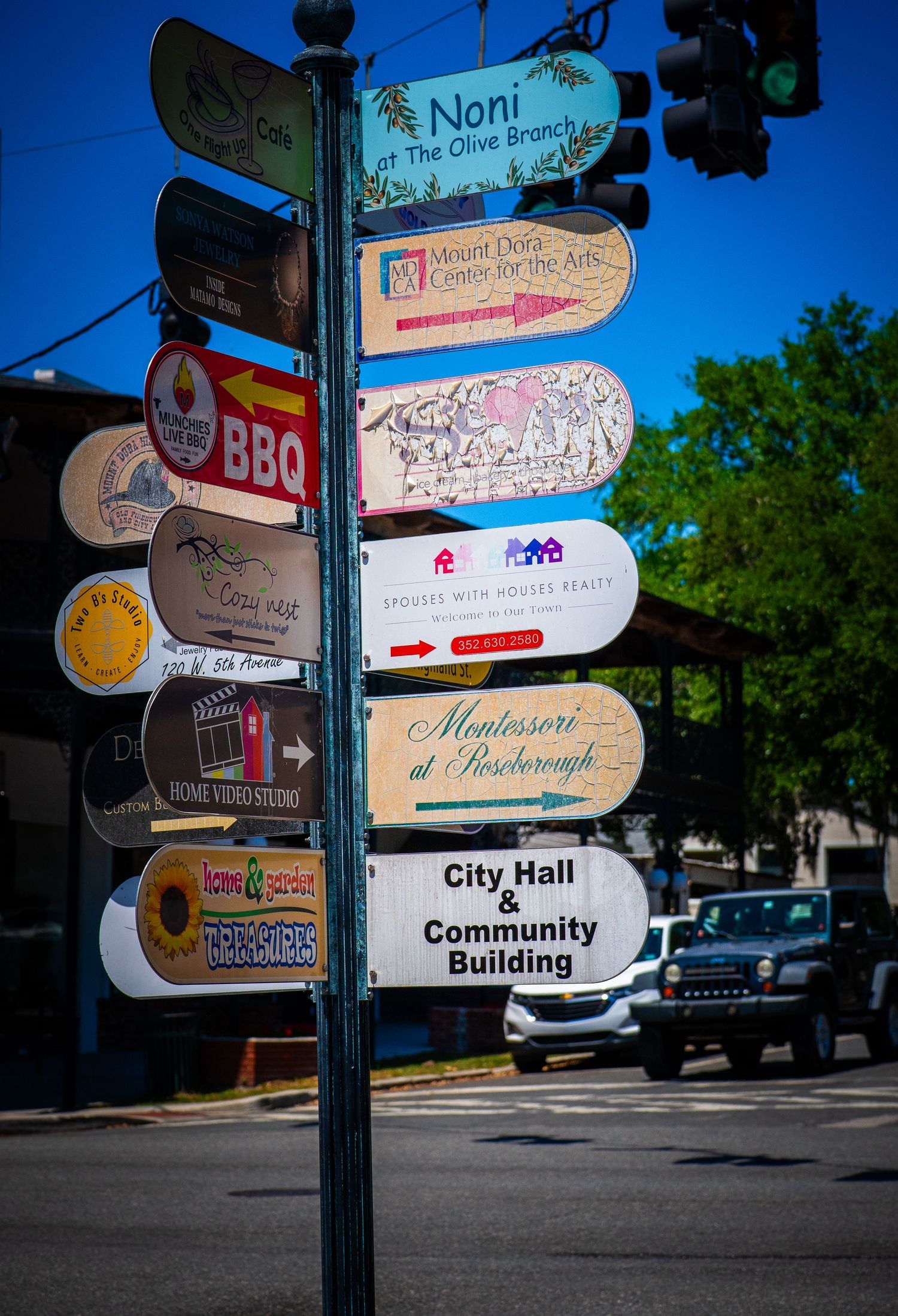
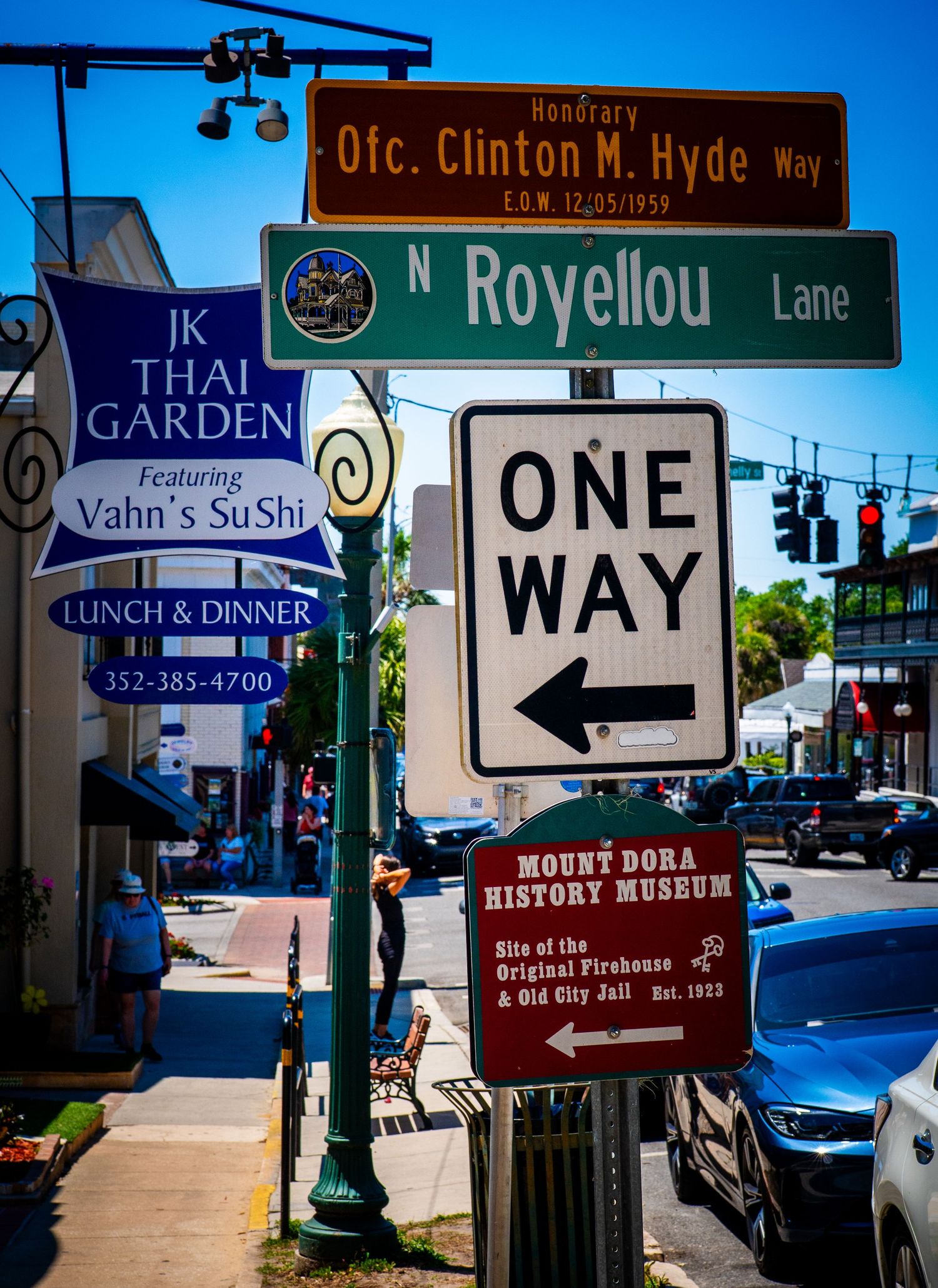
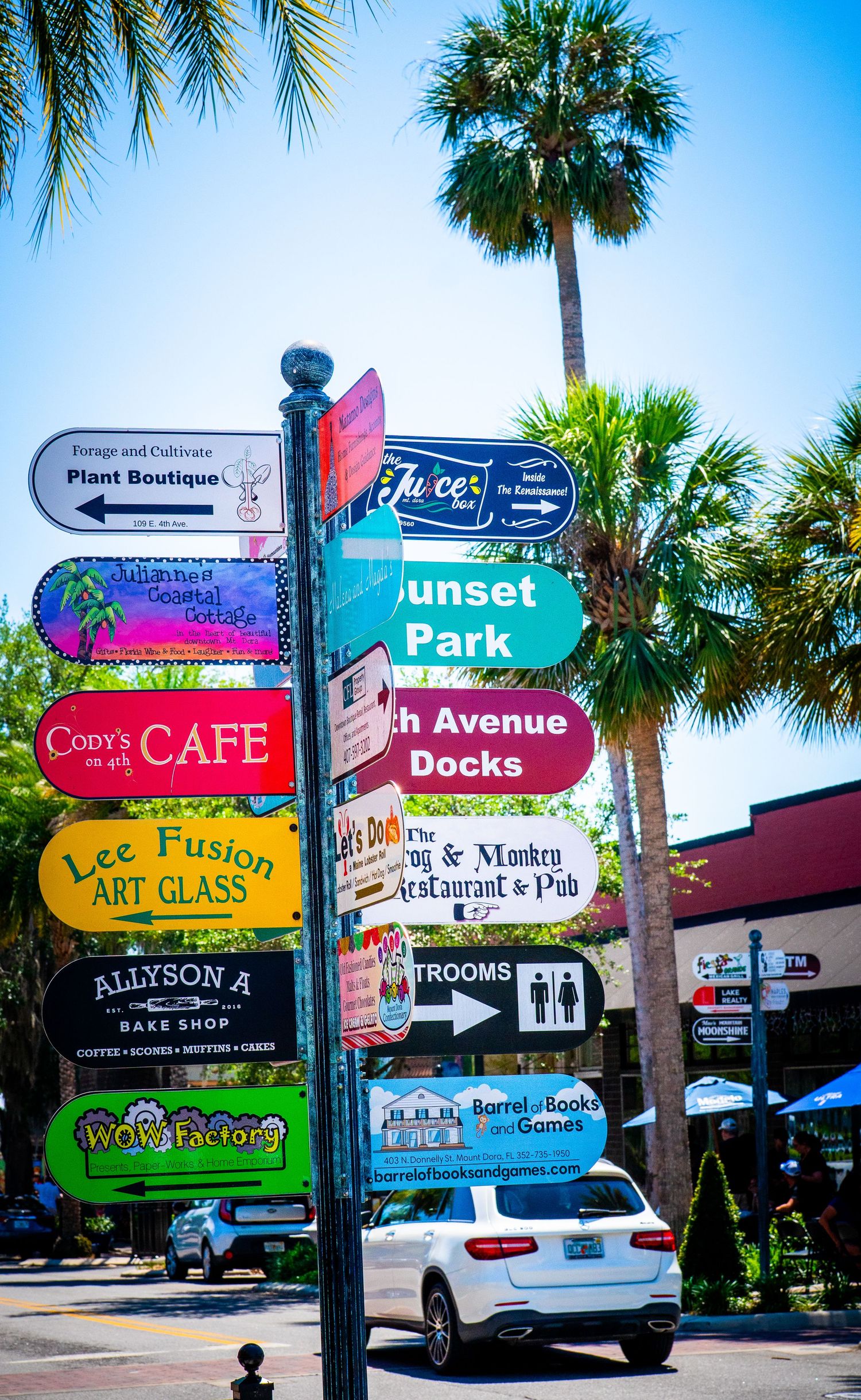
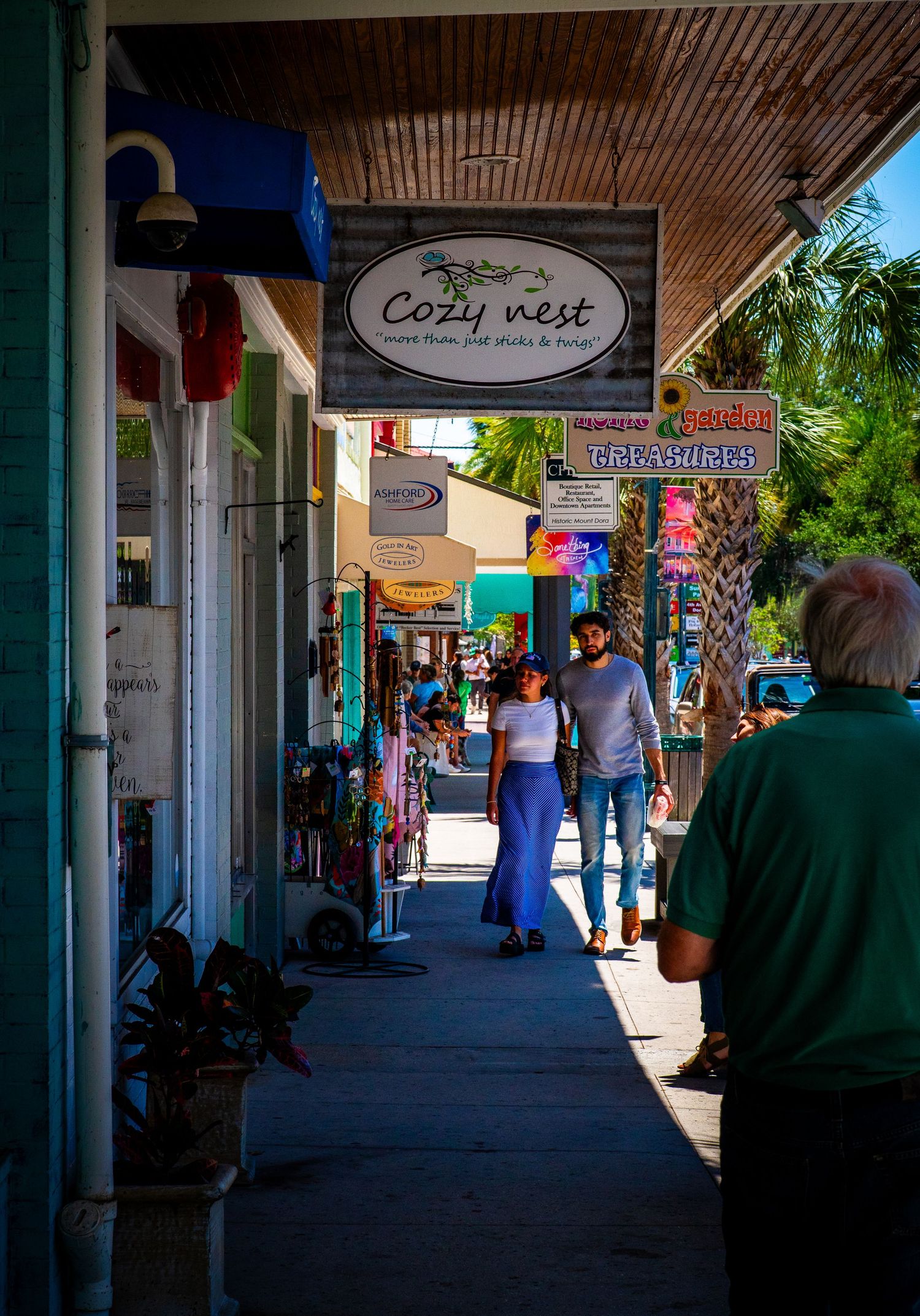
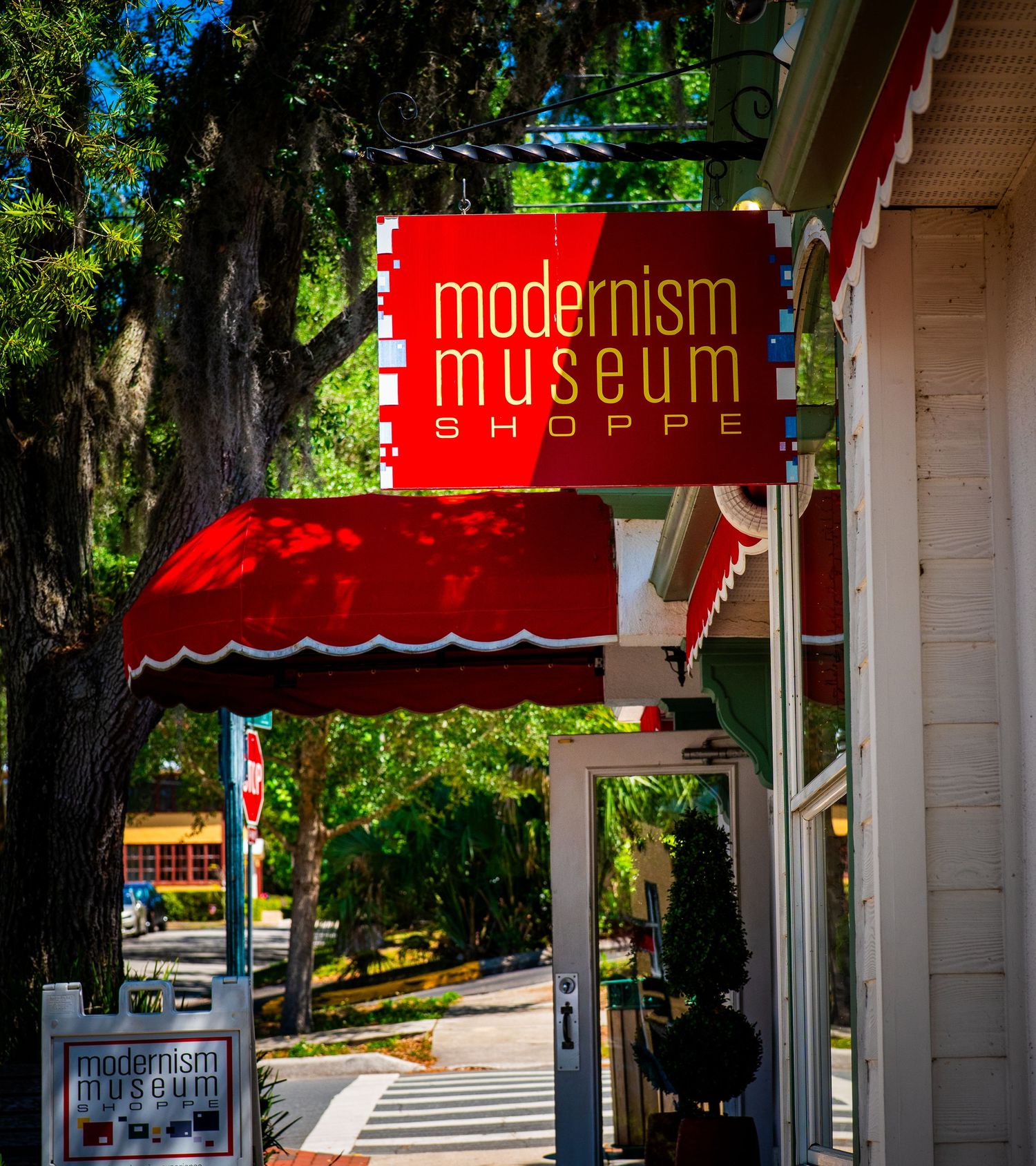
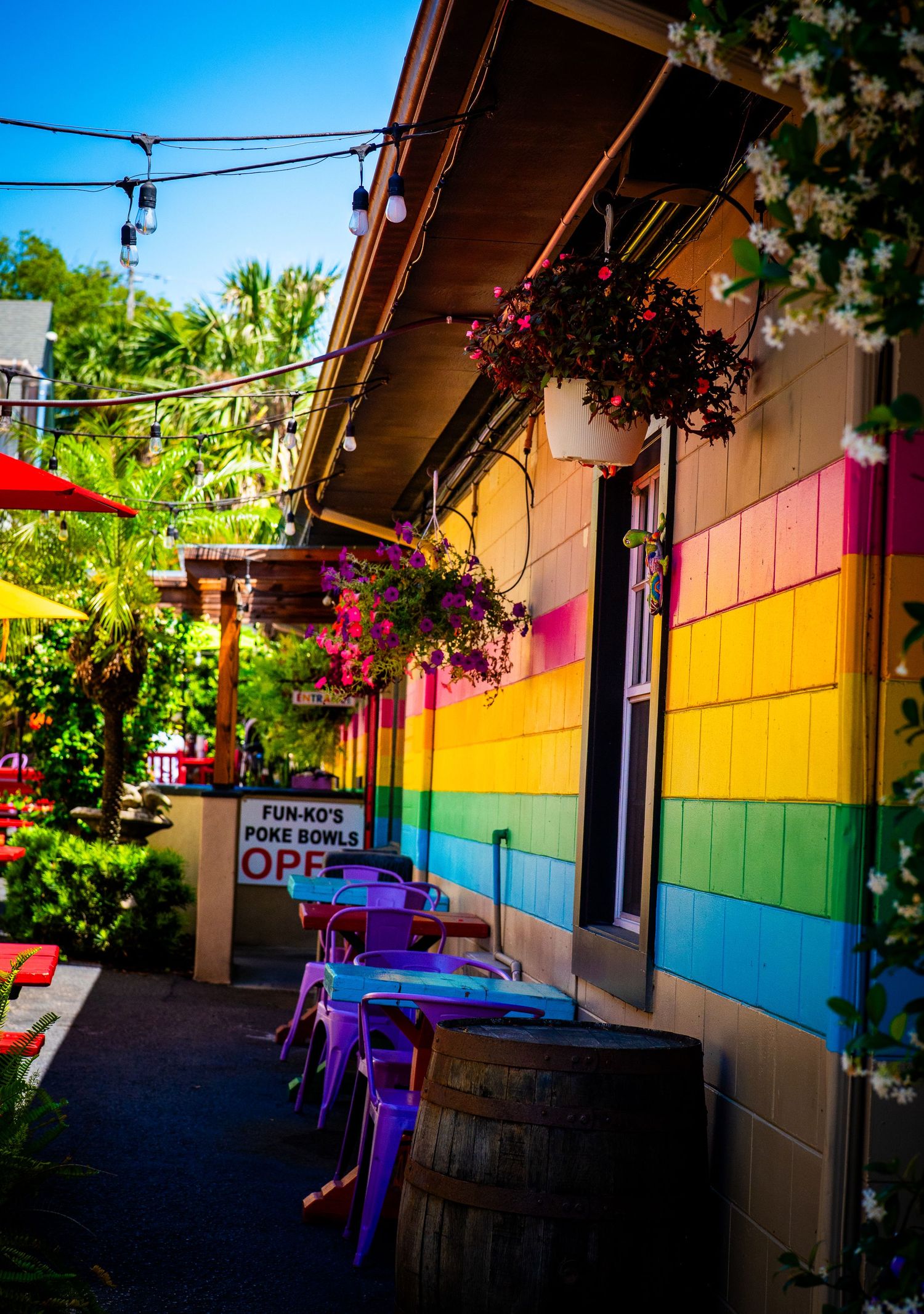
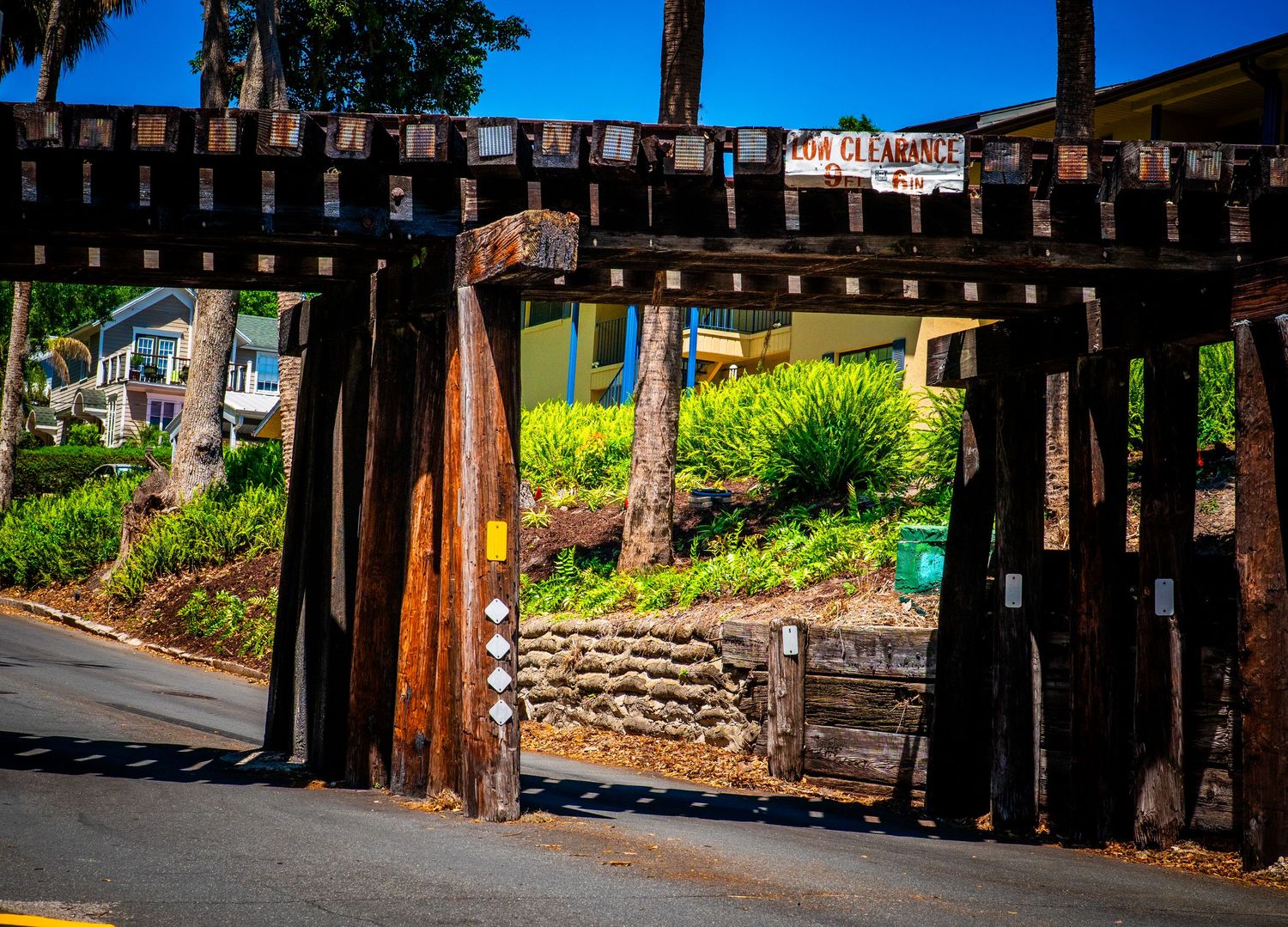
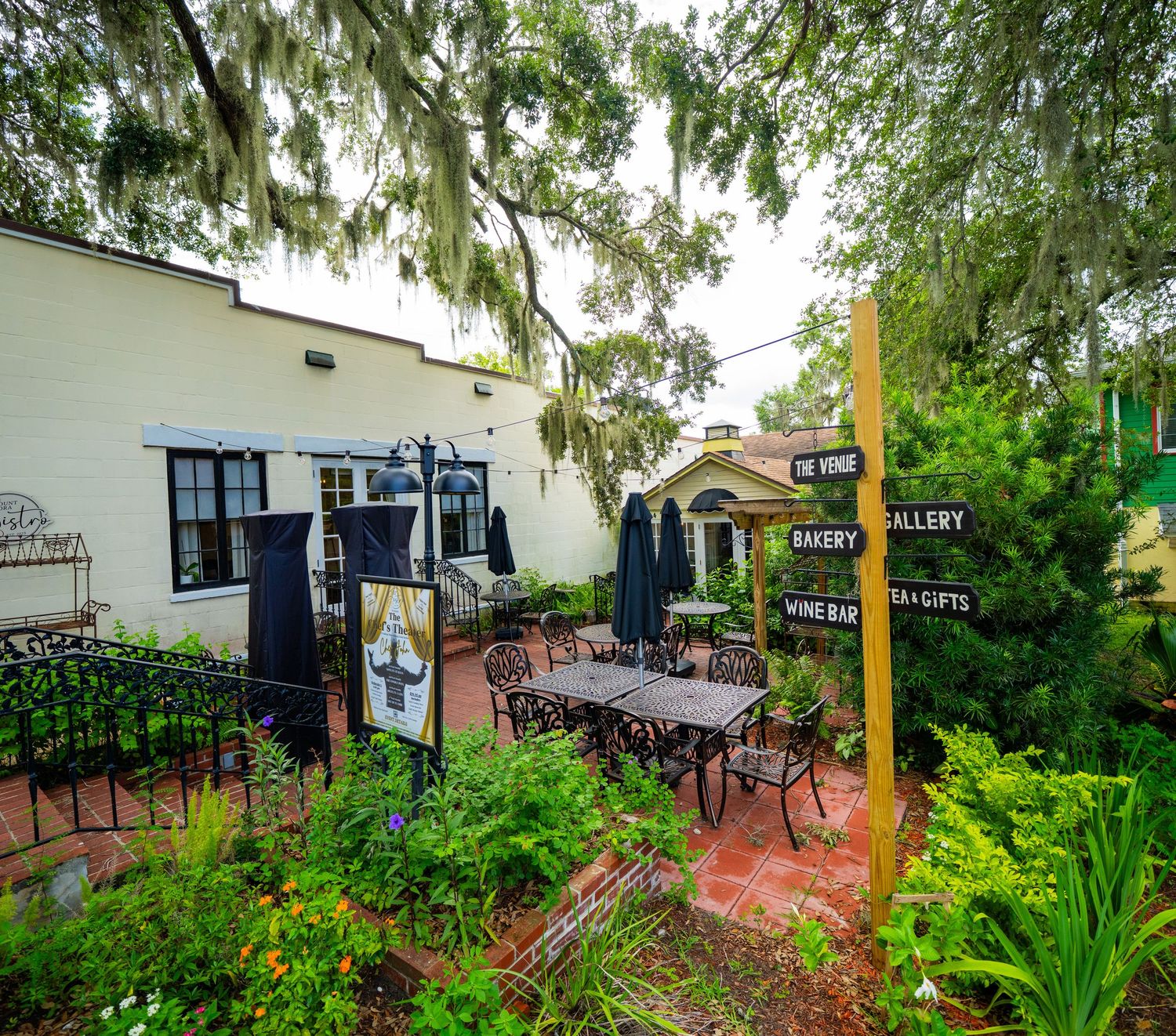
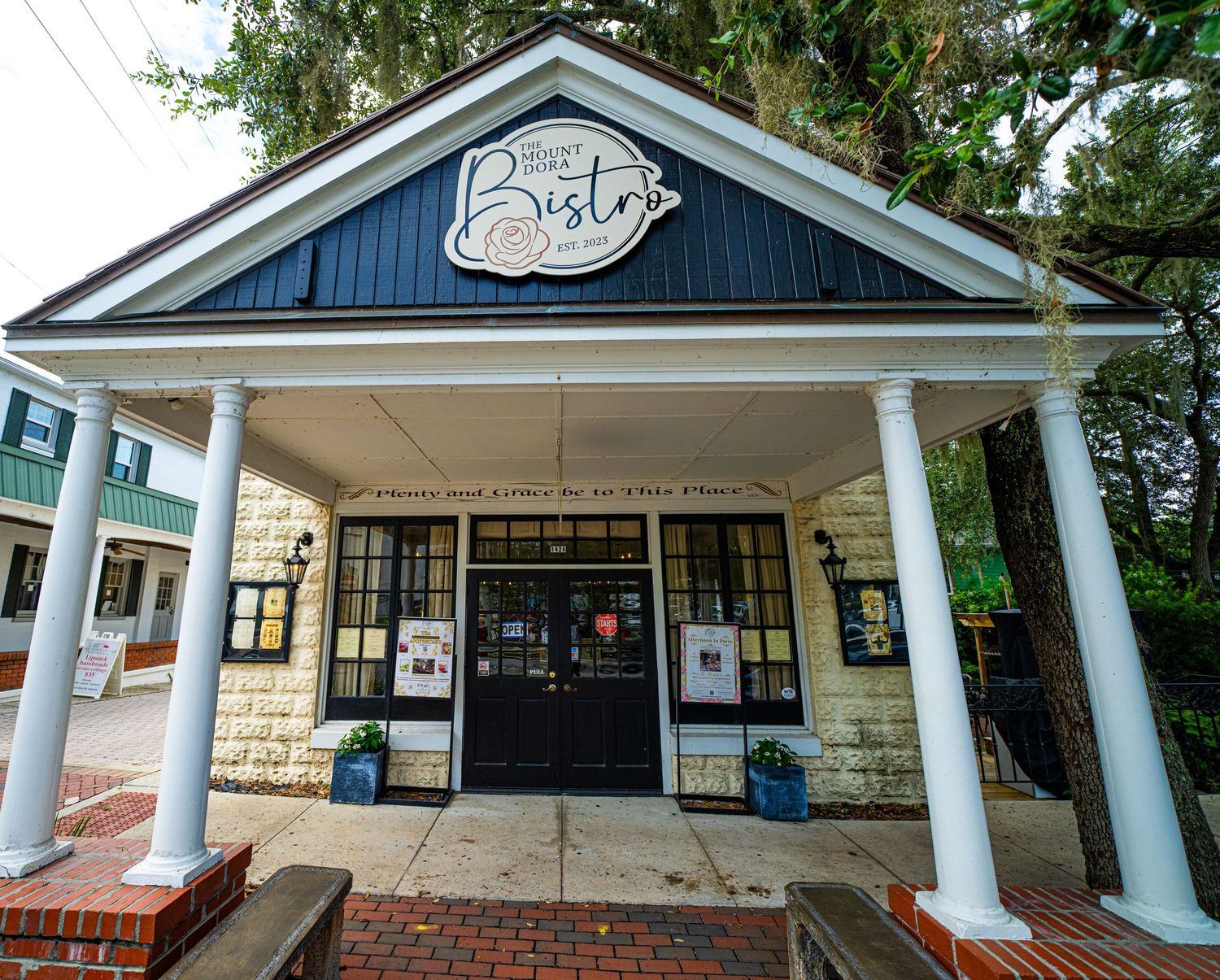
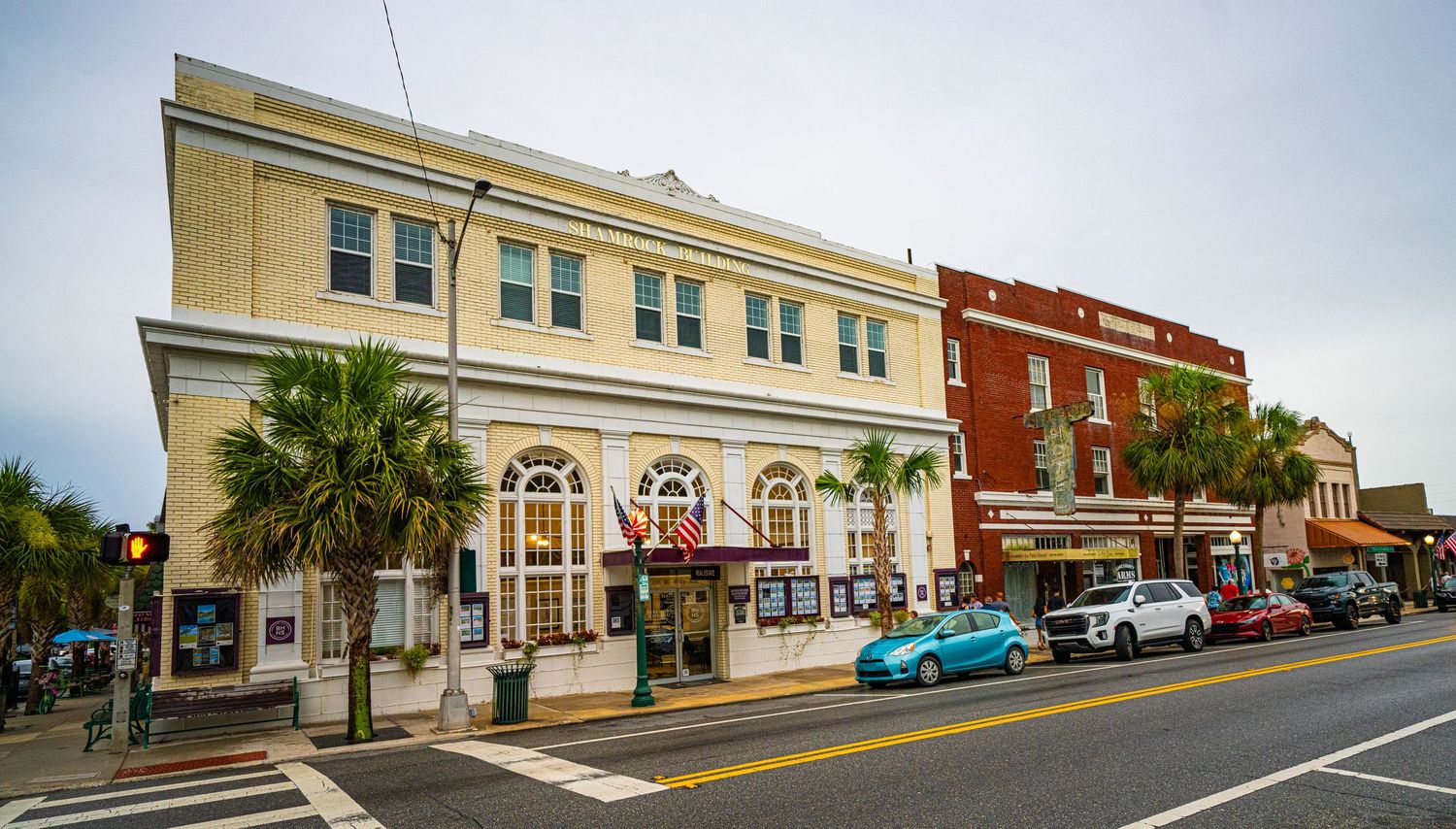
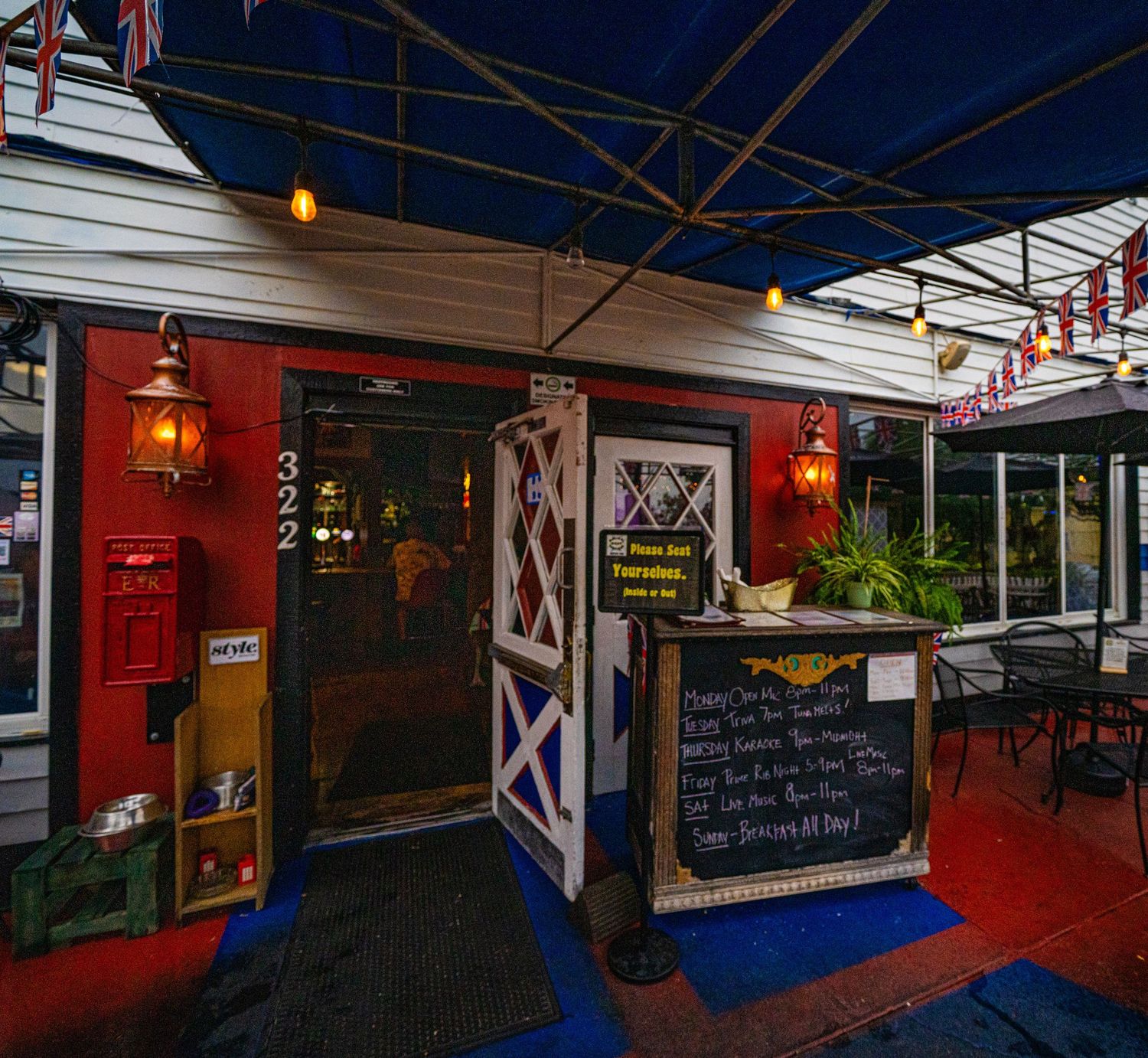
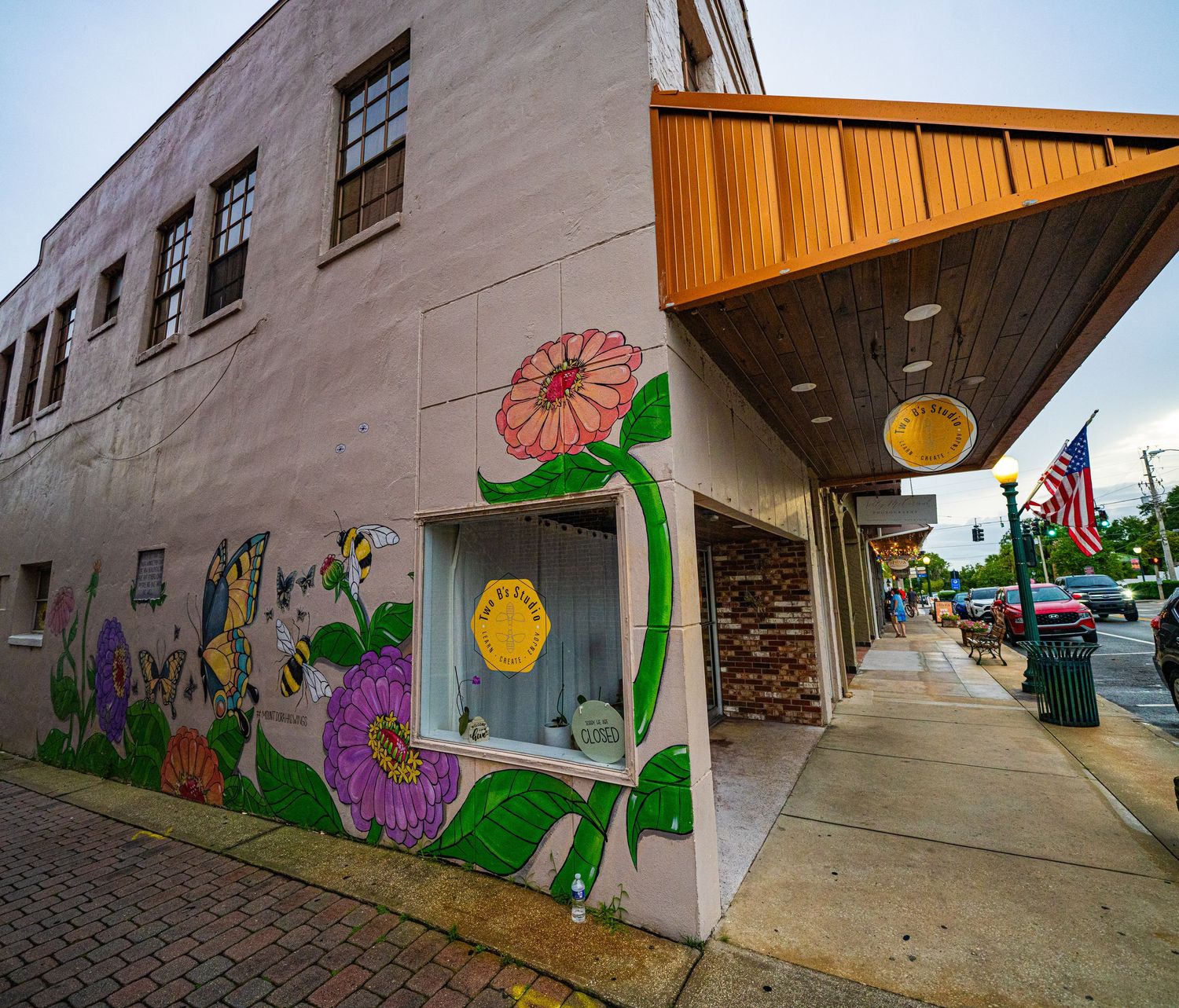
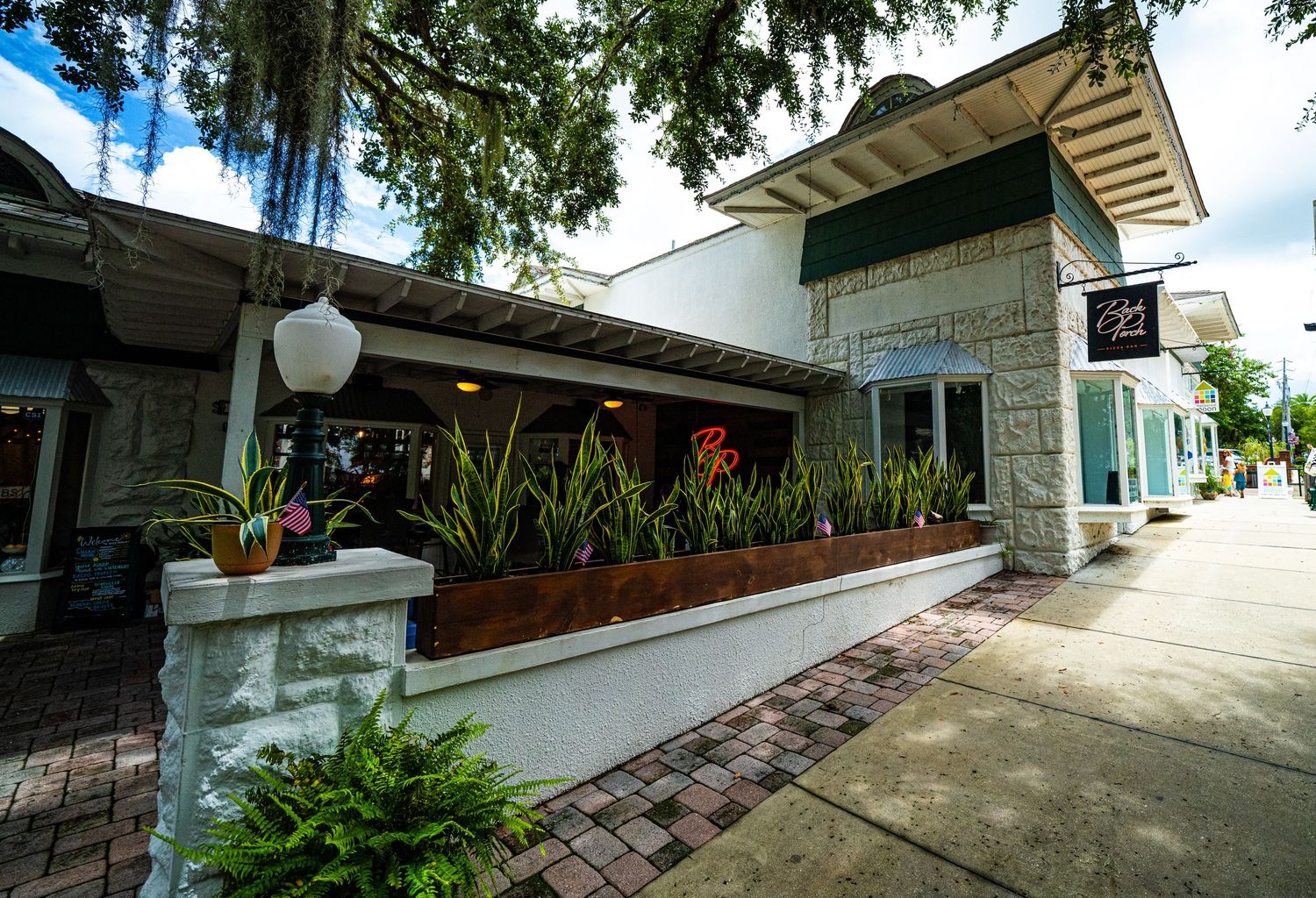
From its earliest days, Mount Dora embodied Southern charm and cultural ambition. Pioneers like the Drawdys, Simpsons, and Tremains fostered an environment rich in festivals and community spirit—Chautauqua gatherings by Lake Gertrude, winter retreats for hunters and fishermen, and the establishment of public parks and infrastructure through the early 20th century. By the 1920s, streetlights glowed, paved roads were laid, and the community building became a hub for performances and meetings.
Although Mount Dora generally avoided the darker chapters seen elsewhere in Florida, a free Black community lived here from the 1850s onward, with many working in dairies, sawmills, and hotels. This speaks to an early, quiet resilience amid a segregated state—a foundational truth that helped shape the town’s inclusive soul.
Today, Mount Dora is celebrated as “Festival City,” hosting the Craft Fair, Arts Festival, Blueberry Festival, and Scottish Highland Games—events that draw hundreds of thousands of visitors to its historic district each year. It's freshwater lighthouse, built in 1988, still keeps watch over the lakefront, and its downtown—lined with antique shops and period architecture—has an enduring vintage charm.
Mount Dora’s history is not just a tale of names and dates—it’s a testament to community ambition, survival, and transformation. From its rugged beginnings to its cultural renaissance, it remains a timeless example of Florida’s small-town heart.
Cocoa
Cocoa, Florida, is a place with origins as humble as its name suggests—some say it came from sailors calling out “Cocoa!” in search of hot chocolate, others think it was taken from a tin-marked Baker’s Cocoa box used to hold mail by the river. Either way, the name stuck as the settlement along the Indian River took shape in the early 1860s, when fishing families established roots around Magnolia Point. By 1882, Captain R. A. Hardee had laid out the first plats under the initial name "Indian River City," but when the U.S. Post Office objected, the town embraced the unique name "Cocoa" and was officially chartered in October 1895.
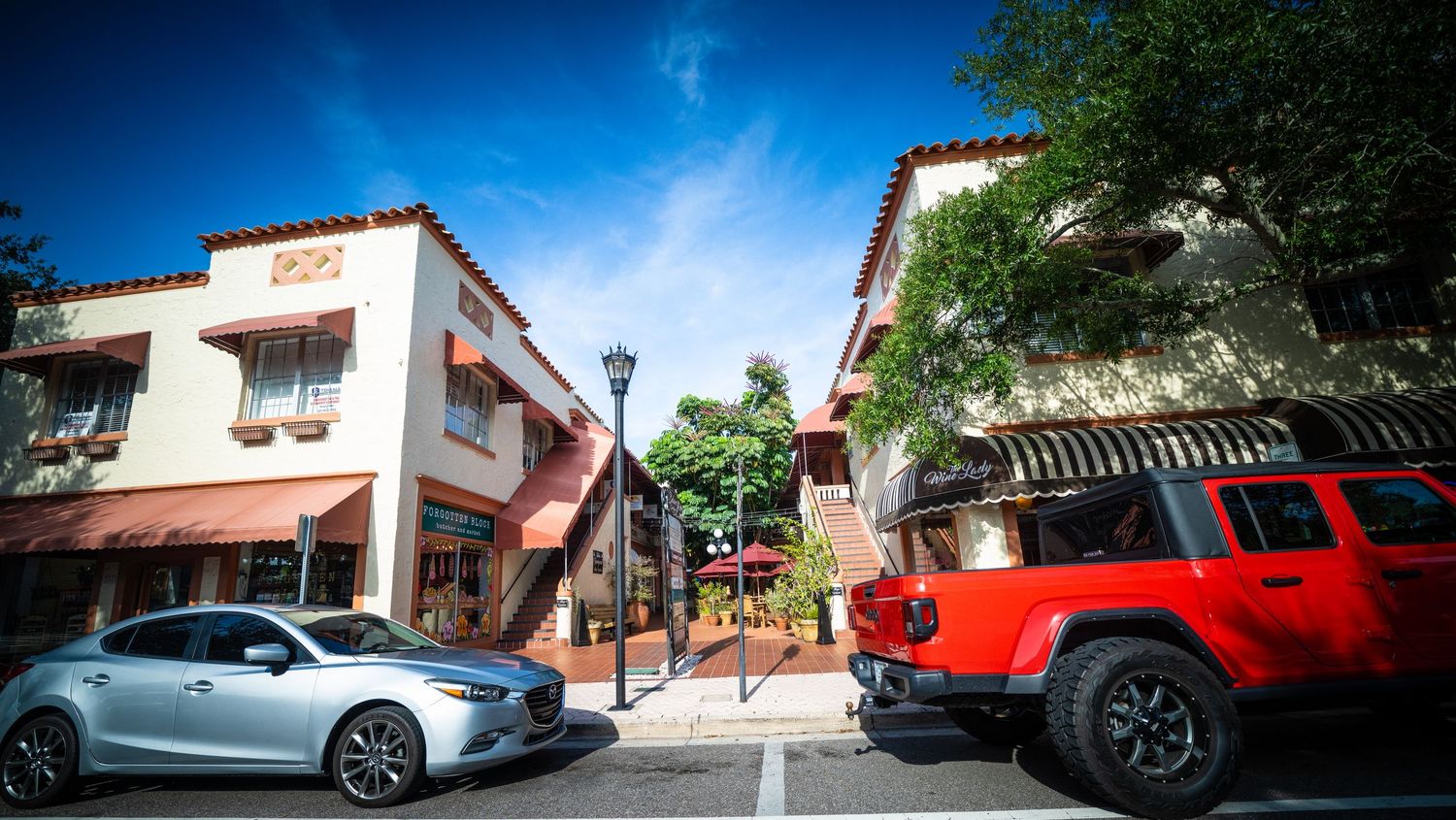
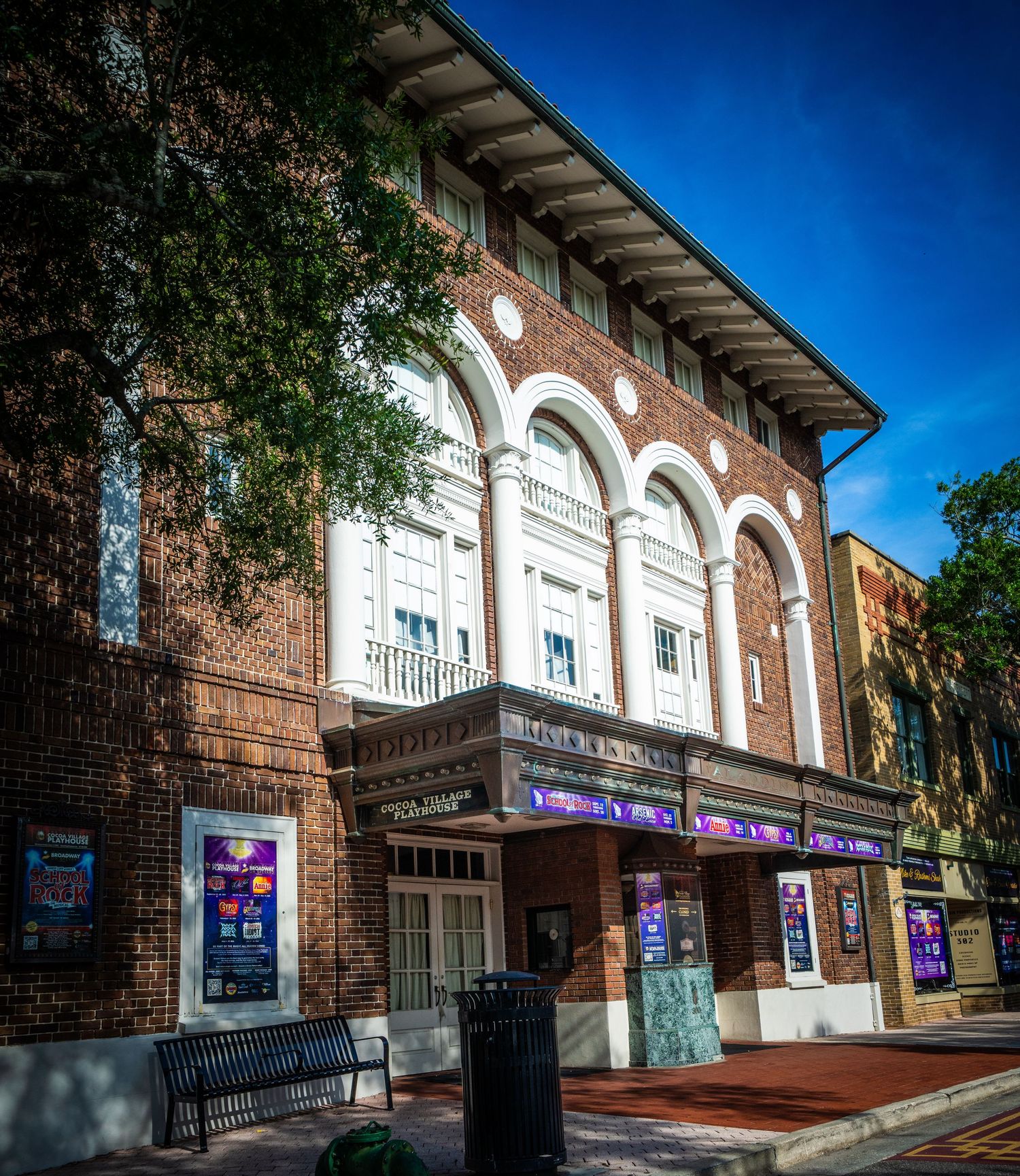
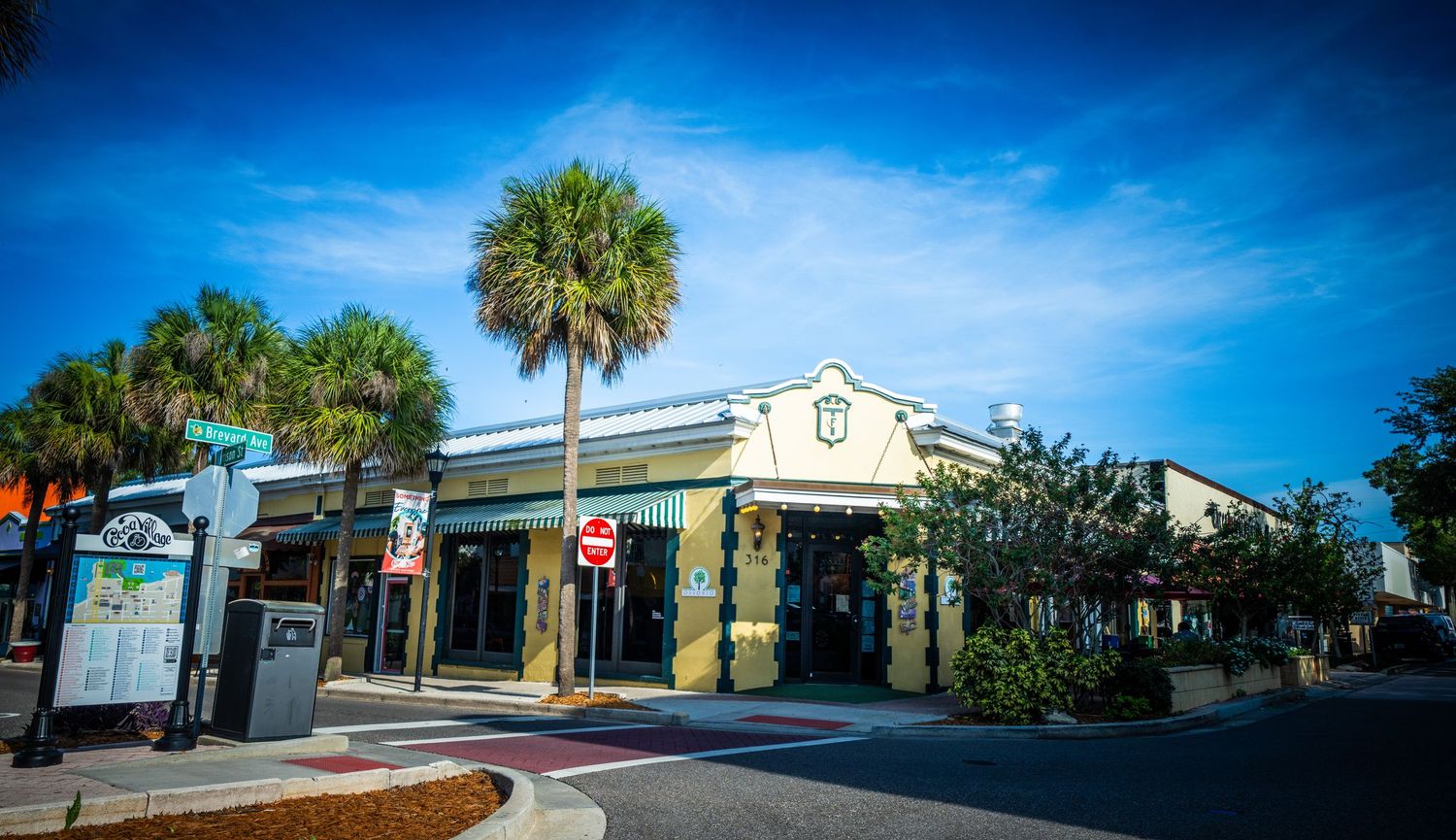
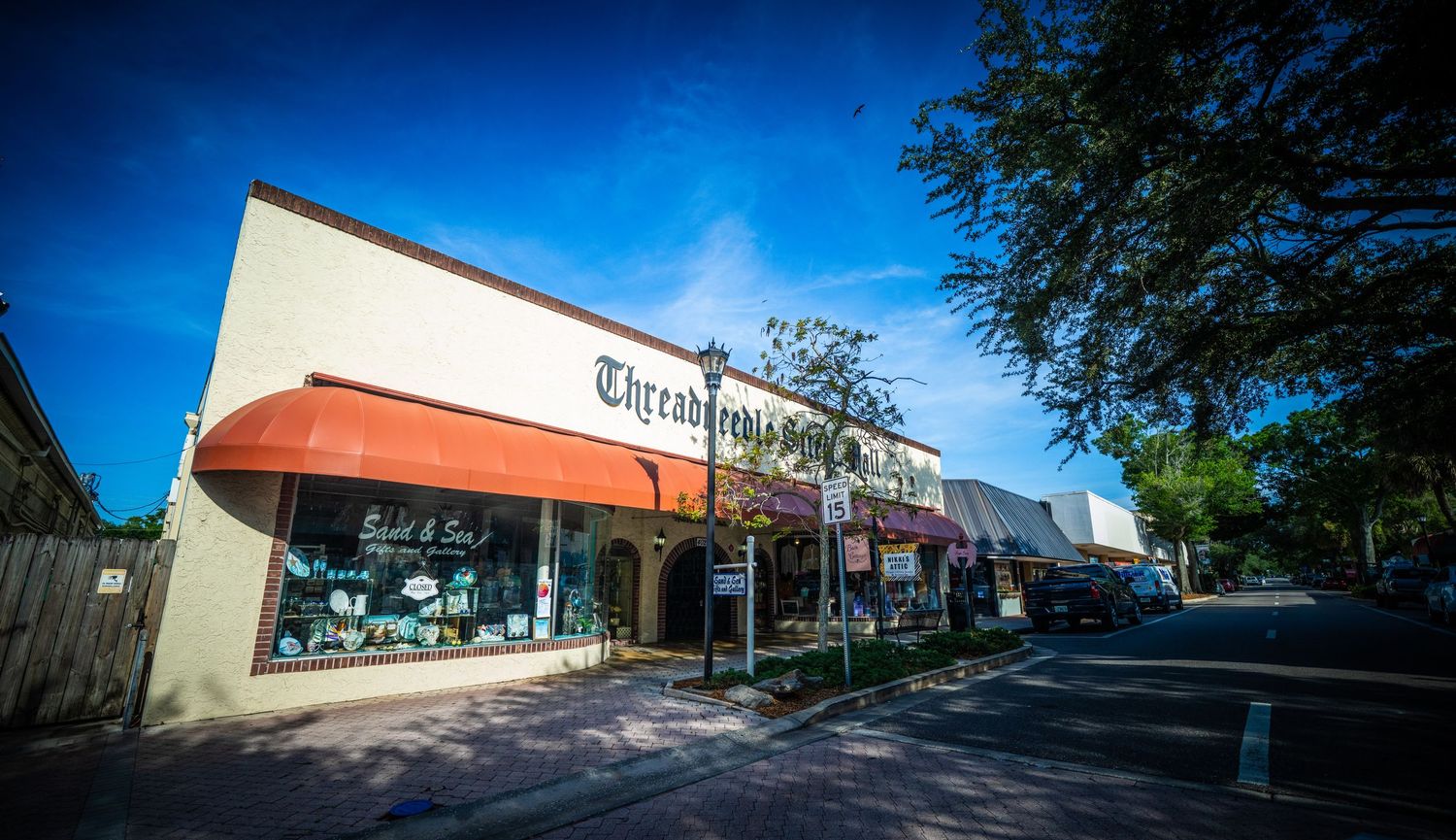
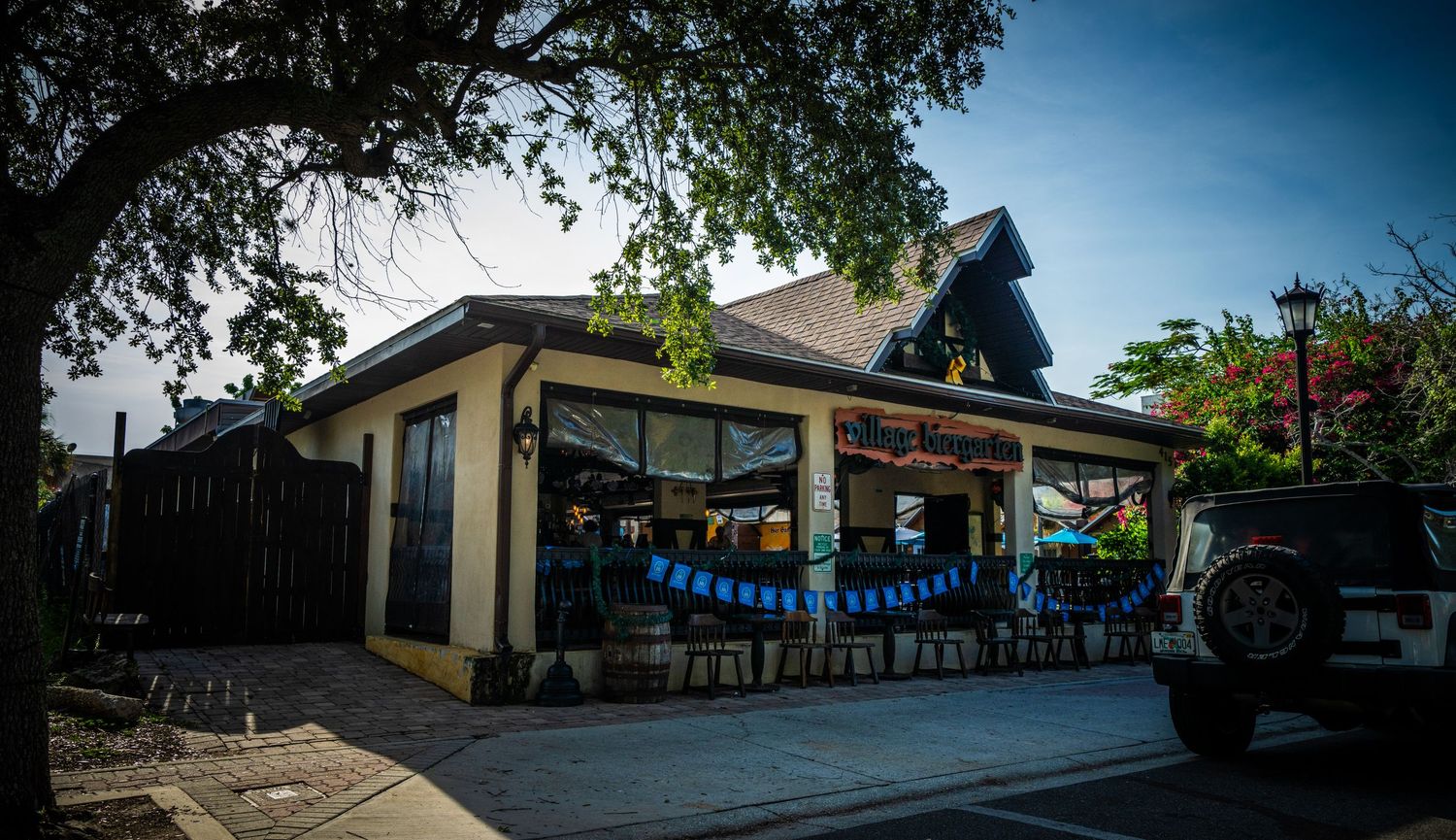
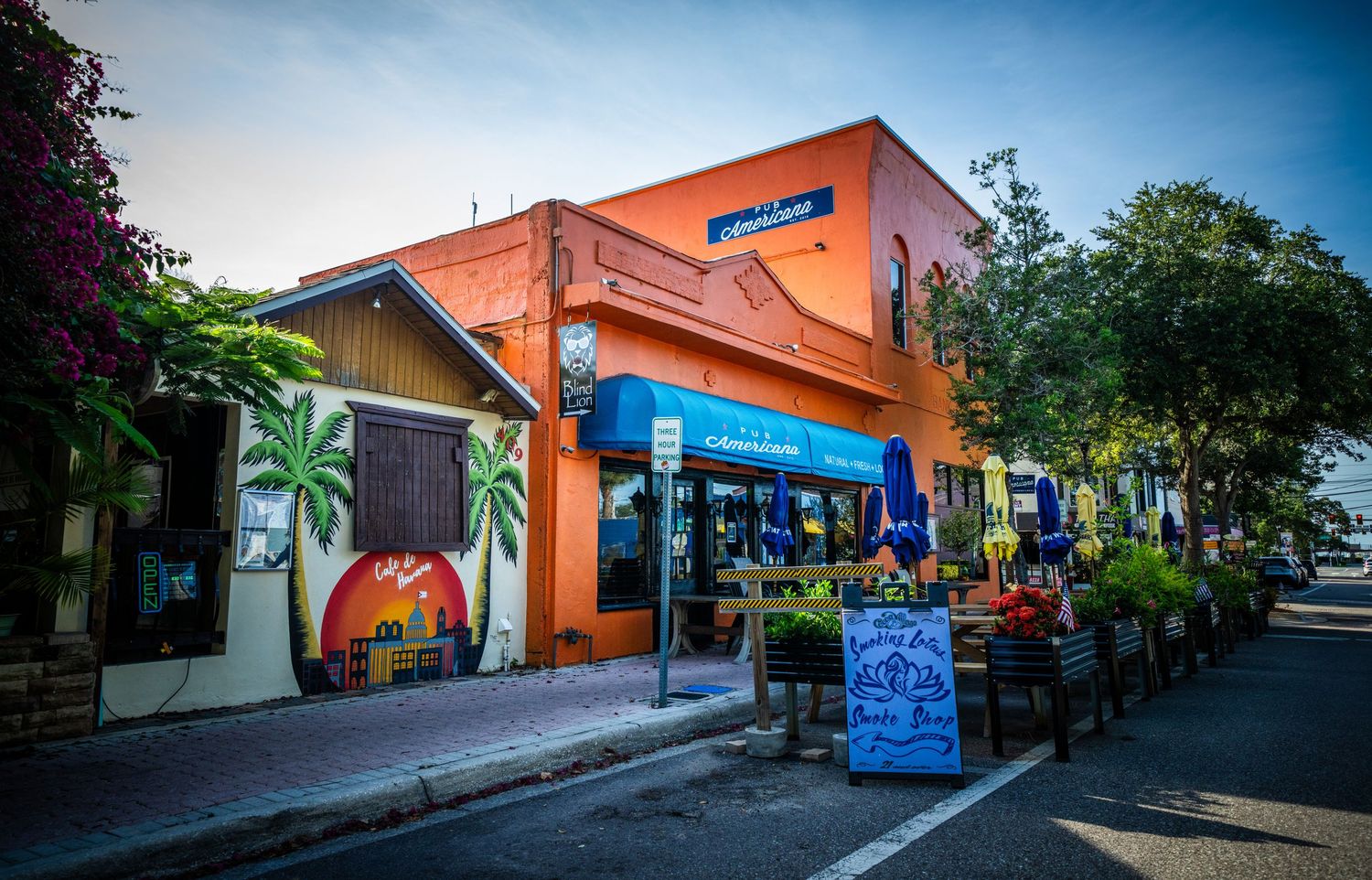
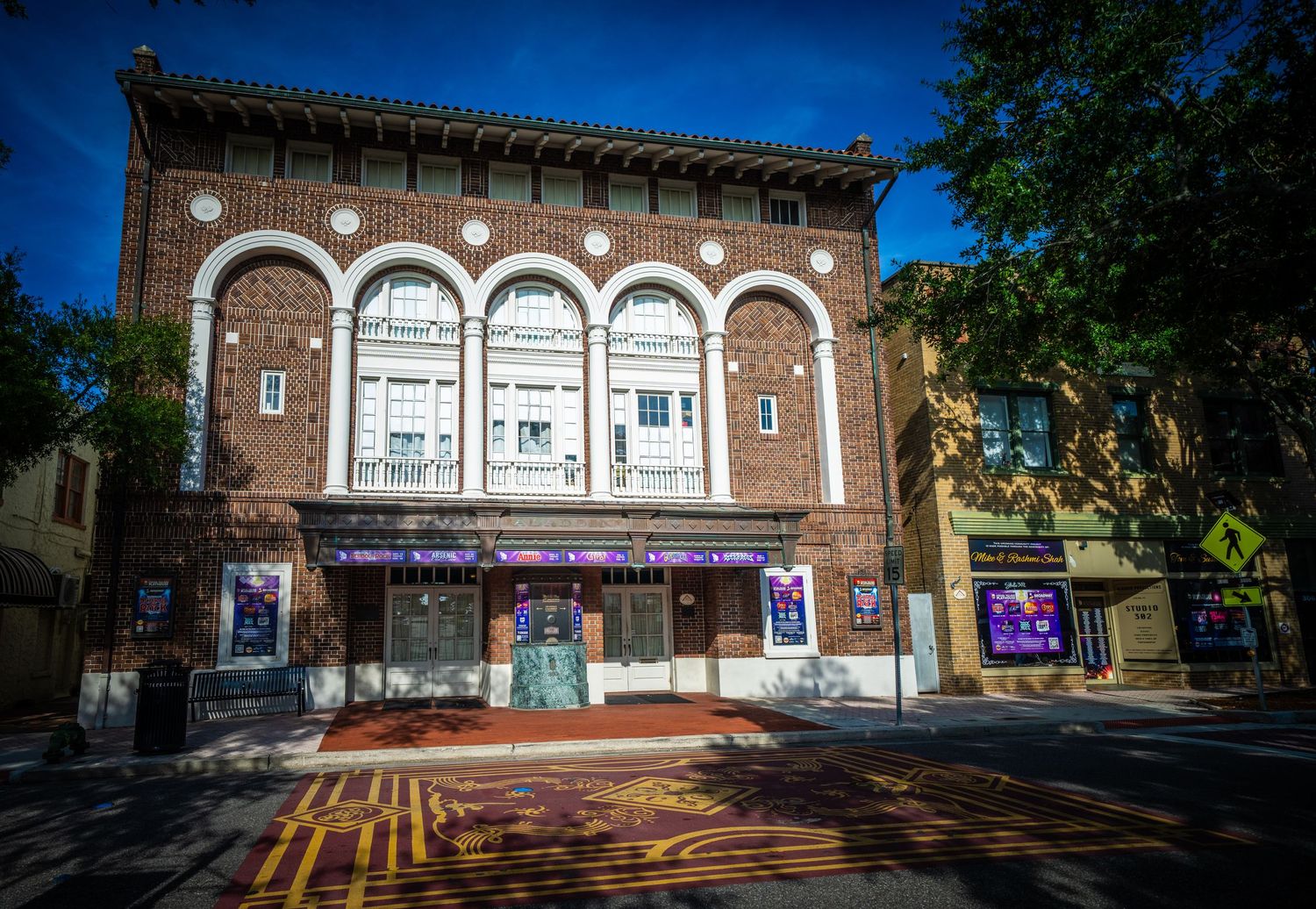
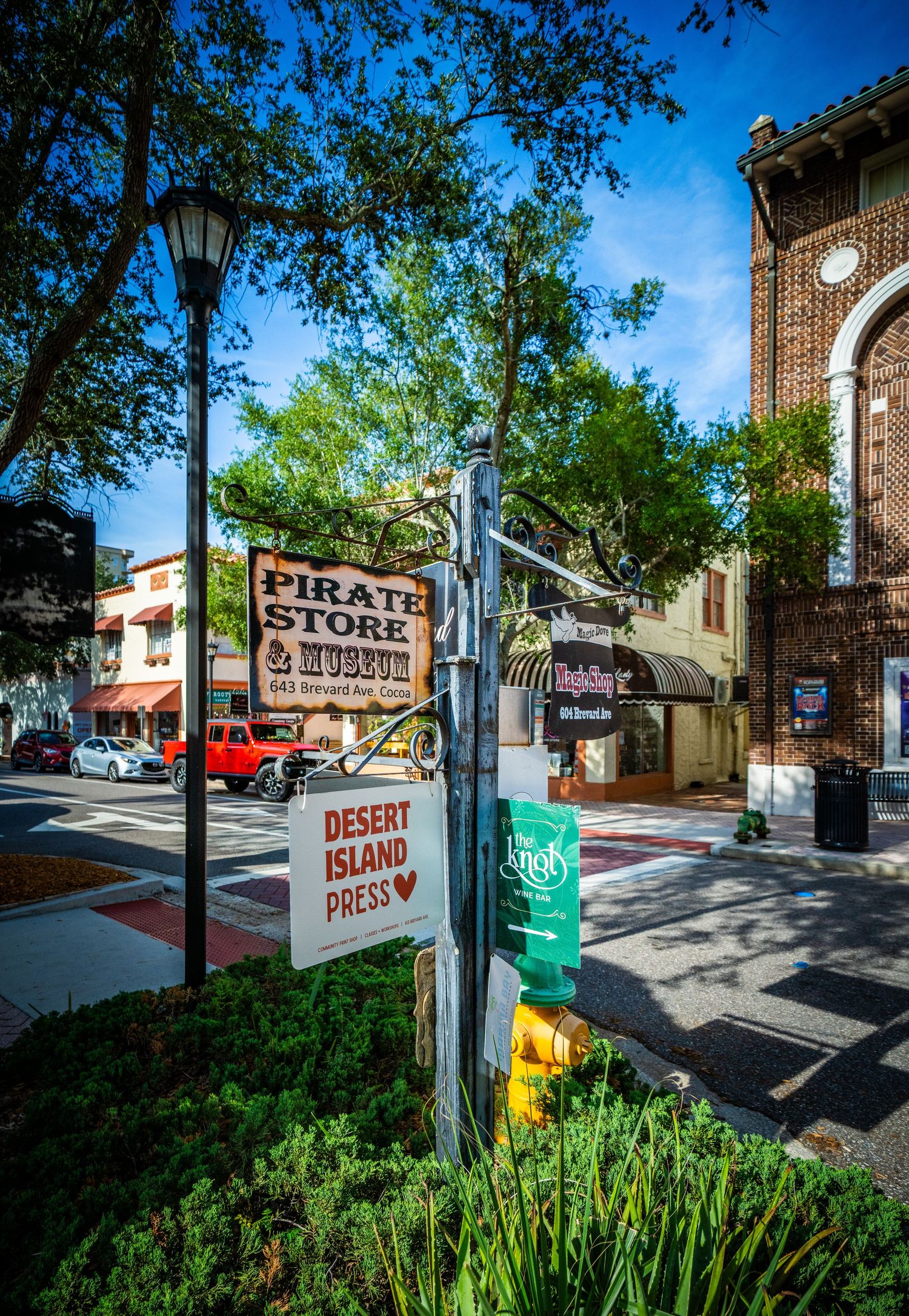
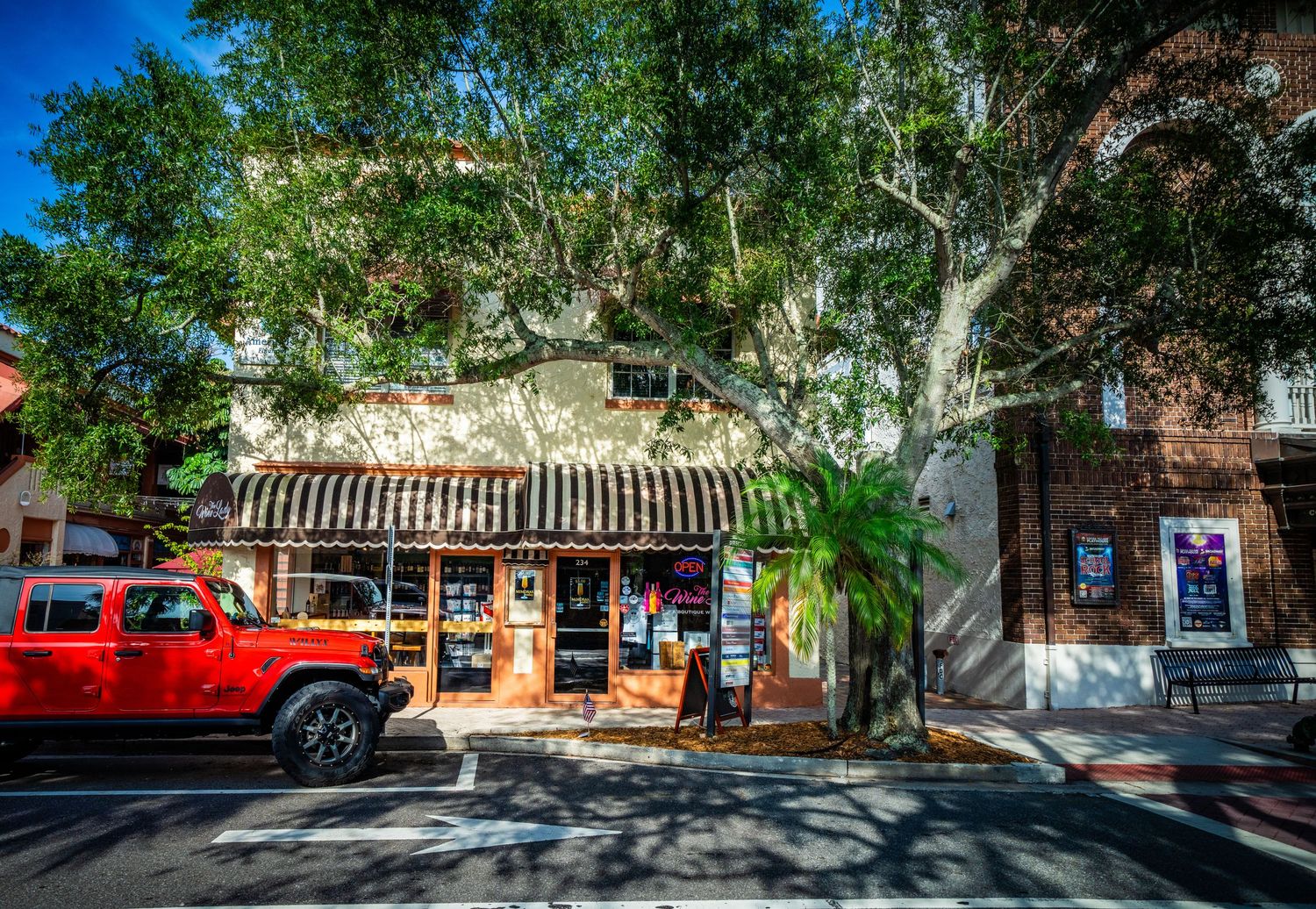
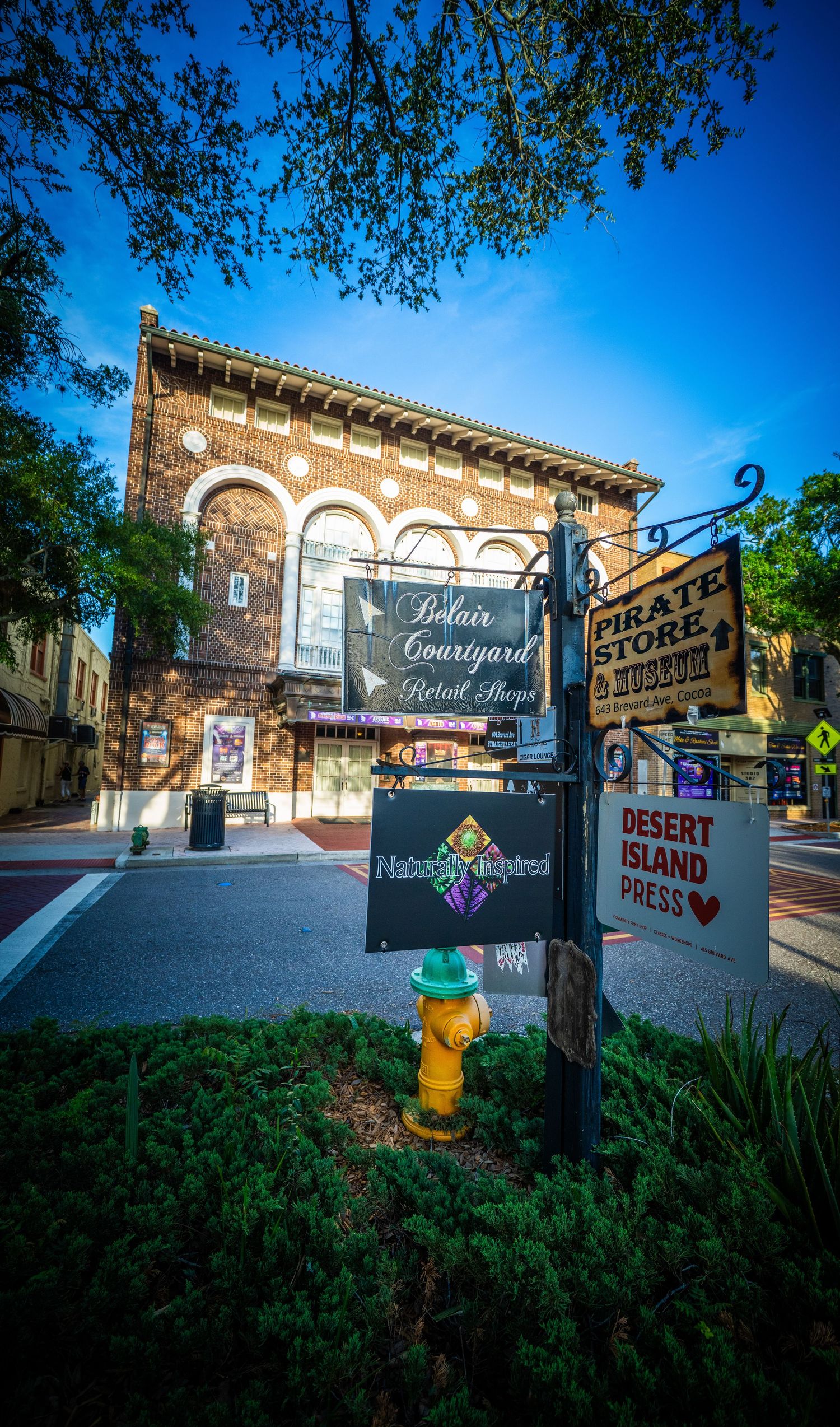
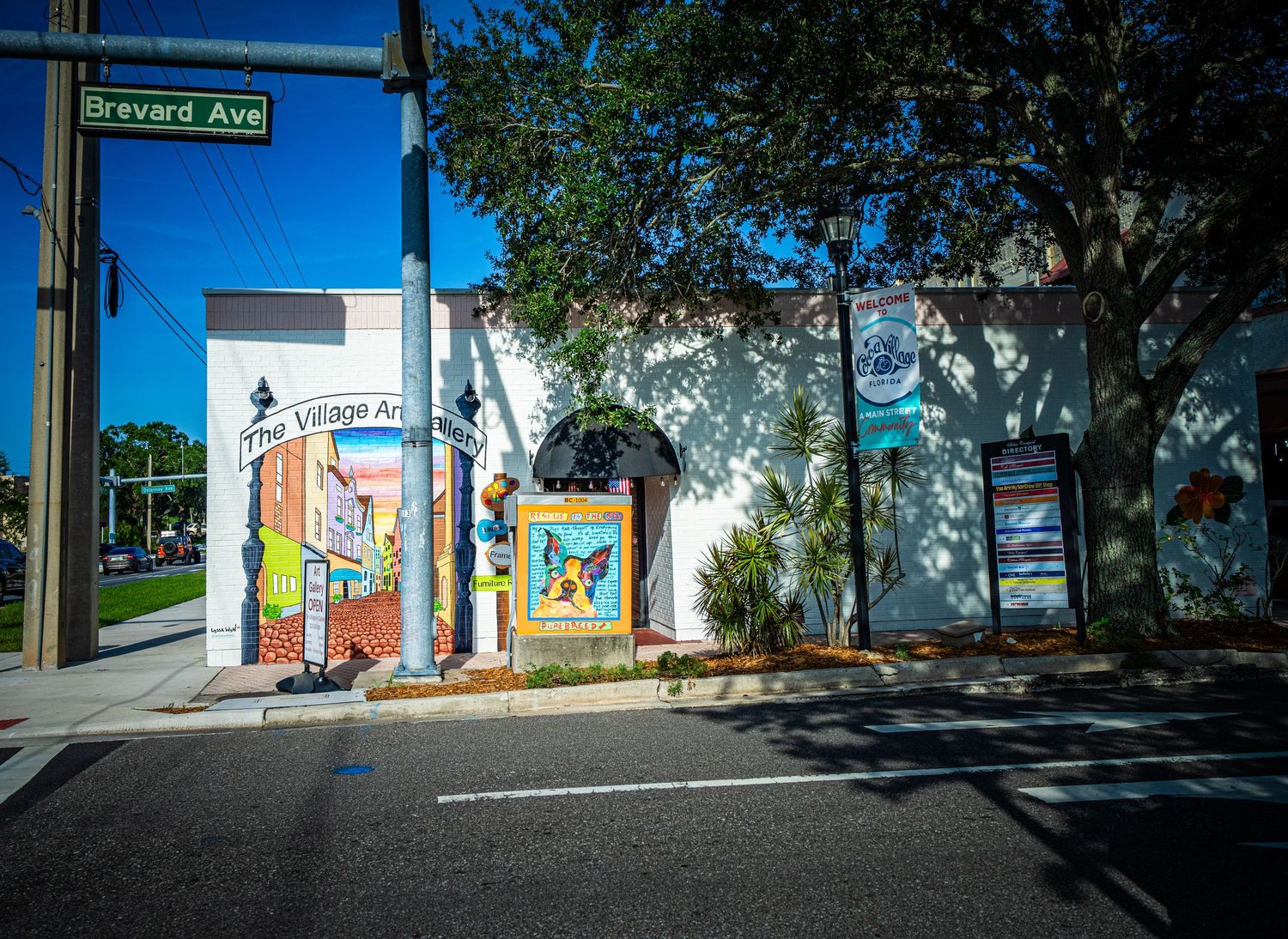
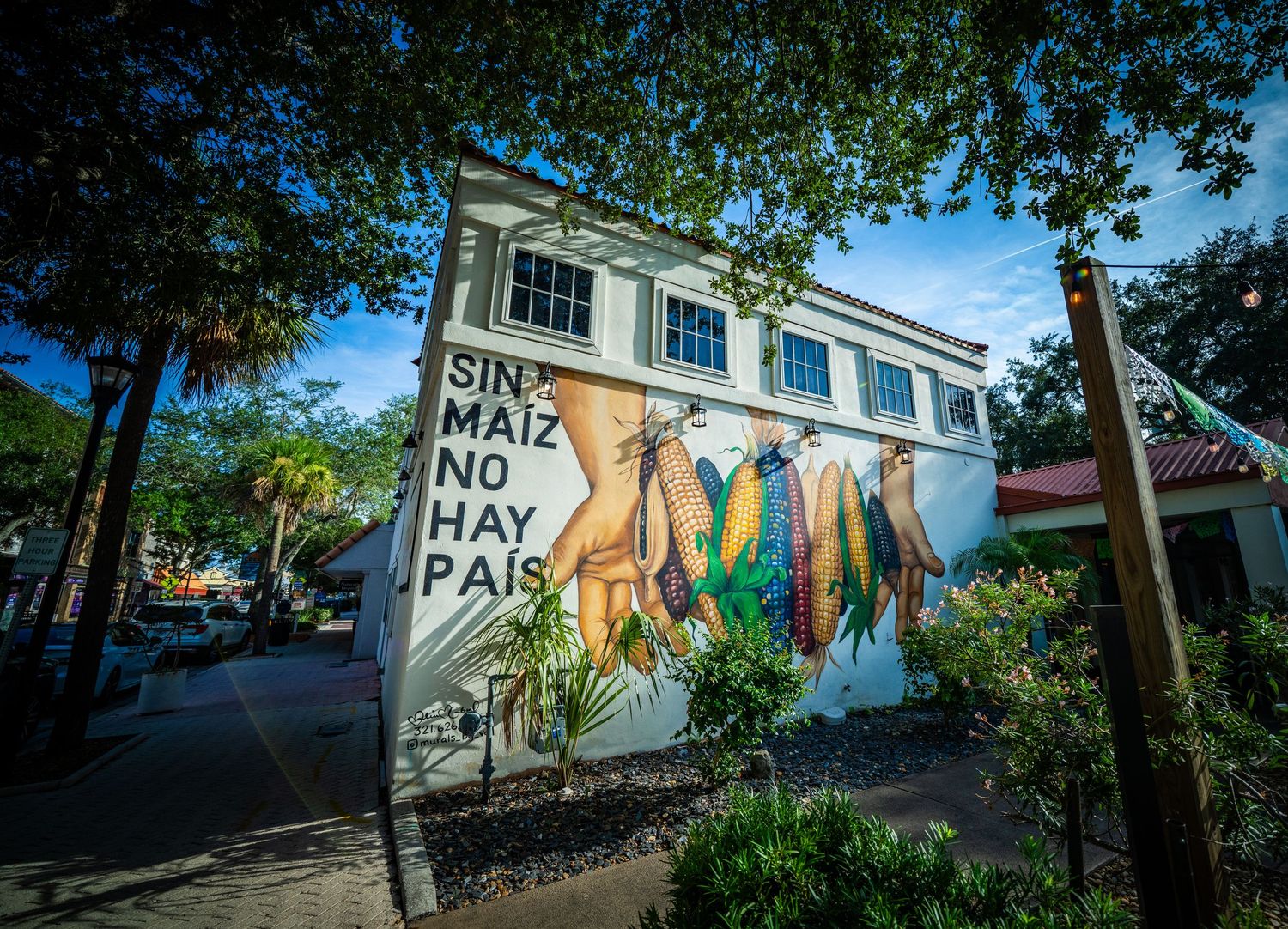
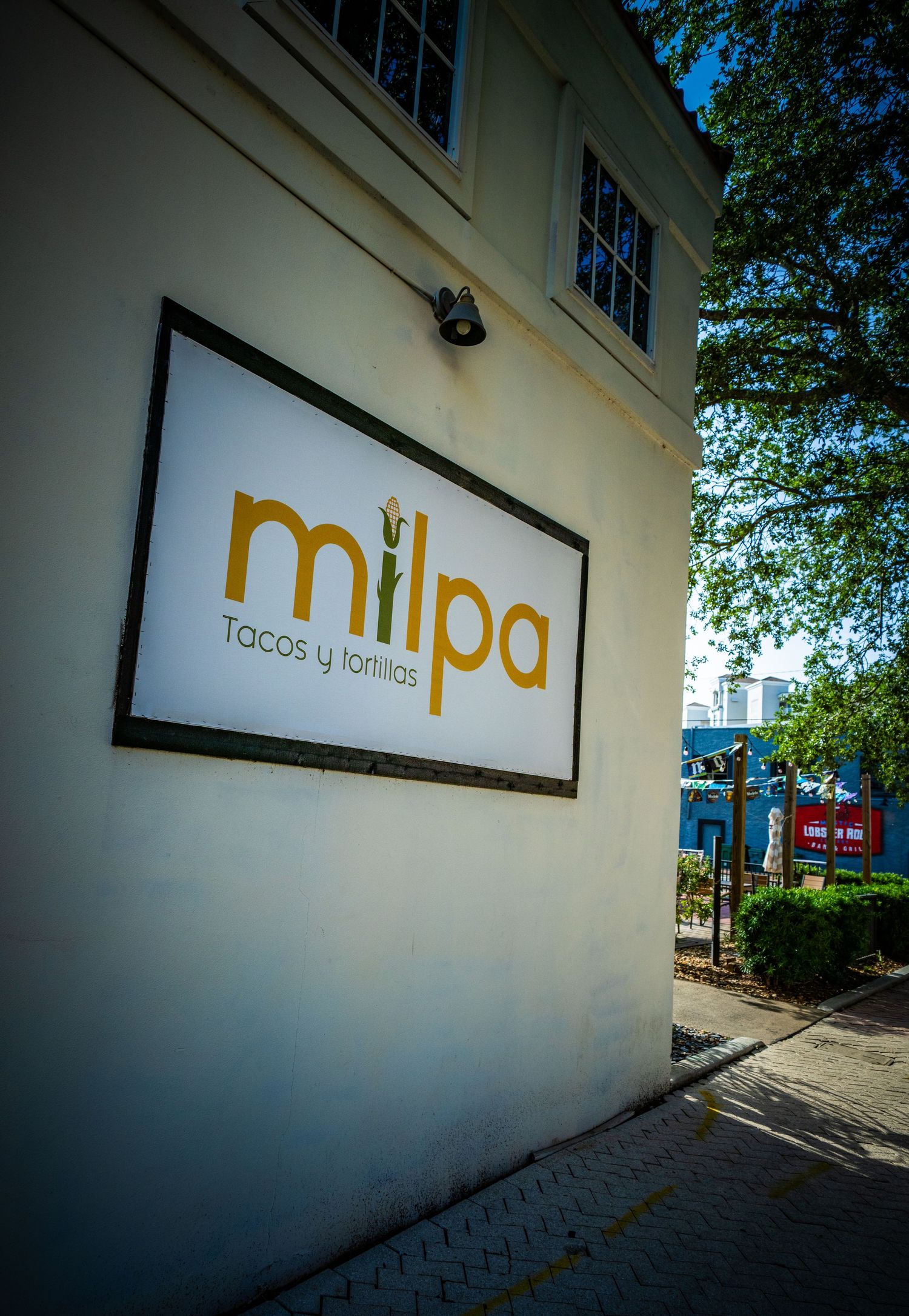
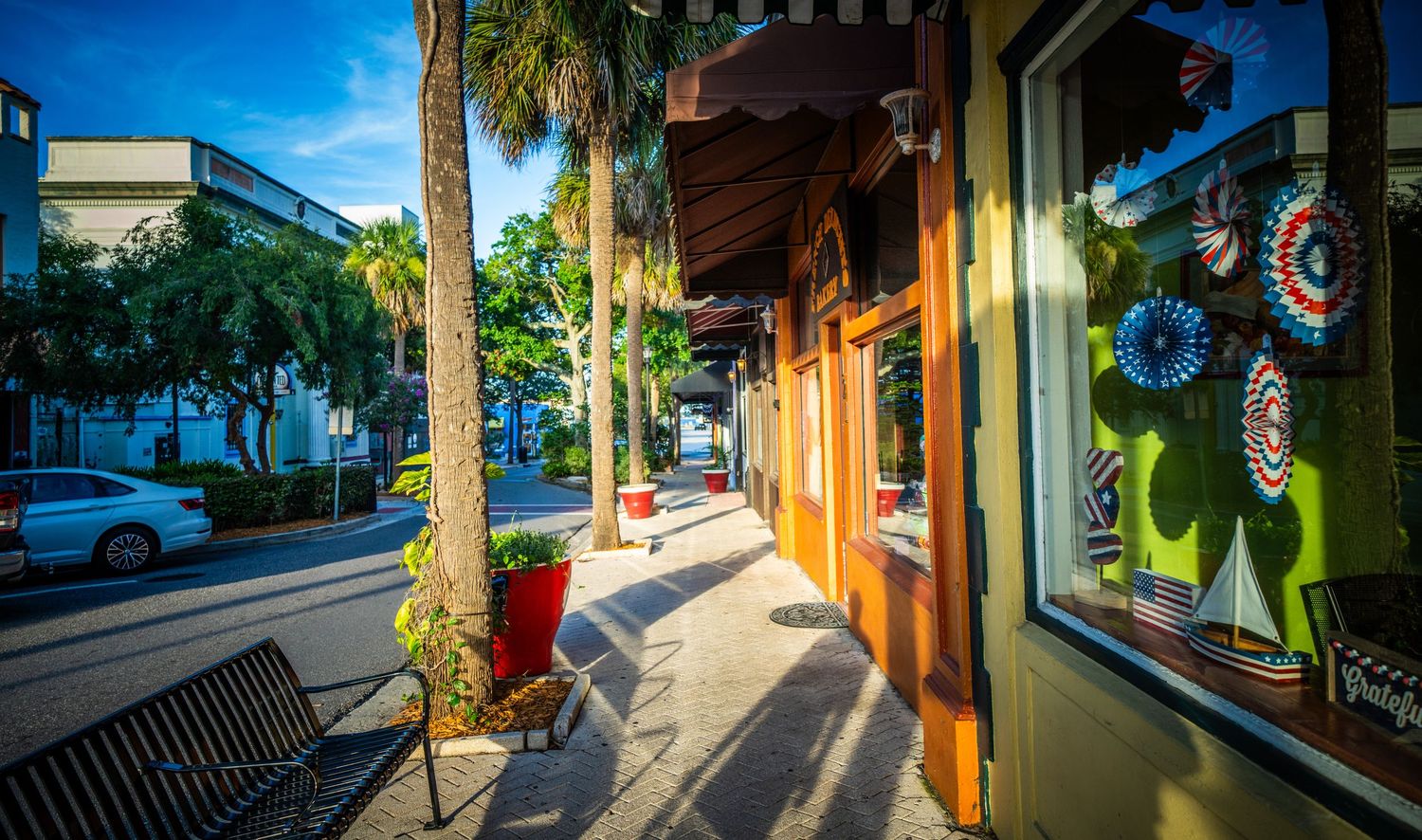
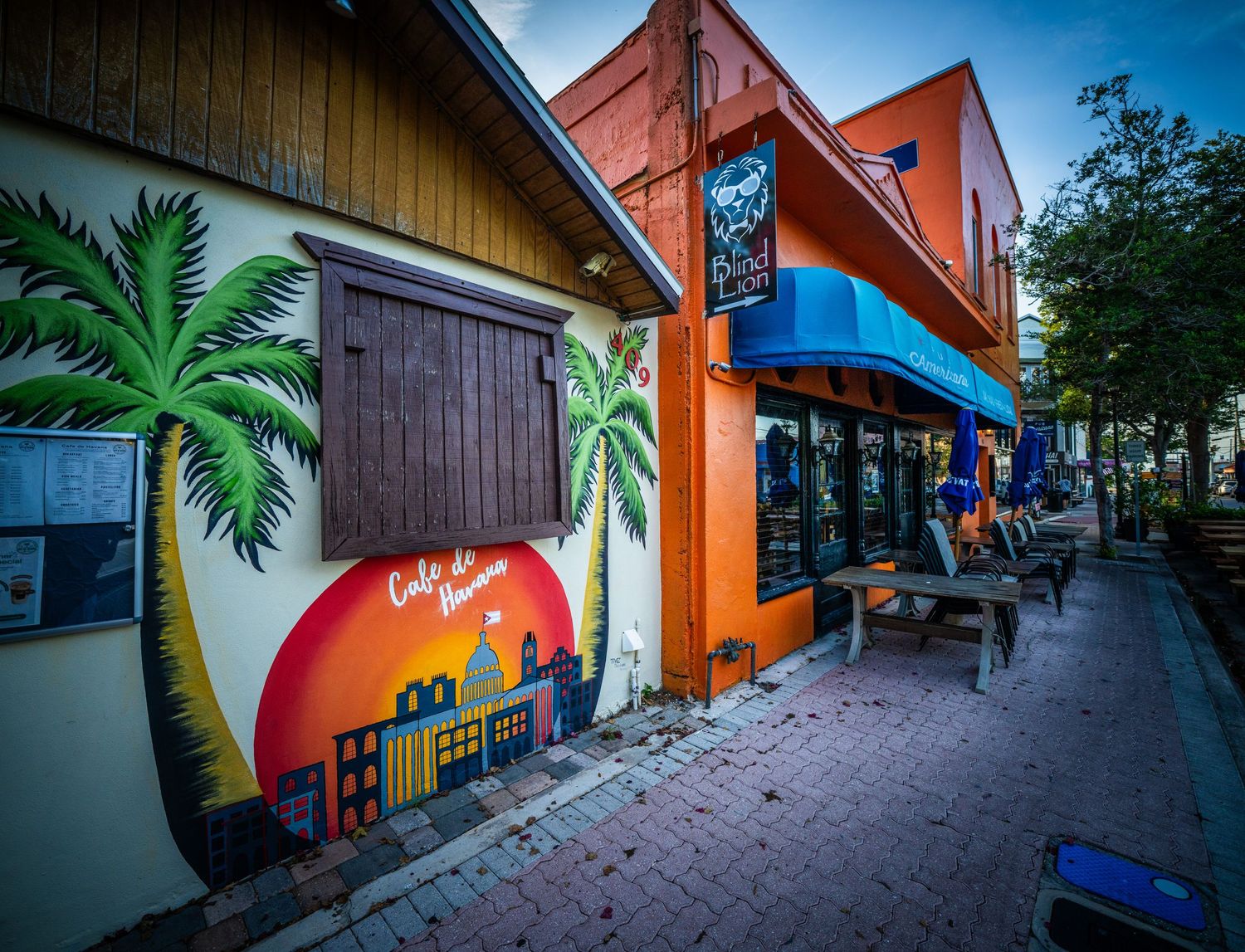
The arrival of the railway in the late 1880s, despite a devastating “Great Freeze” of 1894–95 that crippled the citrus industry, ushered in recovery. By the turn of the century, Cocoa was permanently rebounding—in 1890, its business district had been leveled by fire, but the railroad’s presence revived river trade and attracted new residents. A water tower painted with the American flag in 1976 later became a local icon, remodeled in 2014, to symbolize the town’s endurance.
Yet Cocoa’s story is incomplete without acknowledging its civil rights chapter. From 1923 to 1954, Cocoa Junior High School—built with support from the Rosenwald Fund—served Black students during segregation. Teachers like Harry T. Moore and principal John E. Gilbert led early efforts for pay equity in the 1938 case Gilbert v. Board of Public Instruction of Brevard County, though the suit was dismissed.
Moore, already instrumental in nurturing the Brevard County NAACP and later the Progressive Voters League, was tragically assassinated in 1951—the first martyr in the modern civil rights movement. The mid-century Space Age brought another transformation: Cocoa’s population leapt as Cape Canaveral launches drew in workers and tourists. From under 3,100 residents in 1940, the city swelled to over 12,000 by 1960. Cocoa Stadium even hosted Houston Astros spring training from 1964 to 1984, further cementing the city in the public eye.
But just as earlier eras ended—after desegregation, when Cocoa Junior High shuttered in 1954, and after the Astros departed—Cocoa managed to pivot and endure. Today, Cocoa is more than a gateway to the Space Coast—it’s a thriving historic core, with Cocoa Village’s Riverfront Park, Aladdin Theater, and the restored post office anchoring a lively downtown.
Its layered history—from fishing settlement to railway hub, segregation battleground to baseball courts—creates a rich tapestry. Quotes and stories from people who built, fought for, and celebrated Cocoa bring its vibrant past into sharp relief. This is a city that’s reinvented itself time and again, and whose next chapters are already unfolding.
Kissimmee
Long before theme parks or vacation rentals dotted the horizon, Kissimmee was defined by its water and wilderness. Tucked along the northern edge of Lake Tohopekaliga—what Native tribes once called the “long water”—this area was originally home to the Jororo people, an indigenous community nearly erased by the 18th century due to European disease and conflict. While the exact origin of the city’s name remains debated, most agree it reflects these early roots and the watery expanse that shaped daily life.
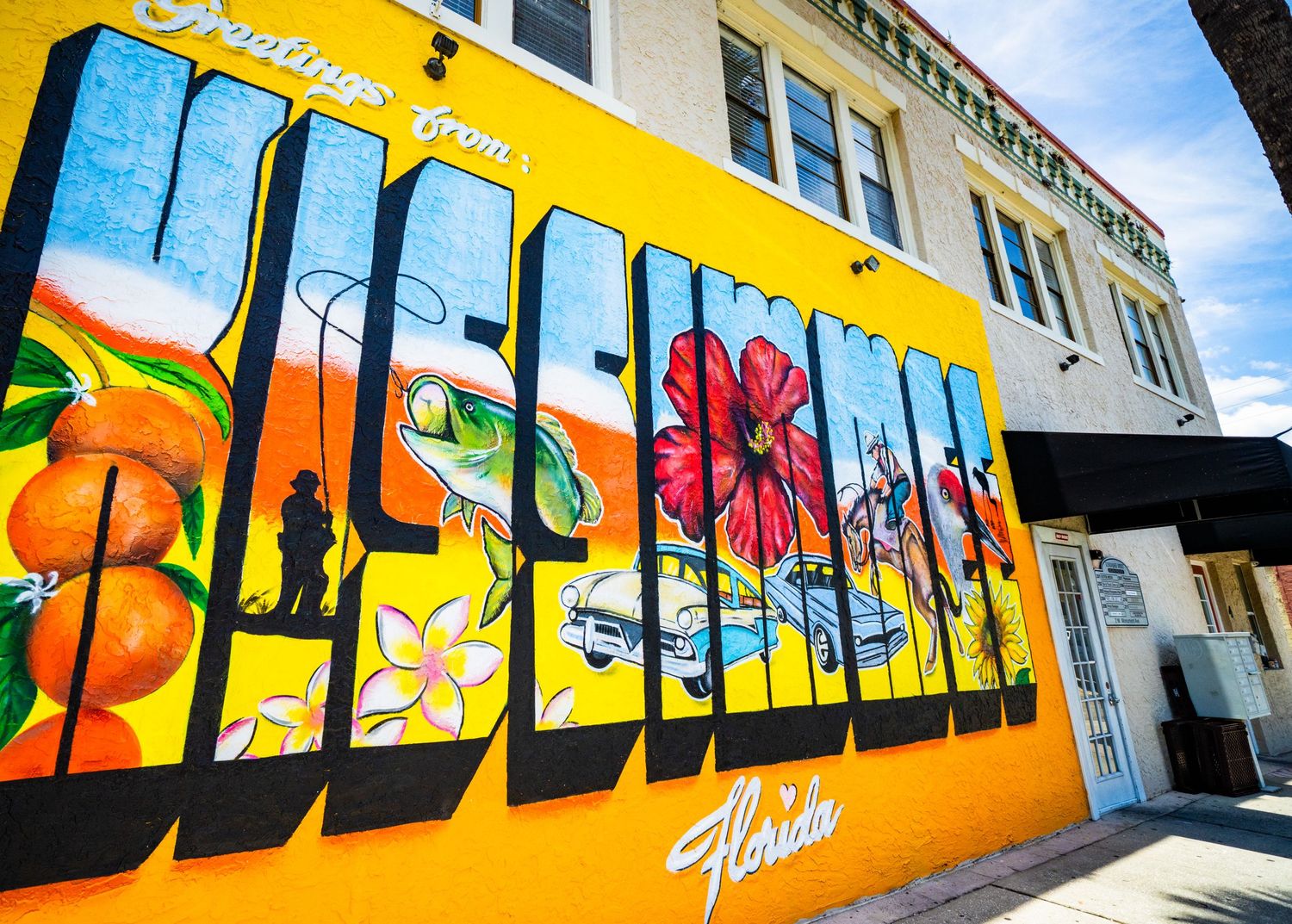
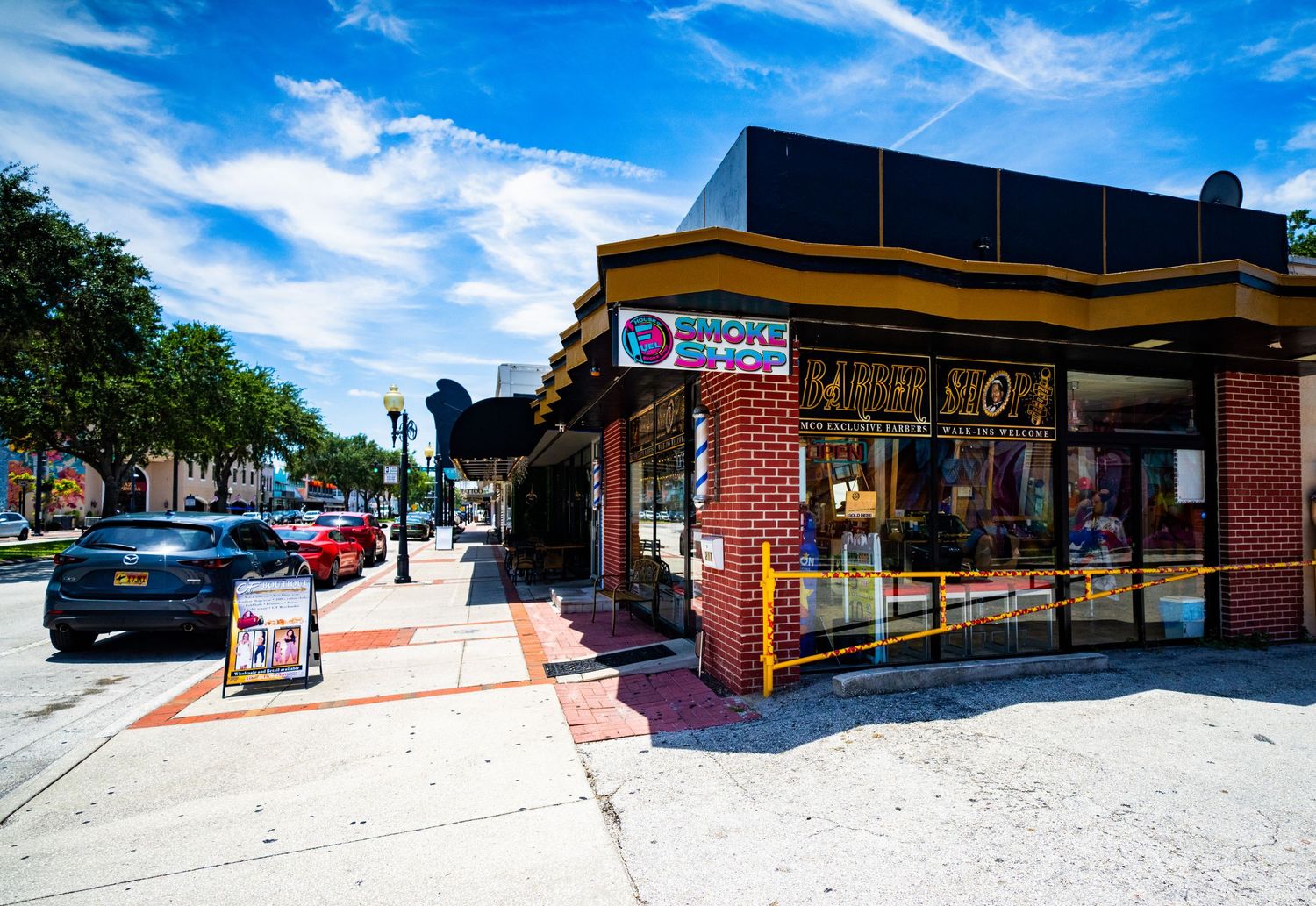
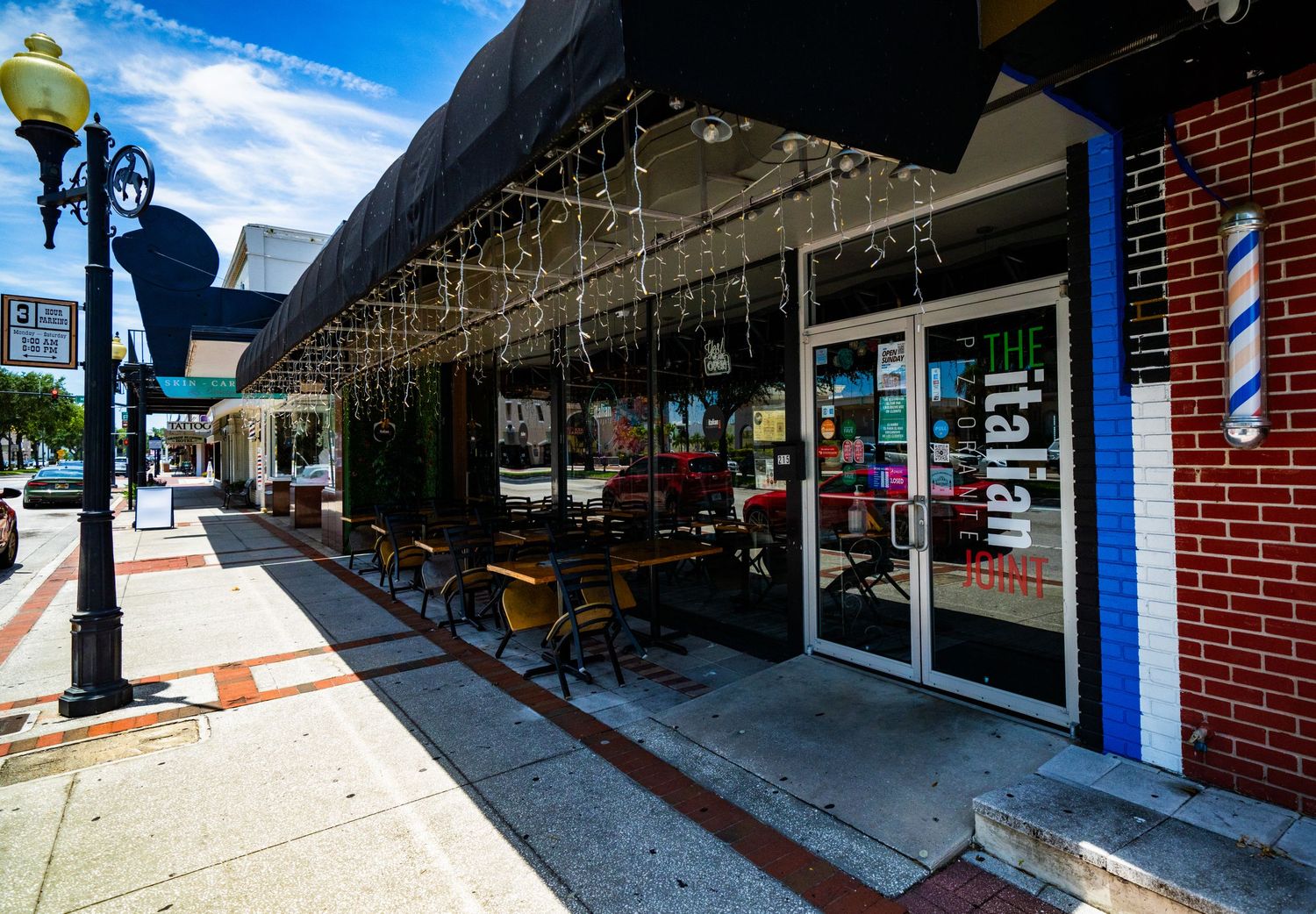
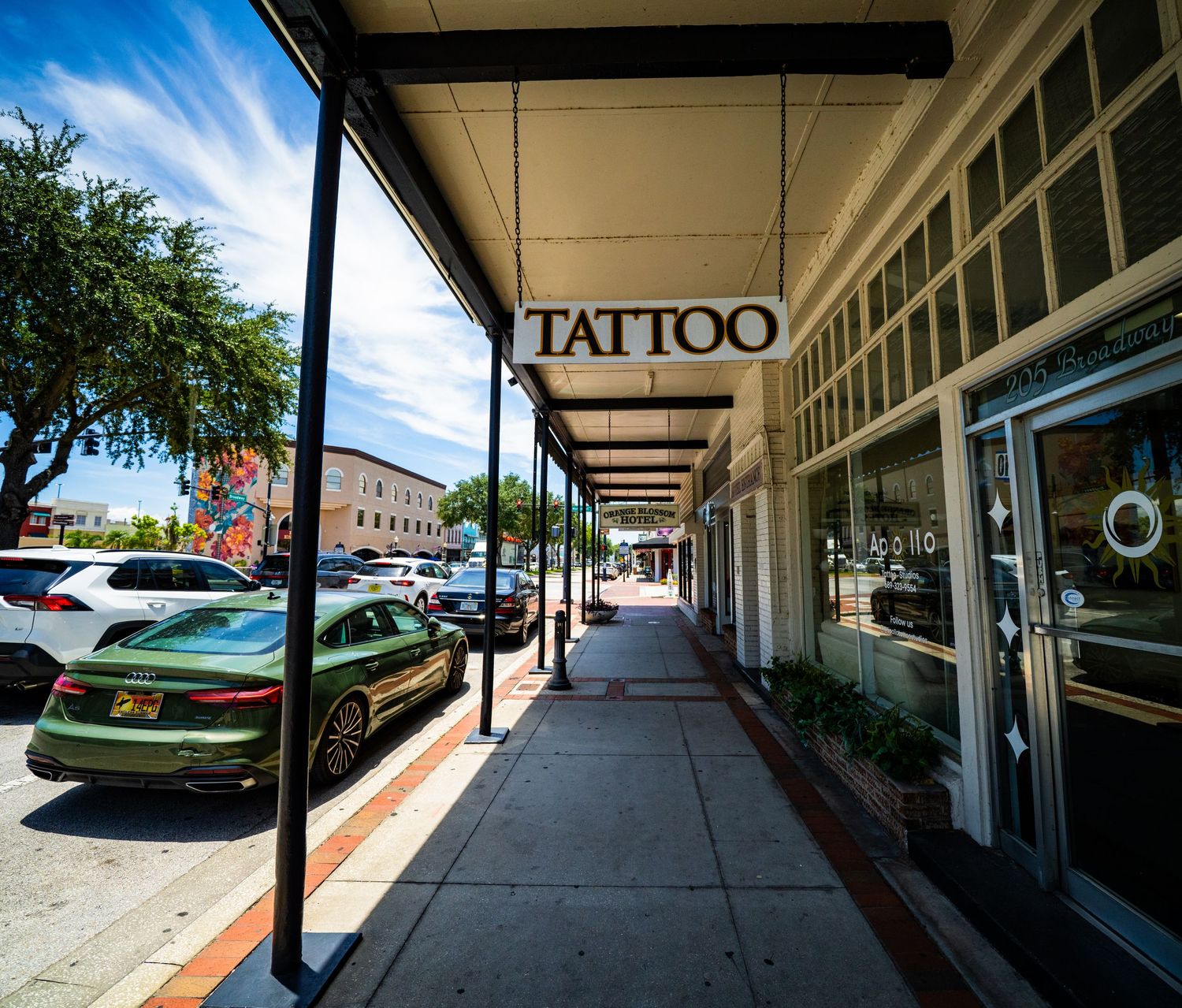
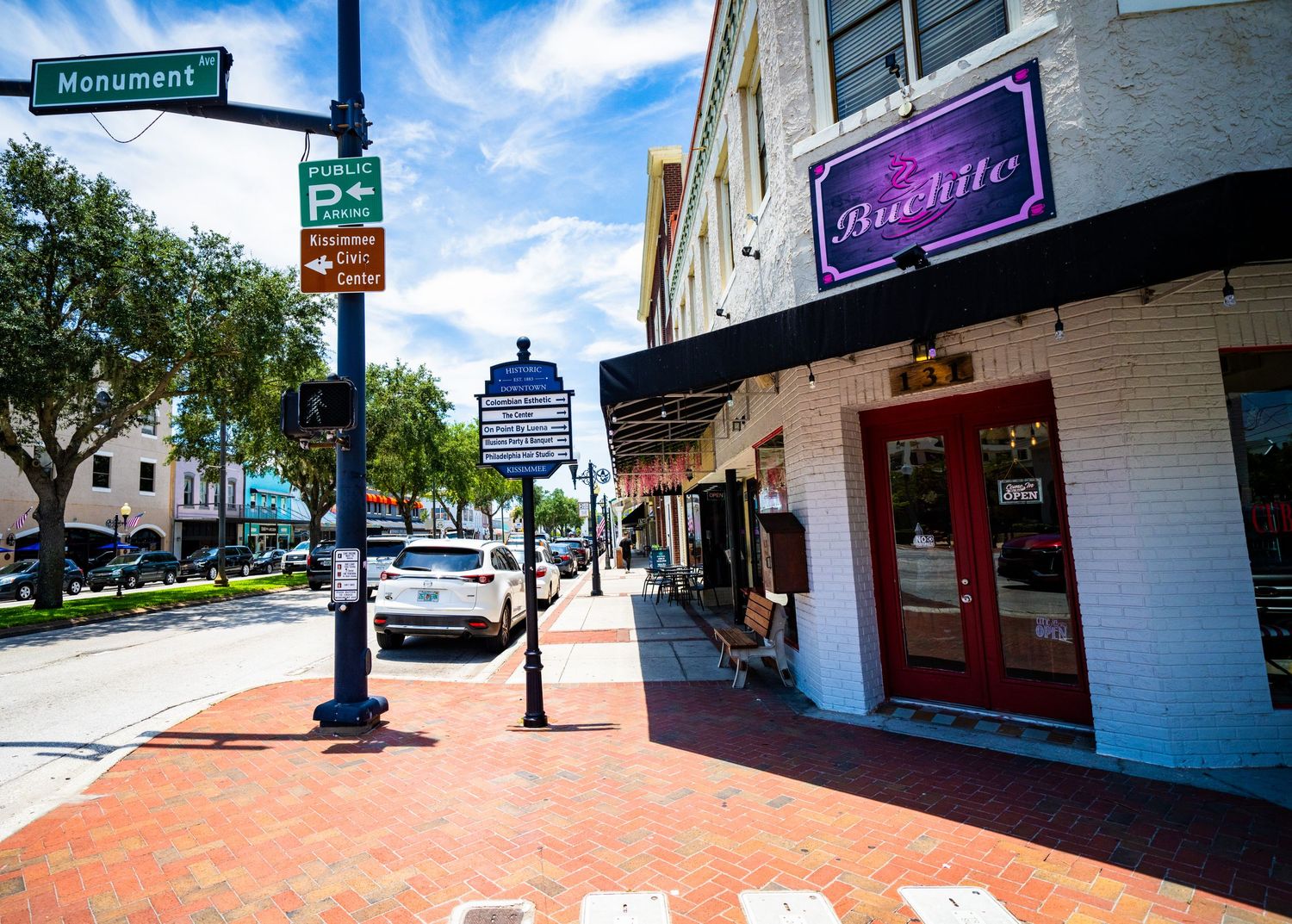
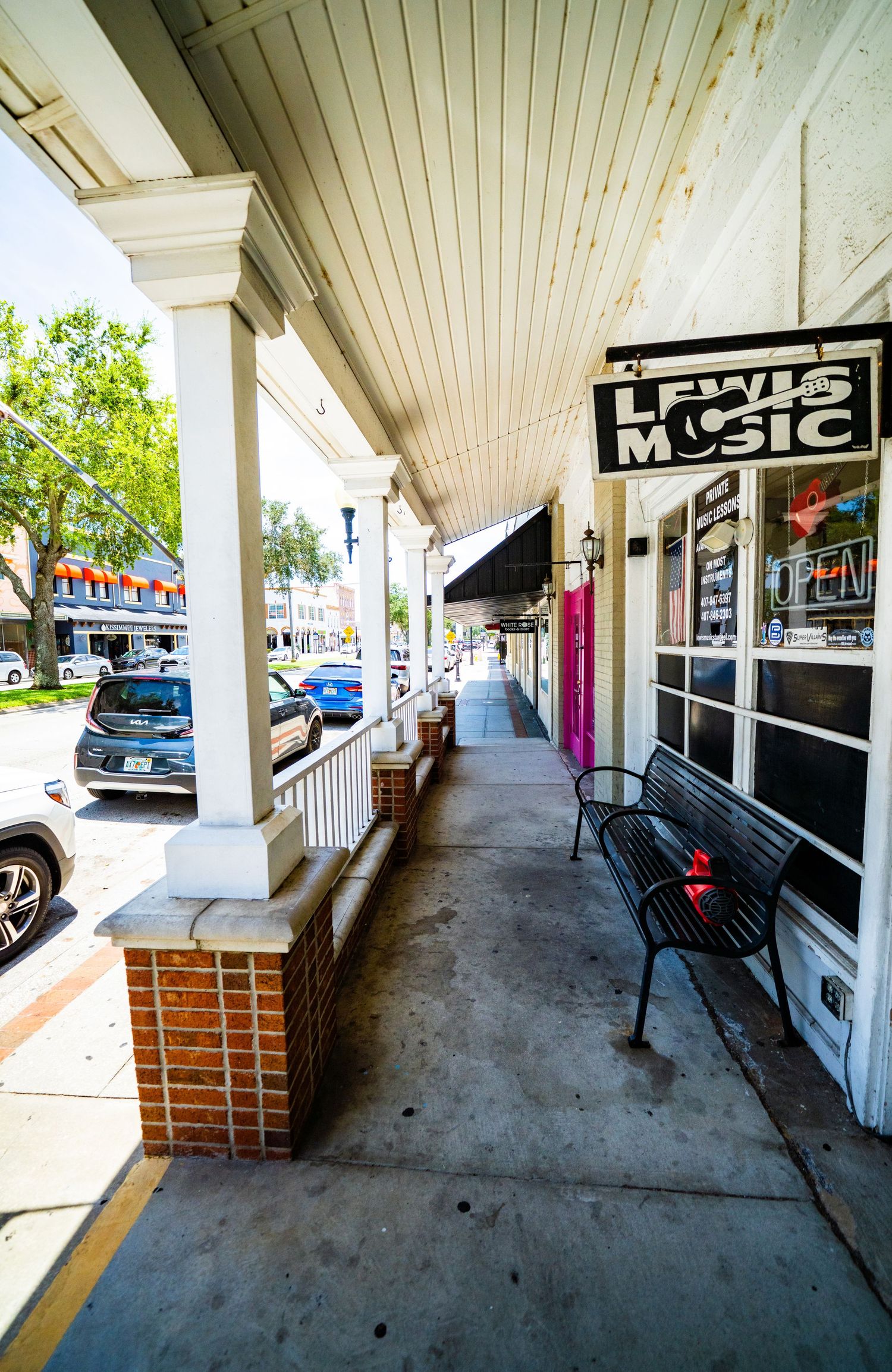
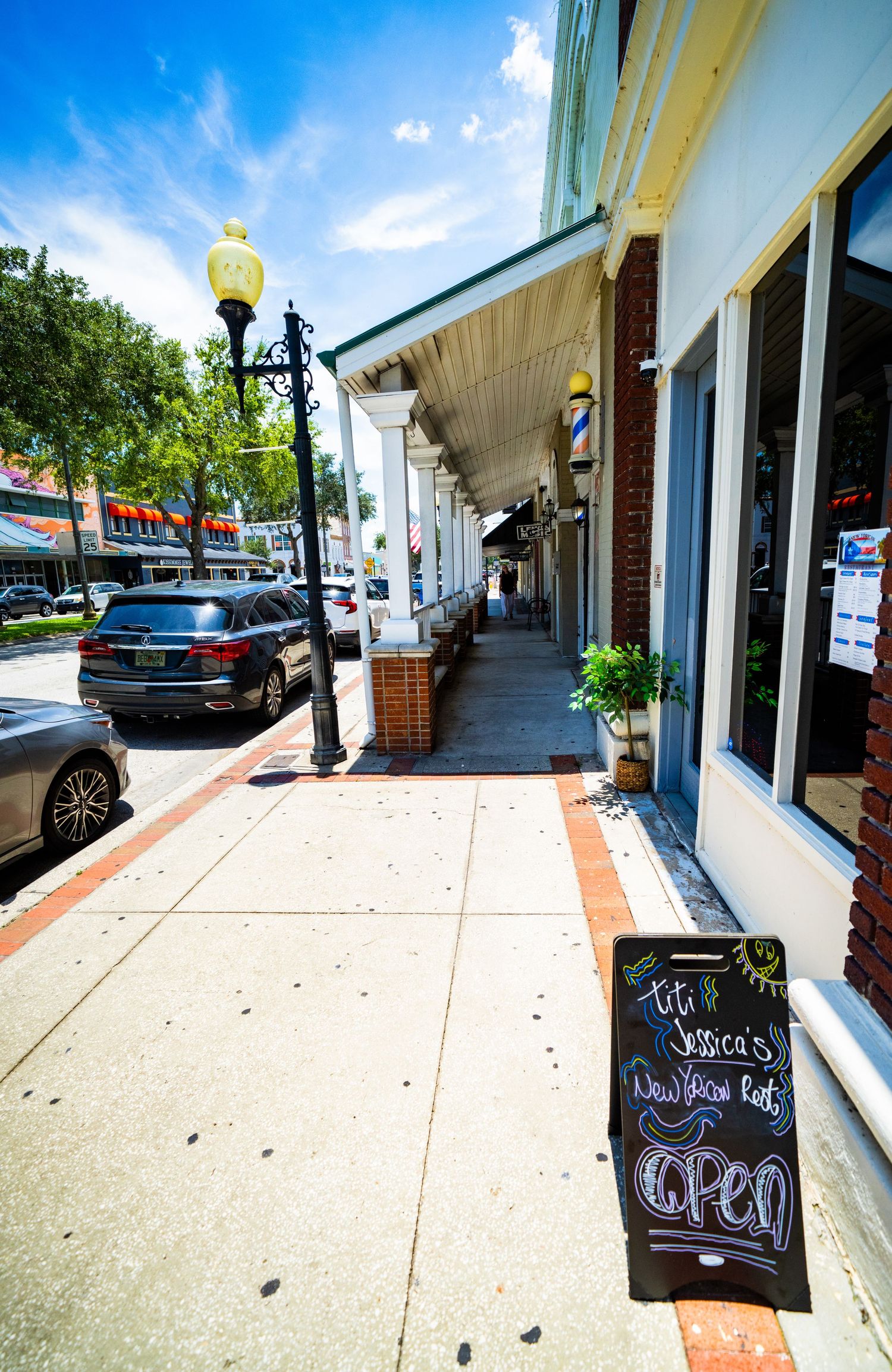
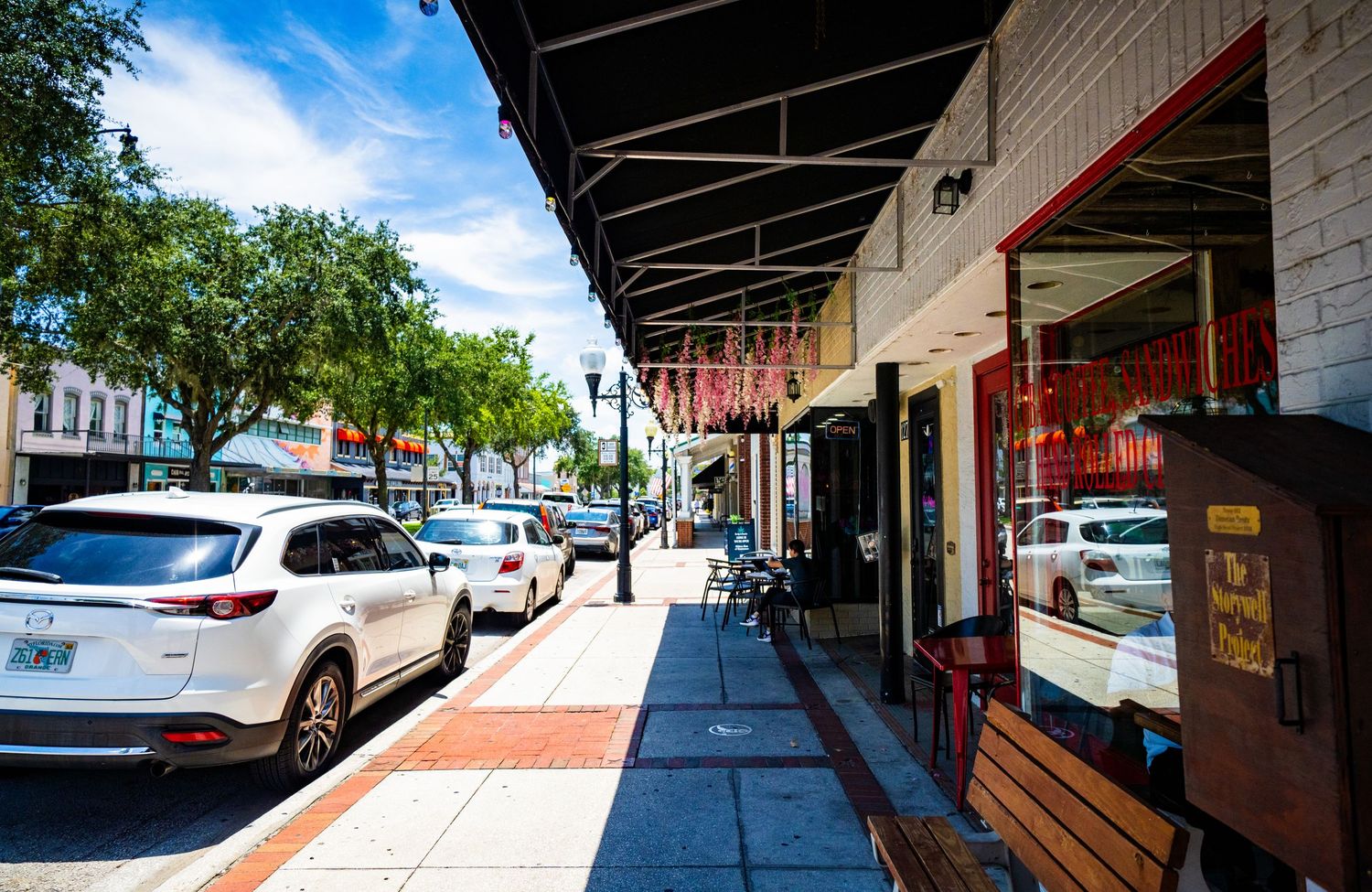
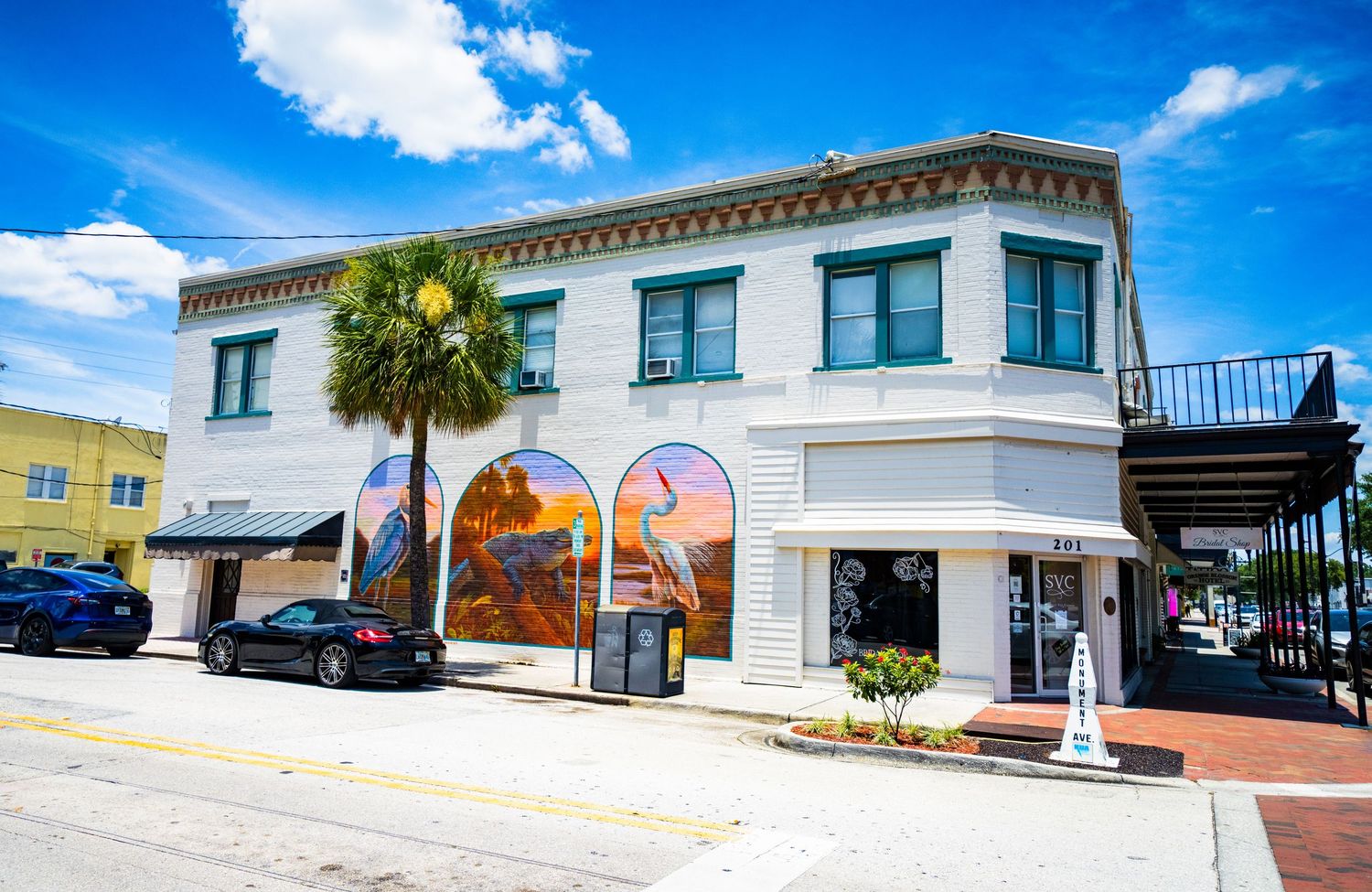
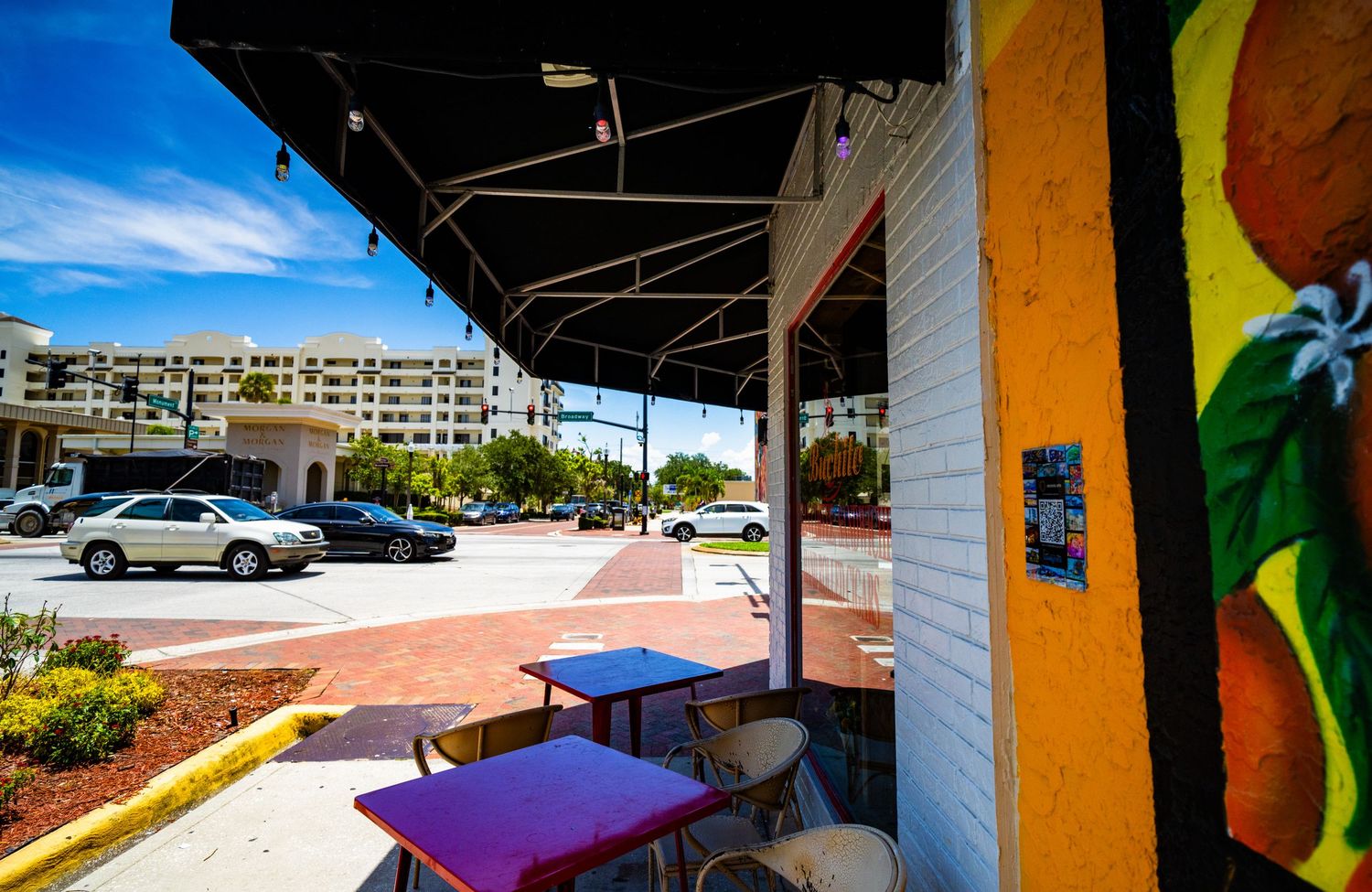
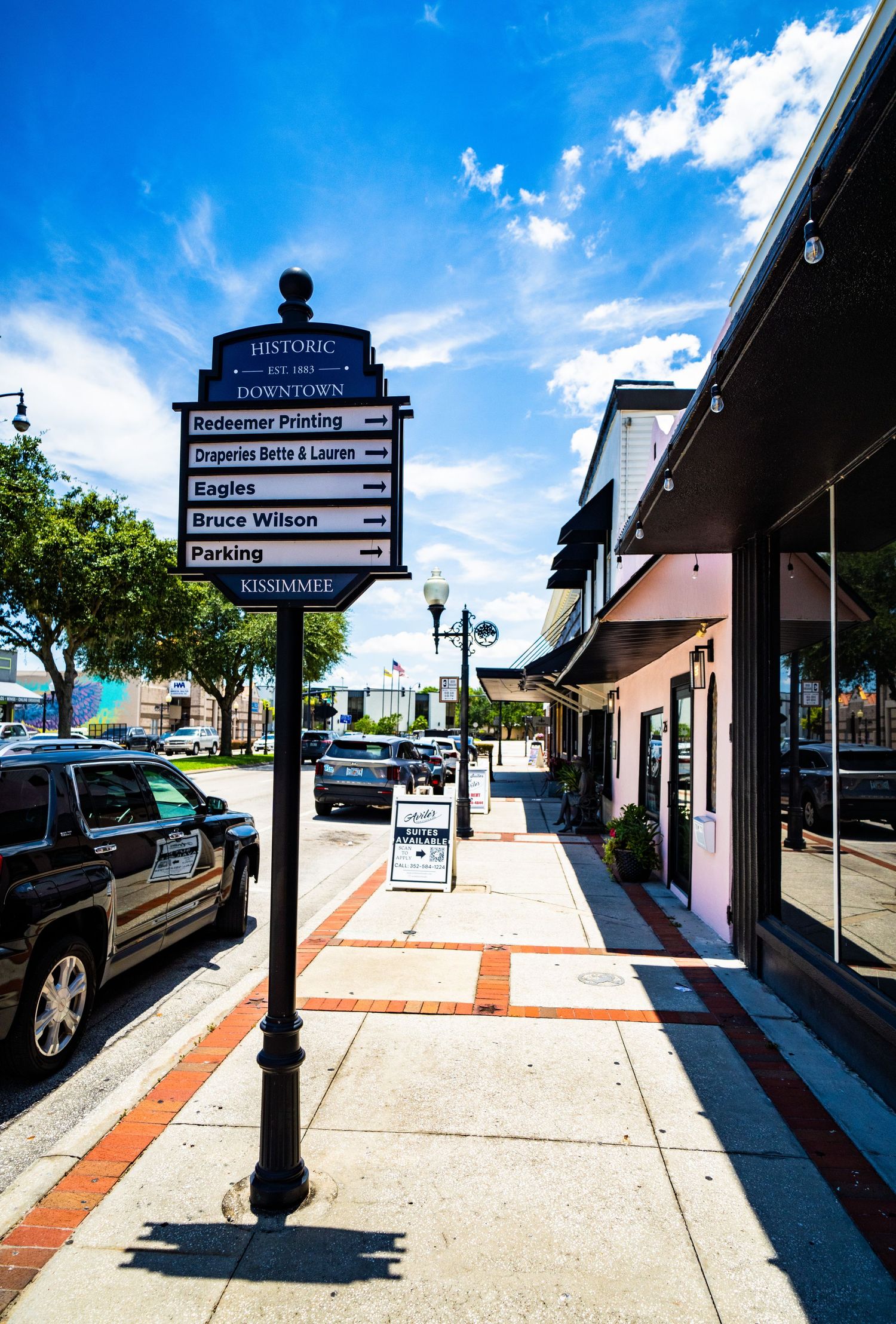
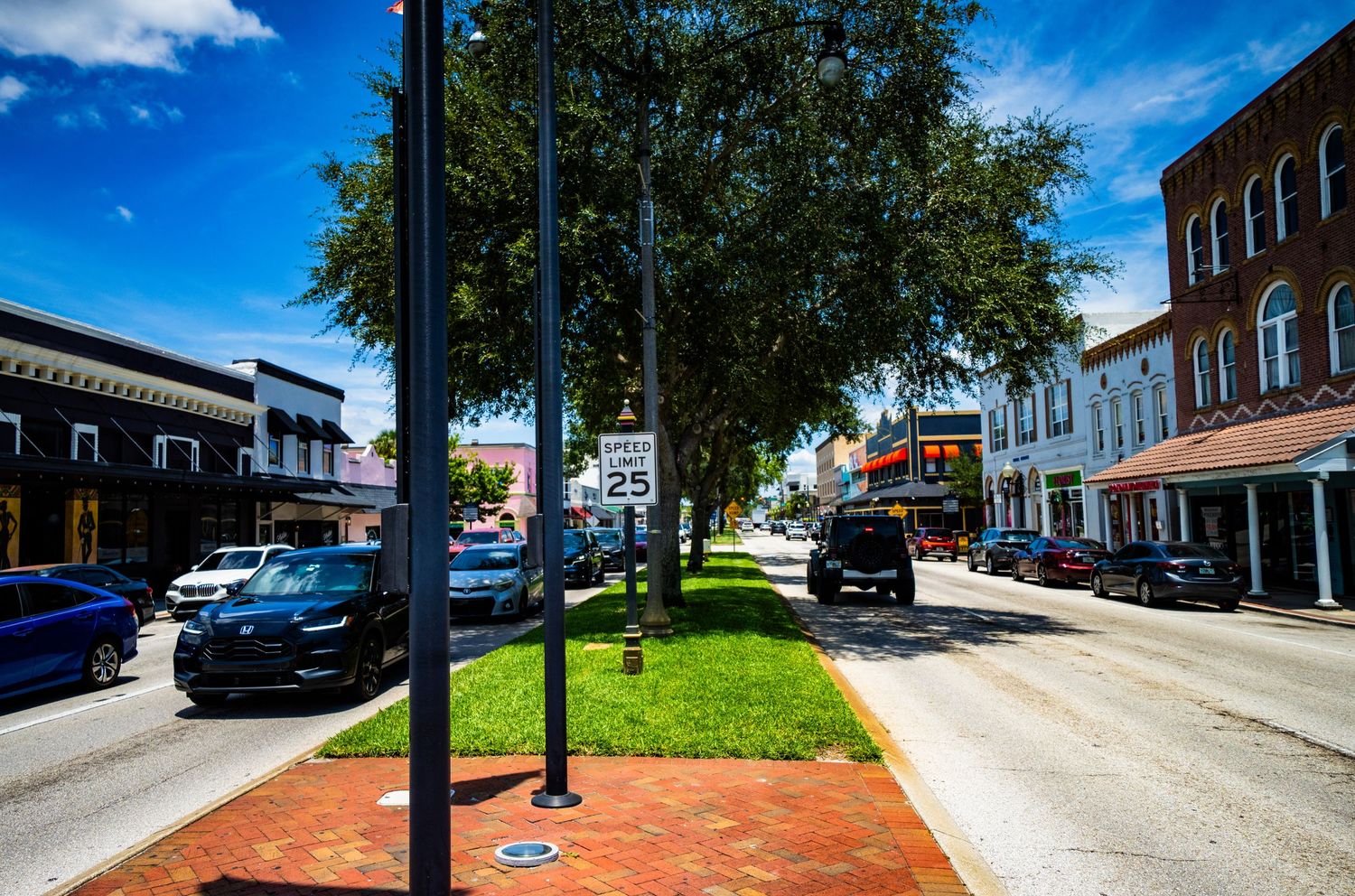
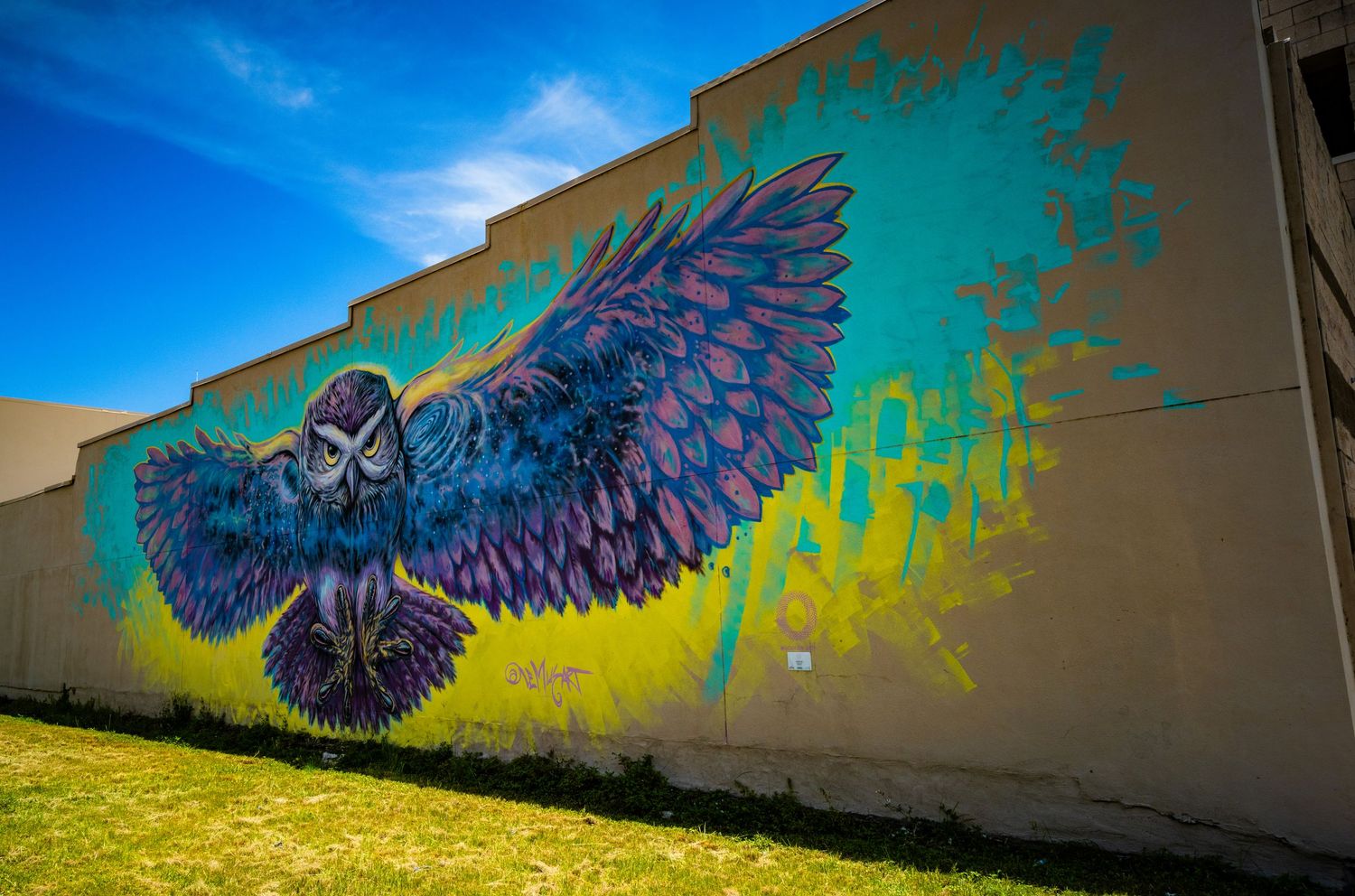
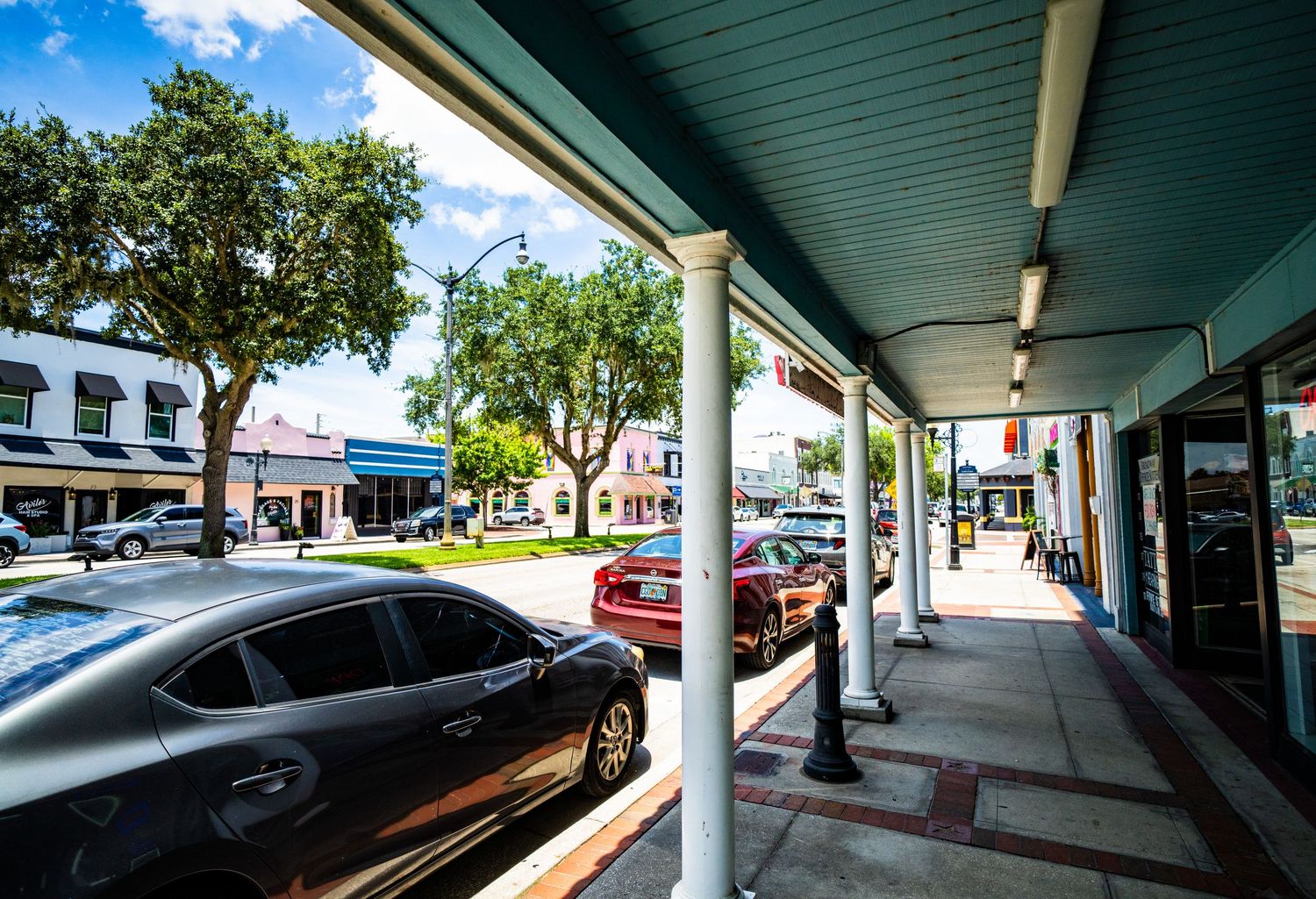
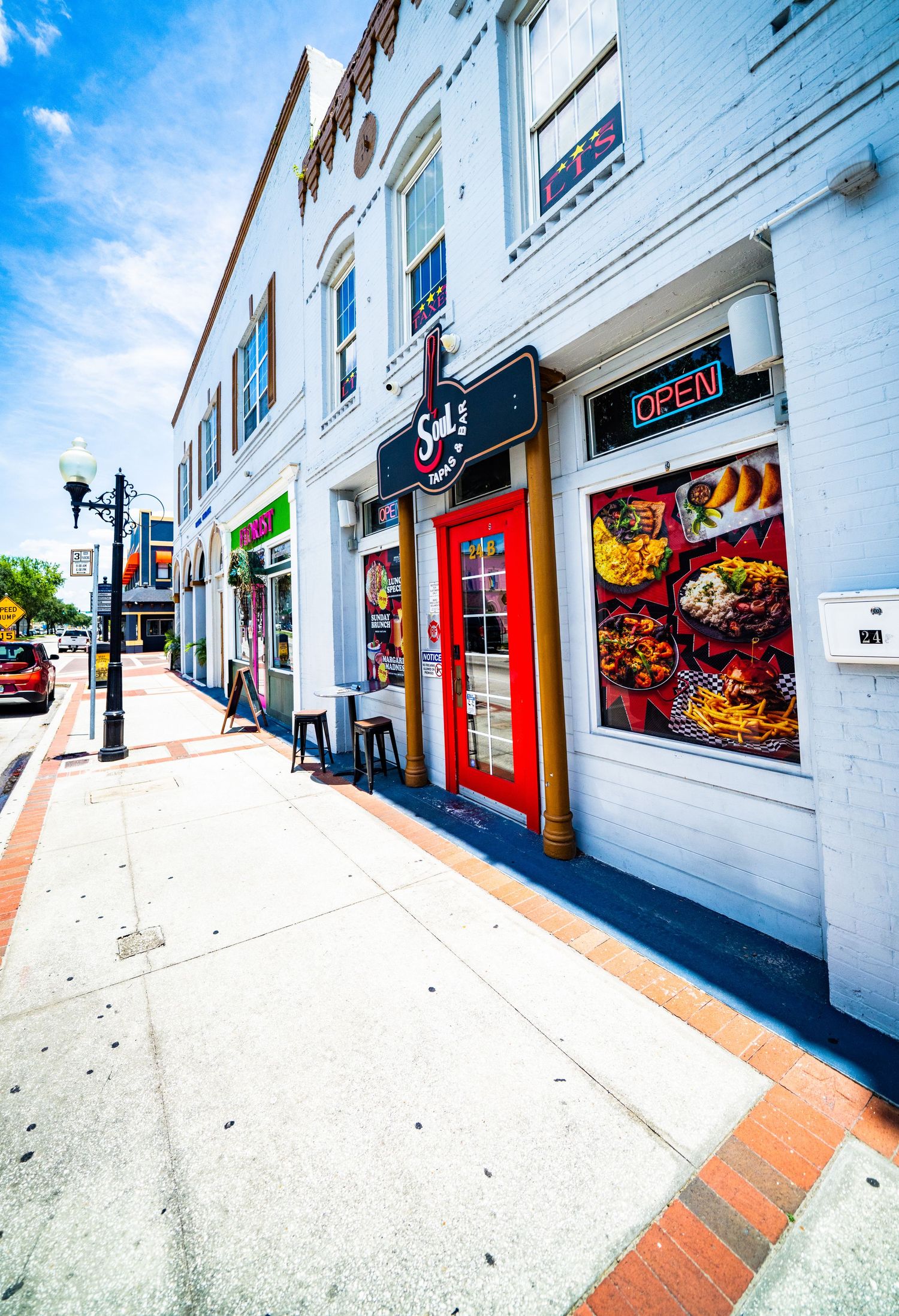
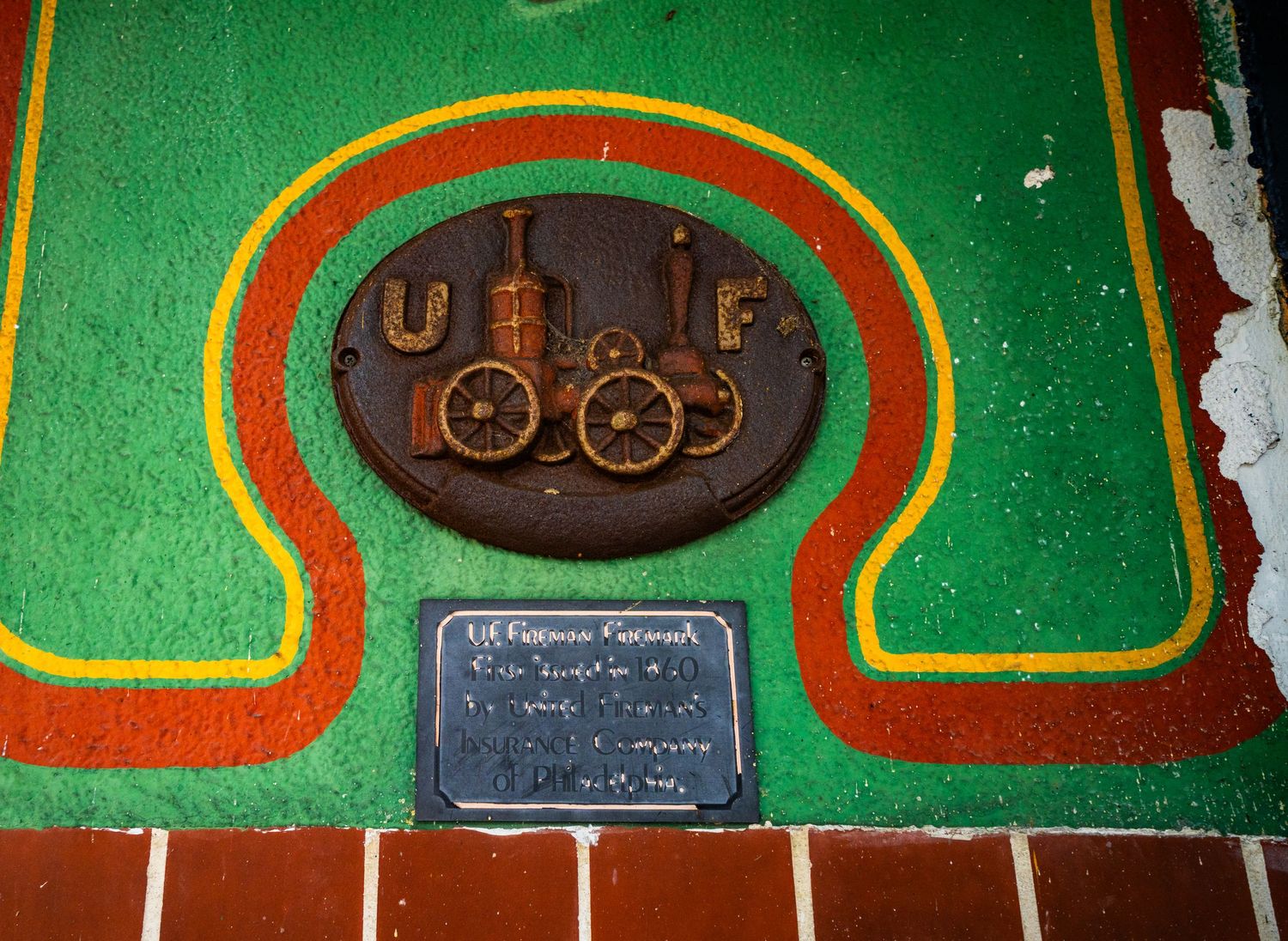
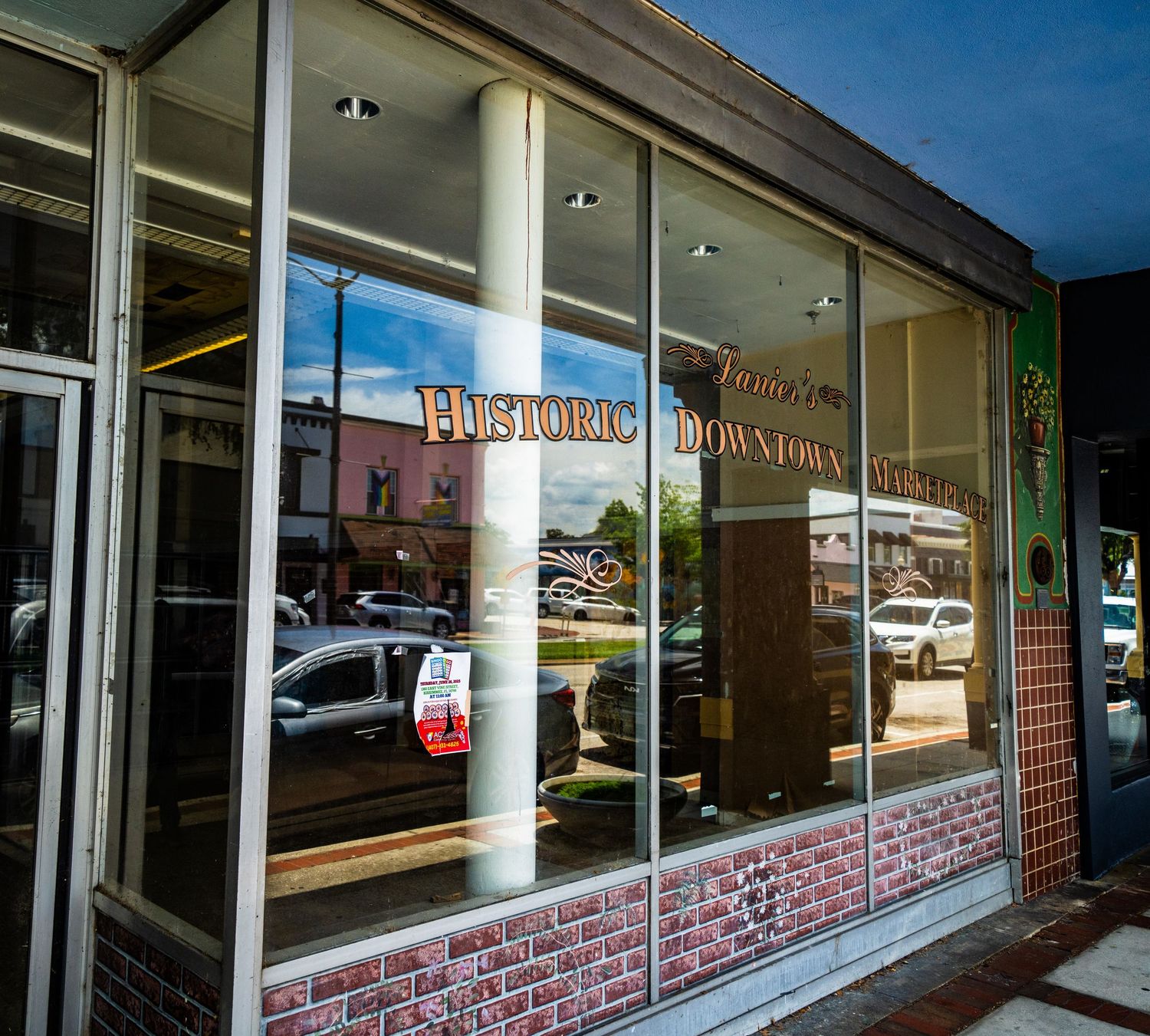
By the mid-19th century, white settlers began to trickle in, drawn by the area's promise of cattle grazing, fishing, and fertile land. Among the earliest were the Parker brothers and John Mizell Pearce, whose influence helped establish the cattle trade that remains a cultural pillar even today. For a brief time, the town was known as Allendale—named after Confederate Major J.H. Allen, a steamboat captain—but that era shifted rapidly when the railroad arrived in the 1880s, pulling economic activity from riverboats to rail lines. In 1883, Kissimmee officially incorporated, just as it became the county seat of newly formed Osceola County.
One of the most influential, yet often overlooked, figures in Kissimmee’s early development was Philadelphia industrialist Hamilton Disston. After purchasing four million acres of Florida land in the 1880s, Disston launched massive canal and drainage projects across Central Florida, hoping to make the region more habitable and agriculturally productive. His ventures helped put Kissimmee on the map, but financial overreach led to the collapse of his empire by the early 1890s. When a series of devastating freezes decimated the citrus industry, the region turned back to open-range cattle—an identity that continues to endure in local rodeos and ranch culture.
Kissimmee’s quiet rural rhythm was dramatically disrupted during World War II, when its municipal airport became a U.S. Army Airfield. This airbase played a vital role in training night fighter pilots, including those flying the then-experimental P-61 Black Widow aircraft. Though the base closed after the war, it left behind a legacy of strategic significance and infrastructure that would later support the city’s unexpected transformation.
That transformation arrived with a mouse. In 1971, Walt Disney World opened just 20 miles north of downtown Kissimmee, unleashing a tidal wave of development. What had once been cattle country quickly became a launchpad for family vacations. Hotels, rental homes, and souvenir shops sprang up, reshaping the local economy from agriculture to tourism practically overnight. But amidst this change, the city still found ways to honor its heritage.
One of Kissimmee’s most charming testaments to unity is the Monument of States, built in 1943 during the height of World War II. Conceived by local doctor Charles Bressler-Pettis as a symbol of American solidarity, the stone monument was constructed using rocks donated from all 50 states and even a few foreign countries. After a period of neglect, it was restored in the 1990s and today stands proudly as a quirky yet meaningful emblem of civic pride.
In the present day, Kissimmee is a tapestry of contrasts: modern resorts and historic districts, airboat tours and high-speed coasters, cattle drives and fireworks shows. Its vibrant downtown—anchored by preserved 19th-century architecture—hosts events, art shows, and farmers markets, while its lakes and trails invite reflection on the land’s earlier chapters. From indigenous roots and ranching grit to wartime service and tourism booms, Kissimmee’s story isn’t just about growth—it’s about reinvention, resilience, and remembering where the trail began.
Winter Park
Downtown Winter Park wasn’t born by accident—it was designed with intention. When Loring Chase and Oliver Chapman envisioned a winter retreat in the early 1880s, they imagined more than just a place to escape the cold. They saw a walkable, elegant village centered around culture, nature, and community. The result was what we now call Downtown Winter Park: a district carefully arranged around Central Park and the railroad tracks that once brought in northern visitors by the thousands.
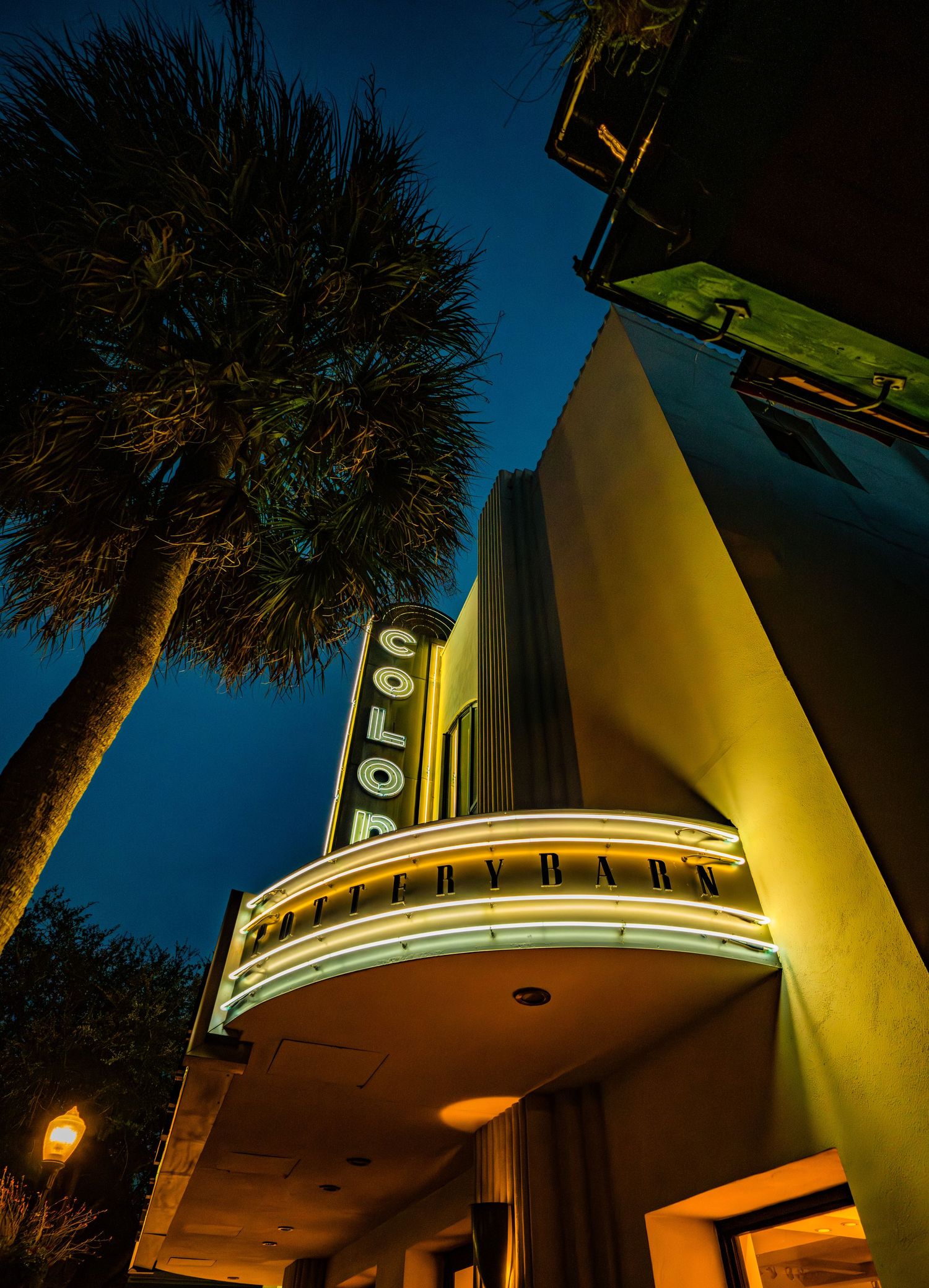
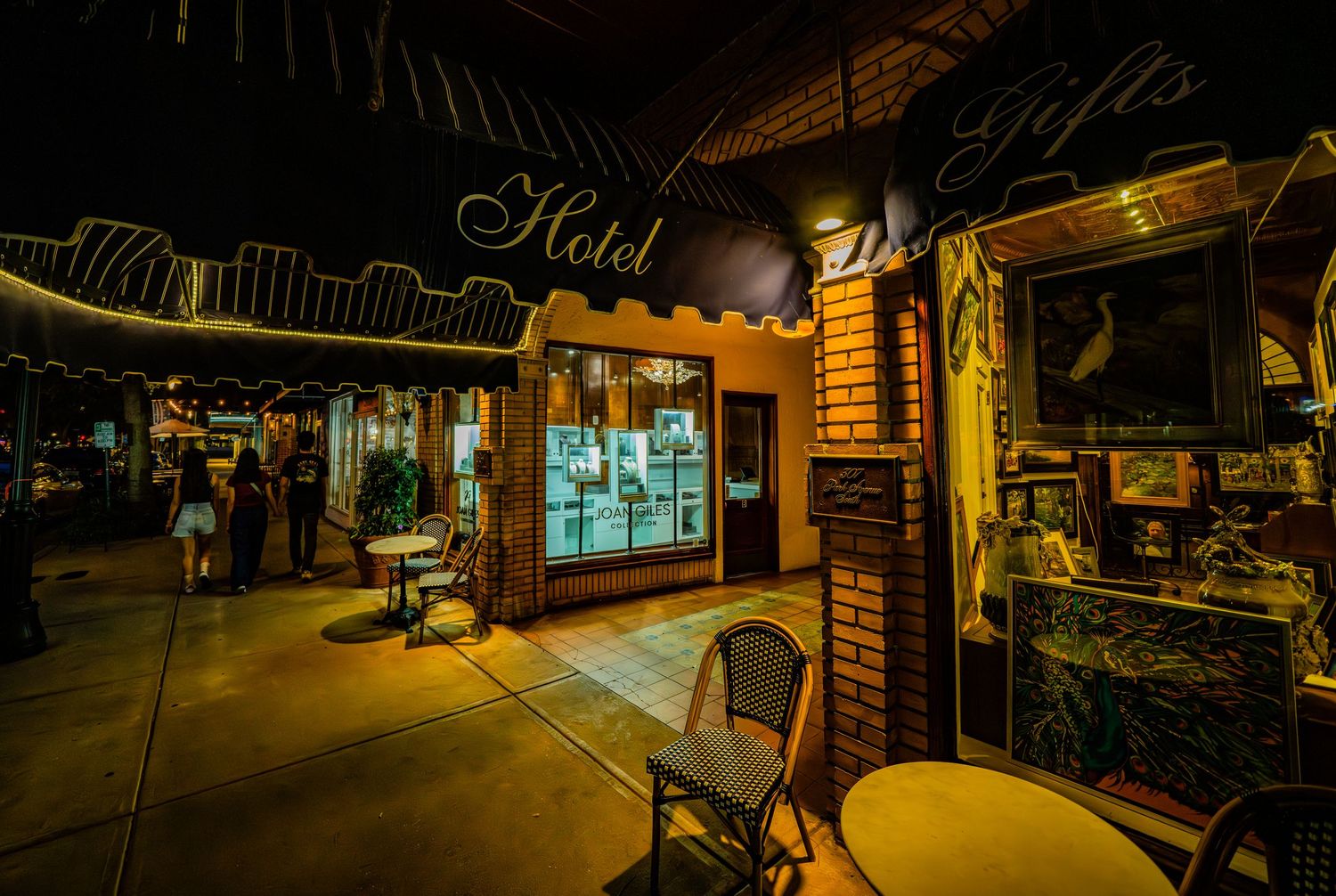
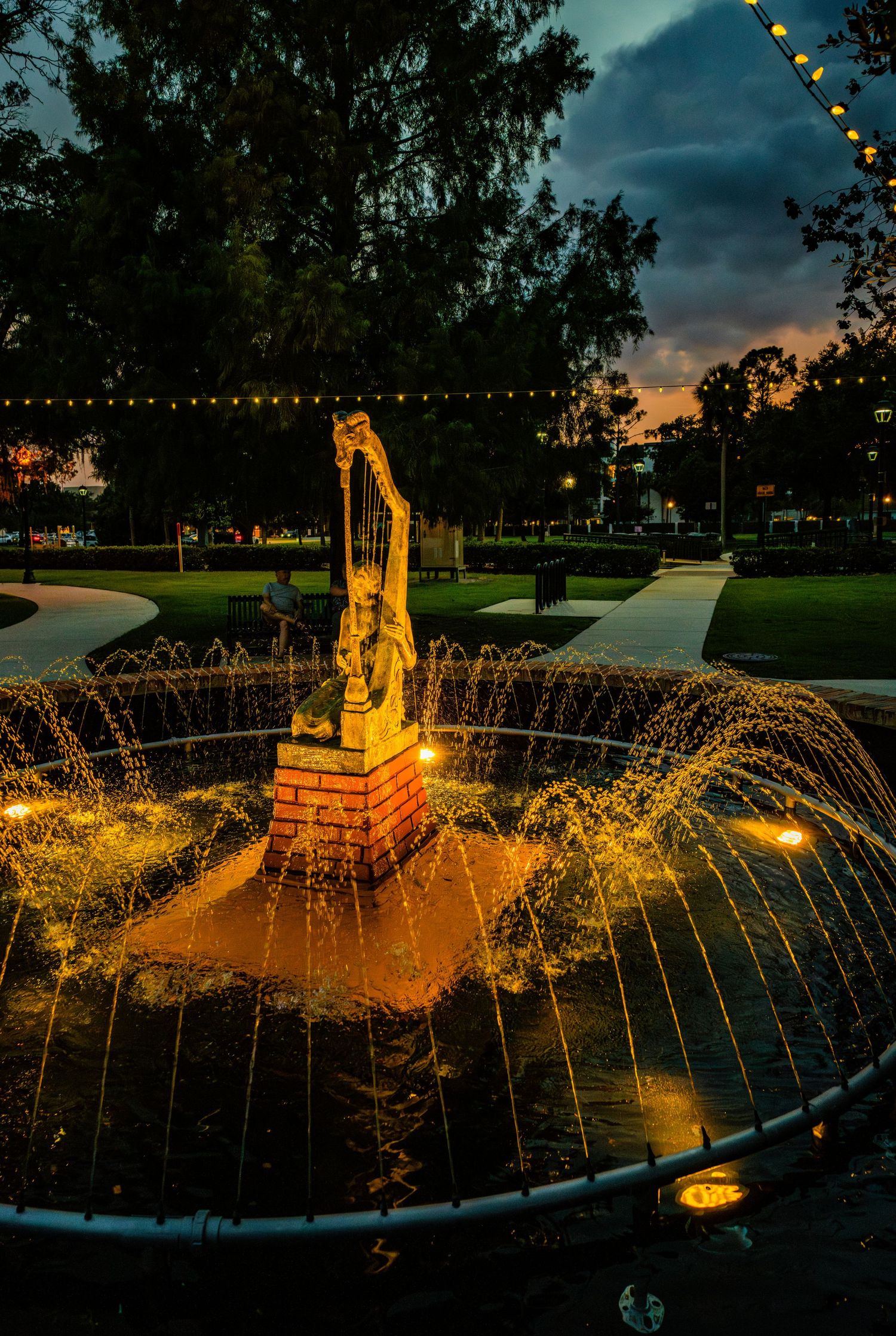
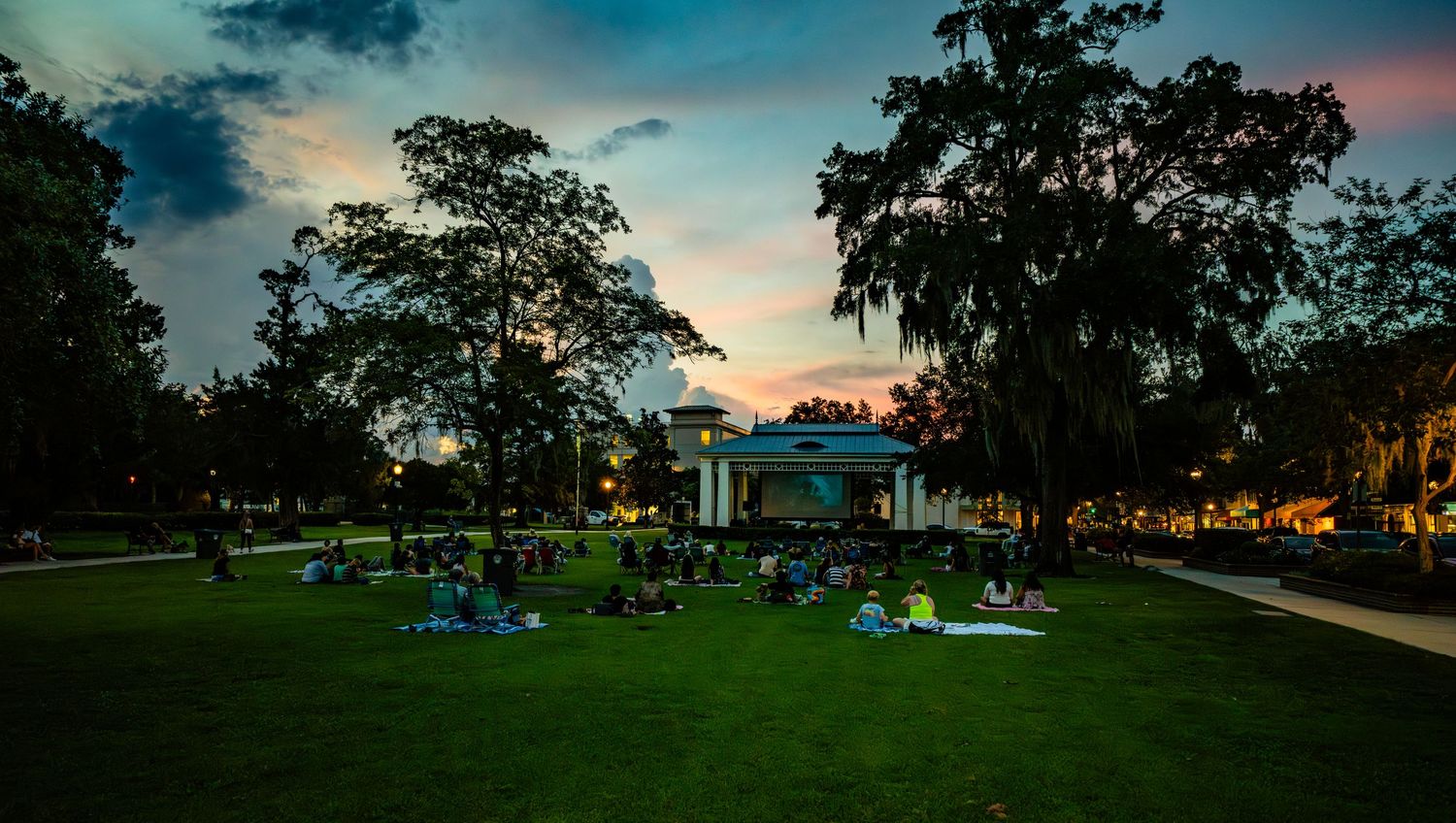
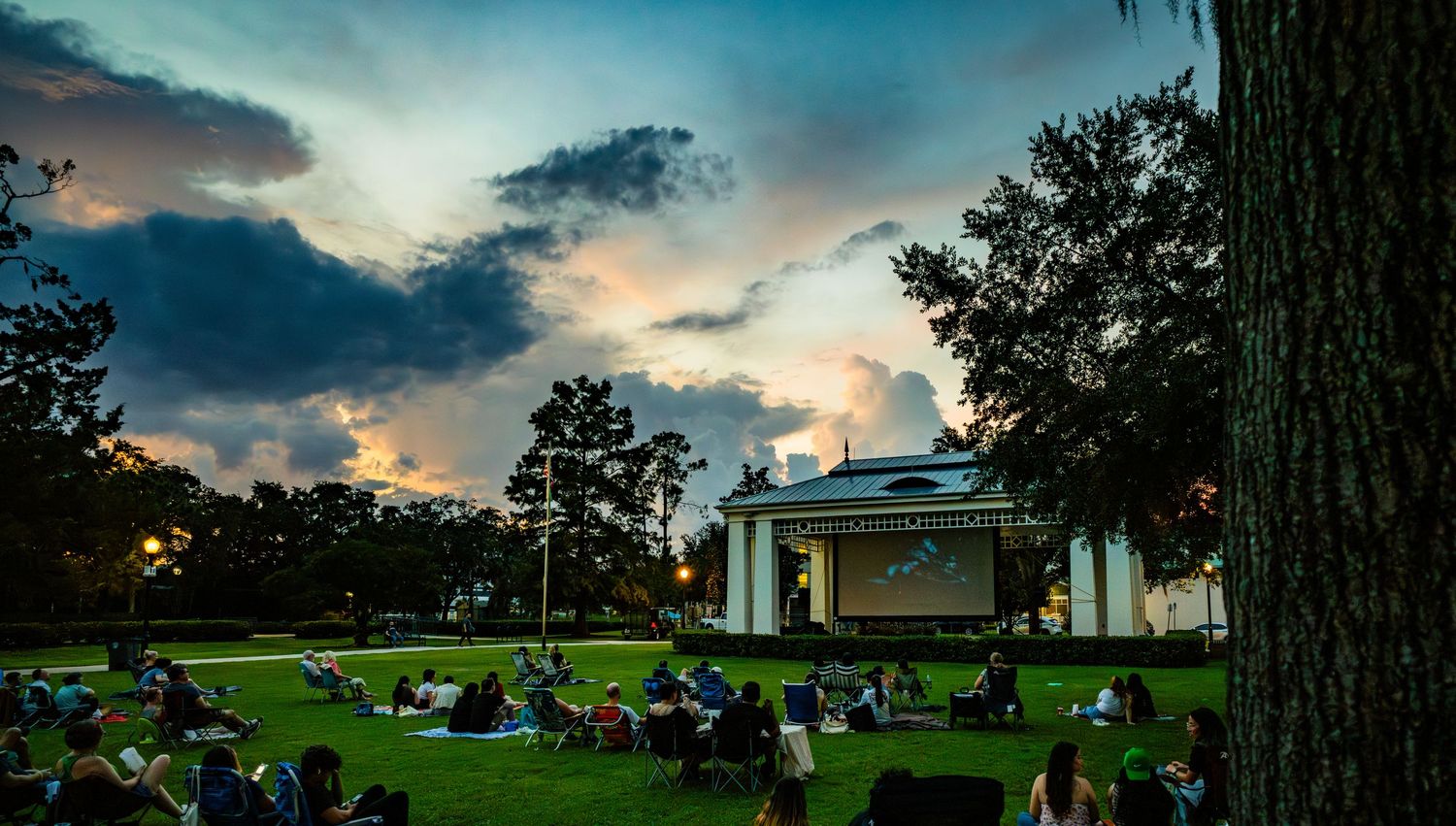
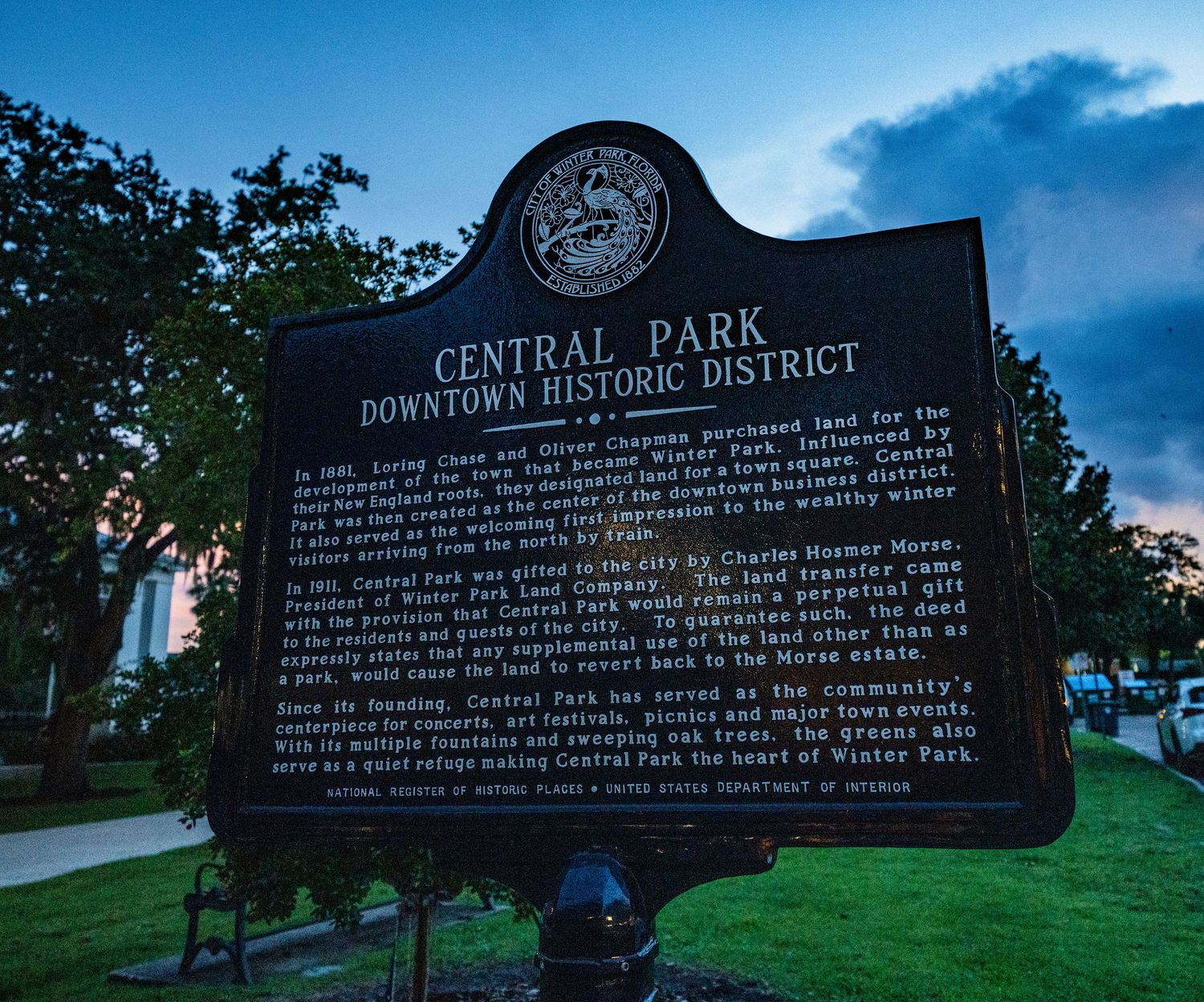
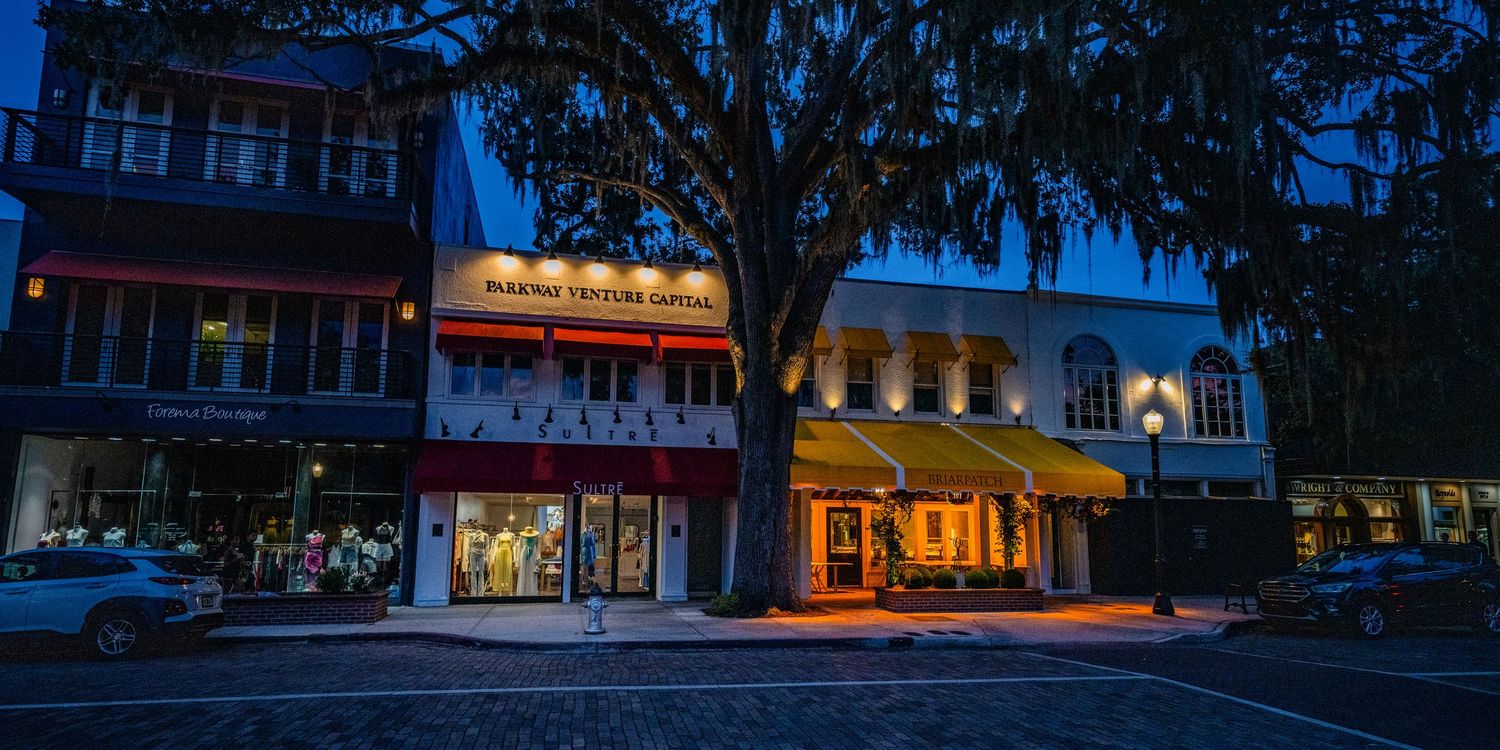
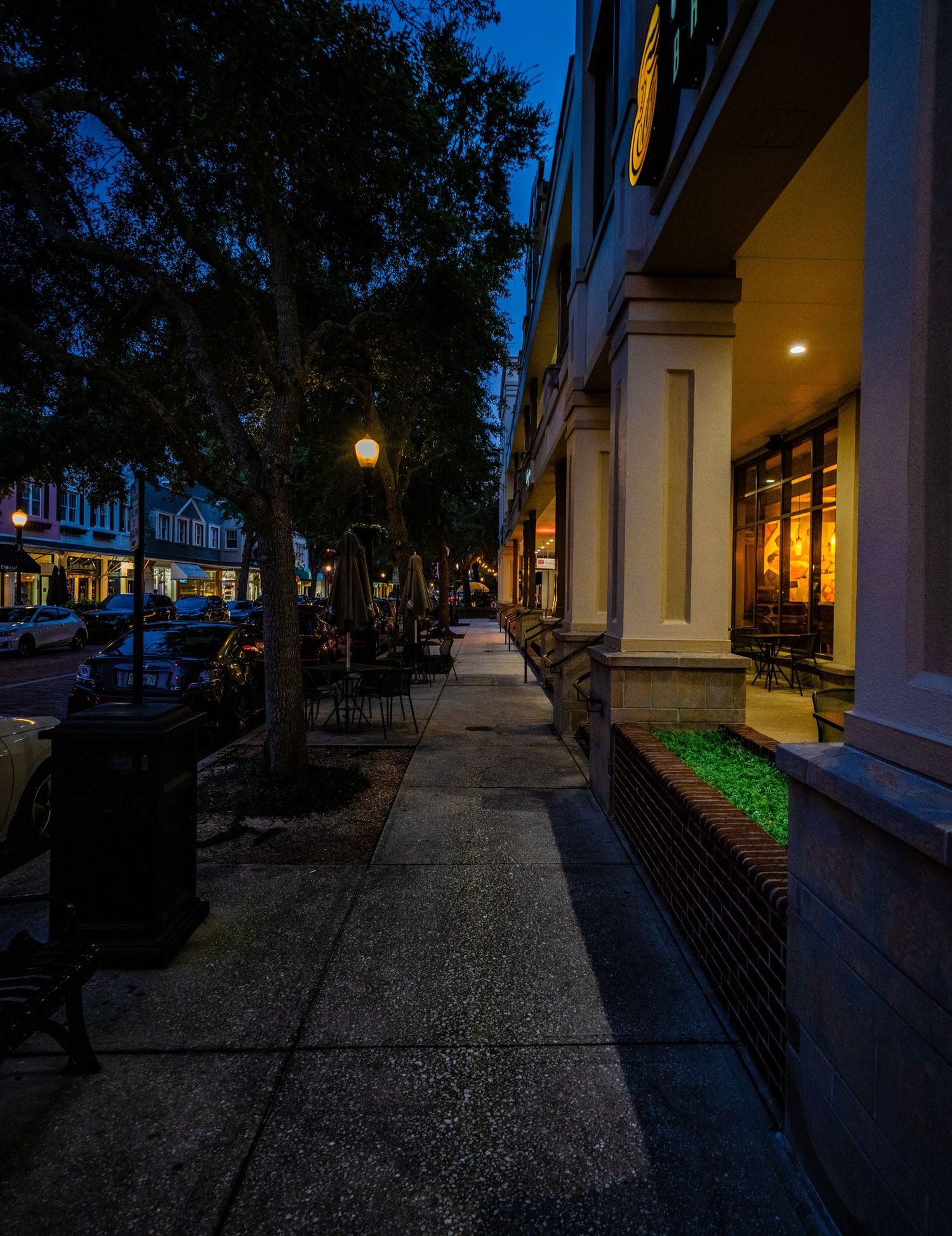
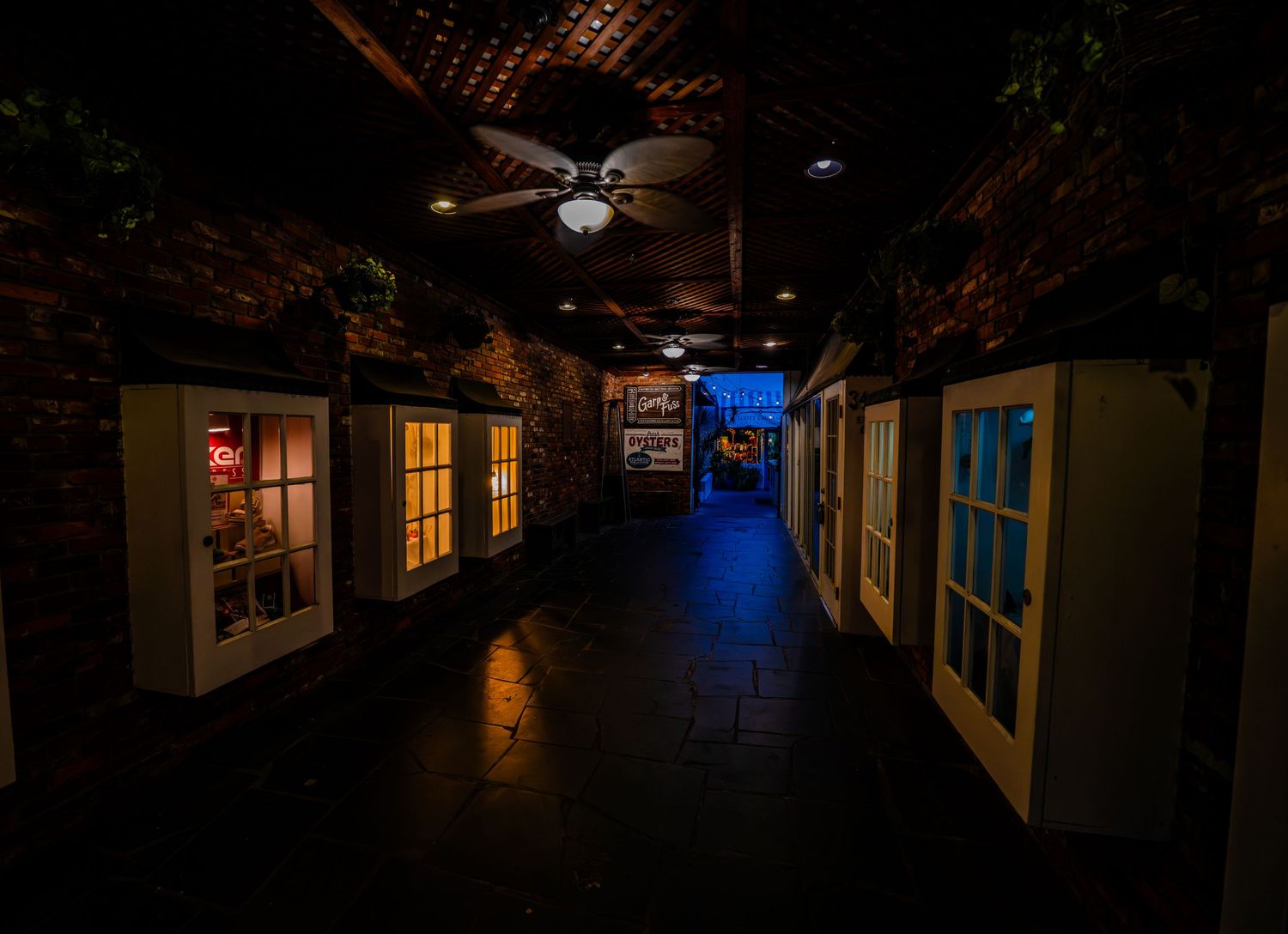
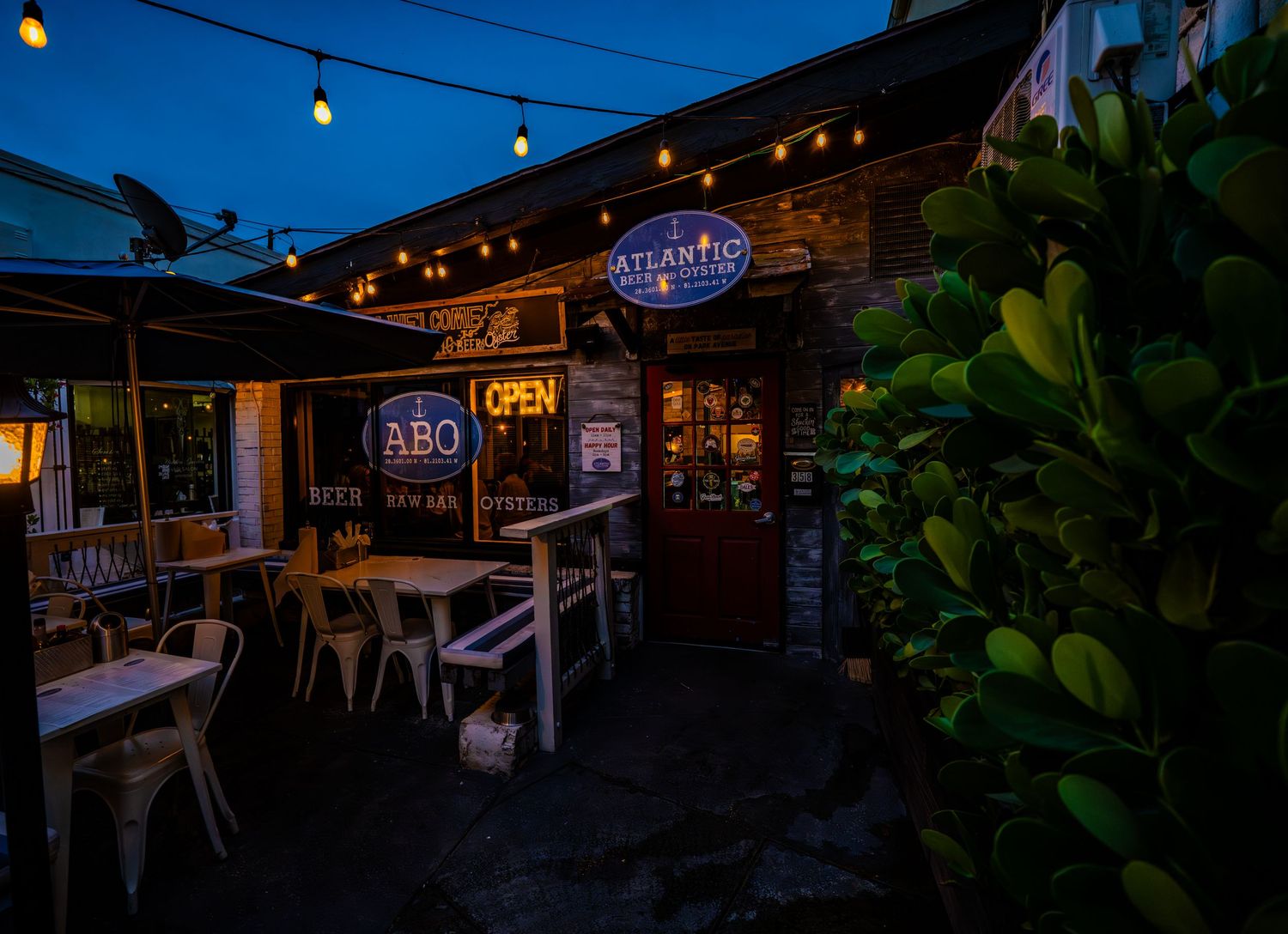
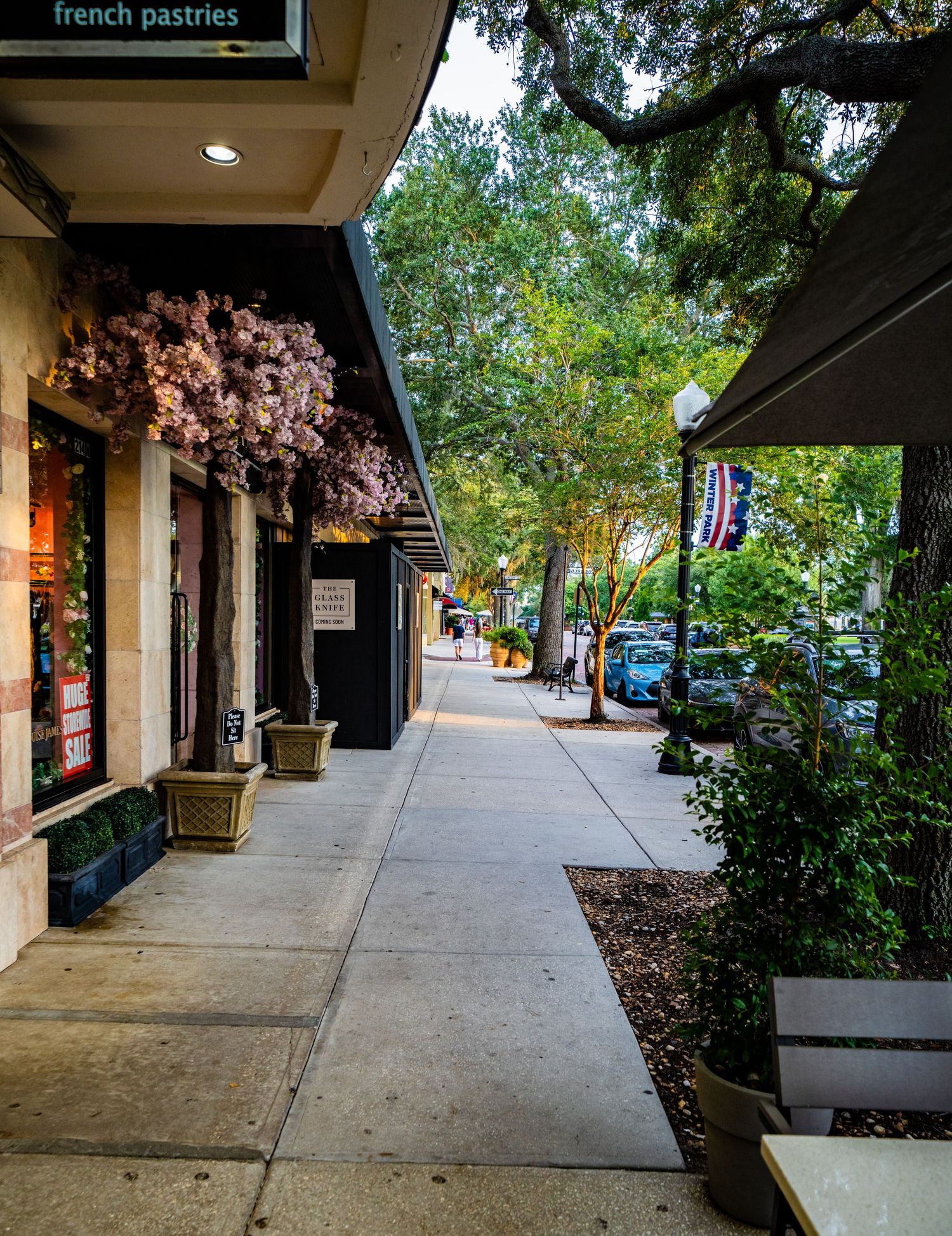
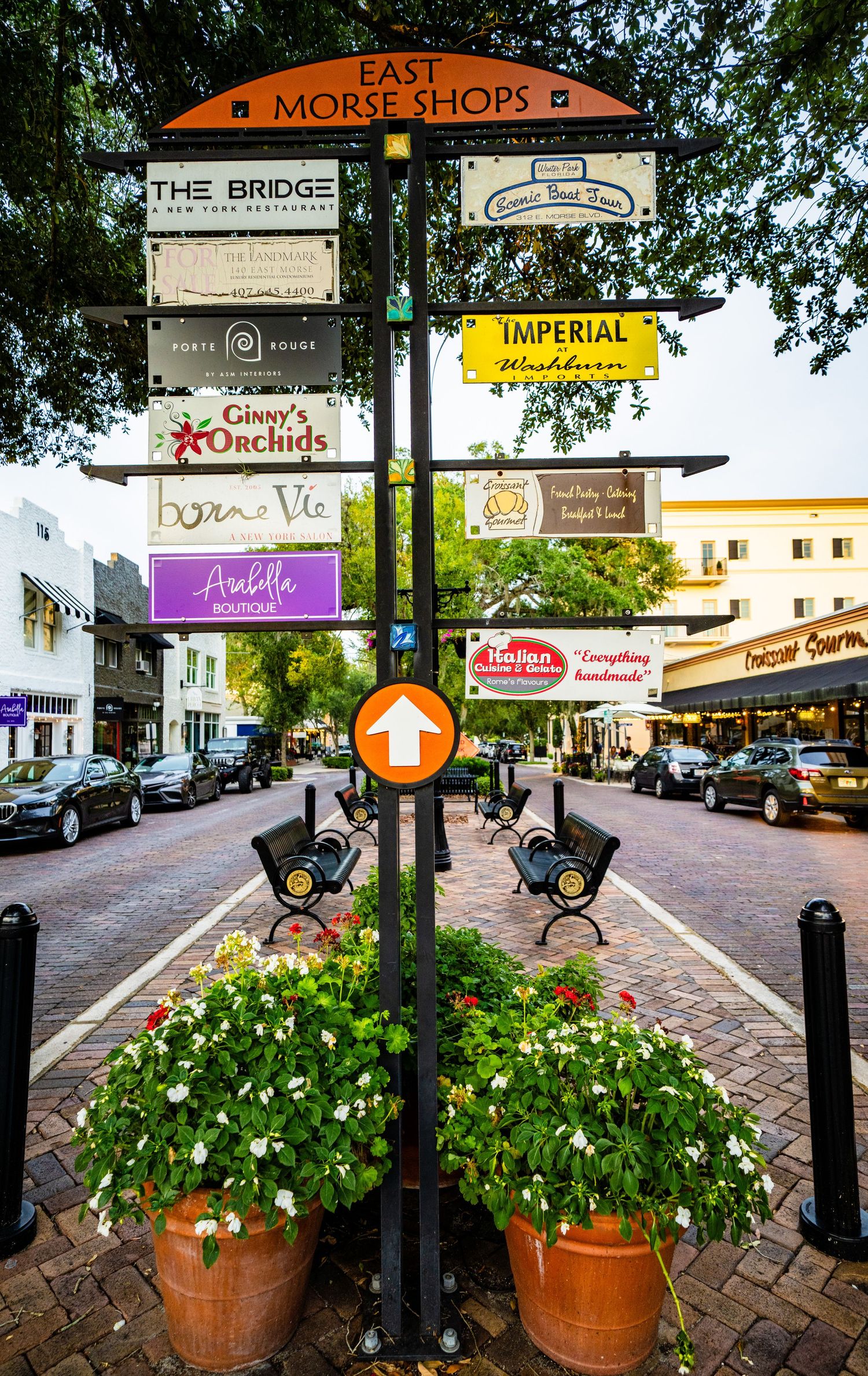
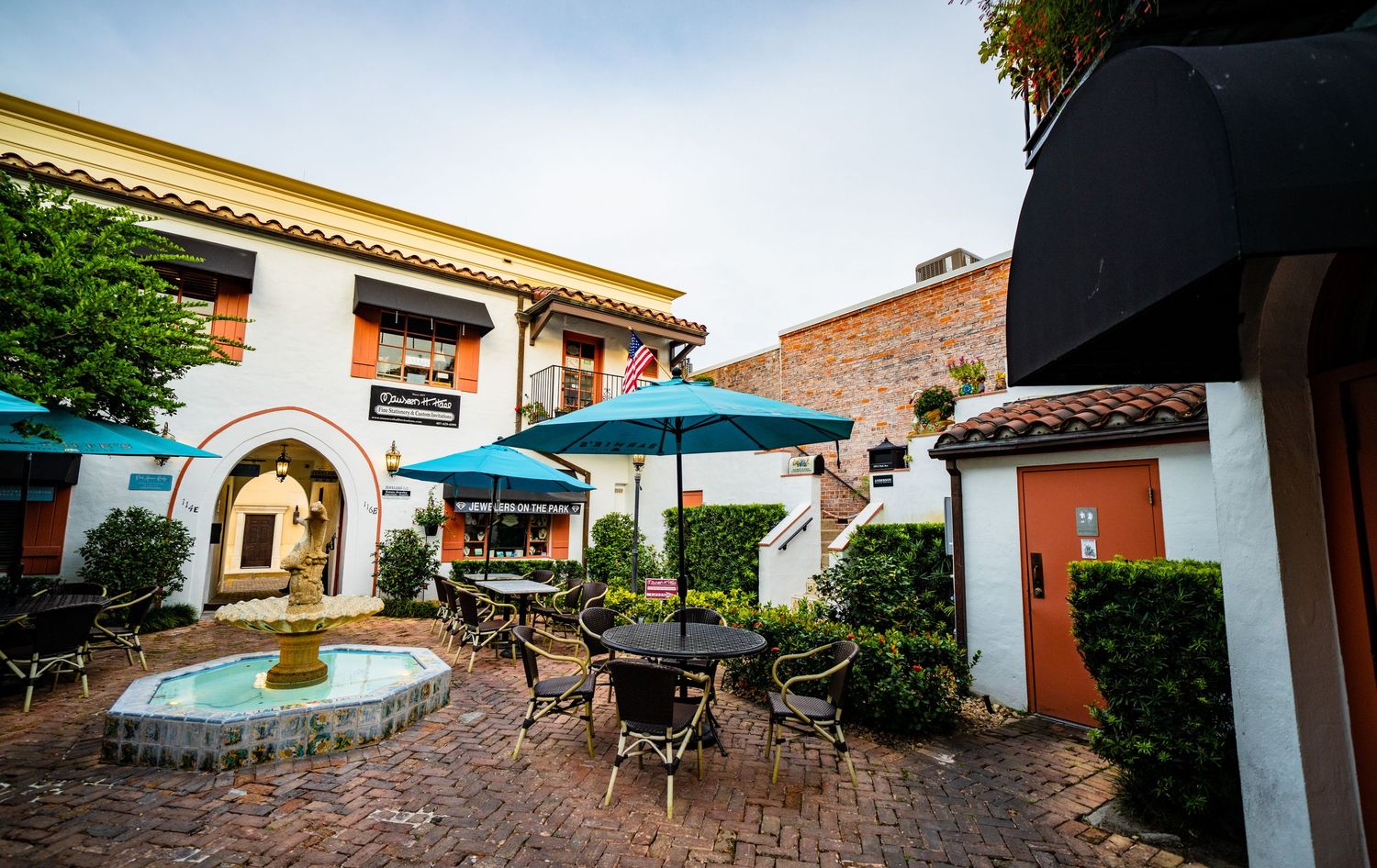
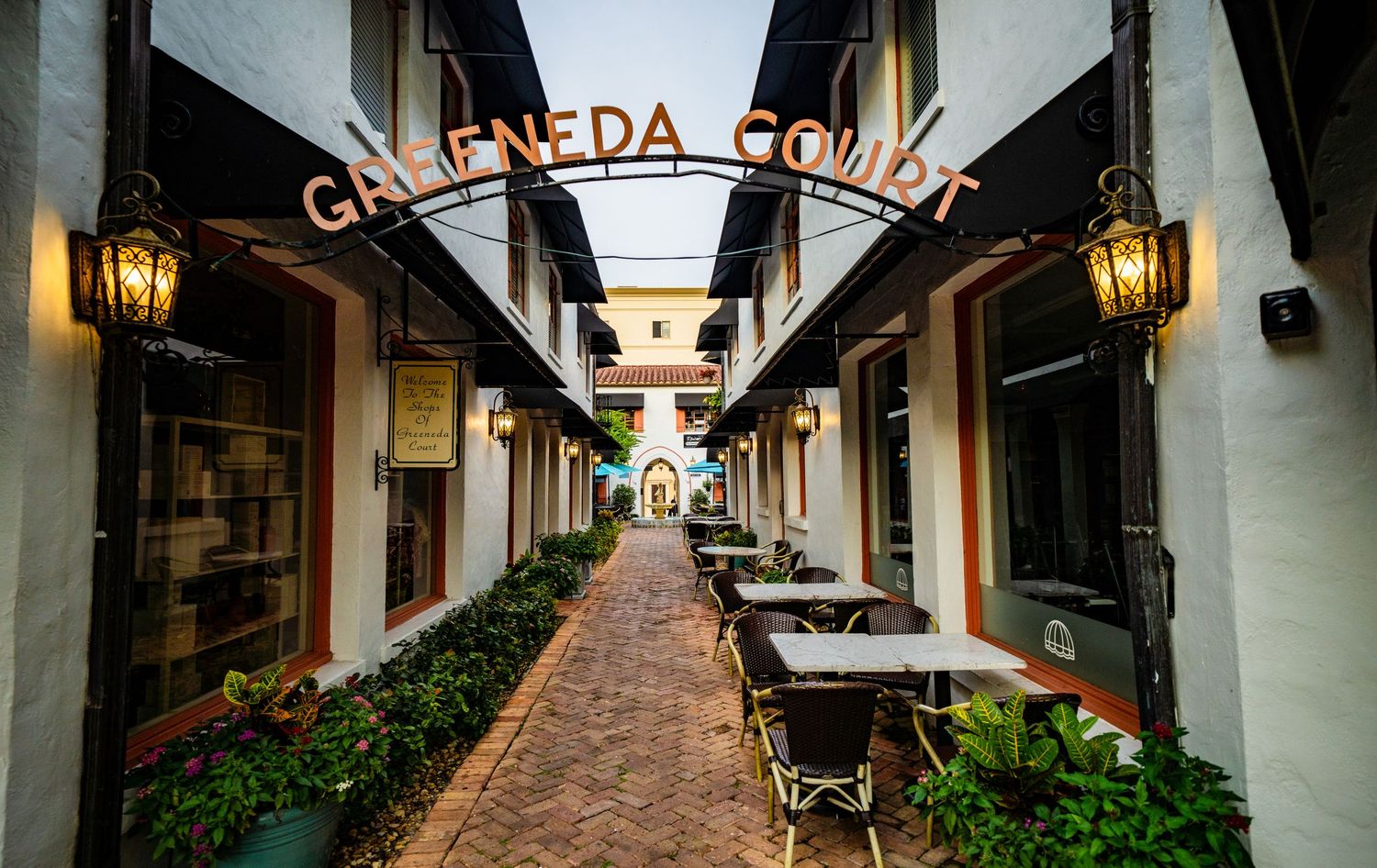
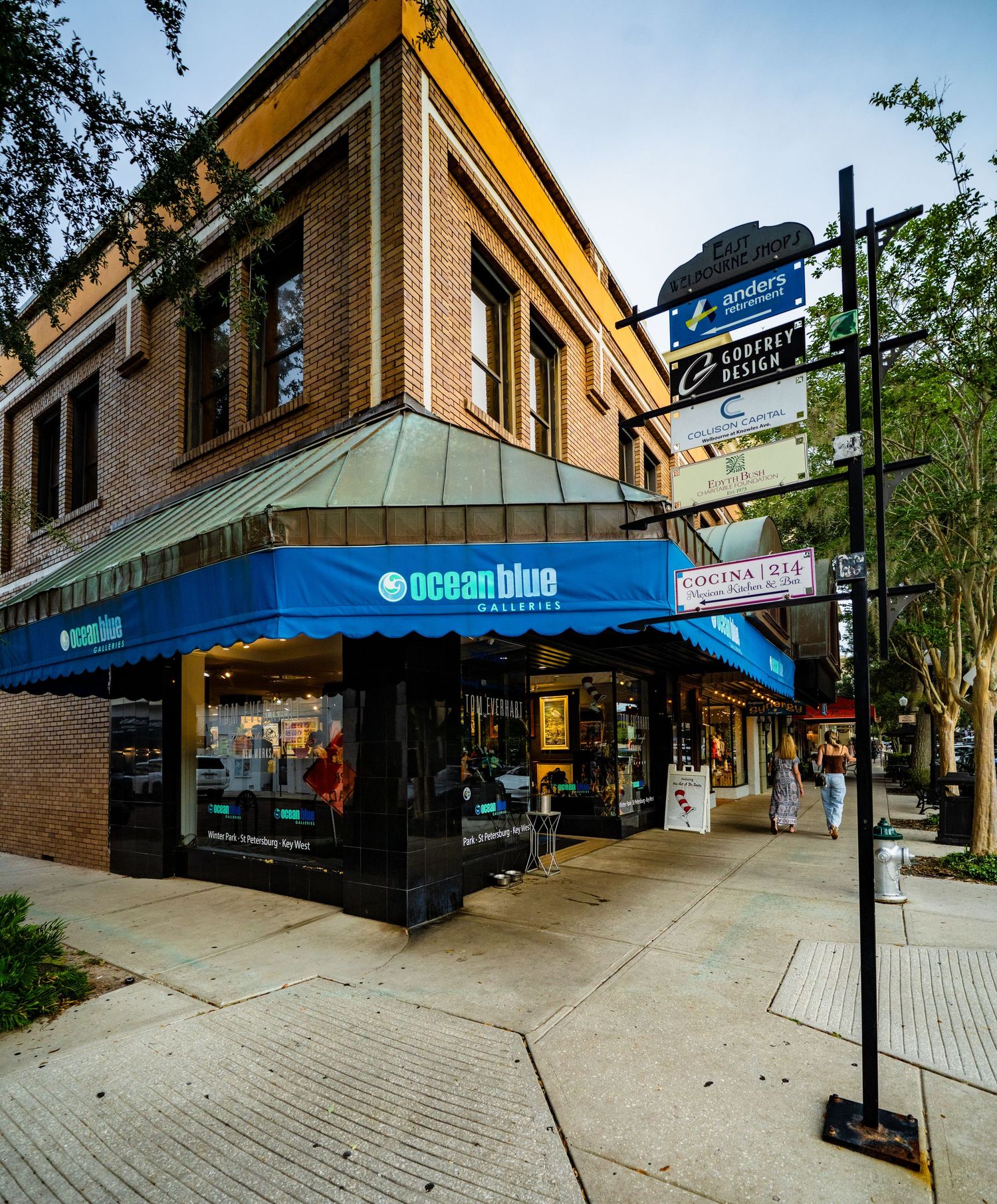
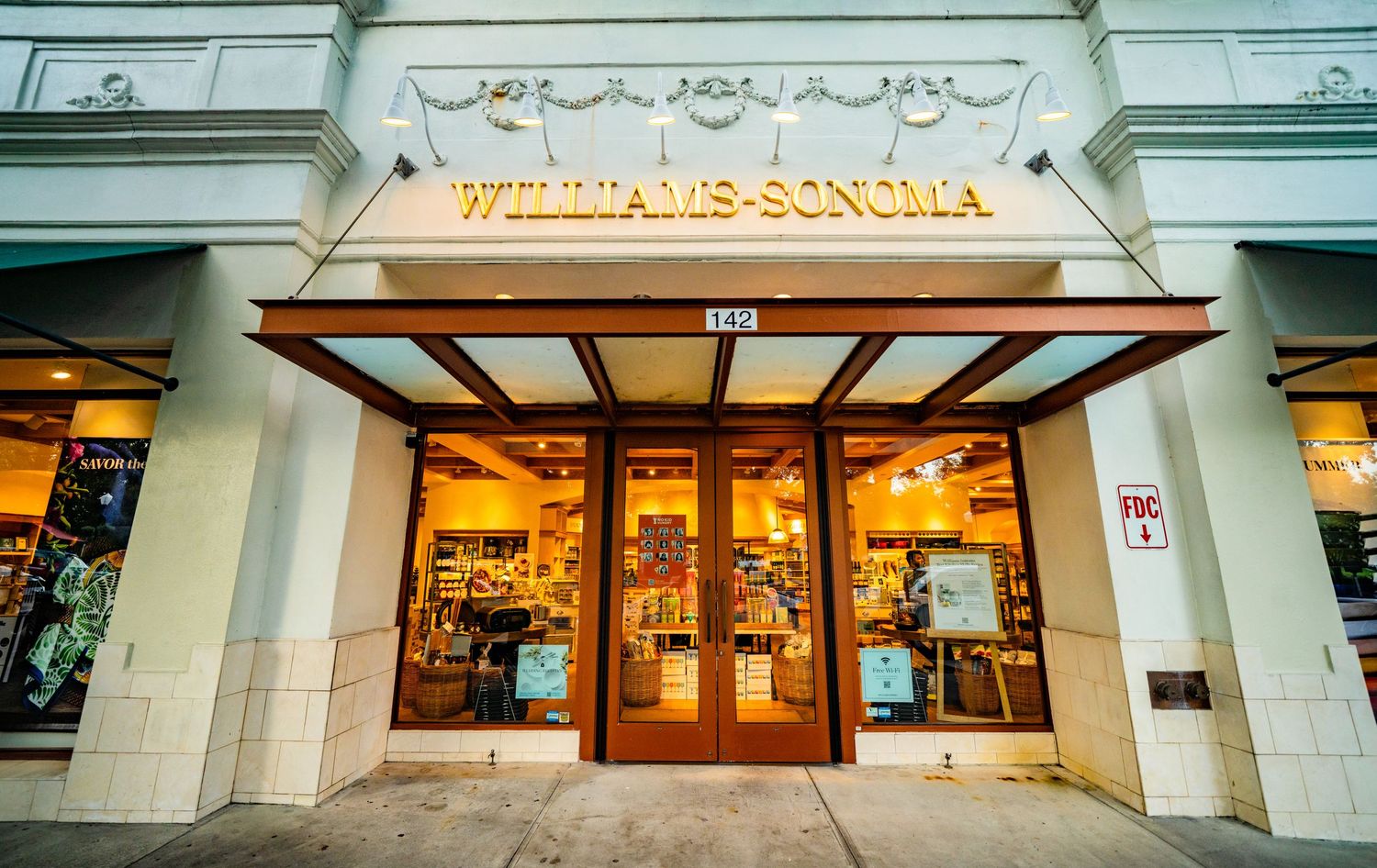
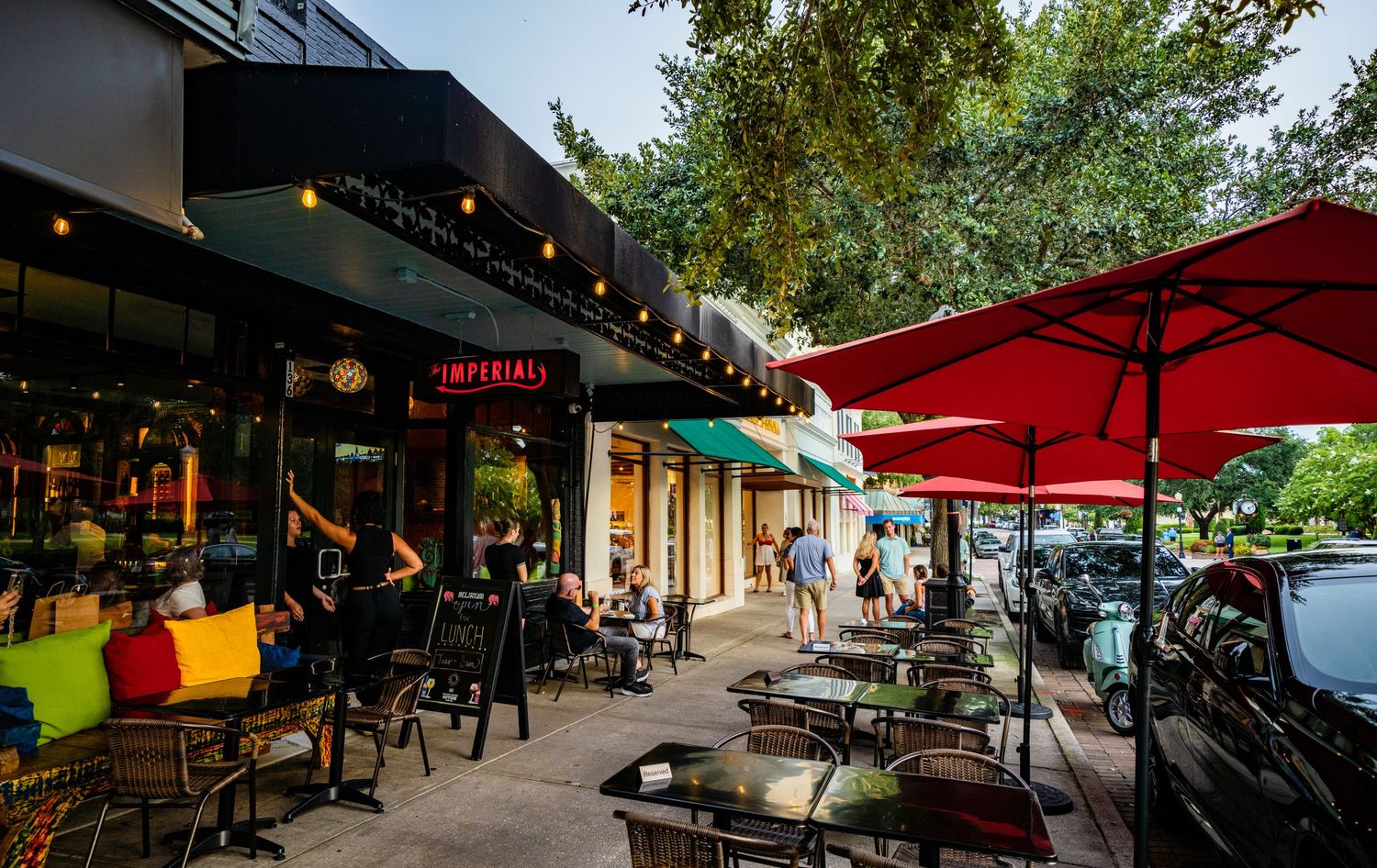
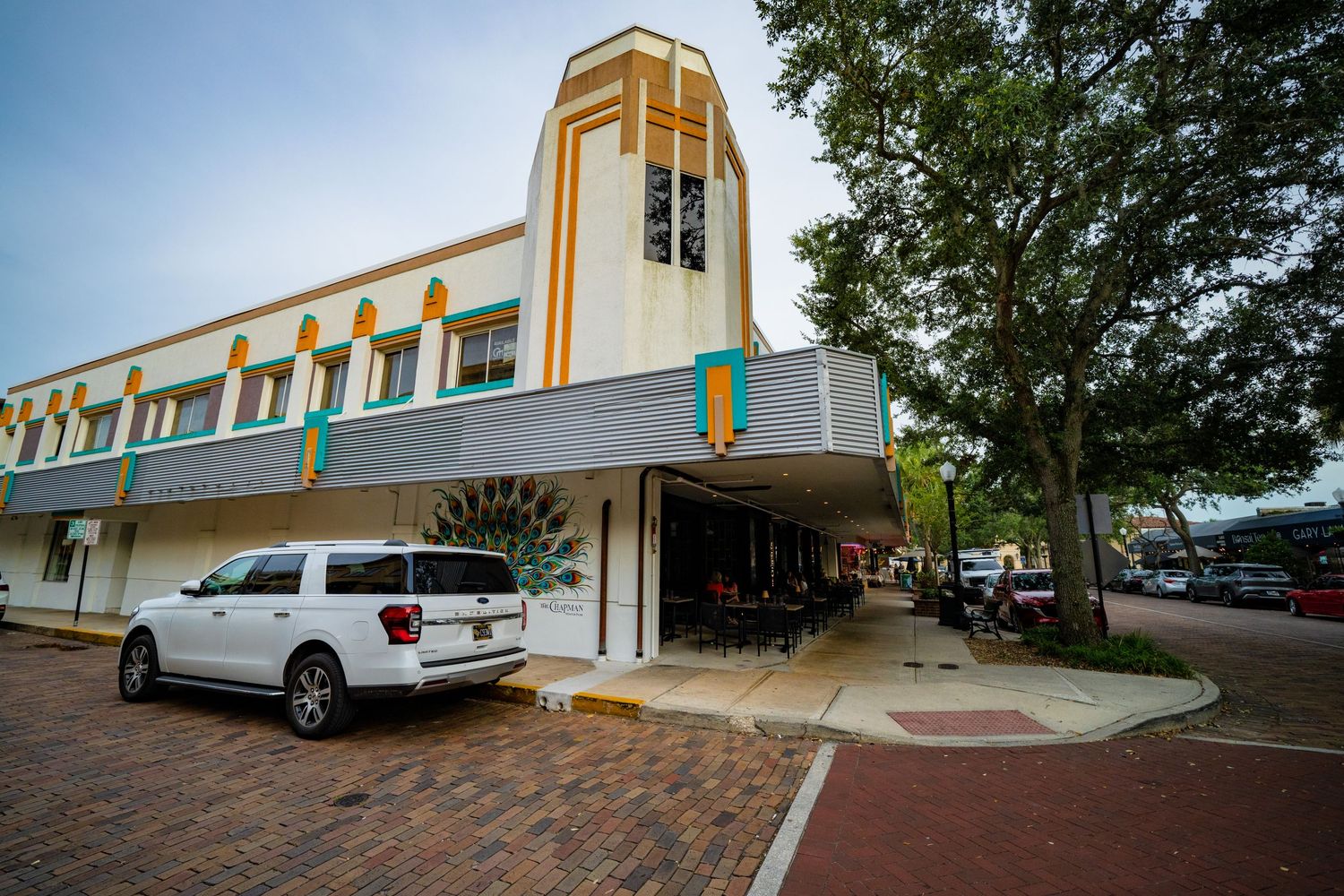
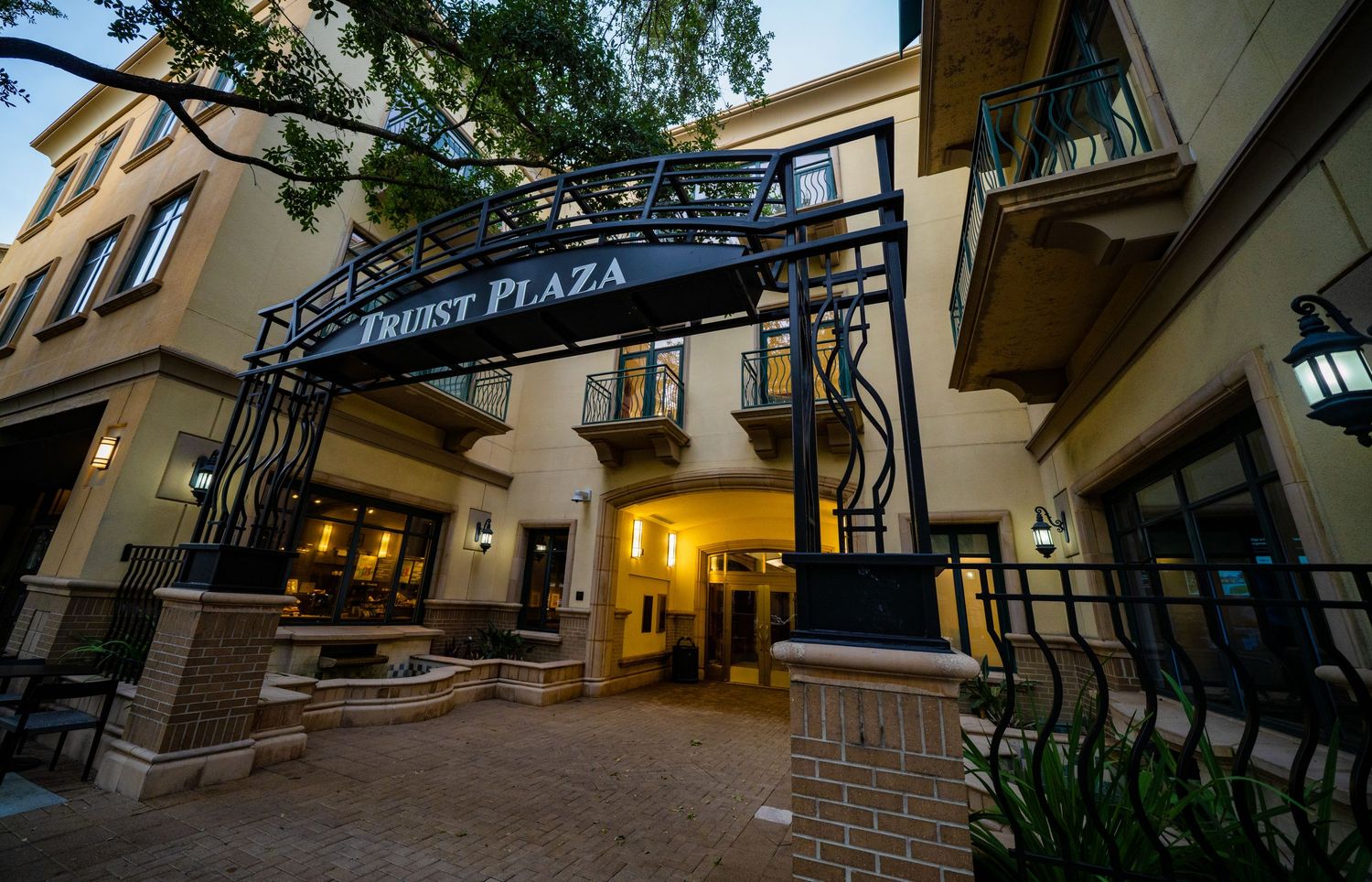
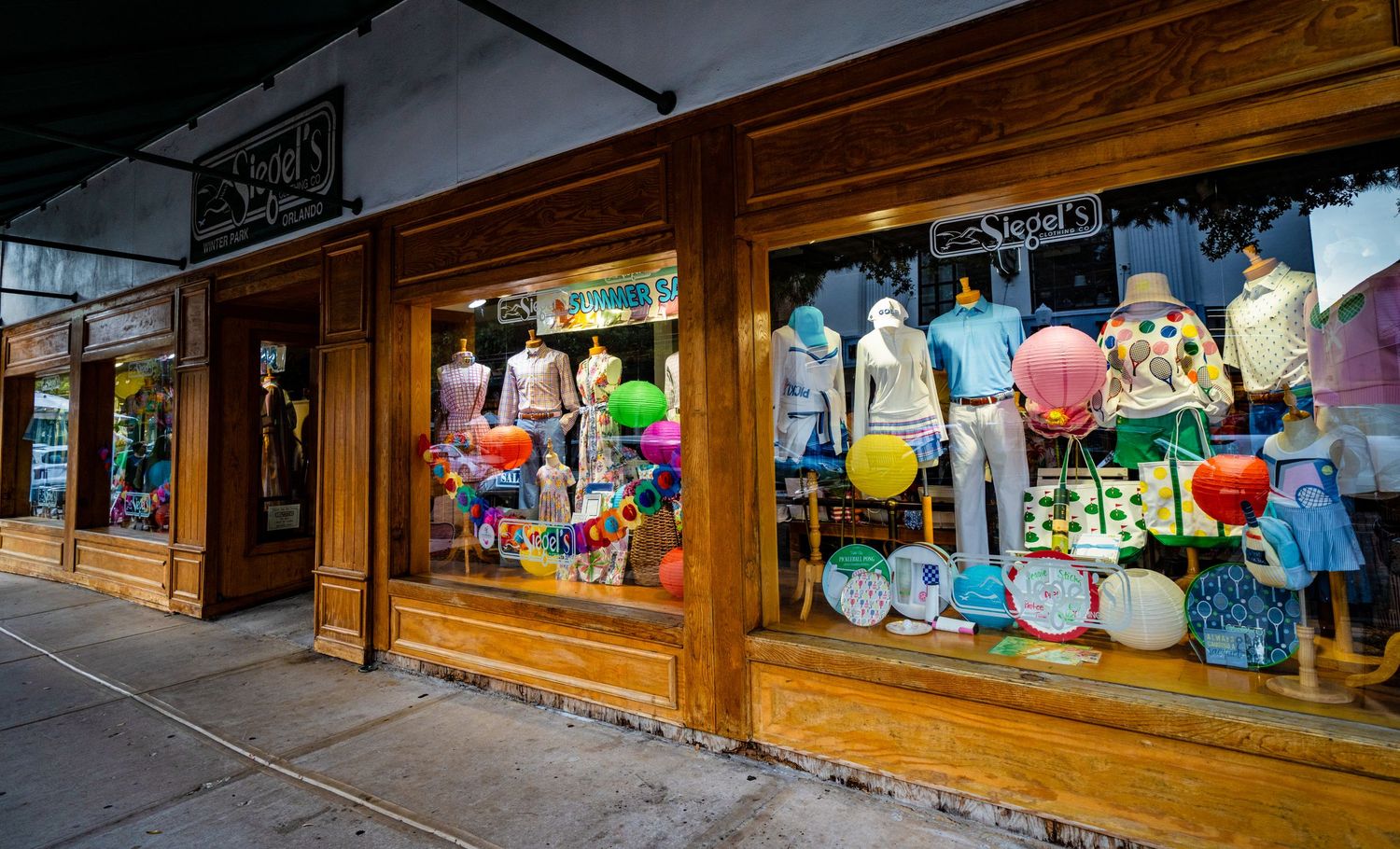
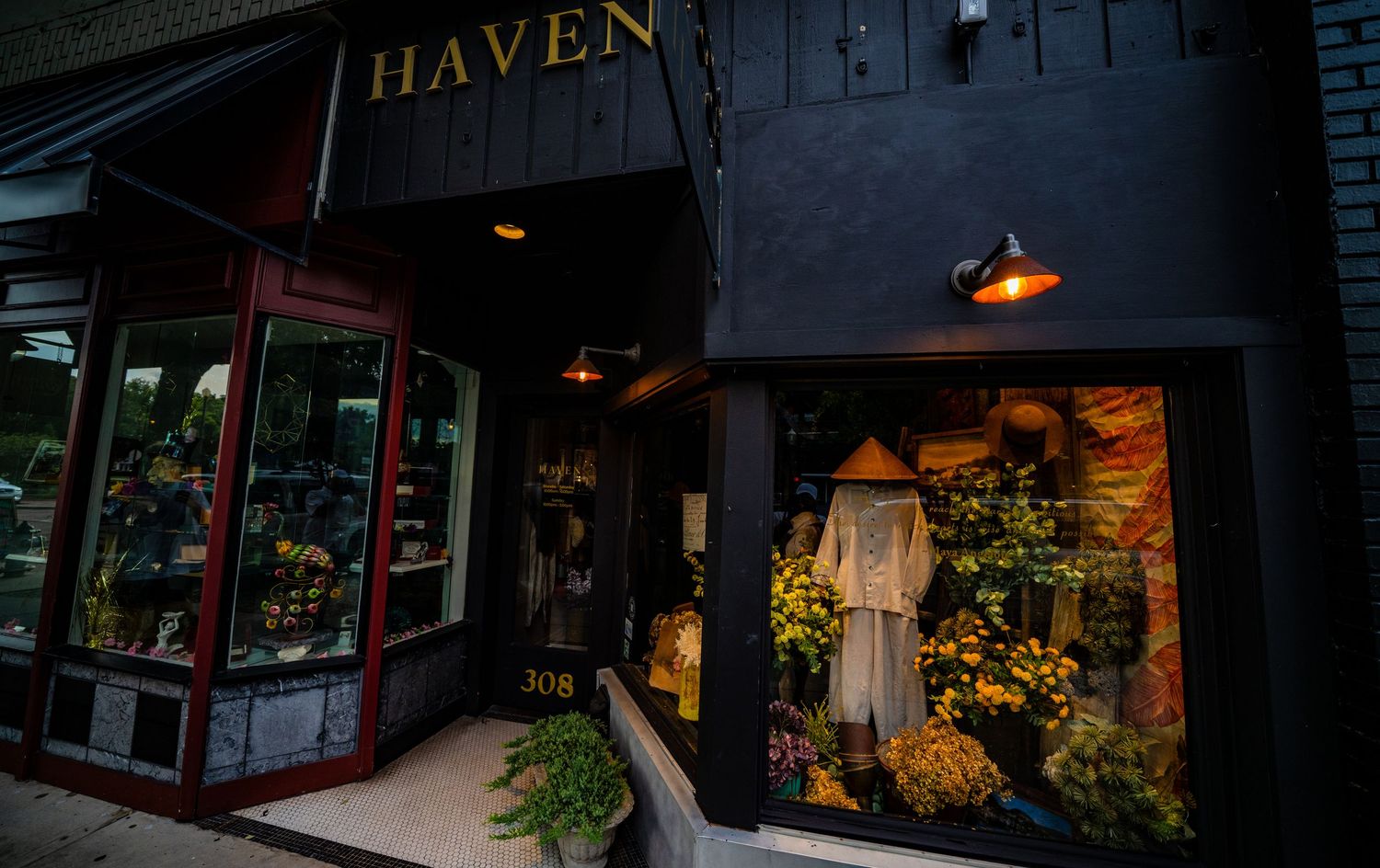
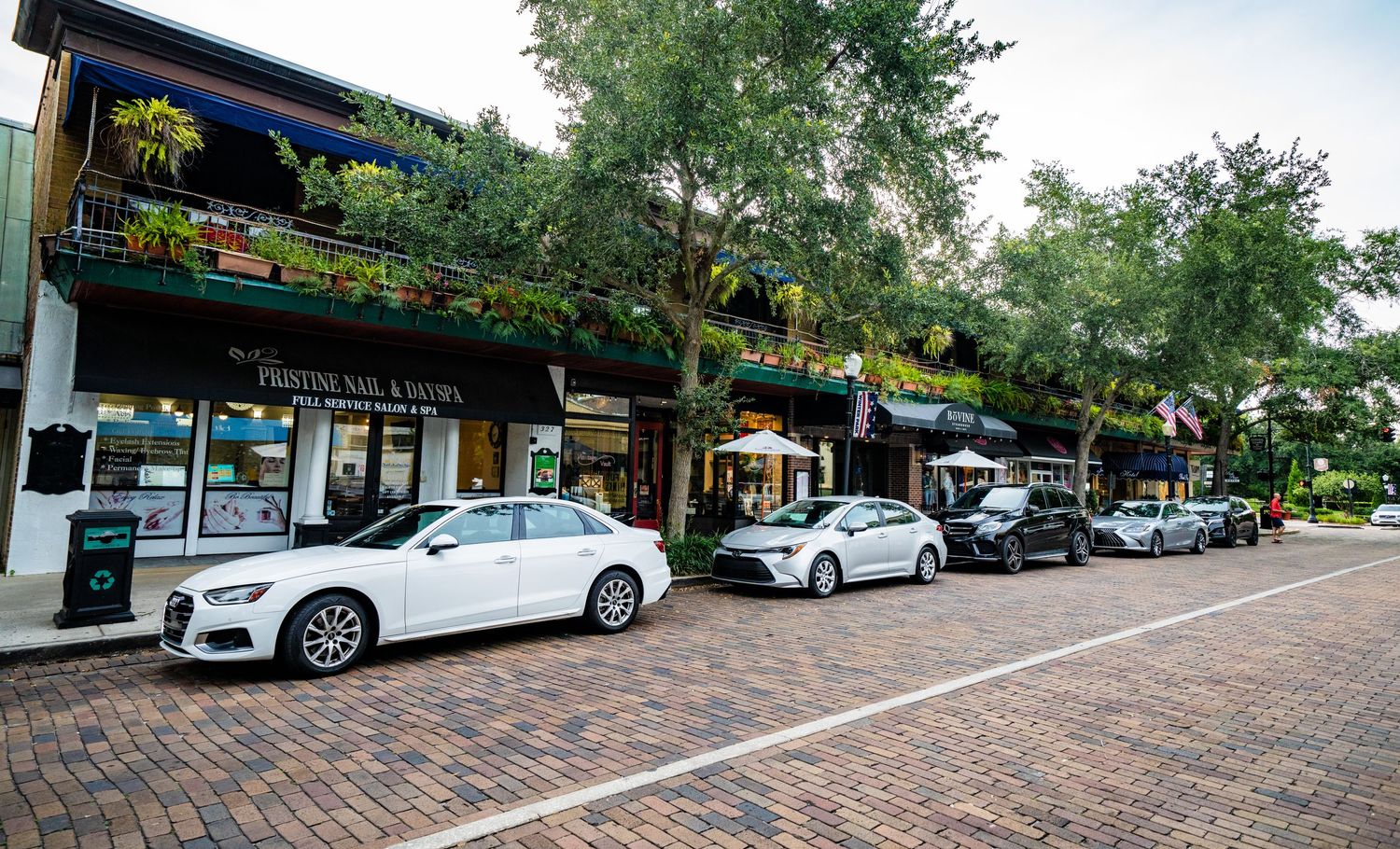
The arrival of the South Florida Railroad in 1882 was the spark. The depot, which still stands in restored form, served as the town’s original heartbeat. From the platform, well-heeled travelers disembarked to enjoy warm winters, scenic lakes, and the polished civility of a newly emerging town. Just steps from the station, Park Avenue was laid out as the town’s central promenade—lined with shade trees, gas lamps, and brick sidewalks. Early shops and boarding houses gave way to fine hotels, bookstores, and fashionable boutiques as the town grew in stature.
By the turn of the century, downtown had firmly established itself as the town’s cultural and social core. Just blocks away, Rollins College—founded in 1885—brought an academic energy that blended seamlessly into the rhythm of downtown life. Intellectuals, artists, and vacationers mingled at tea rooms and art galleries. During the 1930s, civic projects and events like the Winter Park Bach Festival added to downtown’s artistic legacy.
Through the decades, downtown Winter Park managed to modernize without losing its charm. Preservation efforts in the mid-20th century kept historic facades intact, and local pride prevented chain developments from overtaking the town square. Even a dramatic sinkhole that opened just a few blocks away in 1981 didn’t deter the town’s quiet resilience. In fact, it became a point of fascination—eventually filled in and developed into what is now a thriving mixed-use area.
Today, downtown Winter Park remains one of Florida’s most treasured enclaves. Its brick-lined streets still echo with footsteps from the past, while outdoor cafés, art galleries, and the weekly farmers market continue the traditions of gathering and community. The train still rolls through, now as a SunRail stop, a gentle reminder that this district began as a place to arrive—and stayed because people never wanted to leave.
DeLand
Founded in 1876 by baking soda entrepreneur Henry A. DeLand, this Central Florida town was envisioned as a cultural and educational oasis in the middle of a growing frontier. DeLand believed a town could thrive with equal parts commerce and culture, and he set out to create just that. He established Florida’s first private college, which would later become Stetson University, laying the foundation for a legacy of learning and civic pride. Despite setbacks—including a devastating freeze in the 1880s—DeLand endured, anchored by its vibrant downtown, historic architecture, and a spirit of intellectual curiosity that still defines it today.
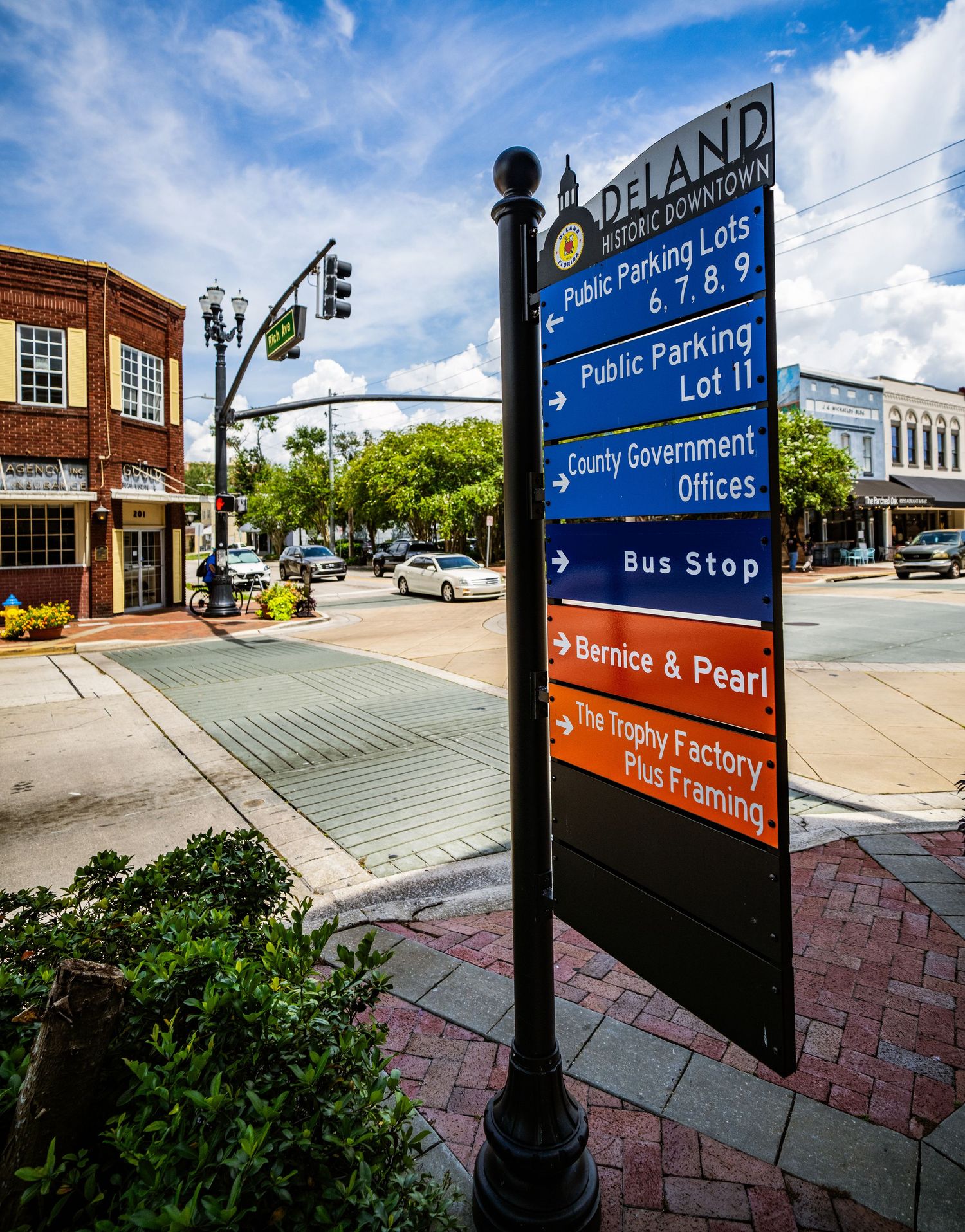
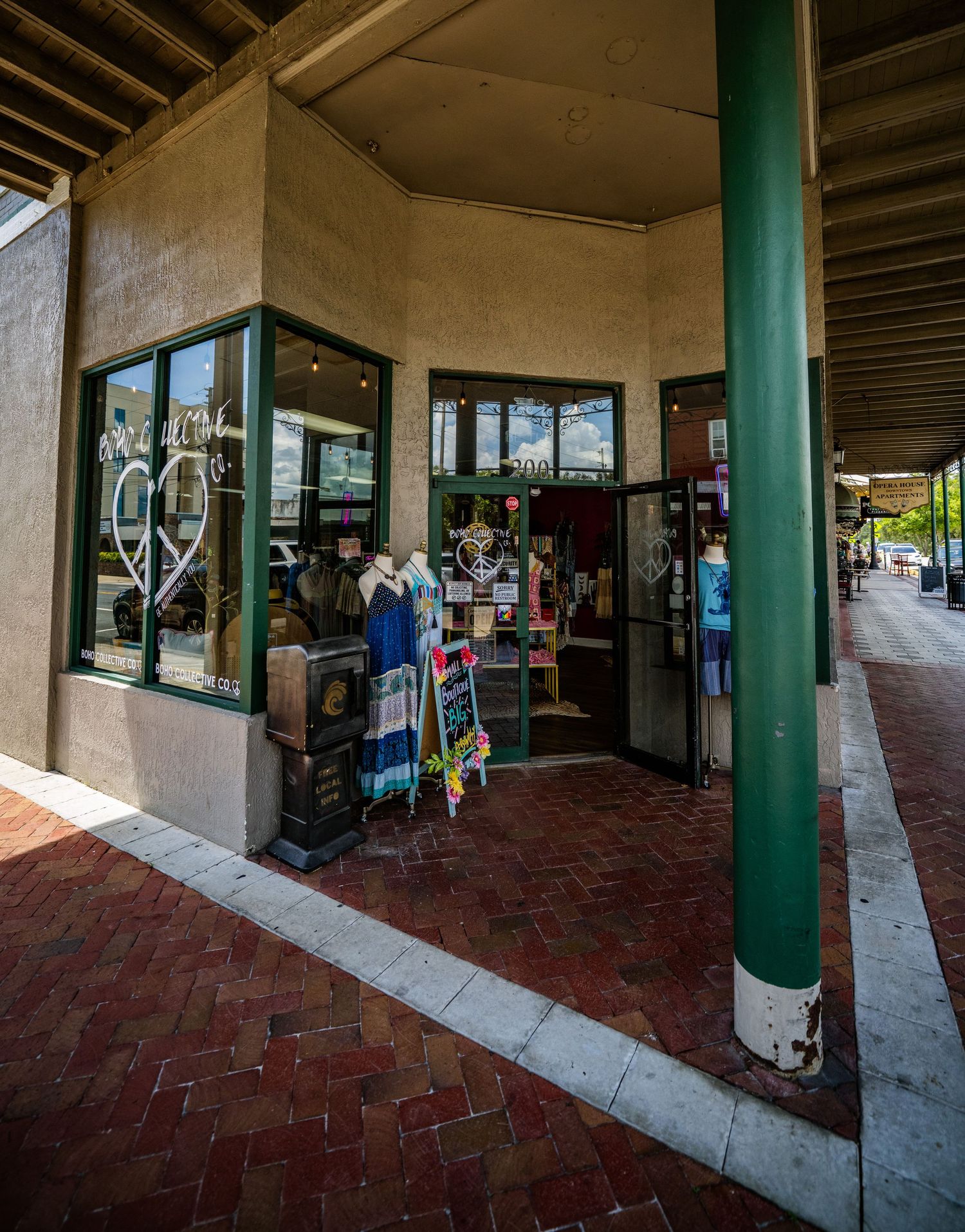
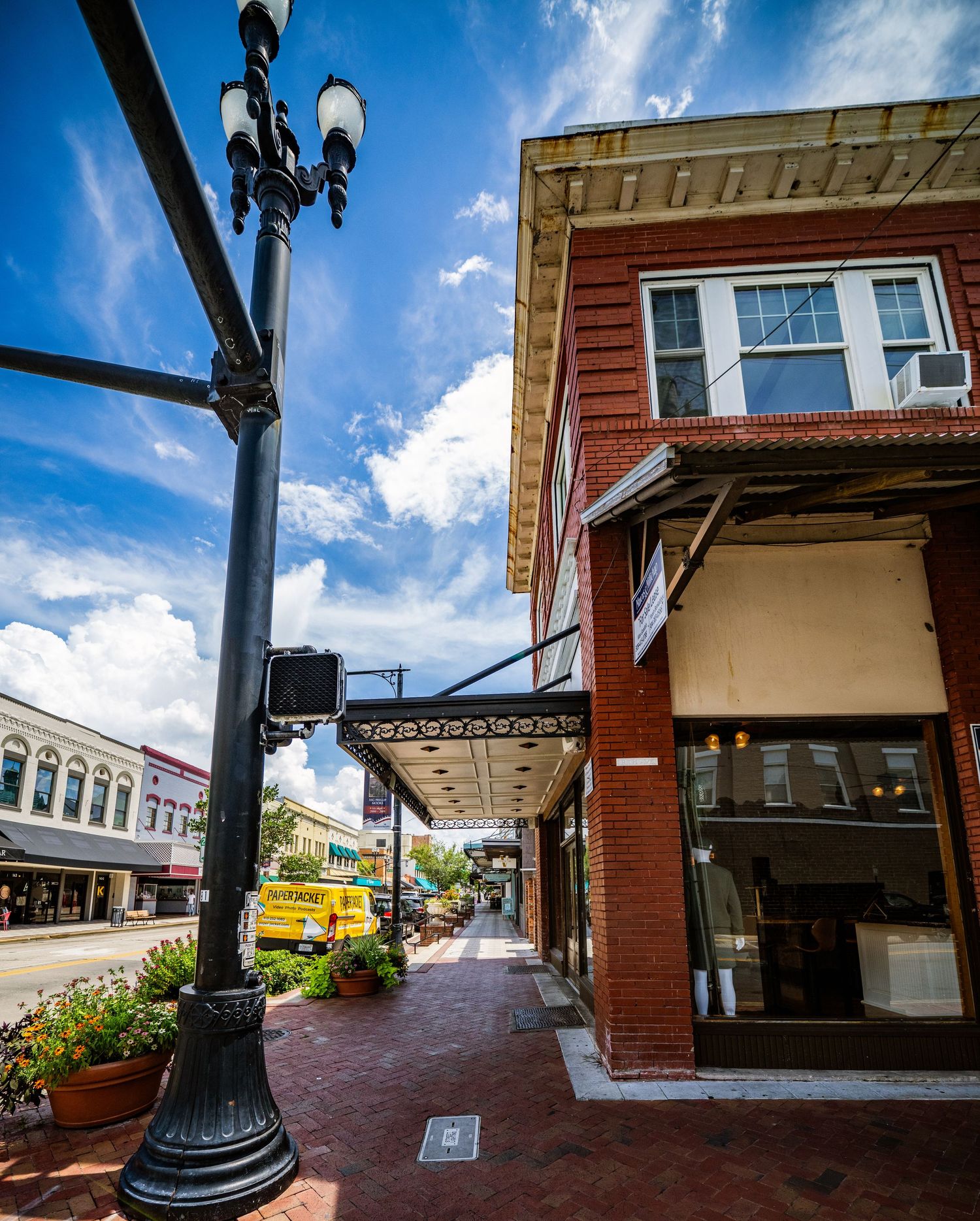
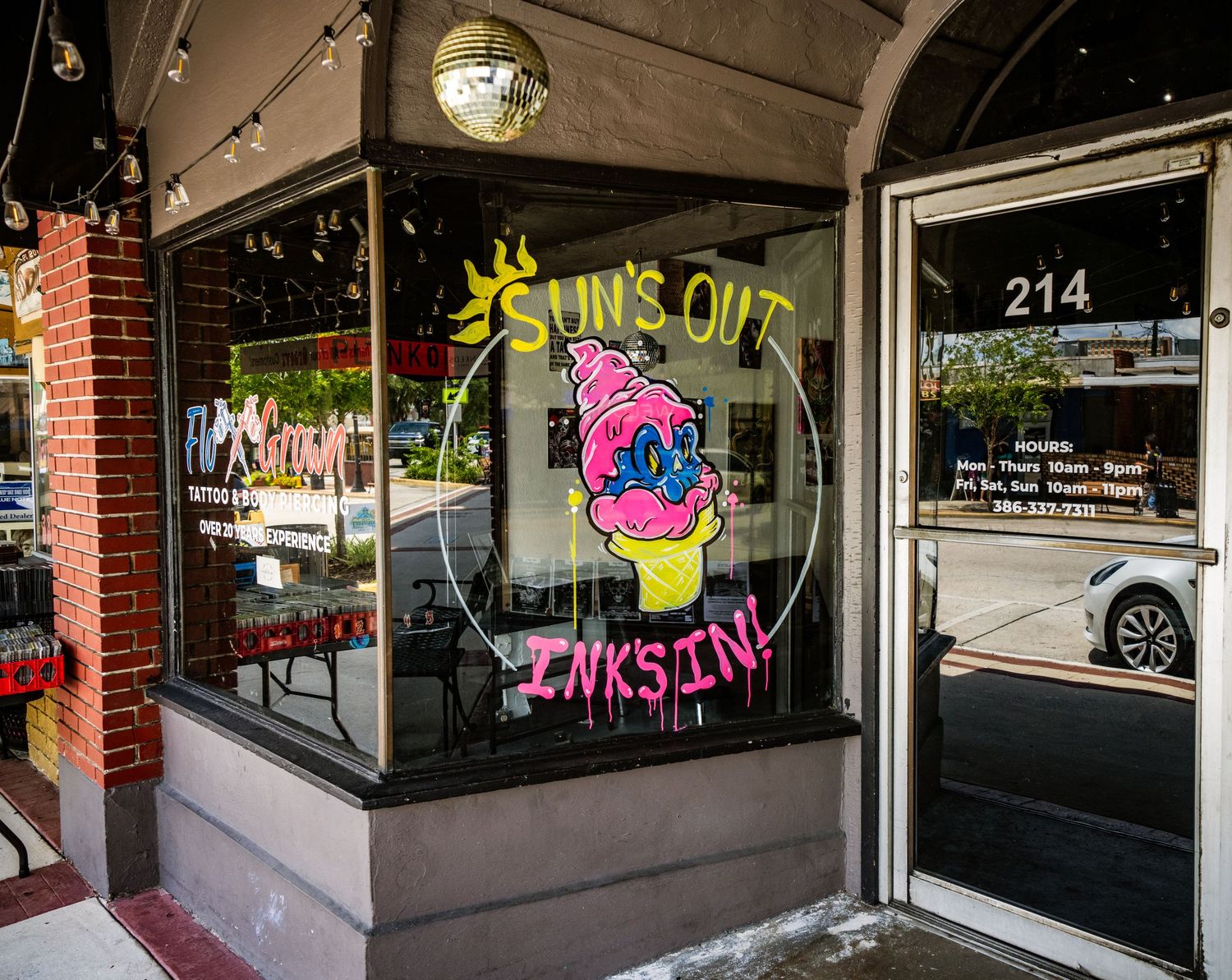
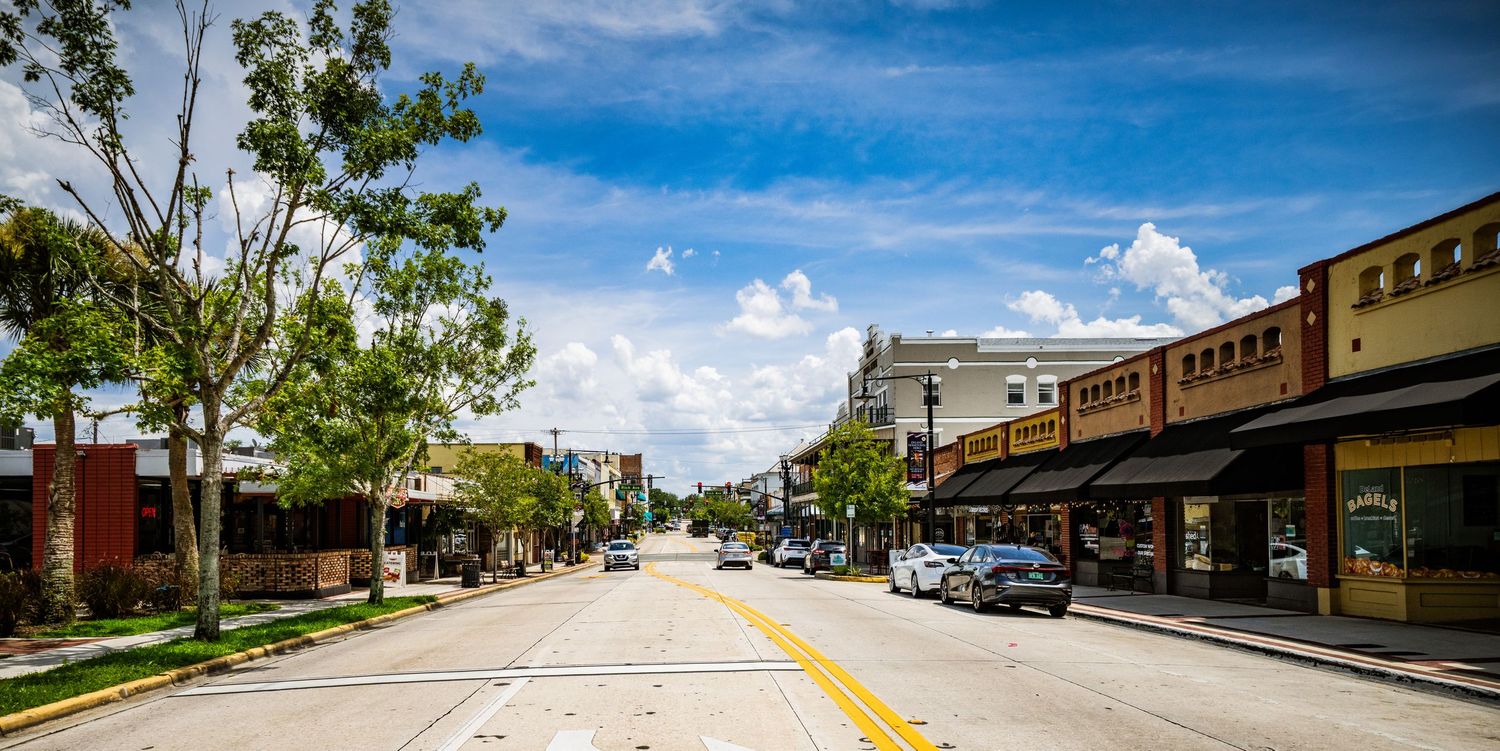
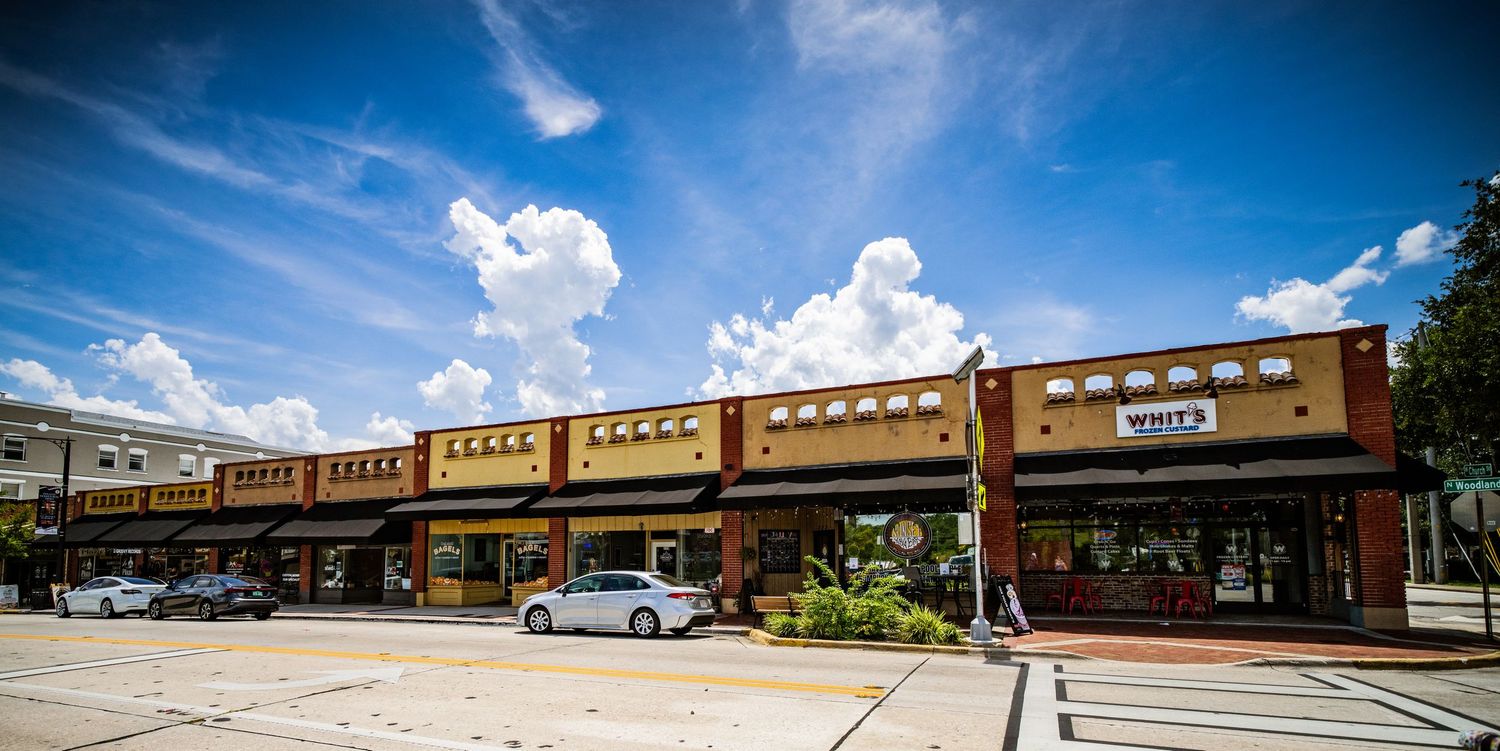
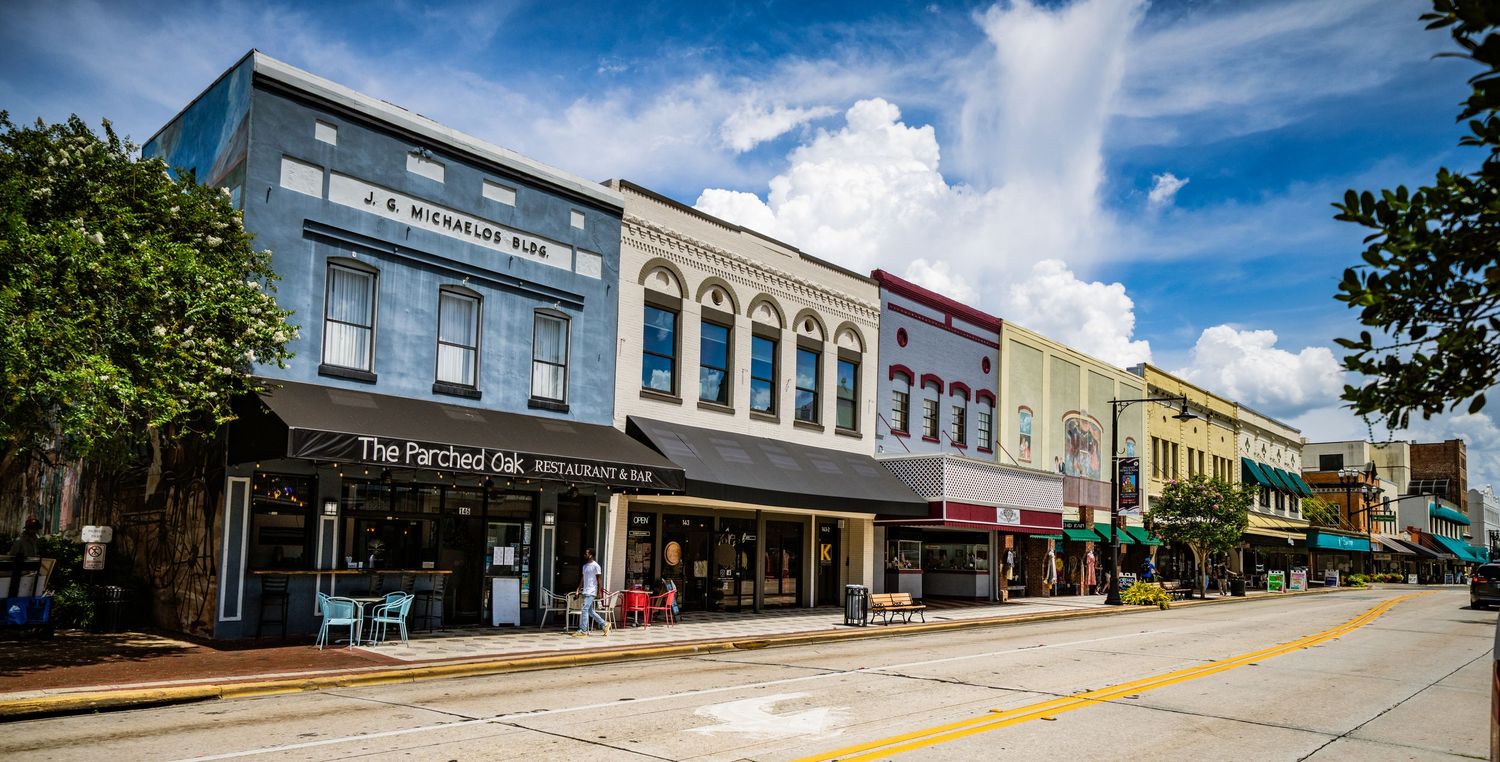
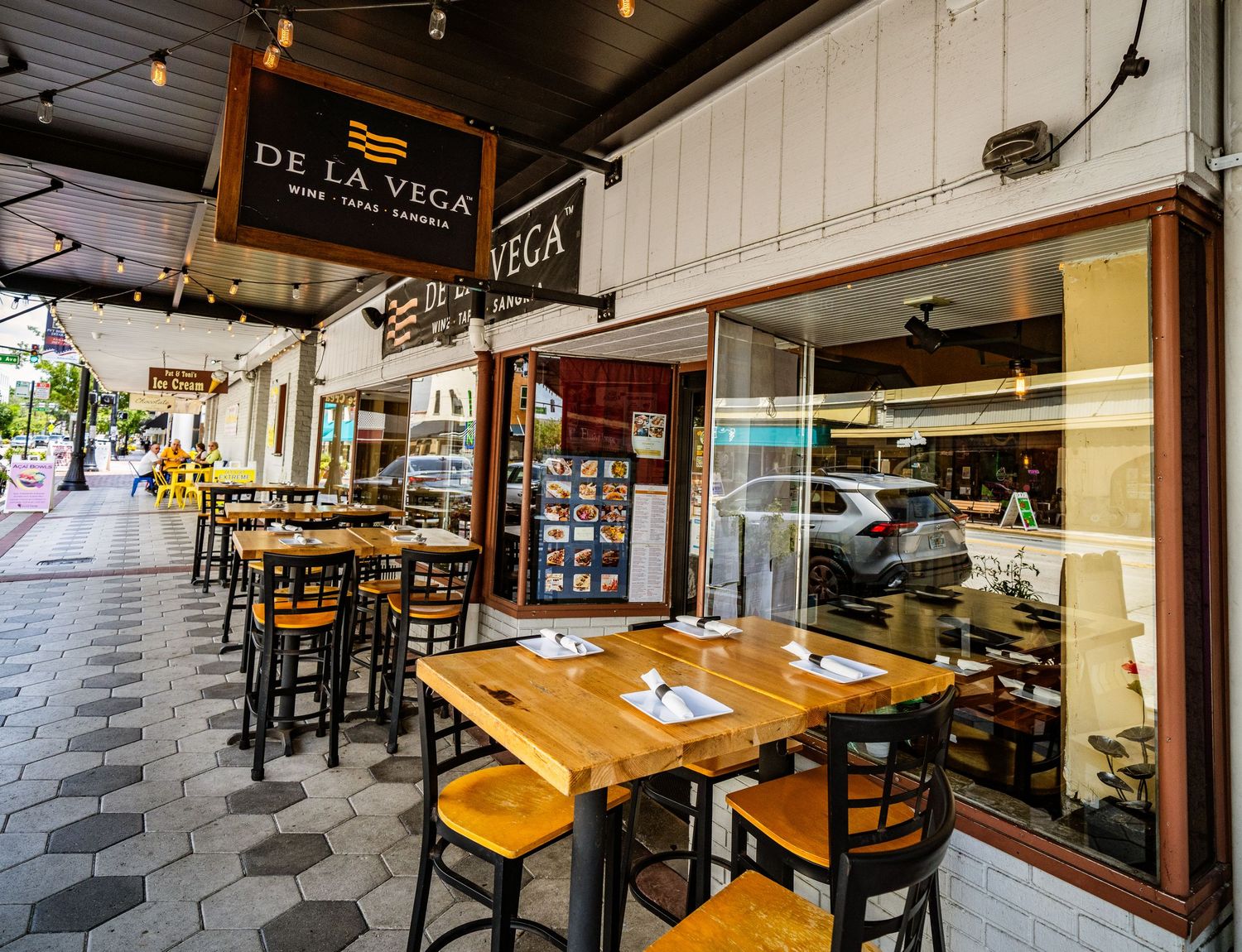
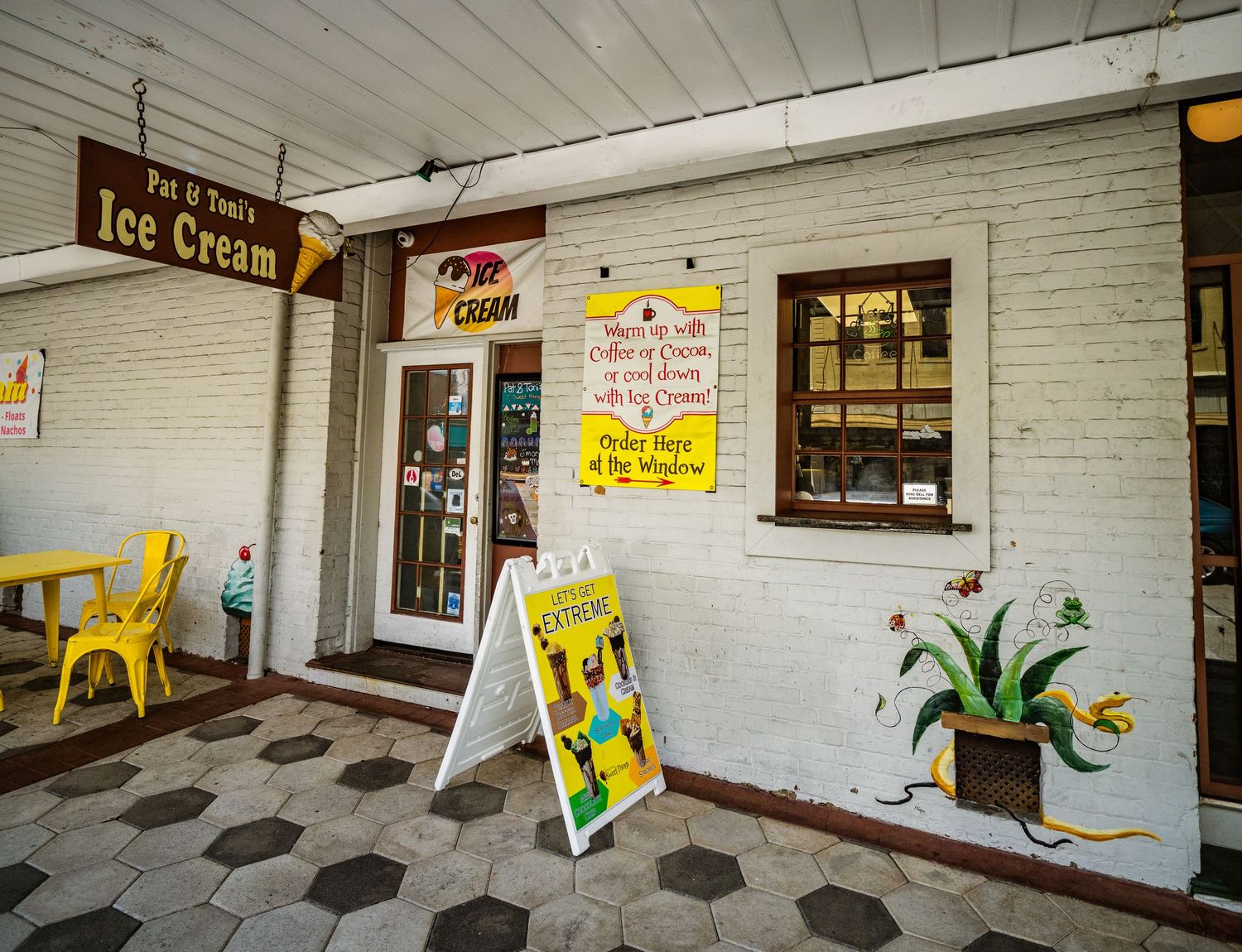
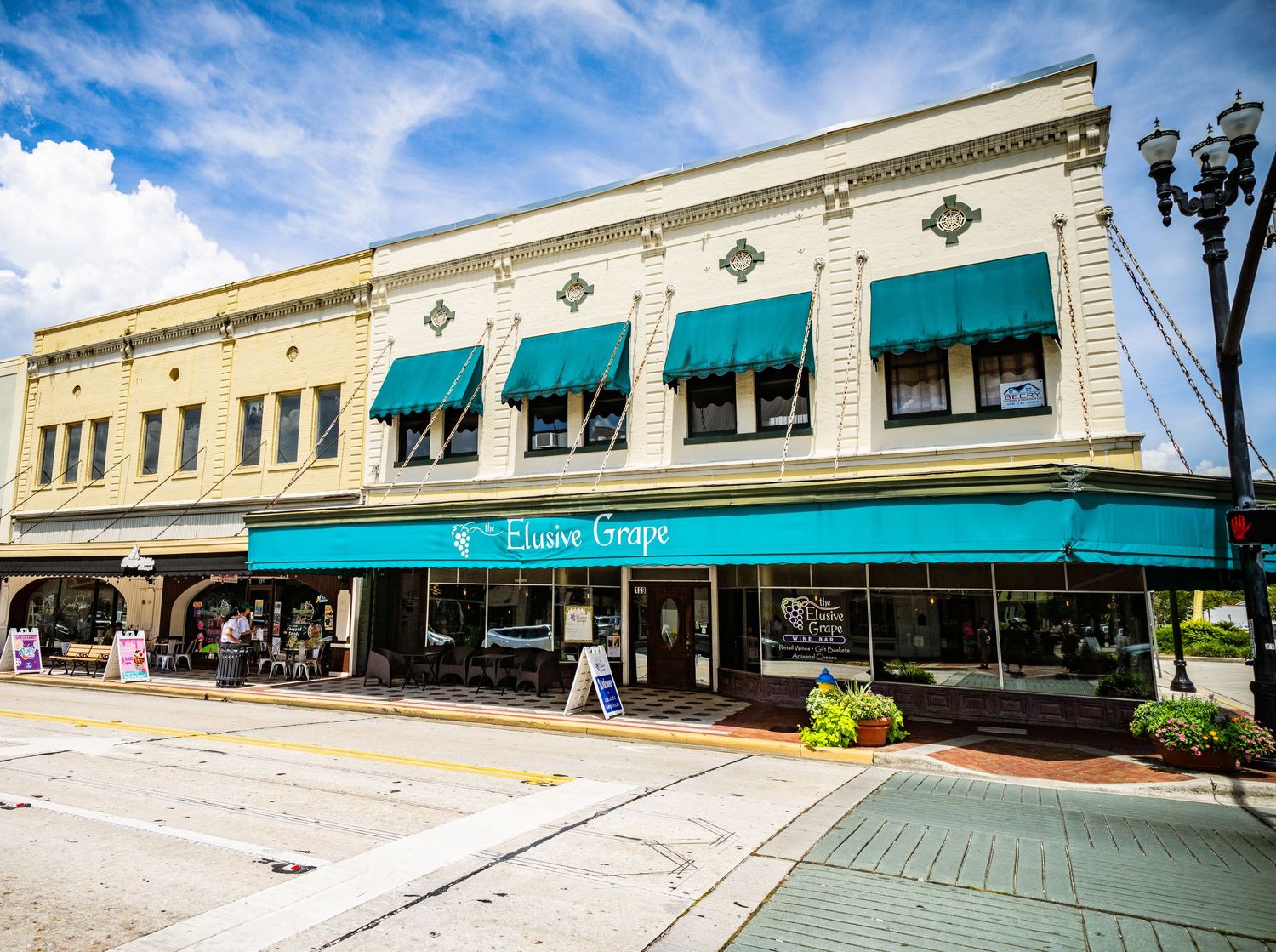
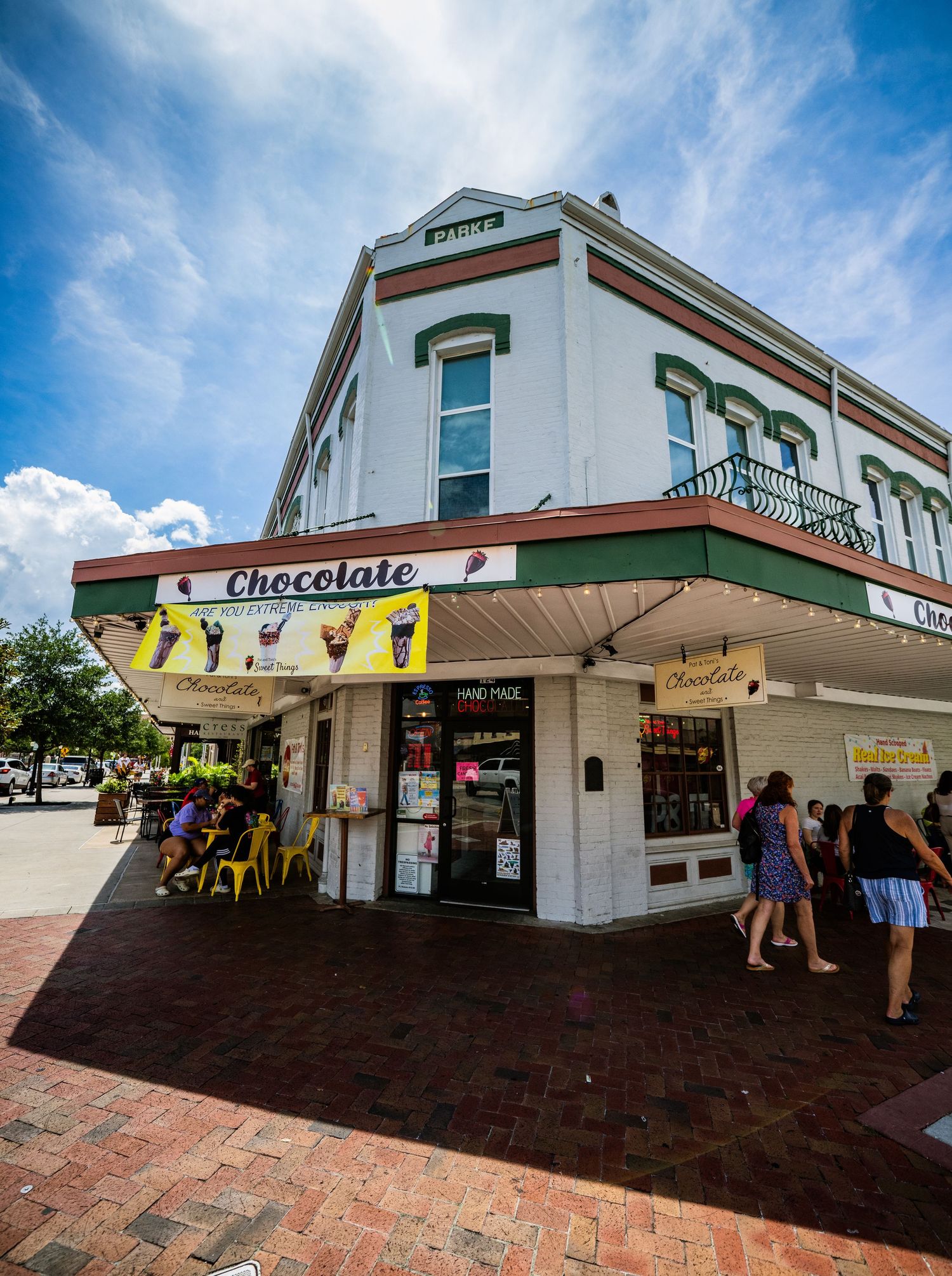
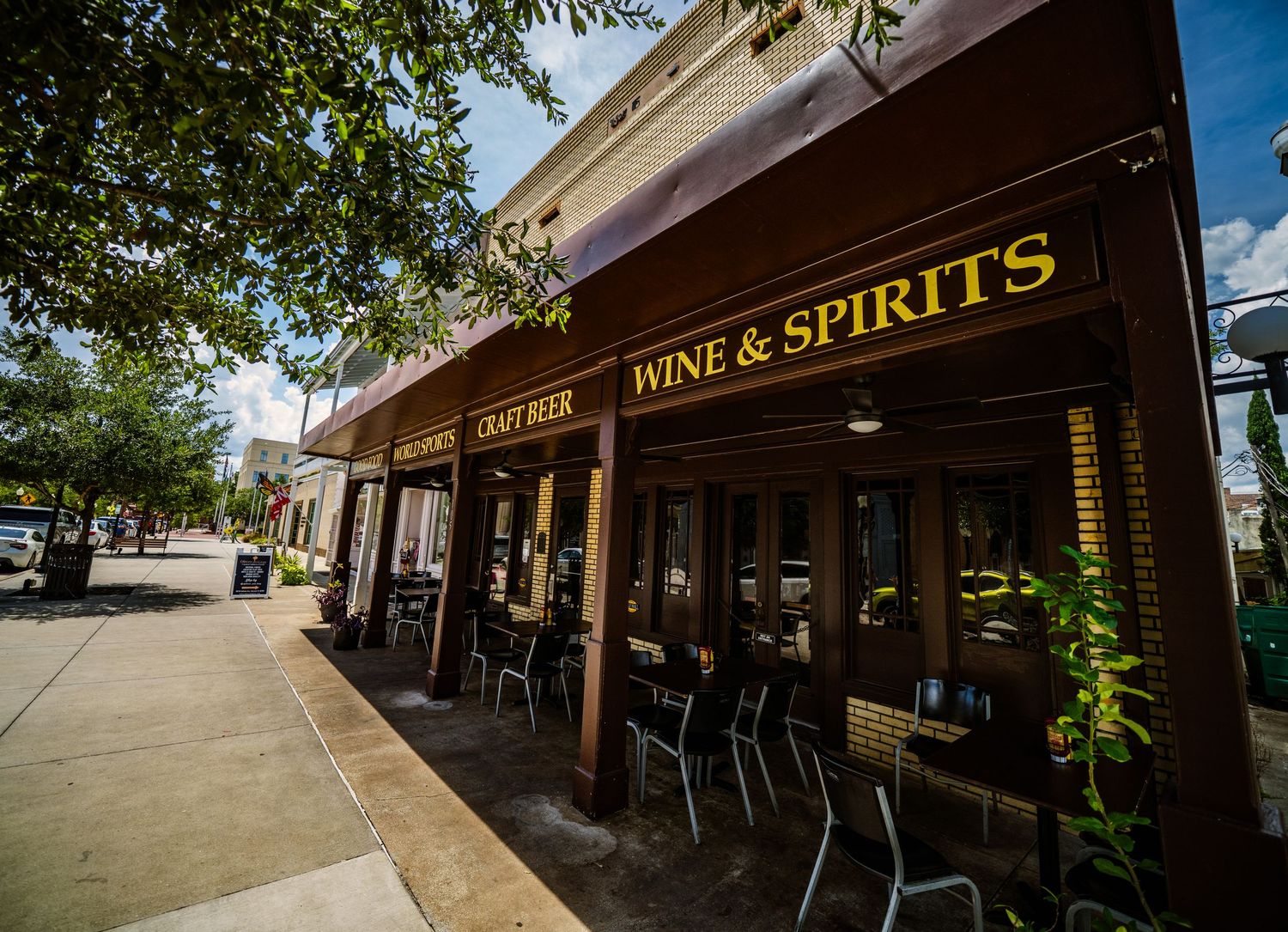
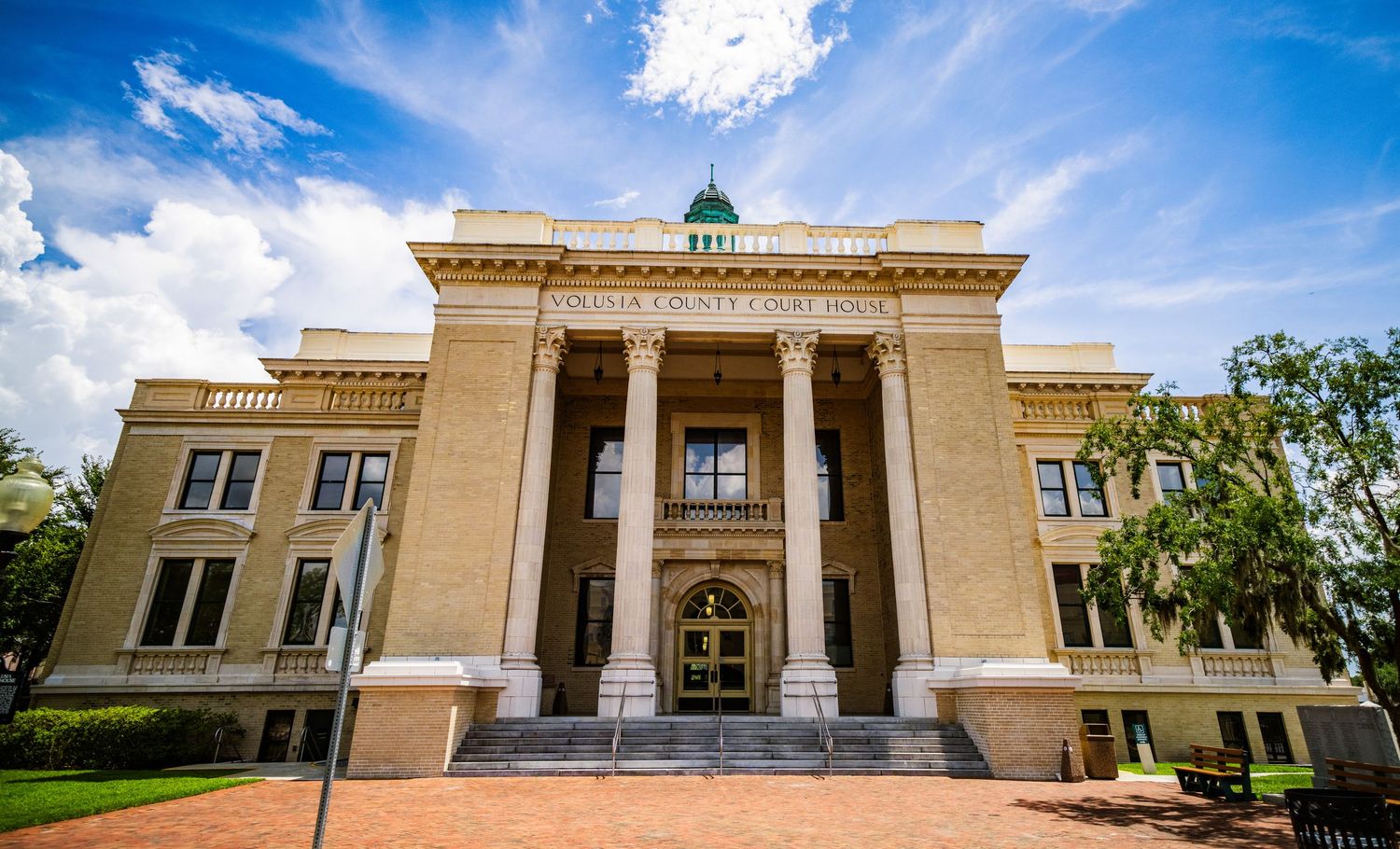
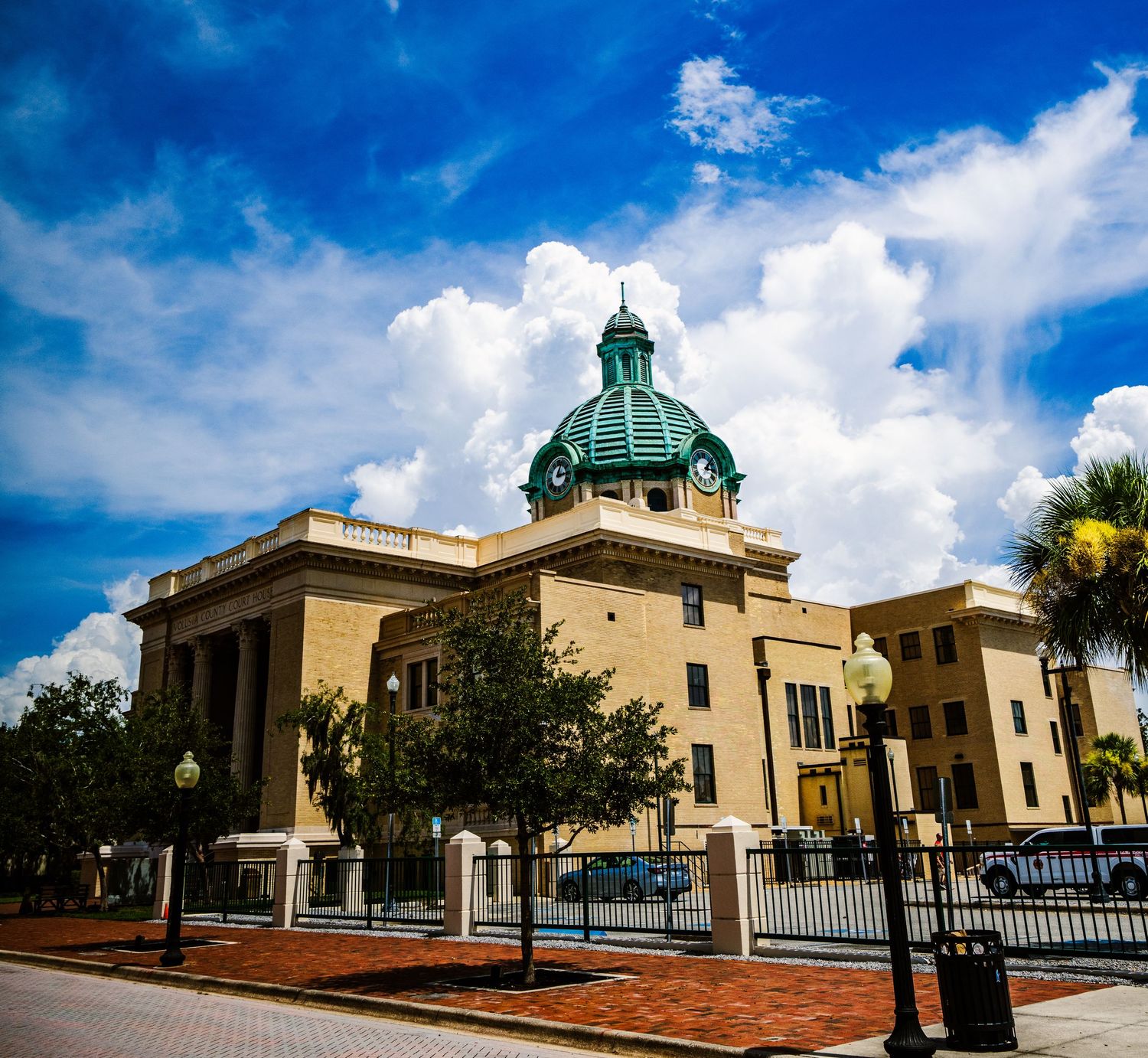
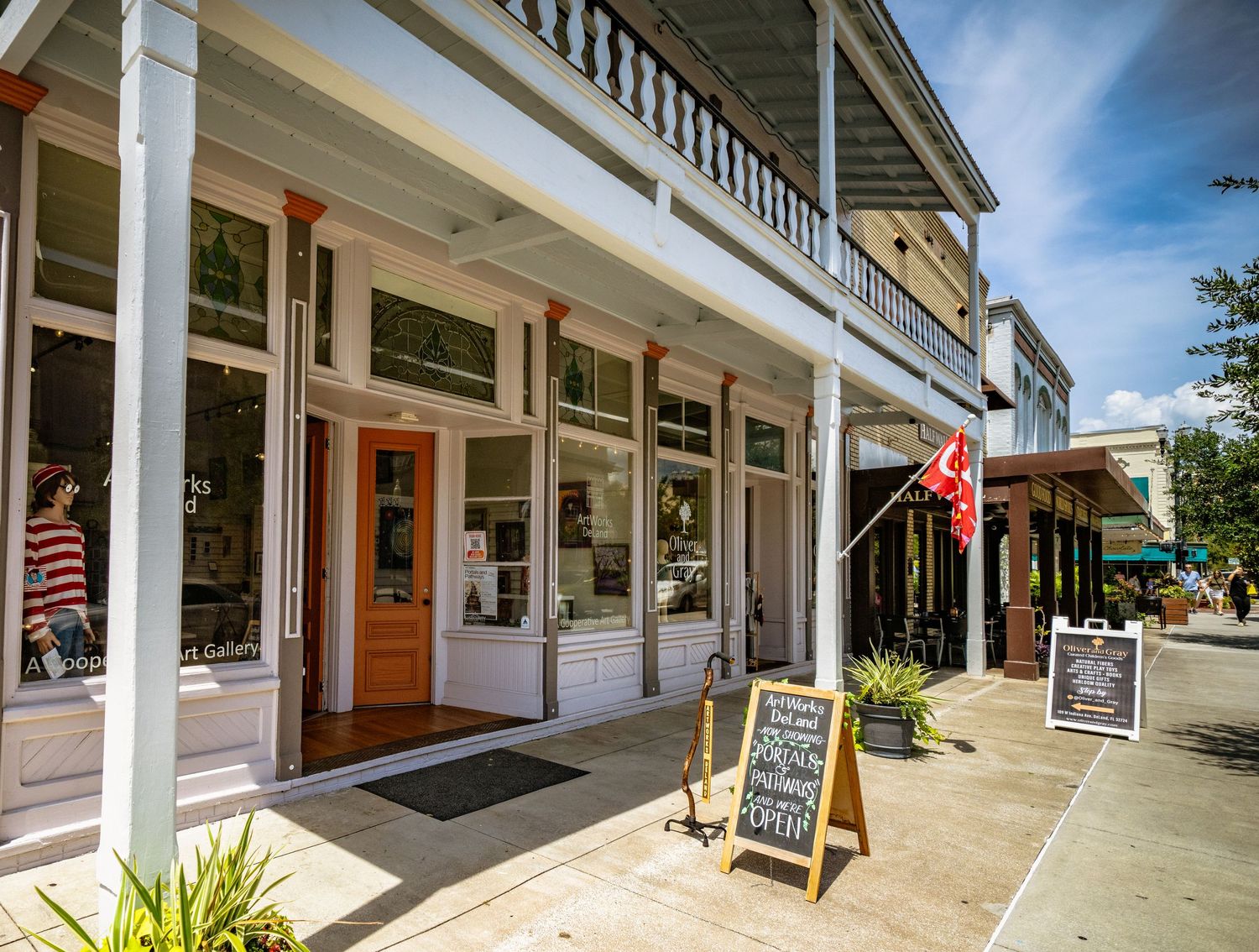
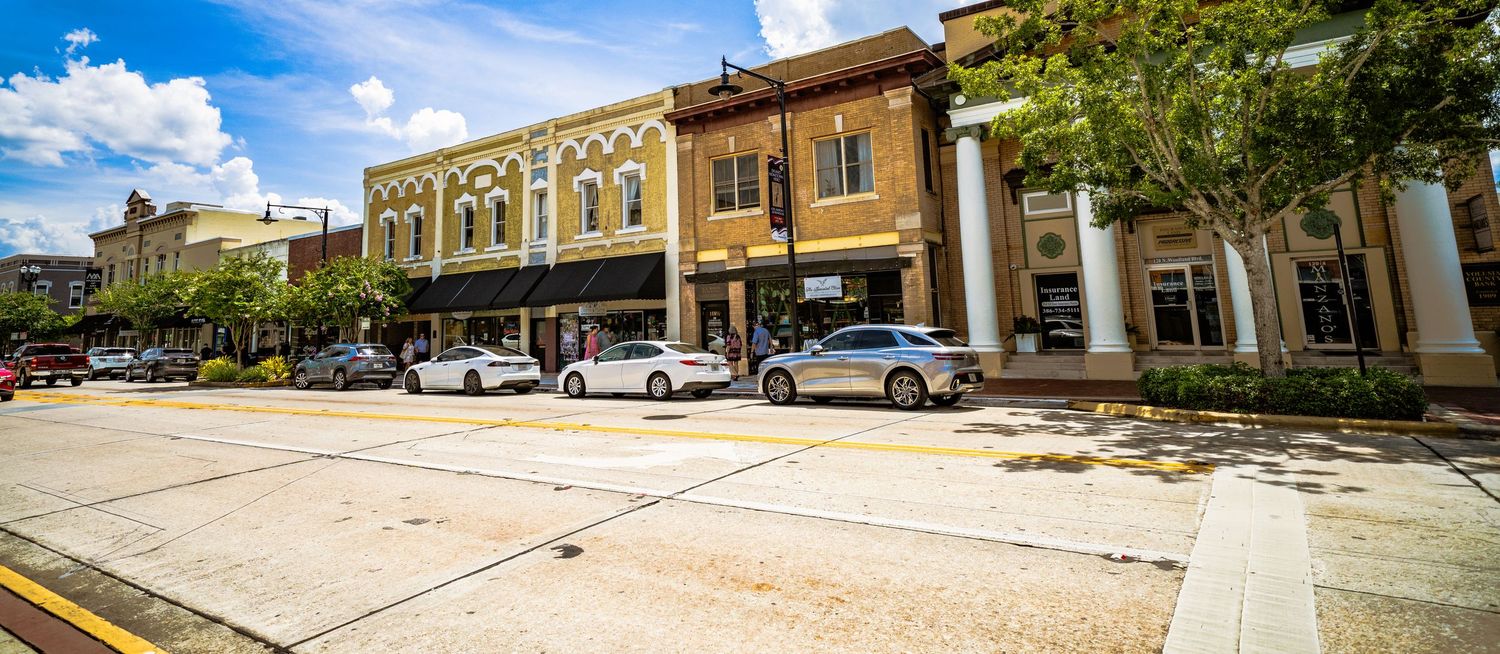
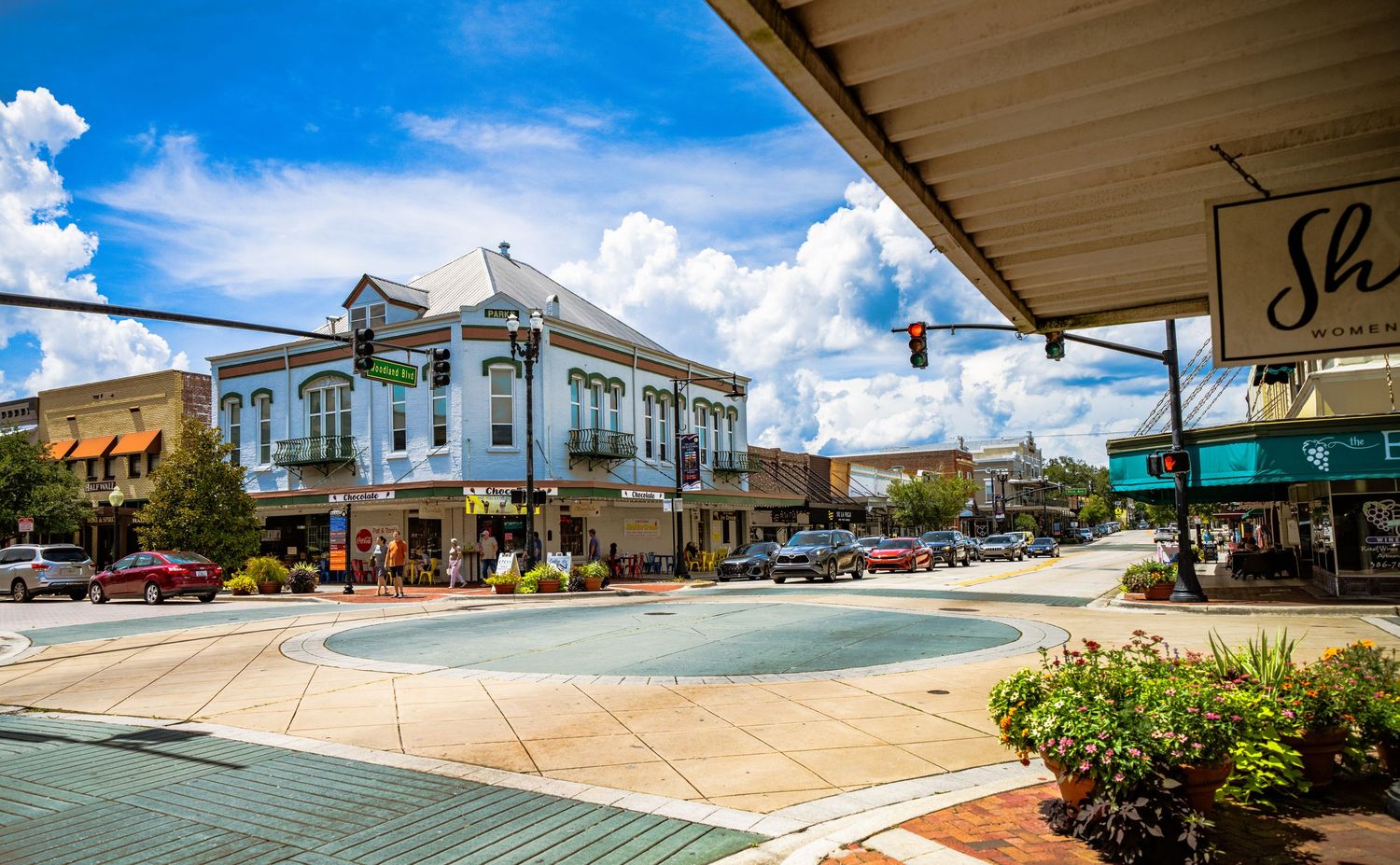
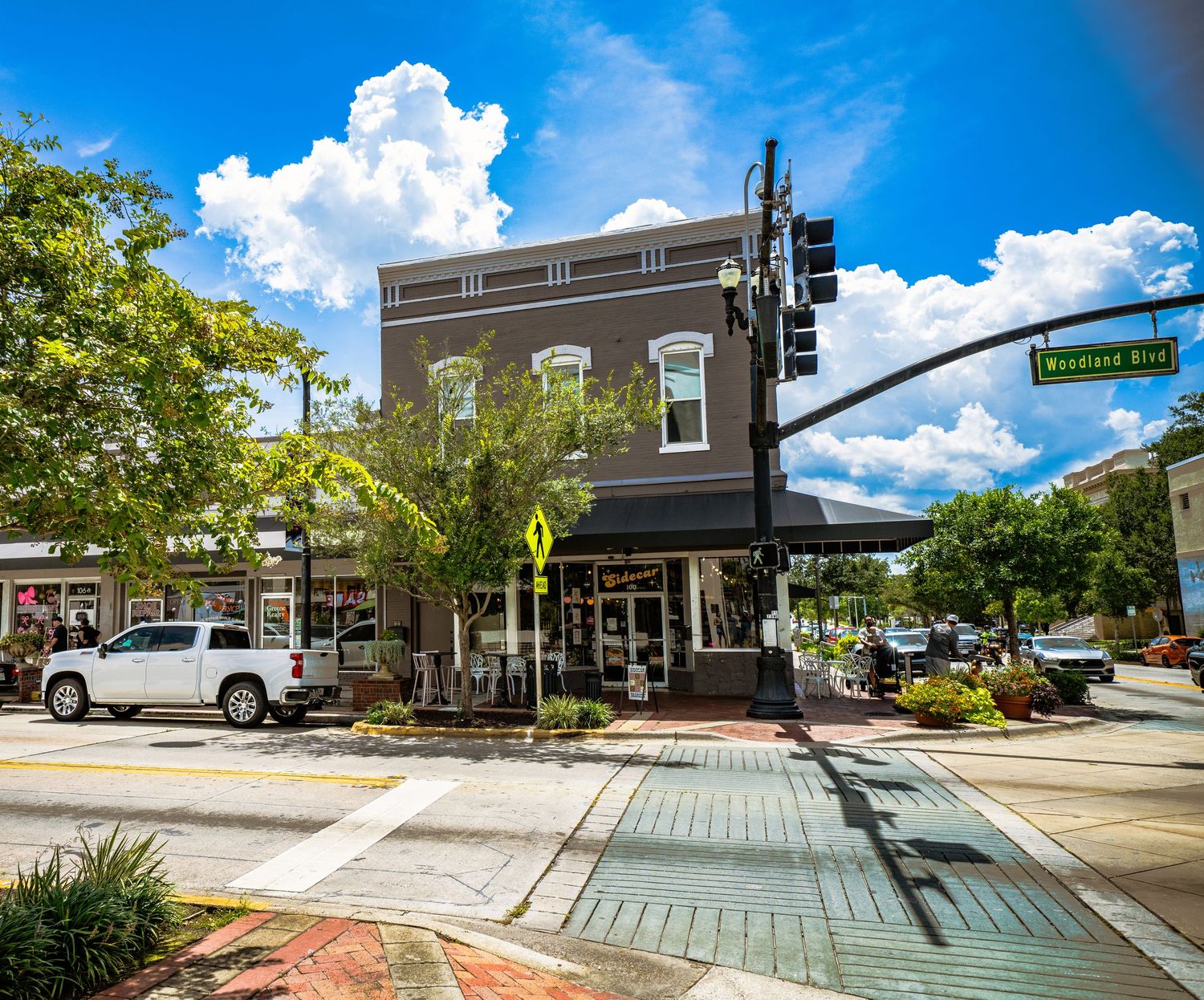
DeLand holds historical significance as one of Florida’s earliest planned communities rooted in higher education and civic ideals. Its founder, Henry A. DeLand, envisioned more than just a settlement—he sought to establish a town that prioritized culture, learning, and refinement. The creation of Stetson University in 1883 not only brought academic prestige to Central Florida but also helped shape the region’s identity as more than just an agricultural expanse. DeLand’s commitment to arts, education, and community structure laid the groundwork for what would become a lasting legacy of intellectual and architectural preservation.
Sanford
Sanford’s story begins on the southern shore of Lake Monroe, where riverboats once ushered travelers and goods into Central Florida in the late 19th century. Founded by Henry Shelton Sanford in the 1870s, the city became a bustling transportation and agricultural hub, especially known for its celery farms that earned it the nickname “Celery City.” The arrival of the railroad cemented its importance in regional commerce. Today, Sanford’s historic downtown has undergone a revival—filled with artisan shops, lively breweries, and waterfront views—offering a perfect mix of past and present with every step along its cobbled streets.
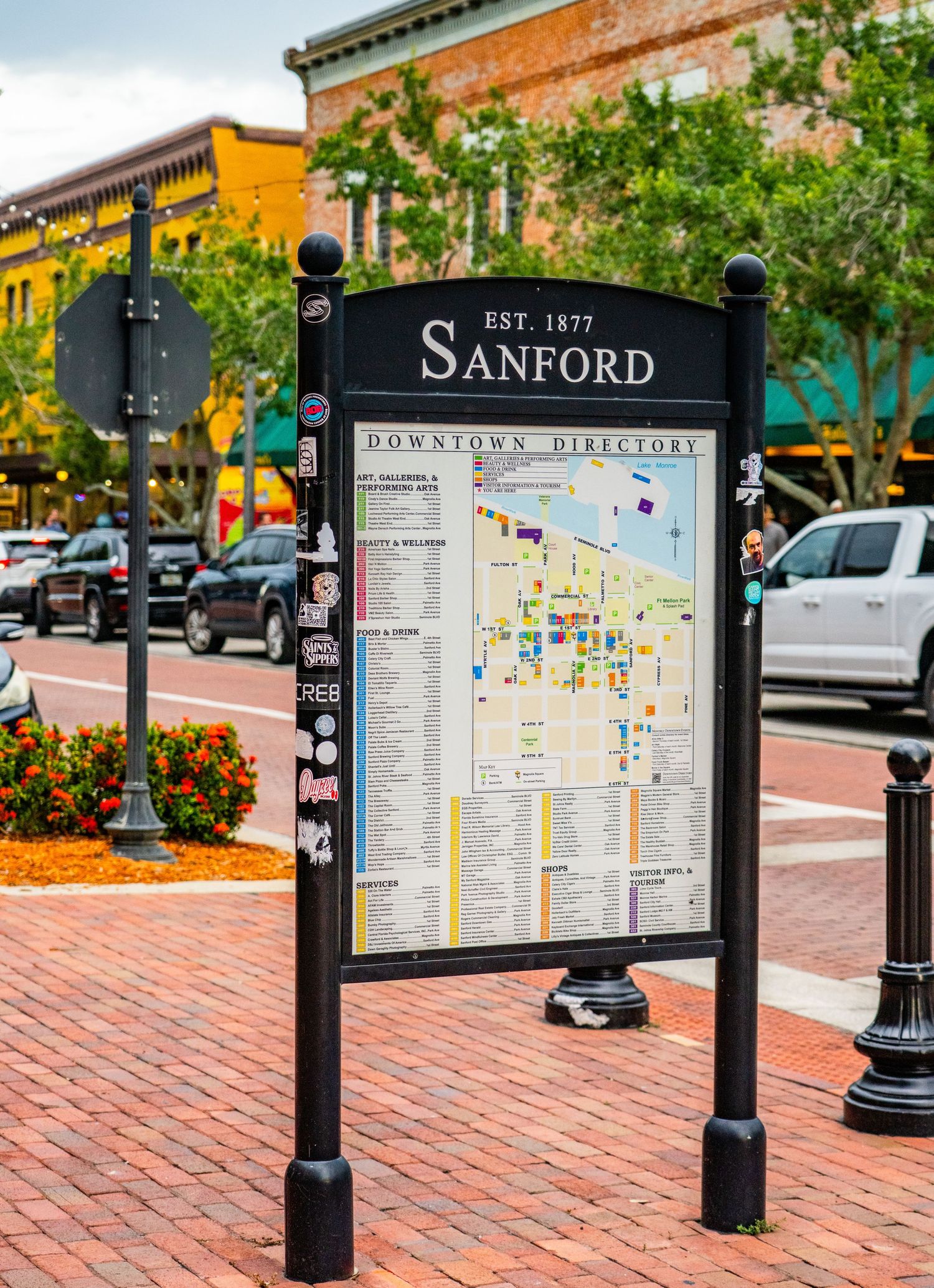
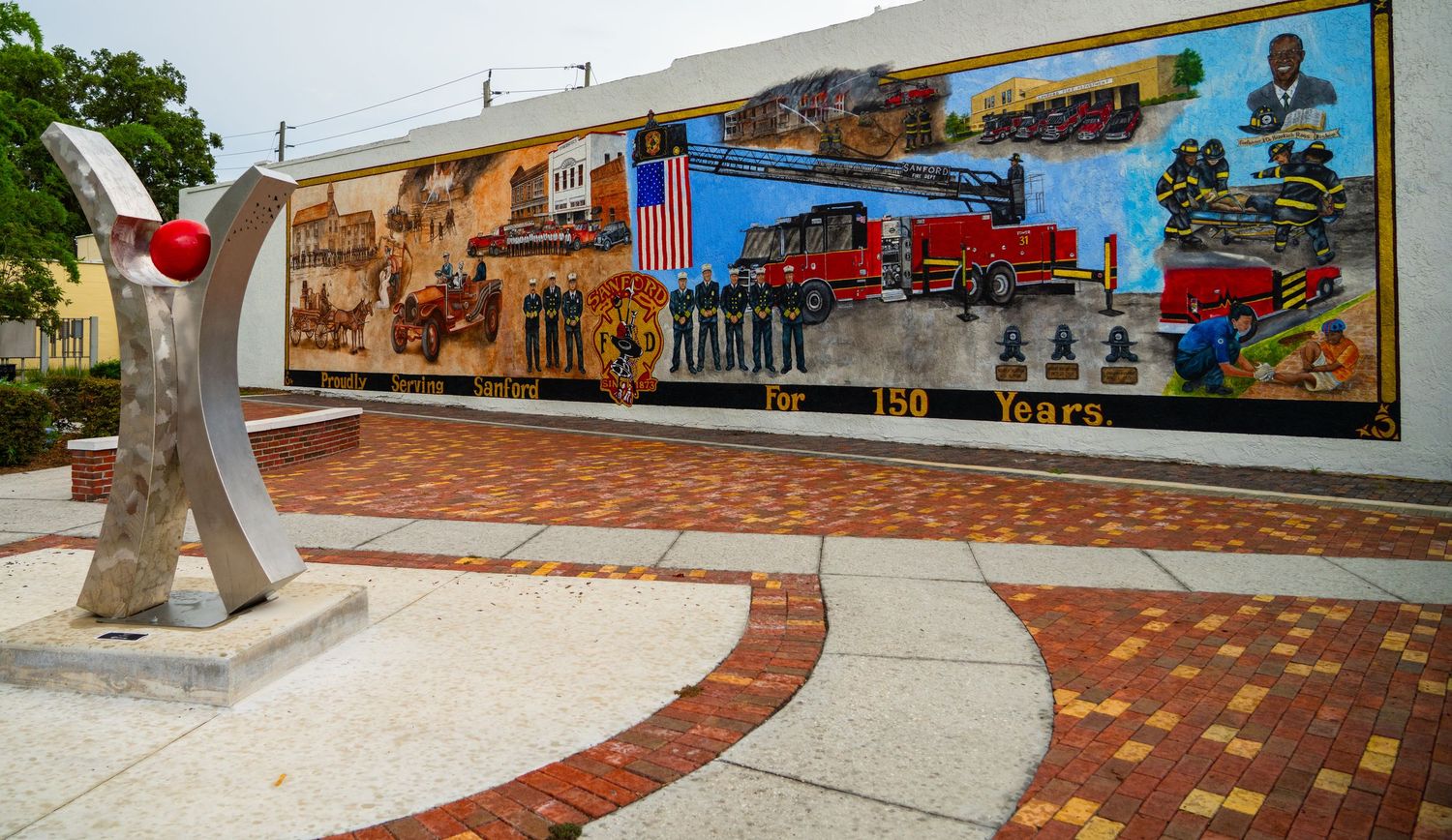
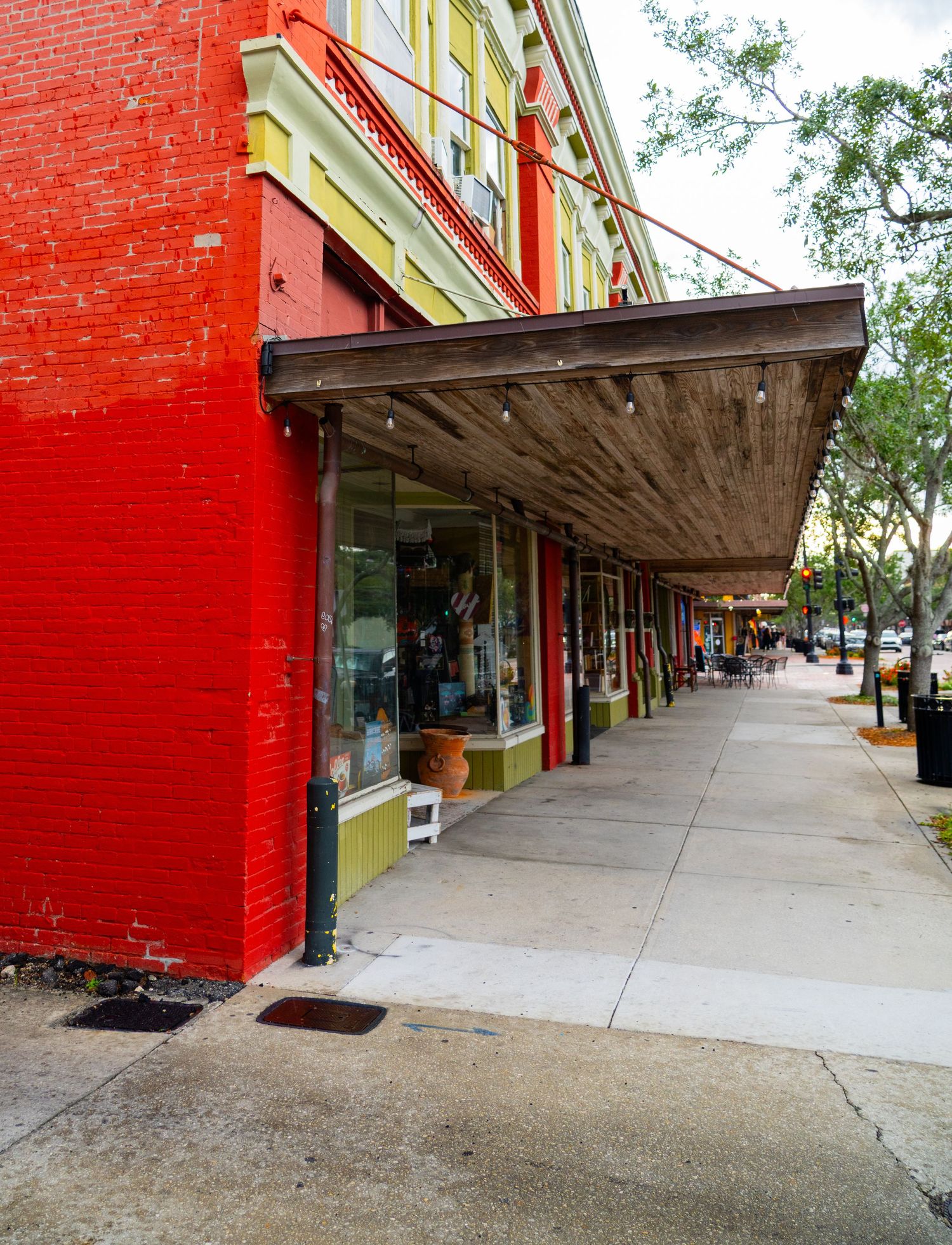
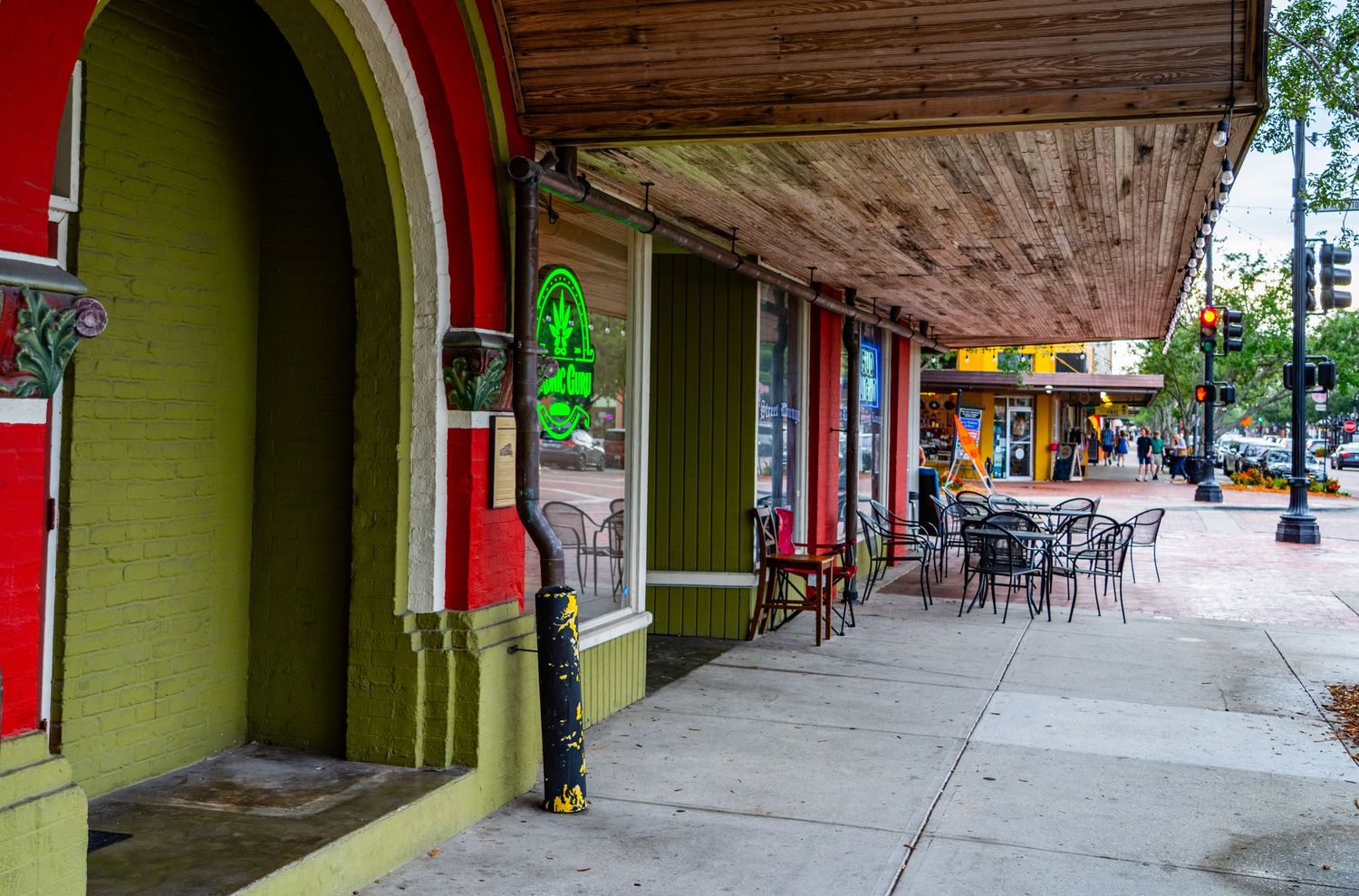
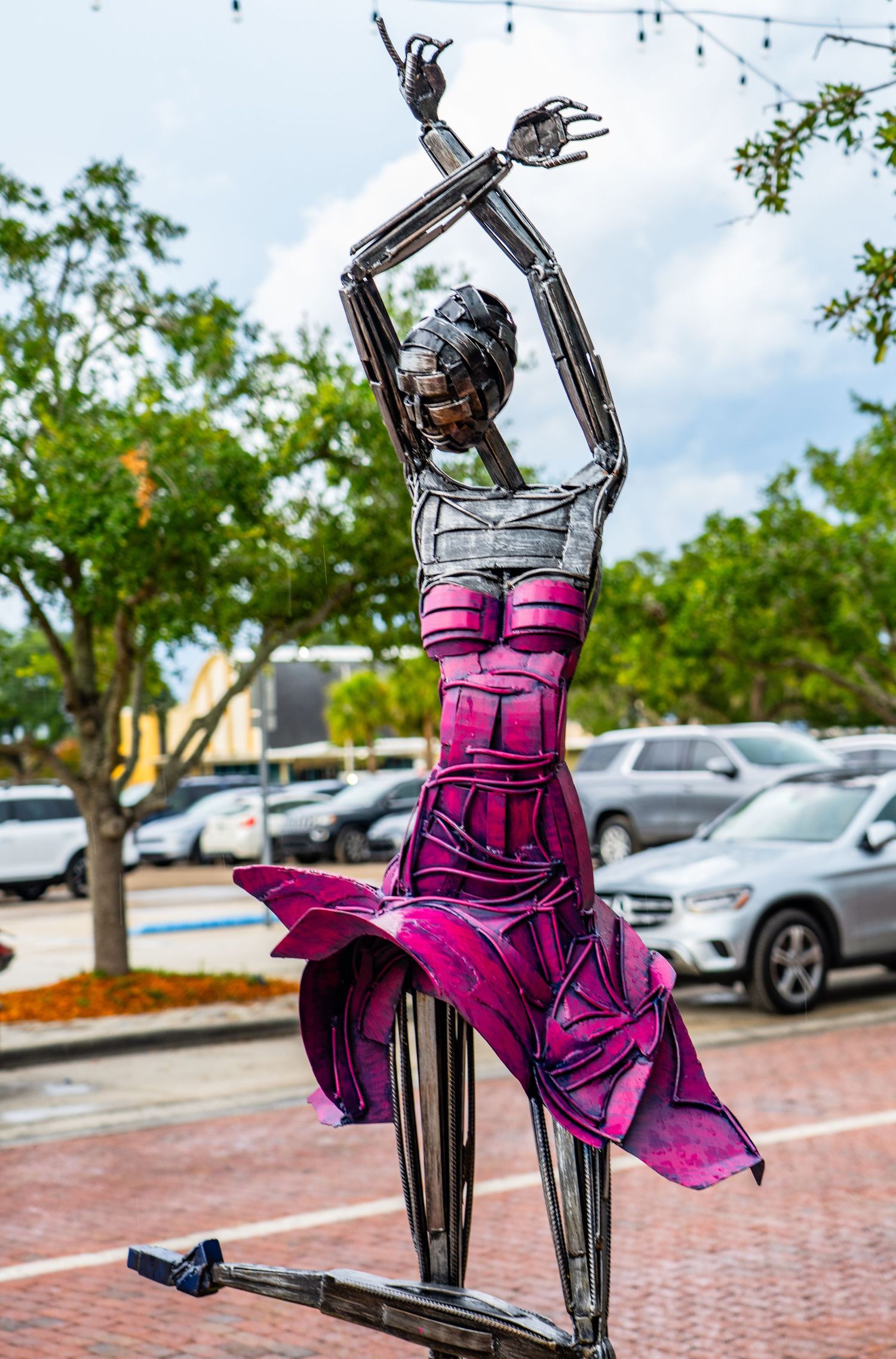
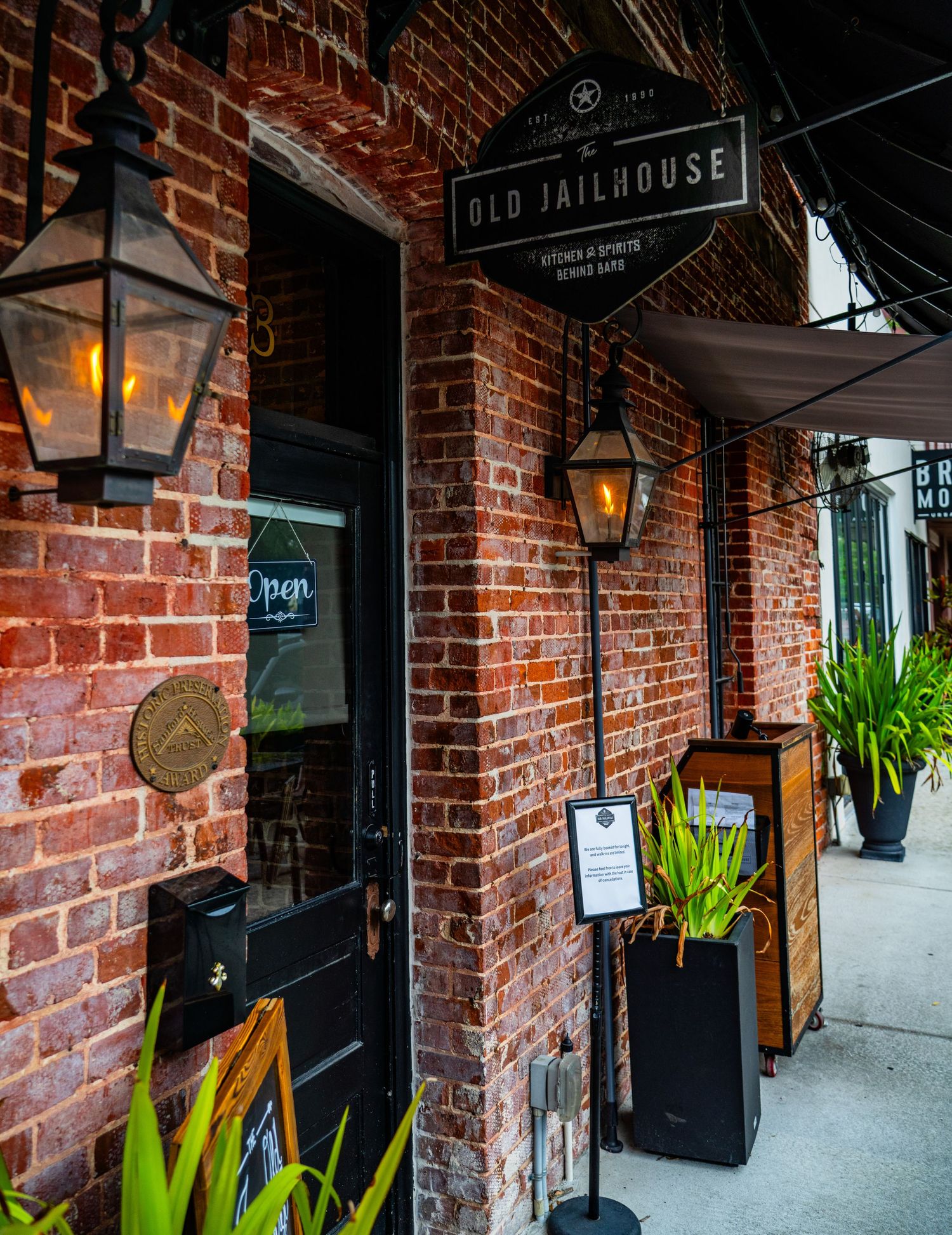
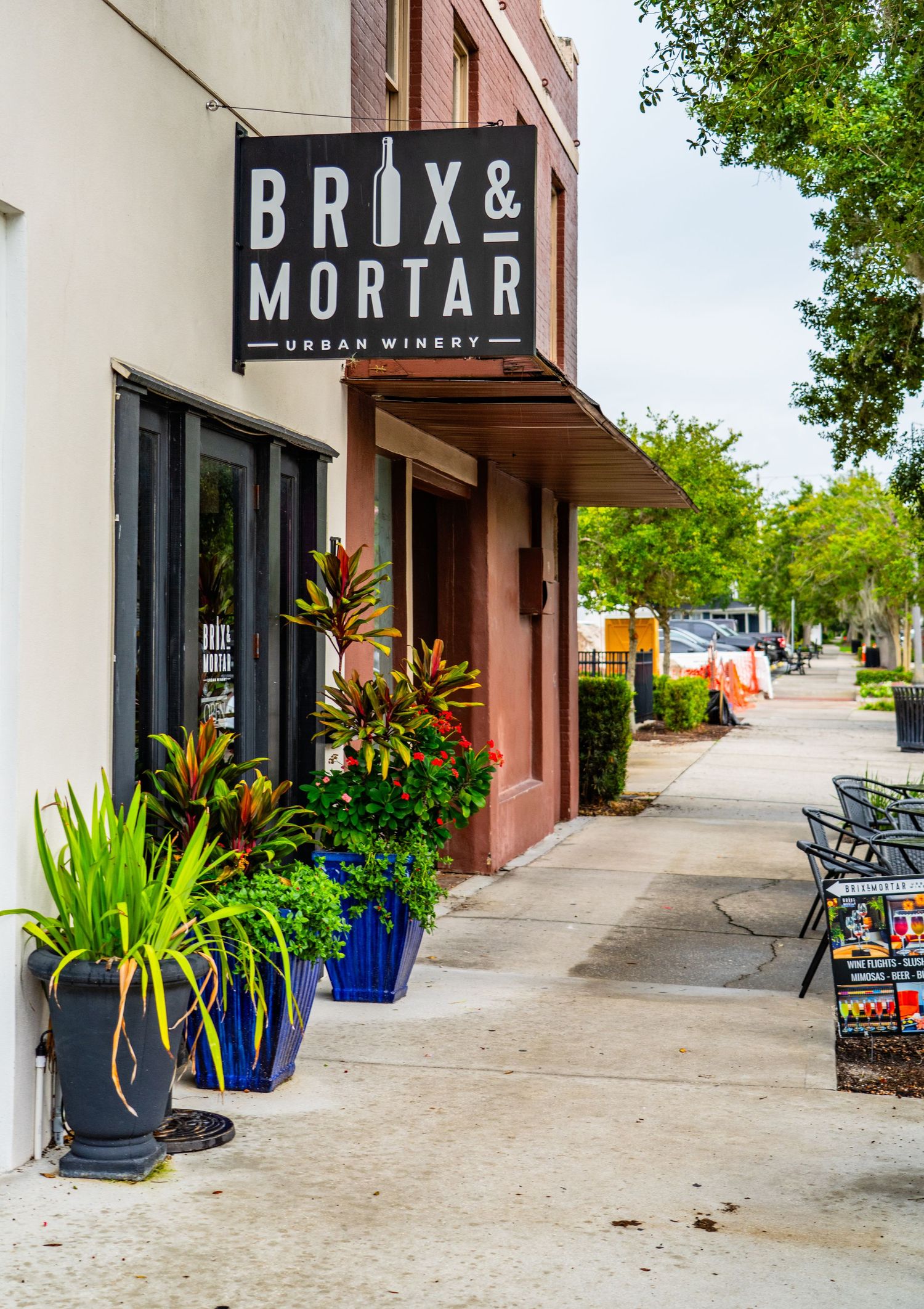
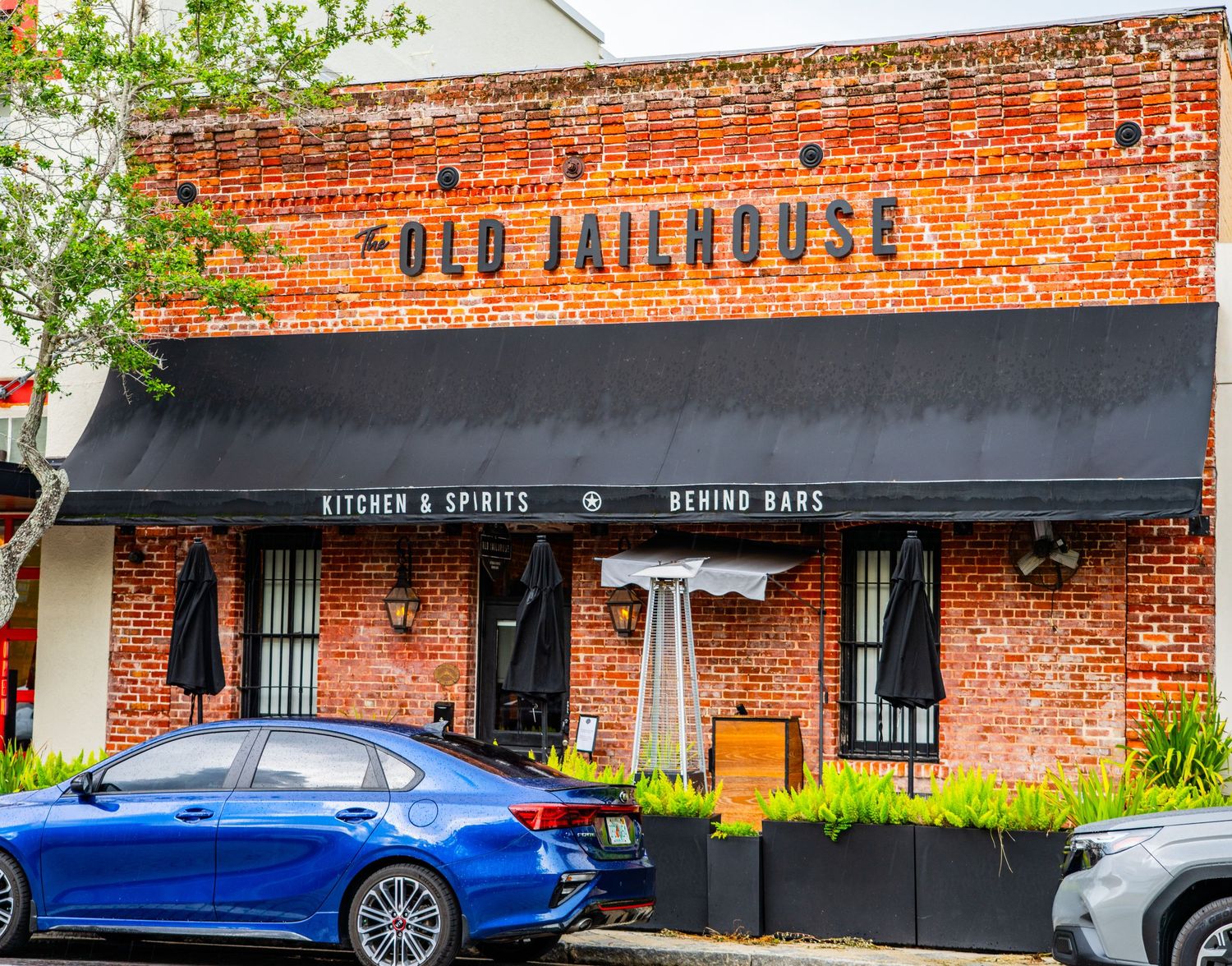
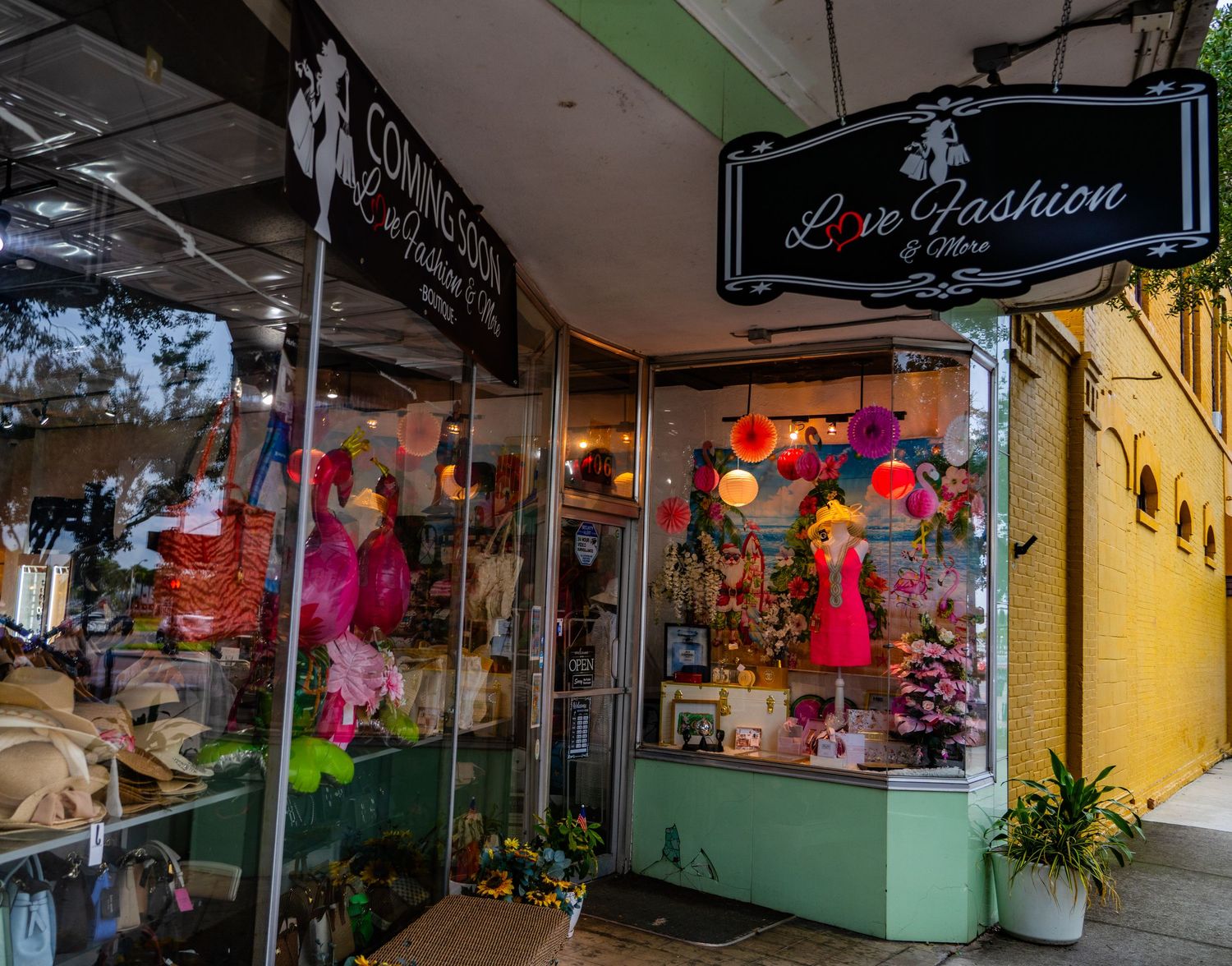
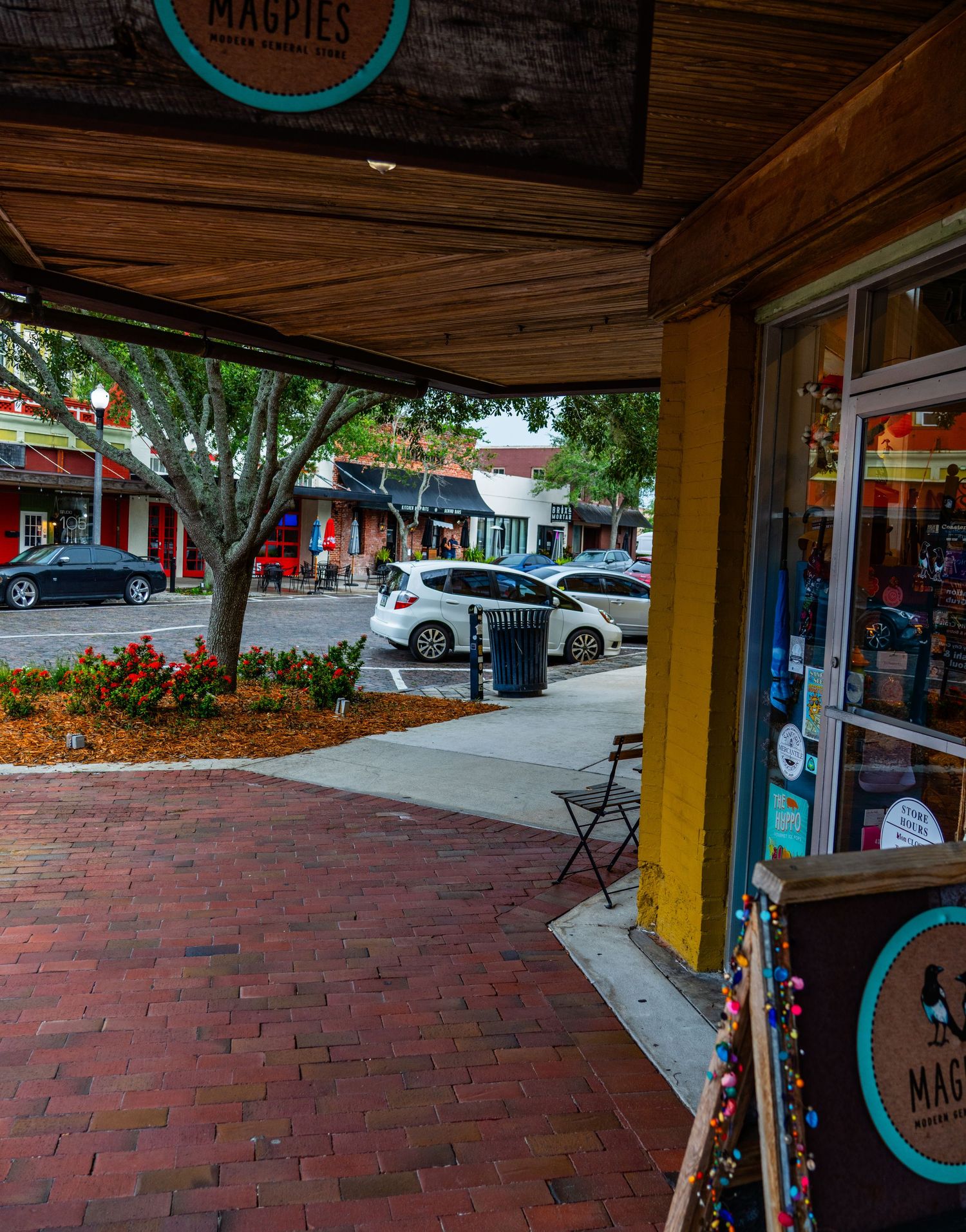
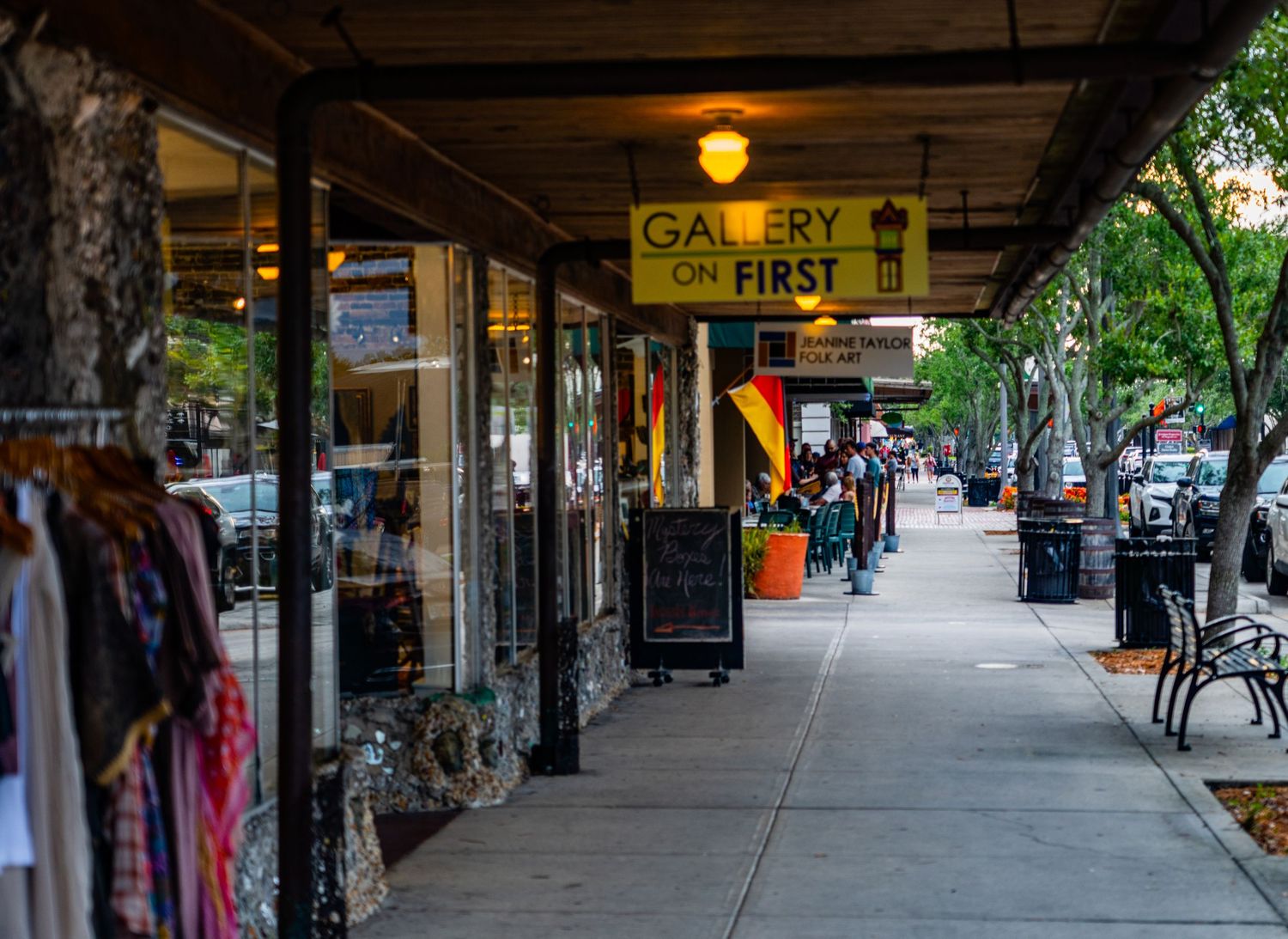
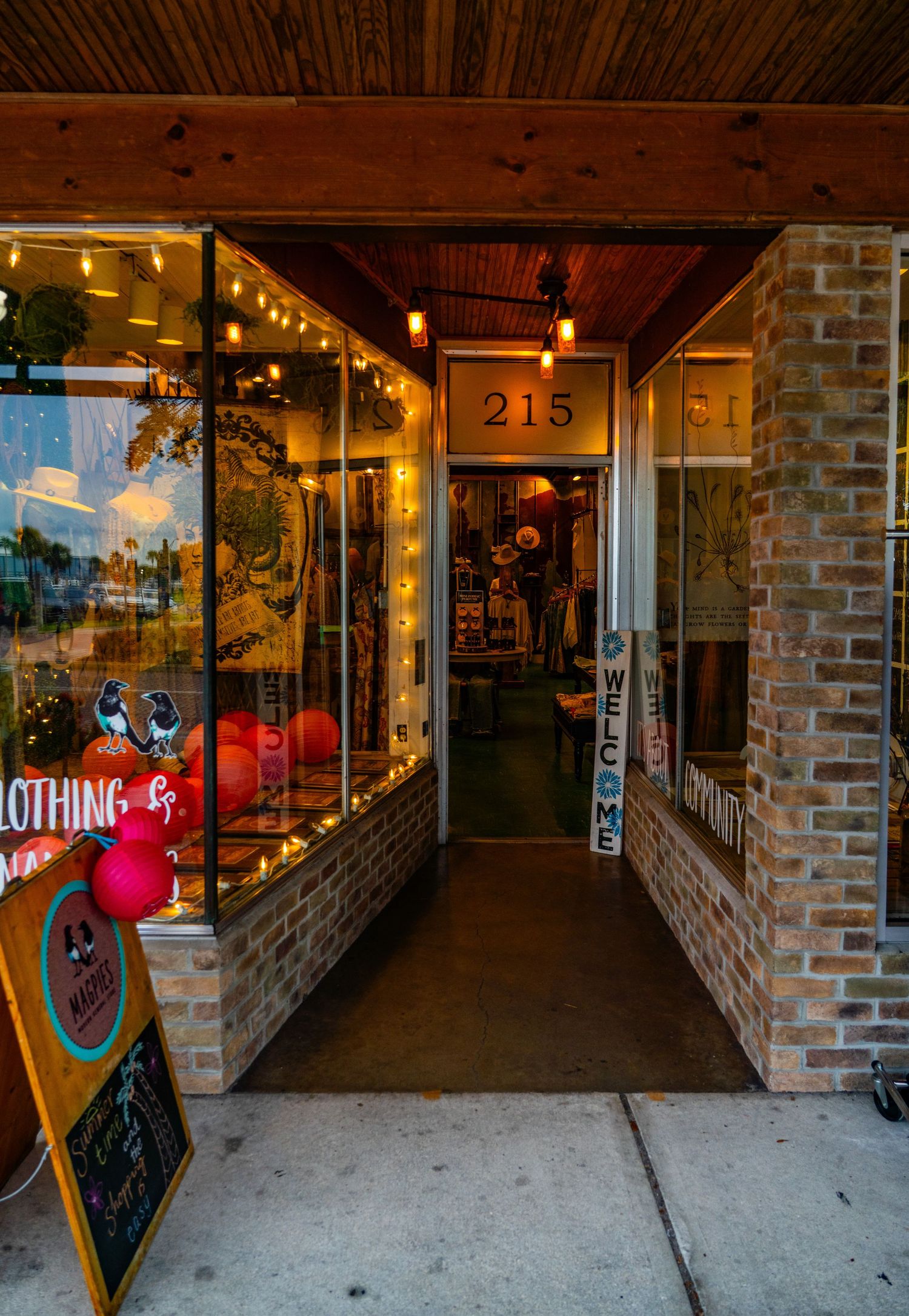
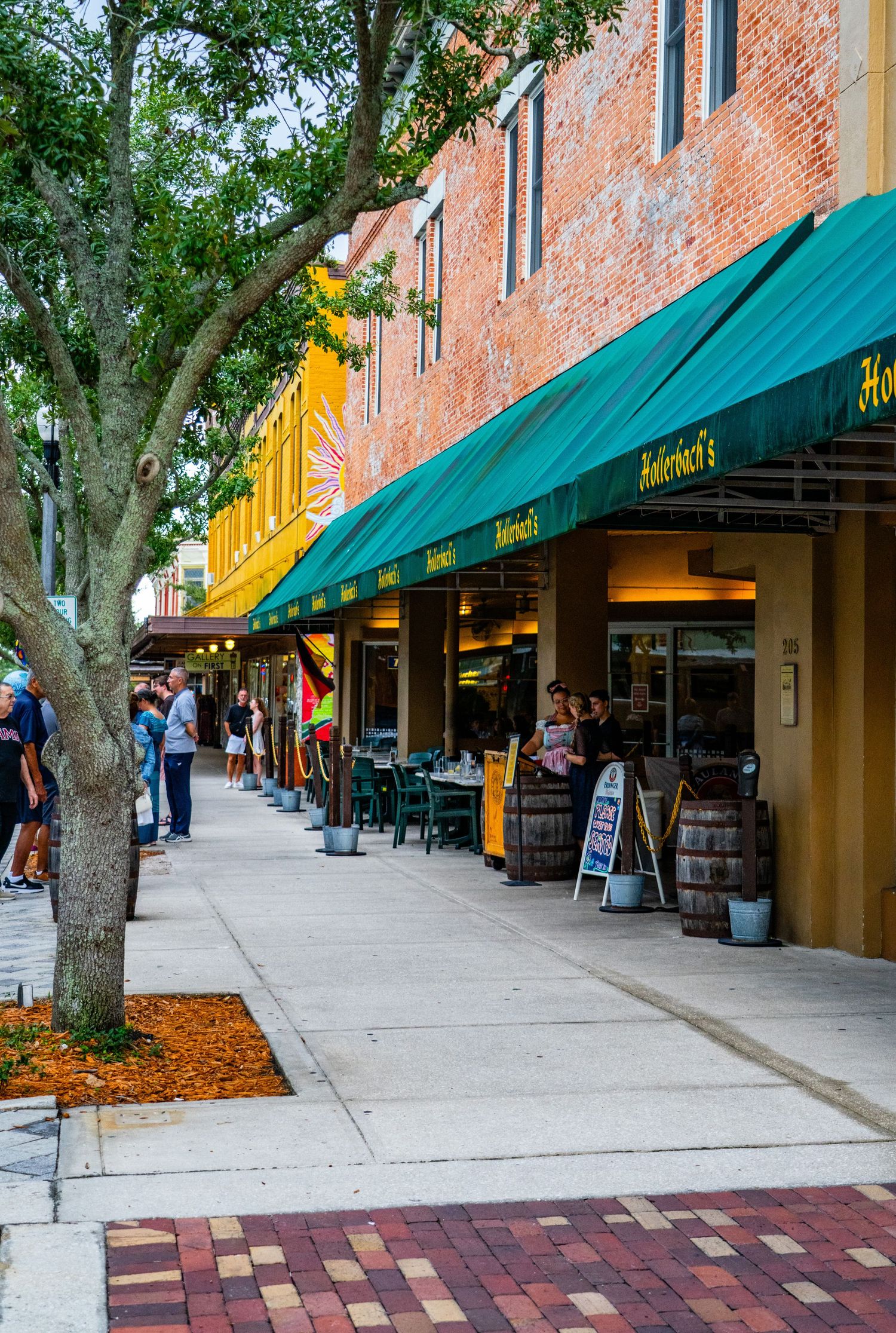
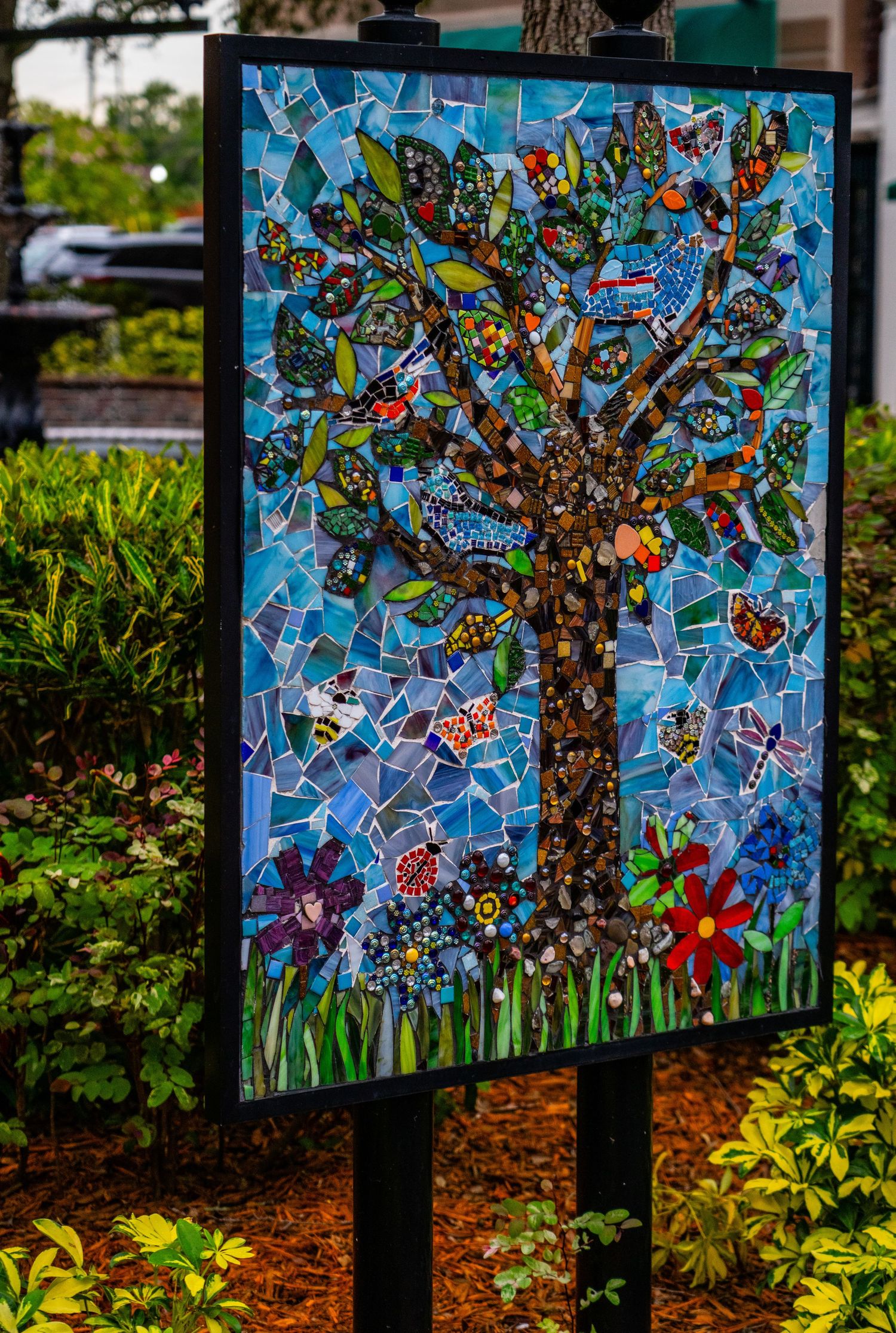
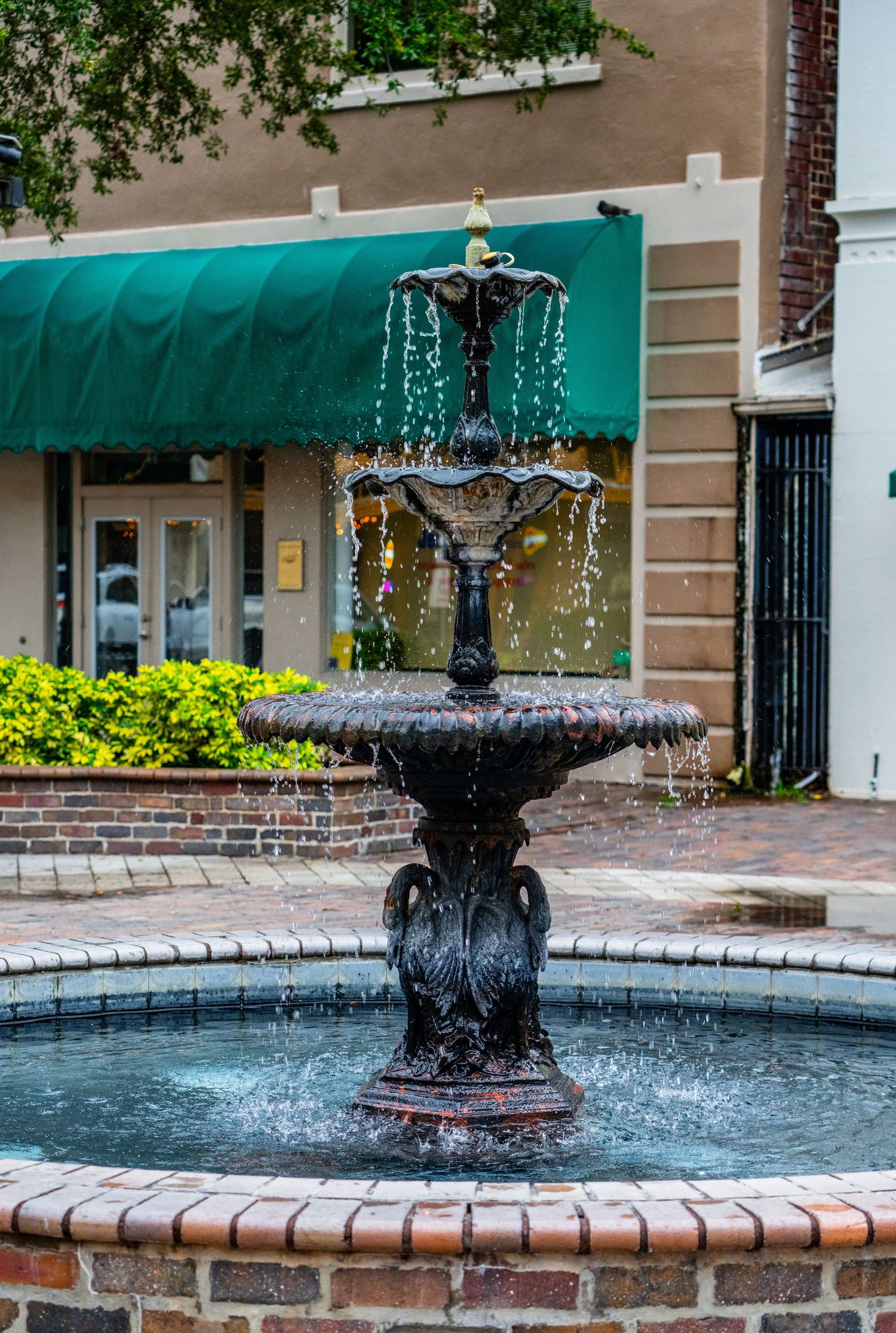
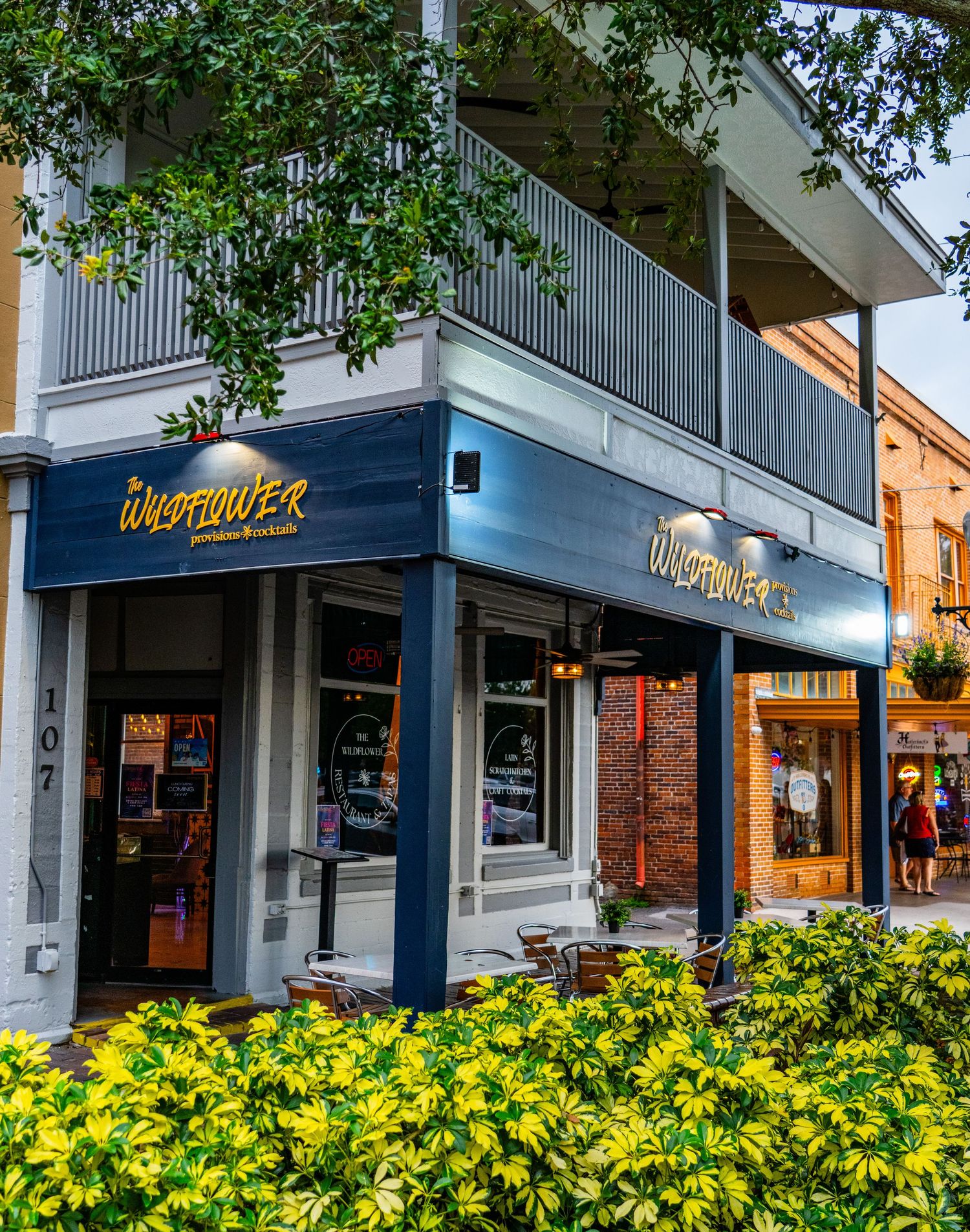
Sanford played a vital role in Central Florida’s economic and infrastructural development during the post-Civil War era. With its prime position on the navigable St. Johns River and later access to major rail lines, Sanford became a hub for goods moving in and out of Florida’s interior. Its agricultural success—most notably in celery farming—helped feed a growing population and earned it national recognition. Beyond farming, Sanford’s significance lies in its ability to connect rural Florida with industrial progress, serving as a gateway between frontier life and modern advancement. Its well-preserved downtown and riverfront remain a testament to that influential chapter.
Winter Garden
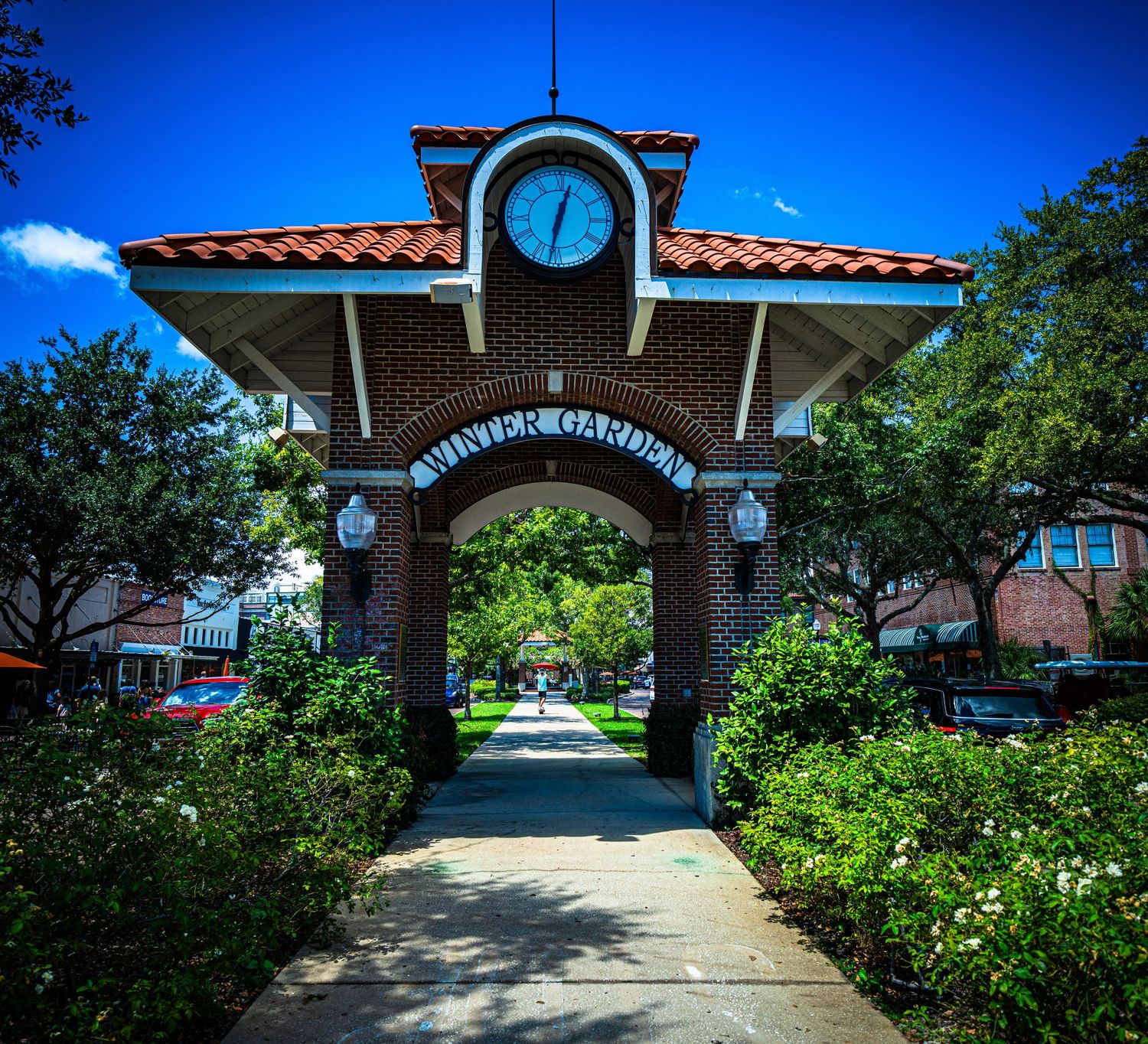
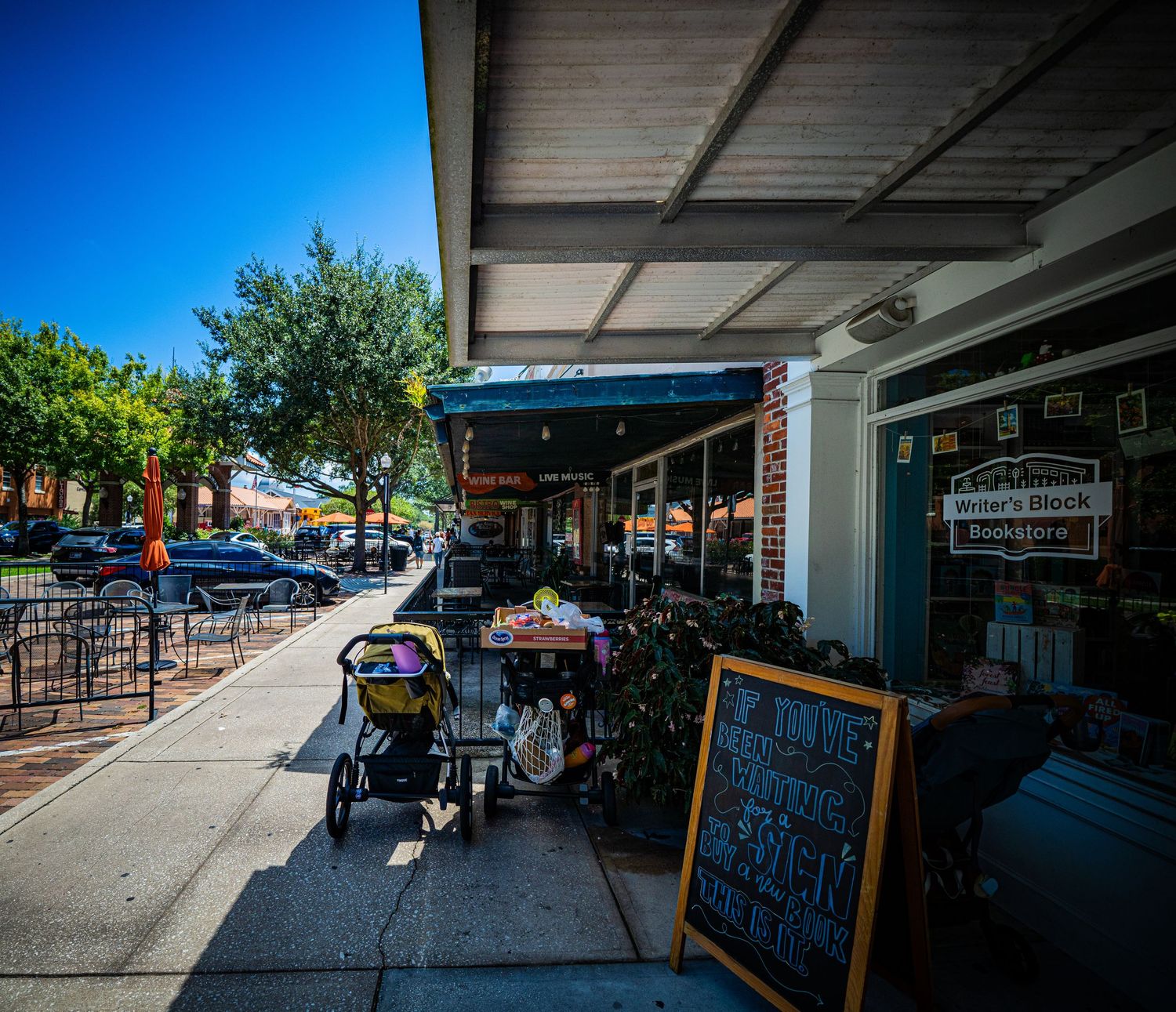
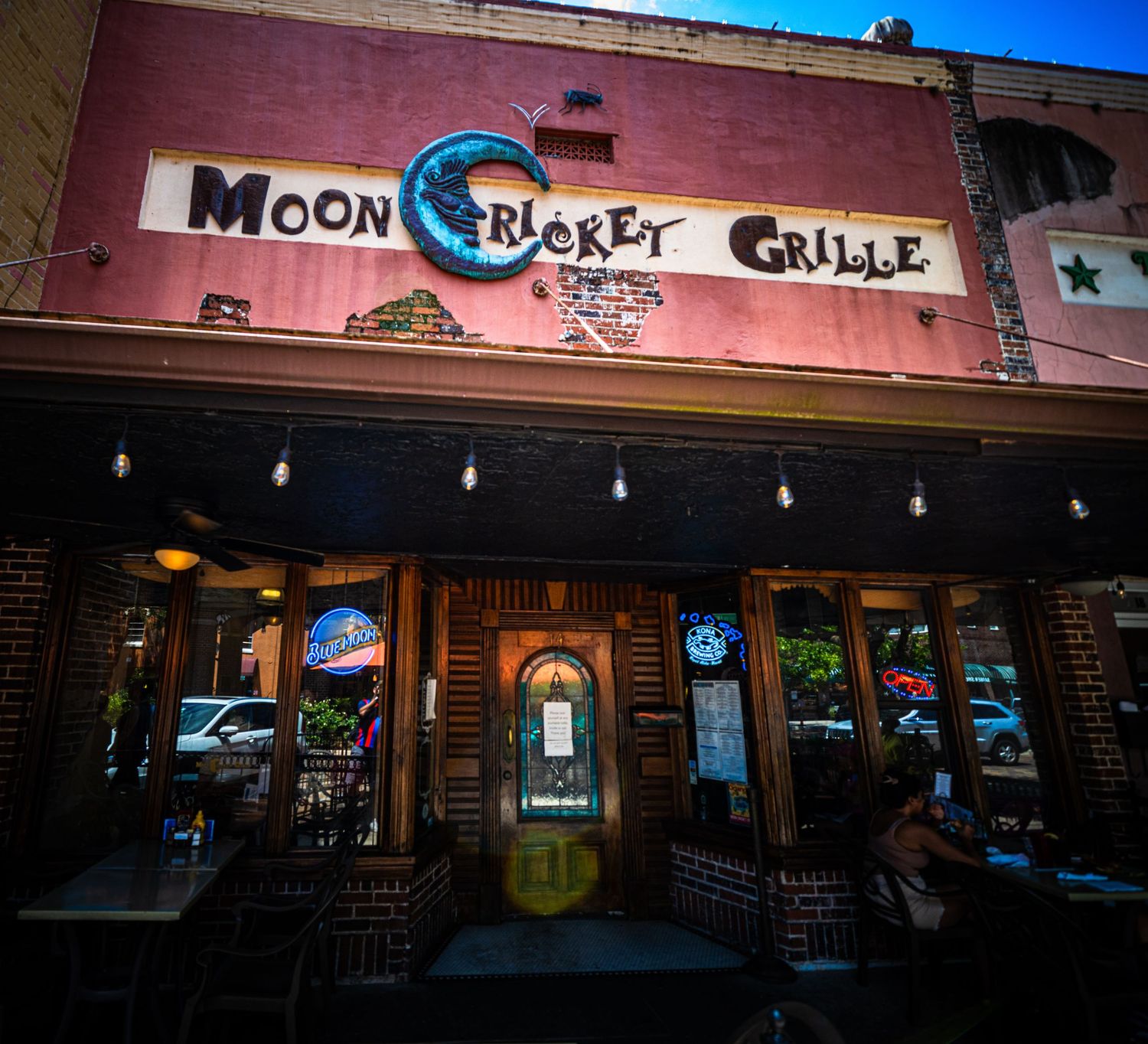
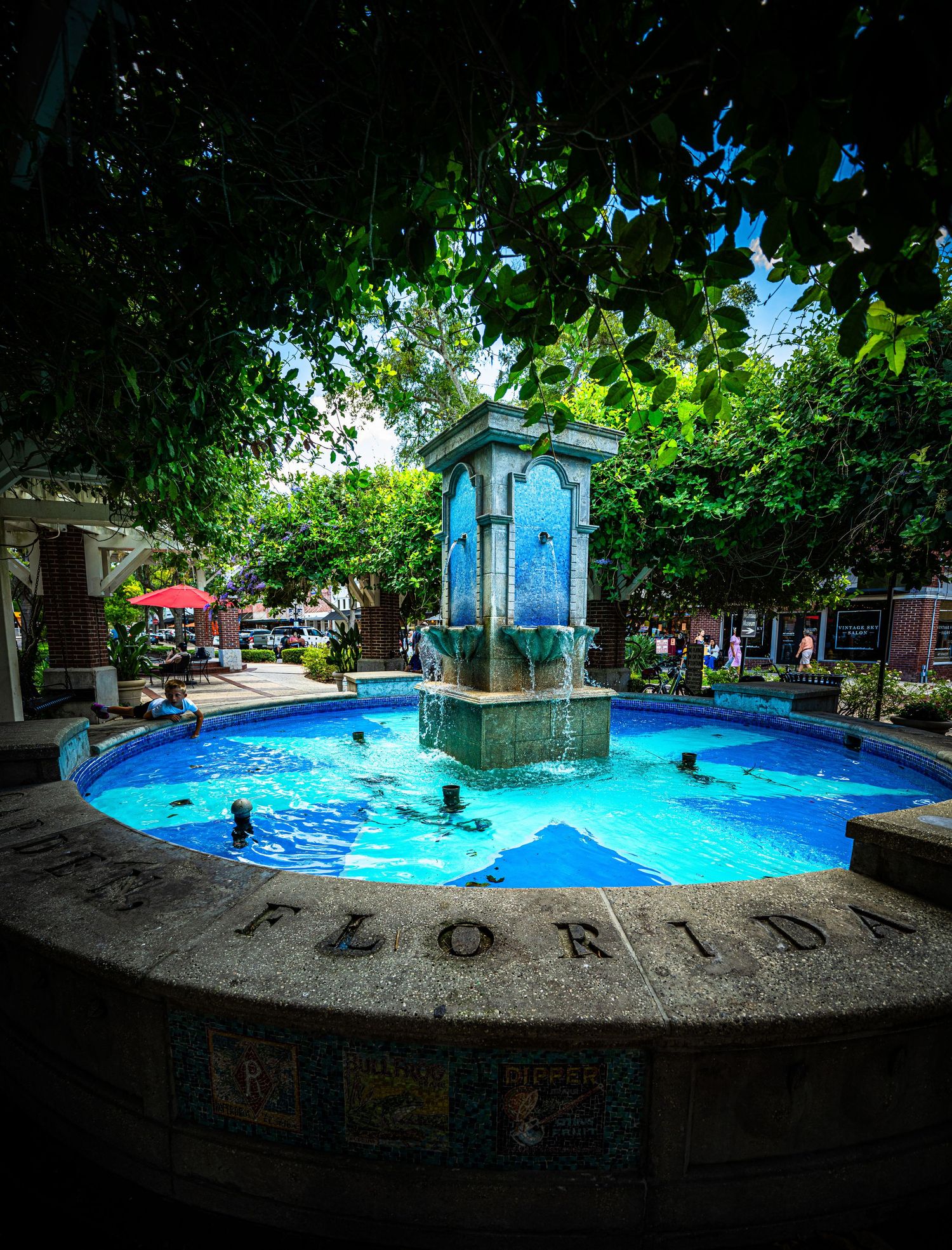
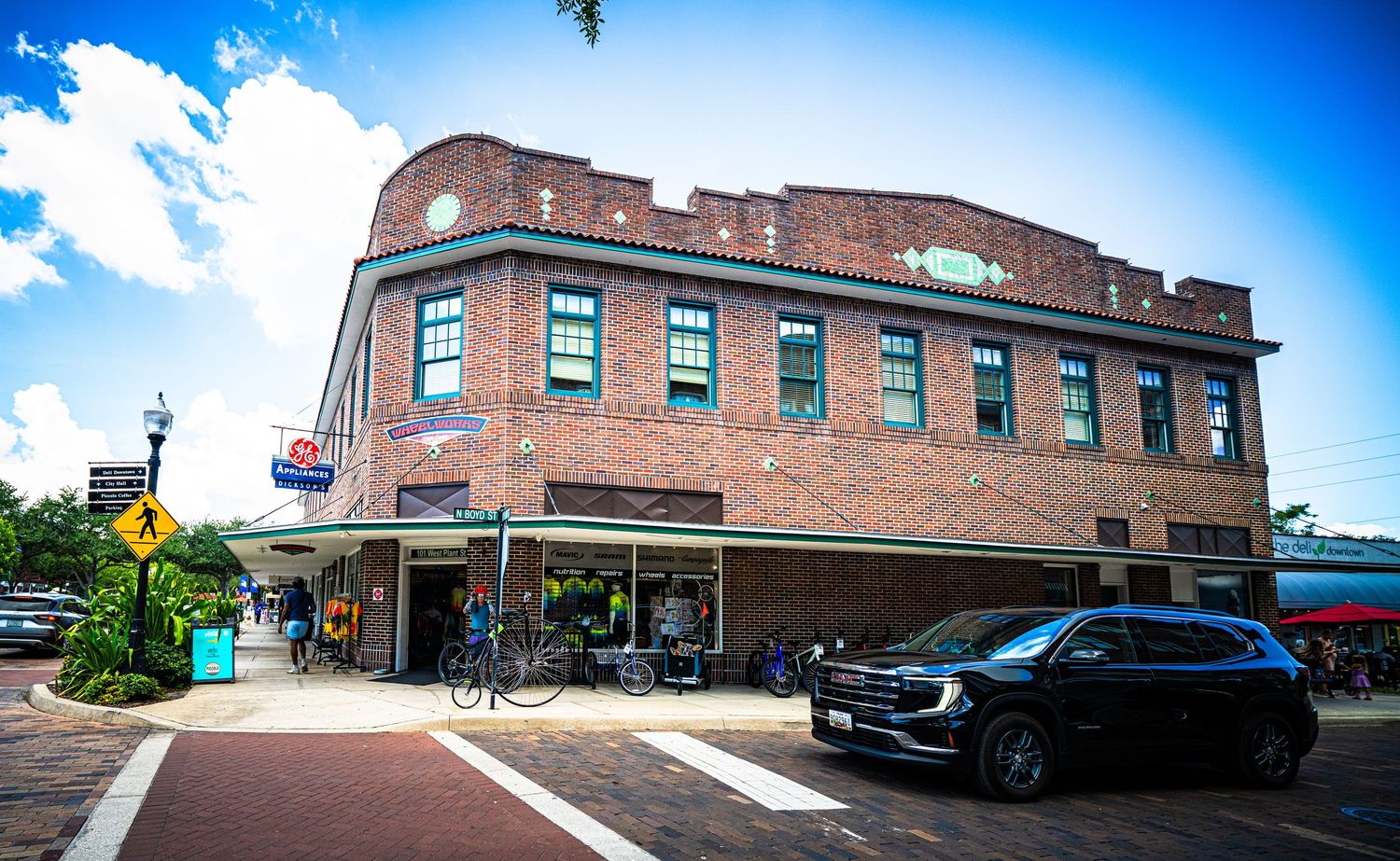
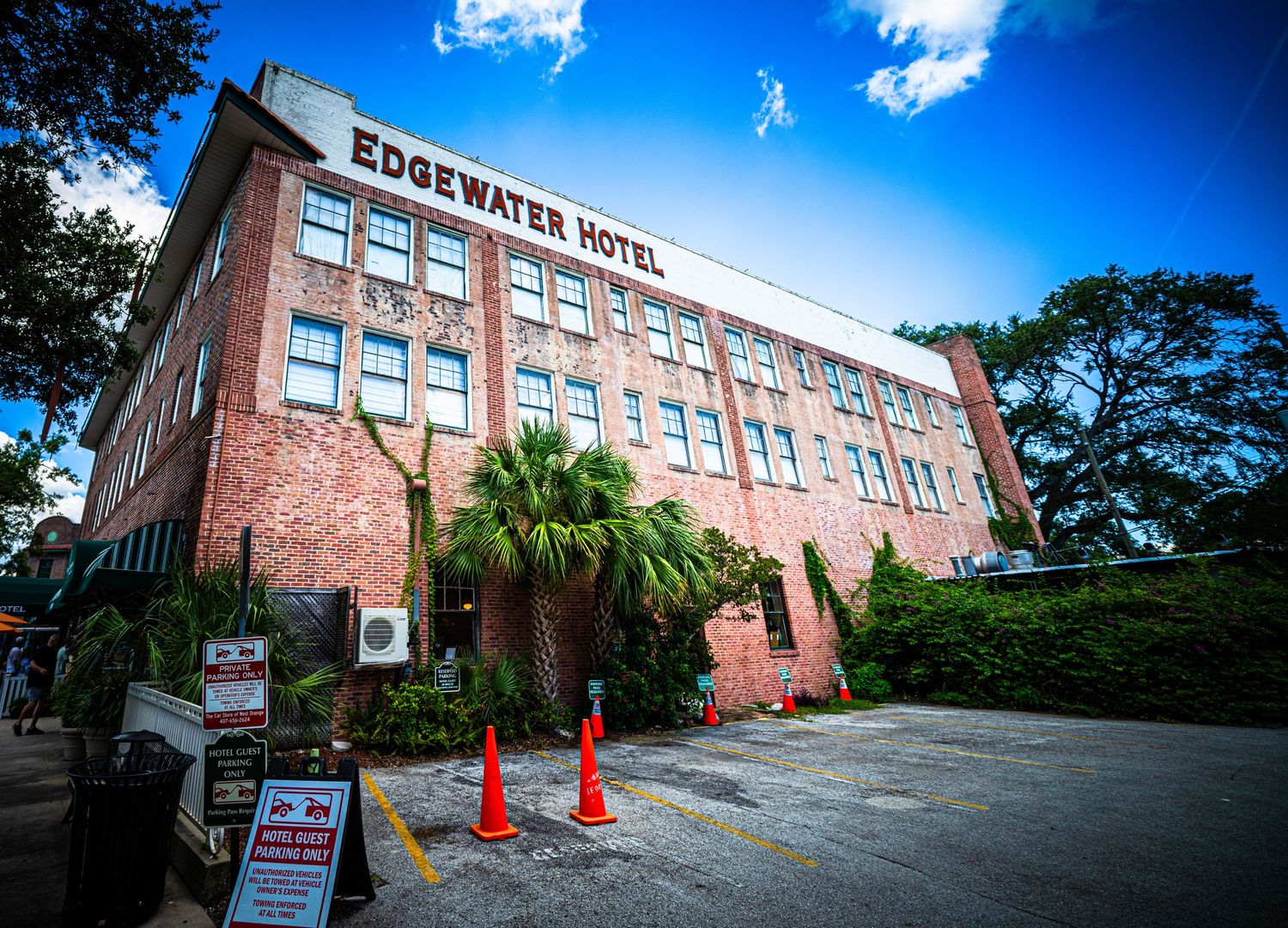
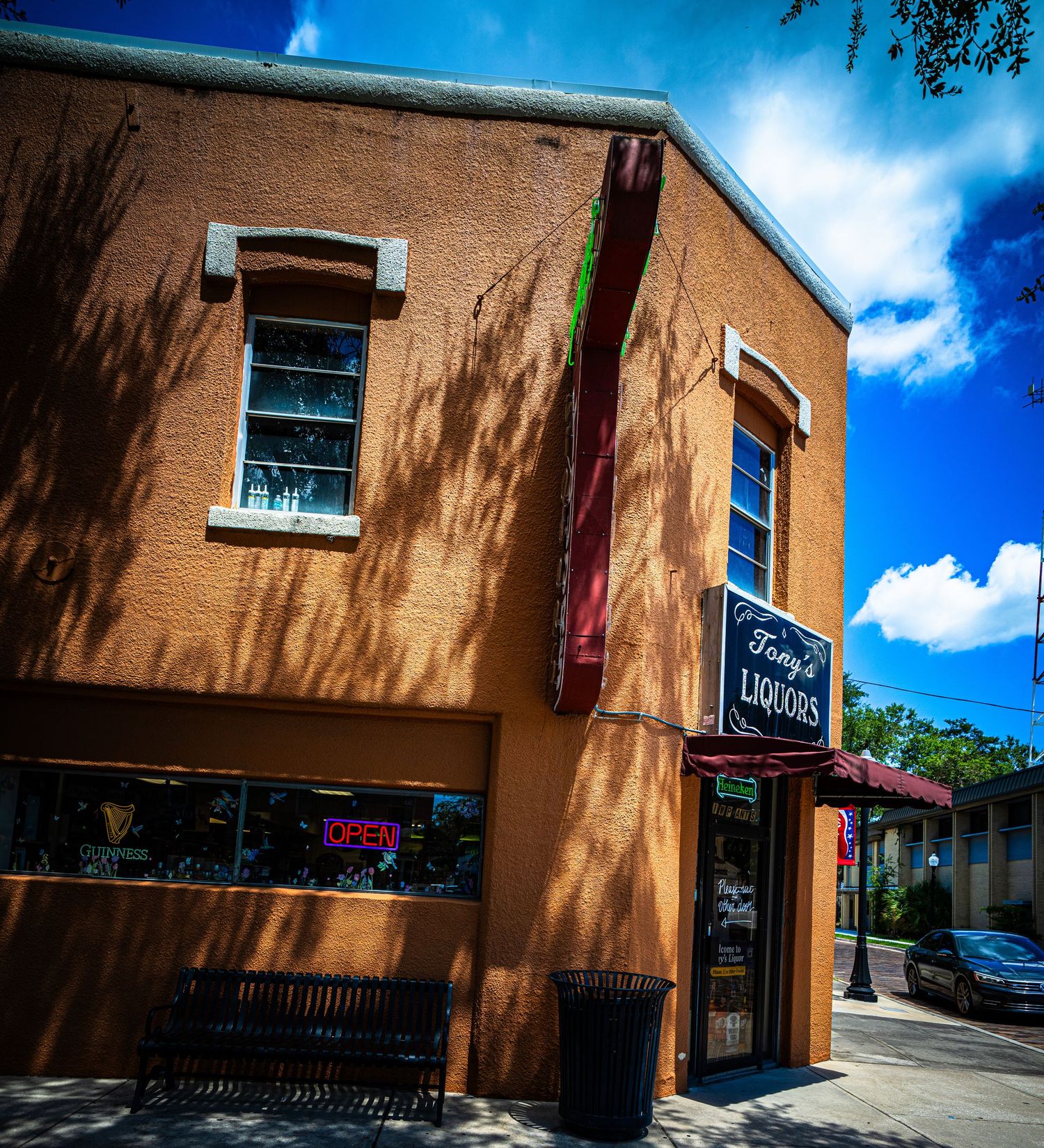
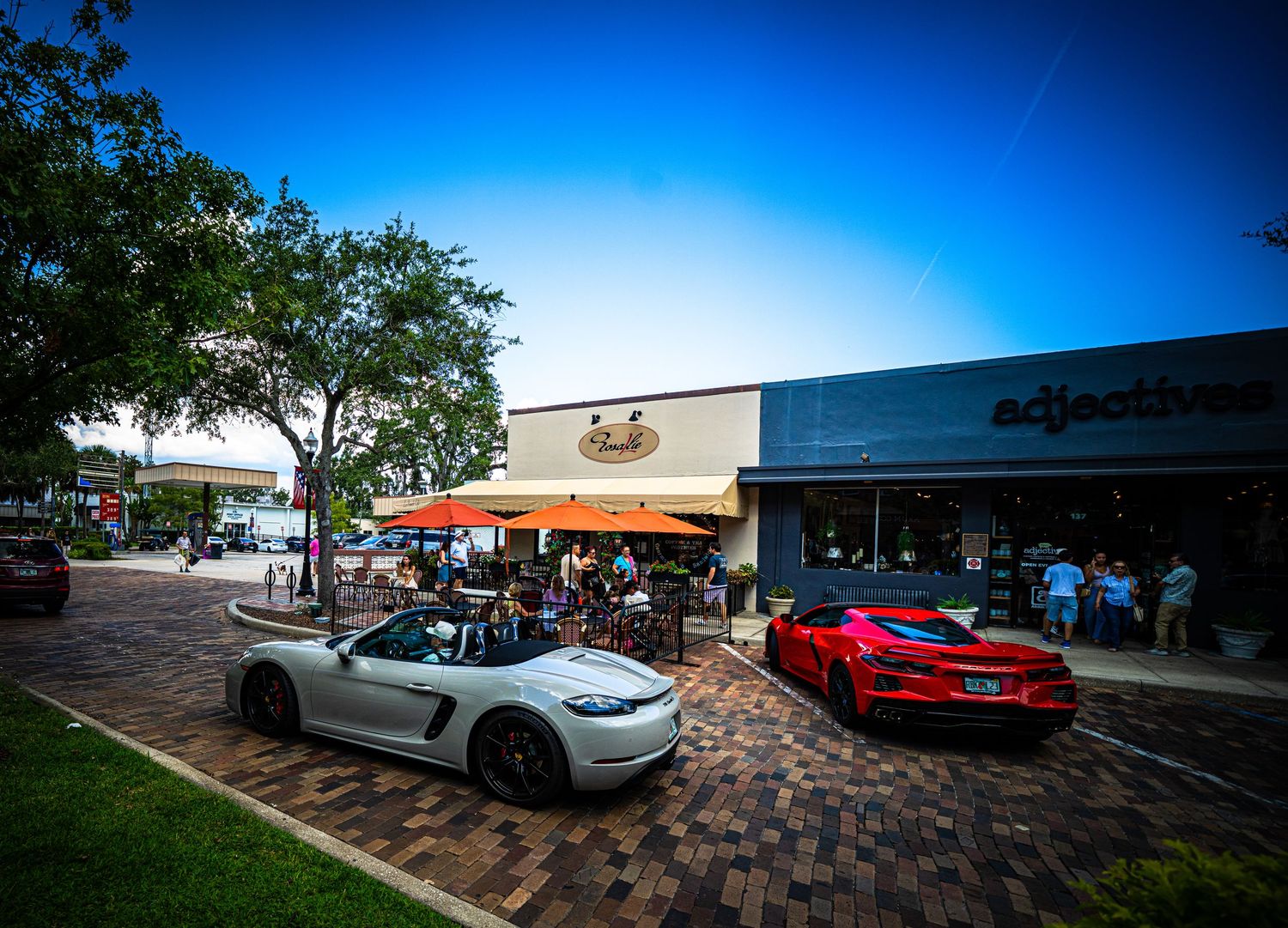
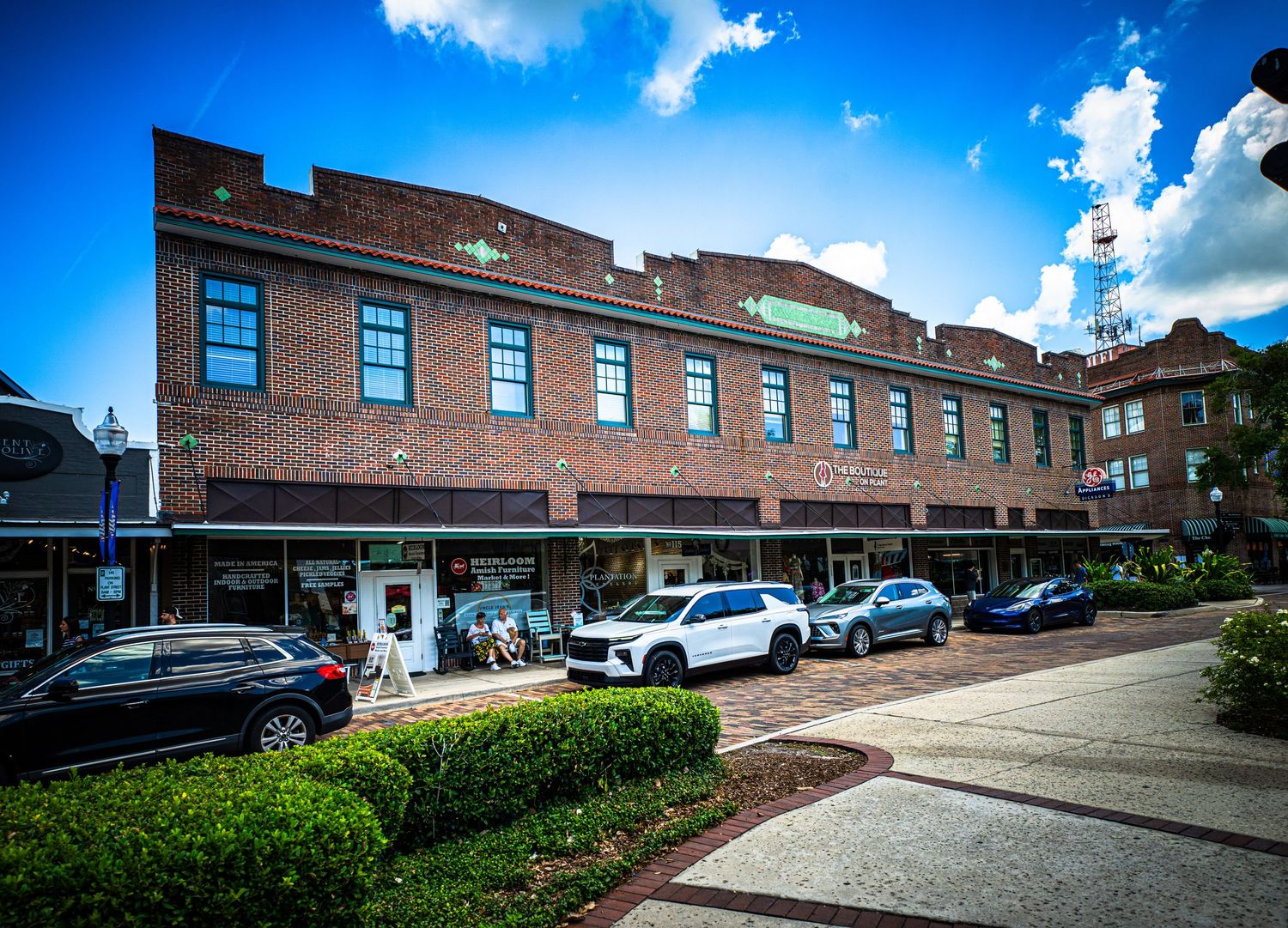
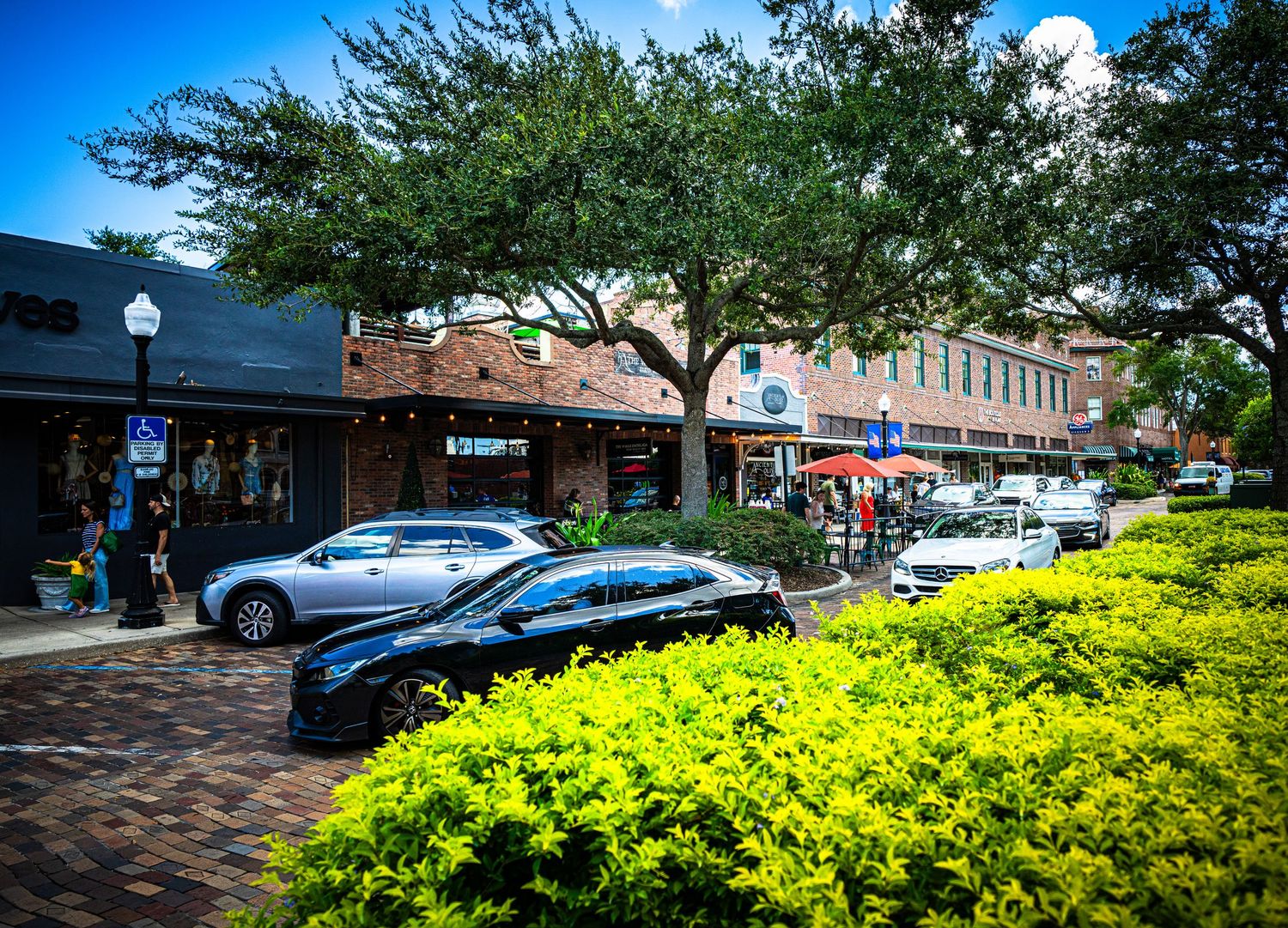
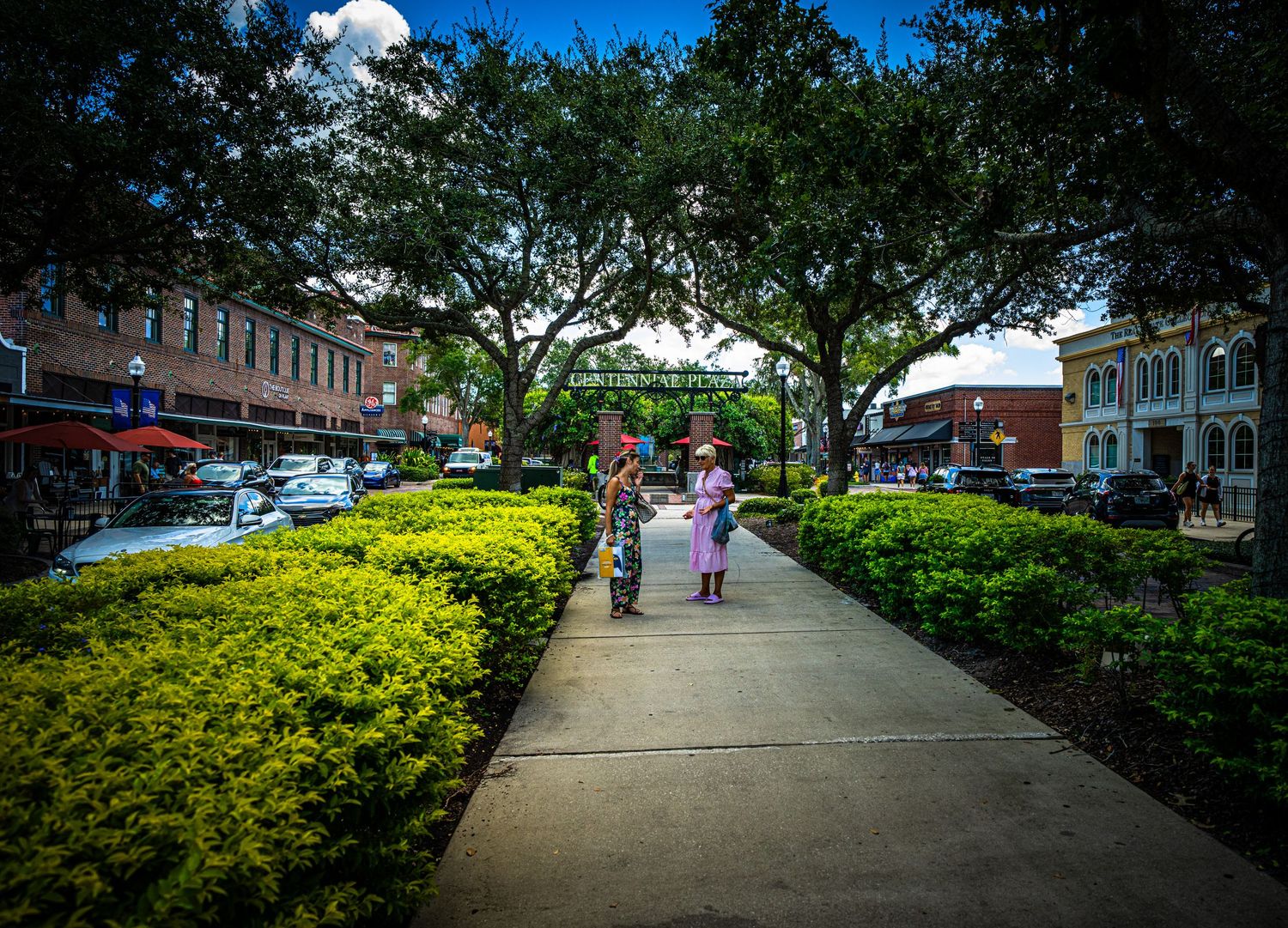
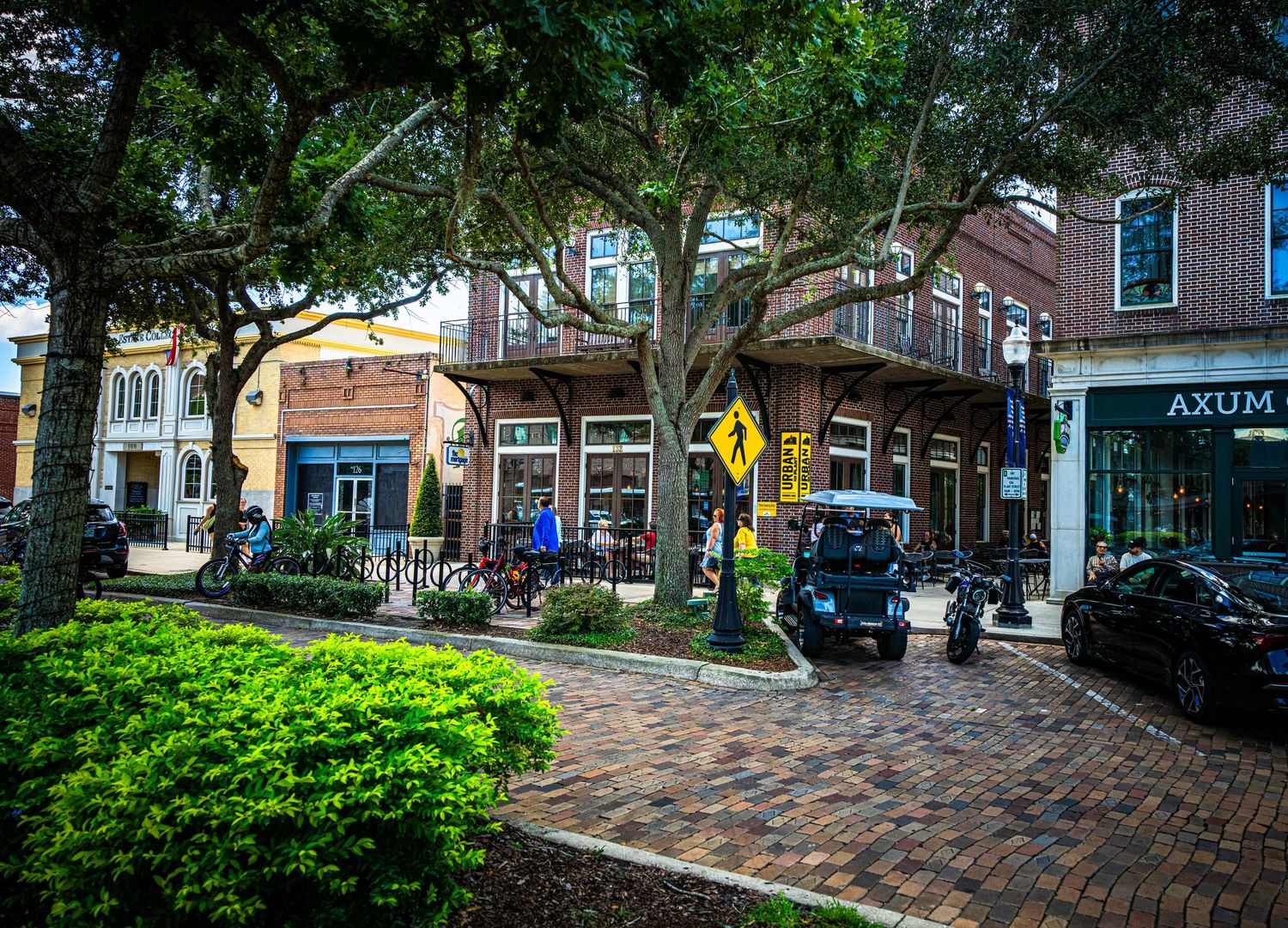
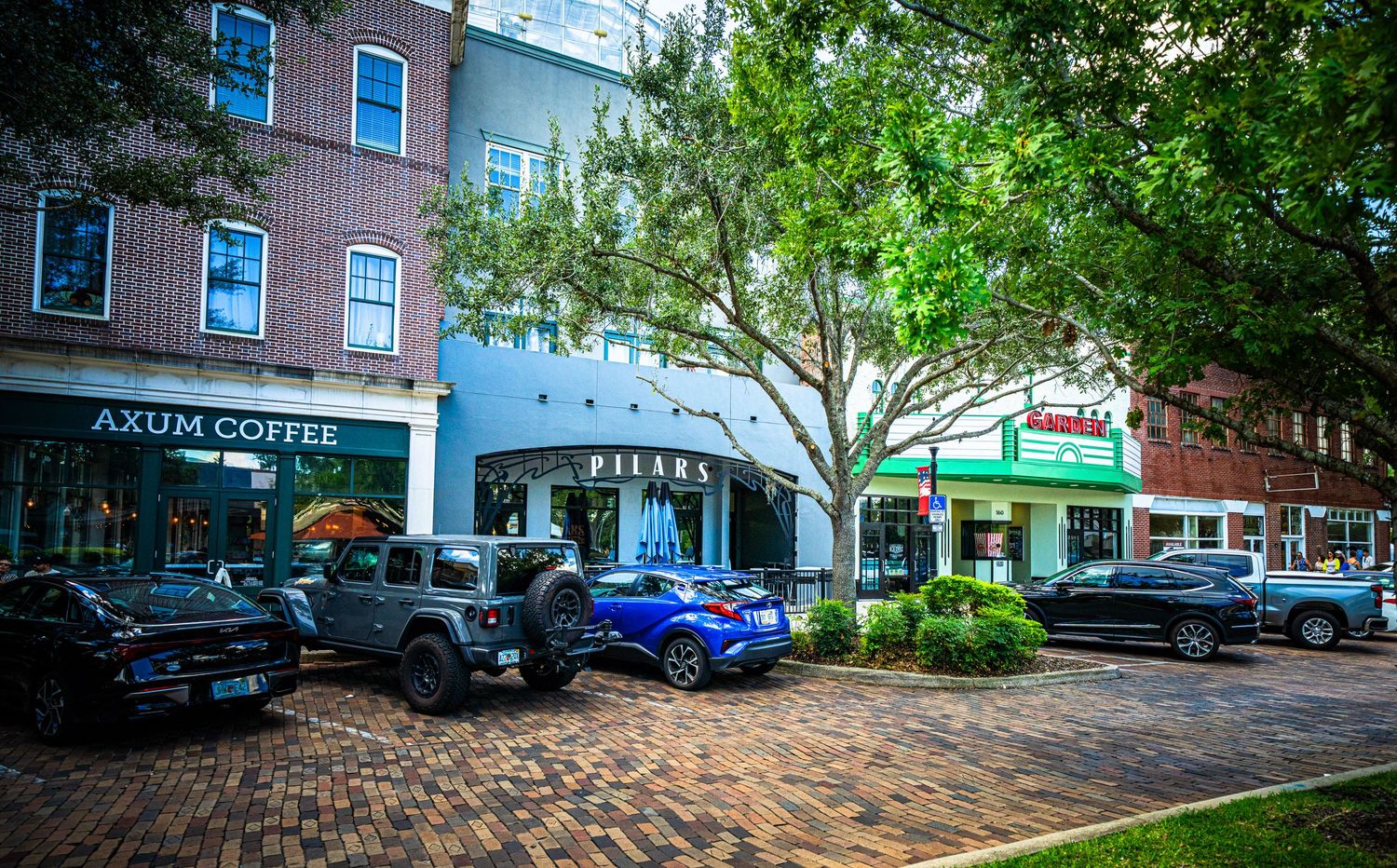
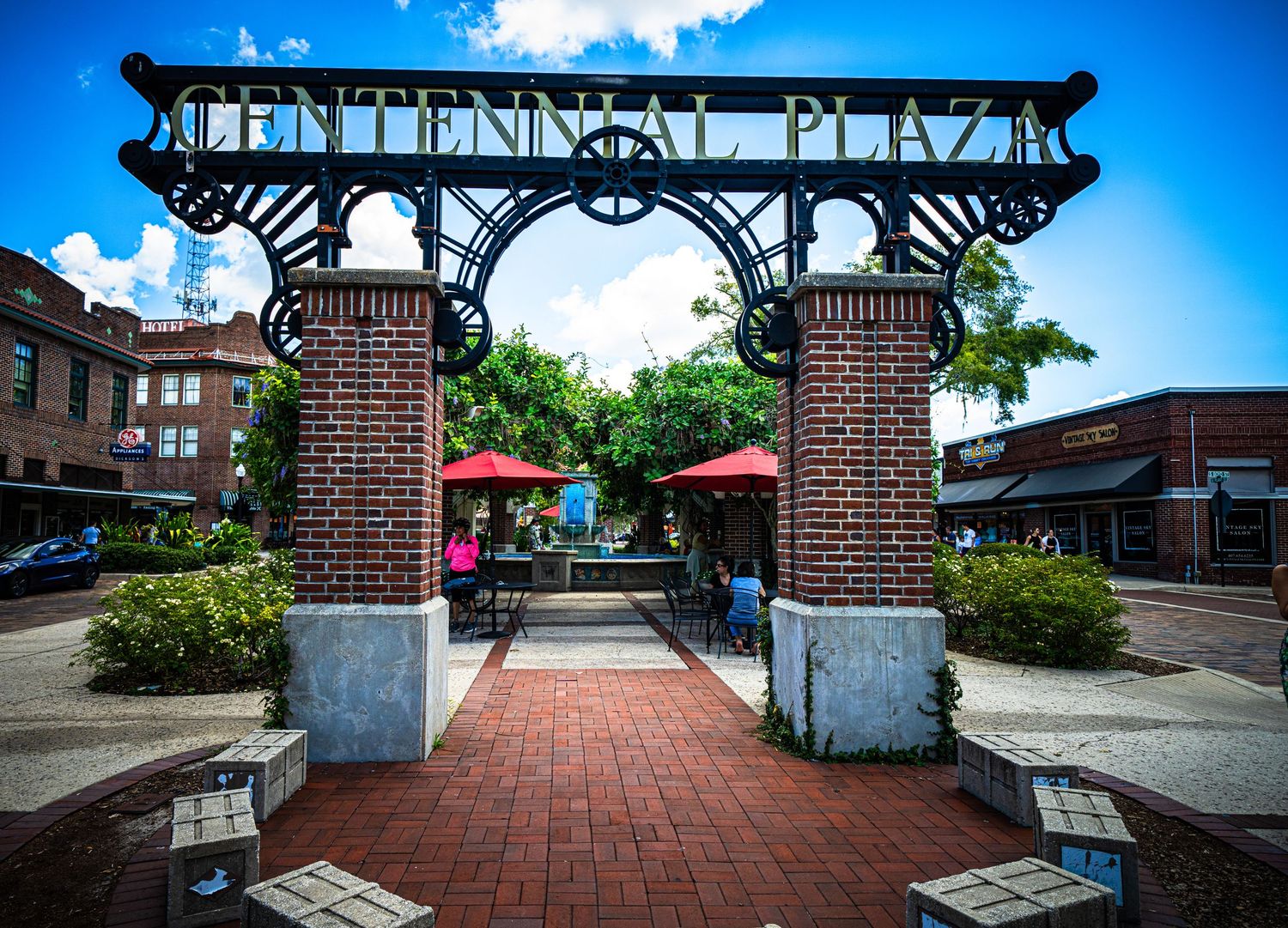
Winter Garden’s roots stretch back to the late 1800s when the arrival of the Orange Belt Railway helped establish the area as a hub for citrus packing and distribution. Located just west of Orlando, the town flourished as agriculture and railroad traffic gave rise to a bustling downtown district. Although economic changes and freezes challenged the citrus industry in the mid-20th century, Winter Garden preserved its charm. In recent decades, the town has experienced a cultural and architectural revival, especially around the West Orange Trail, drawing locals and visitors alike with its brick streets, restored storefronts, and vibrant community events.
Historical Significance
Winter Garden stands as a testament to Florida’s railroad and citrus era. Its downtown historic district—now listed on the National Register of Historic Places—showcases the architectural remnants of a time when packing houses, train depots, and general stores were the lifeblood of local commerce. The town’s transformation from an agricultural crossroads to a thriving cultural destination highlights the power of preservation, reinvestment, and community spirit. Today, Winter Garden blends old Florida charm with a modern, walkable lifestyle that celebrates both its history and its bright future.
Melbourne
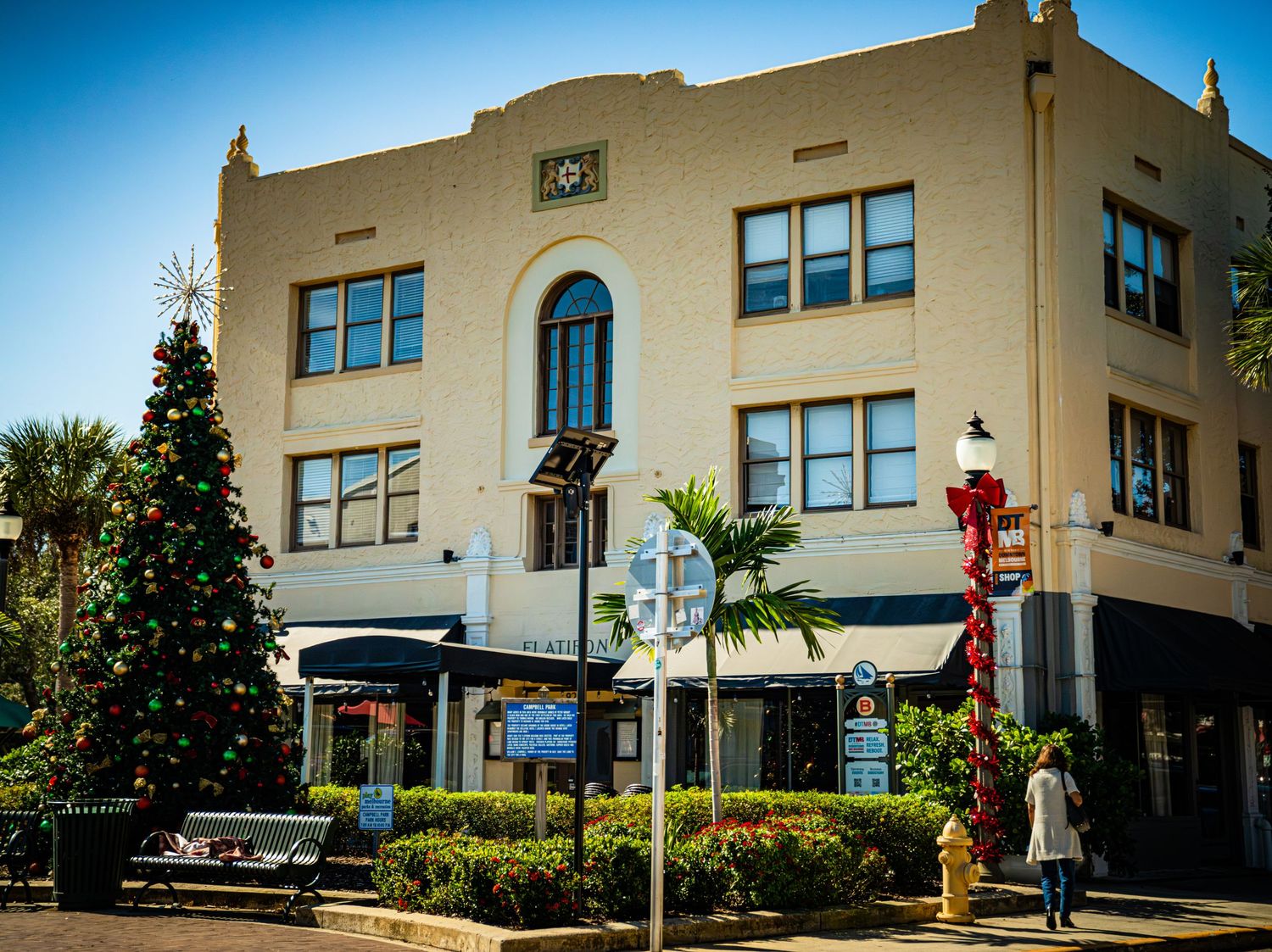
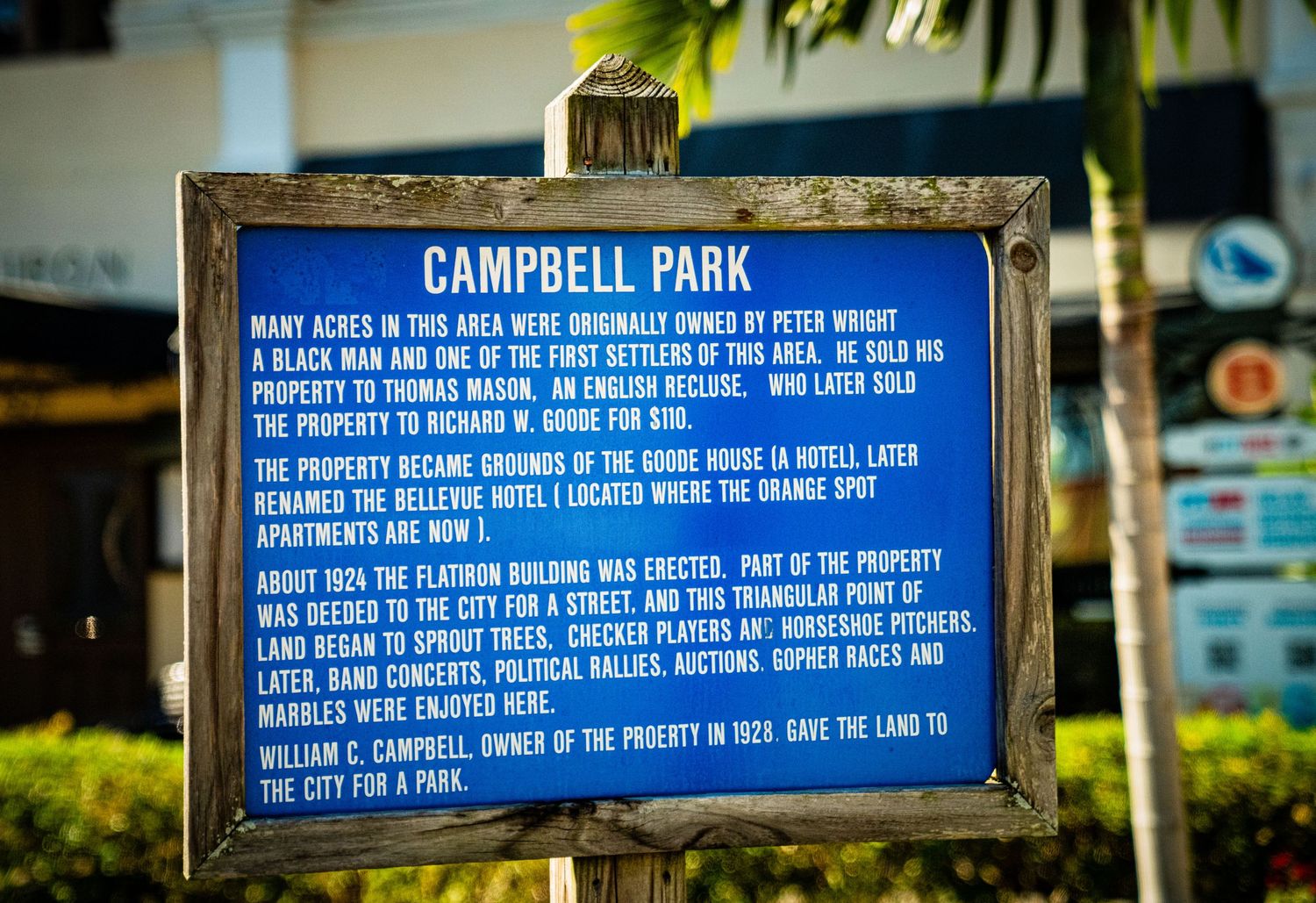
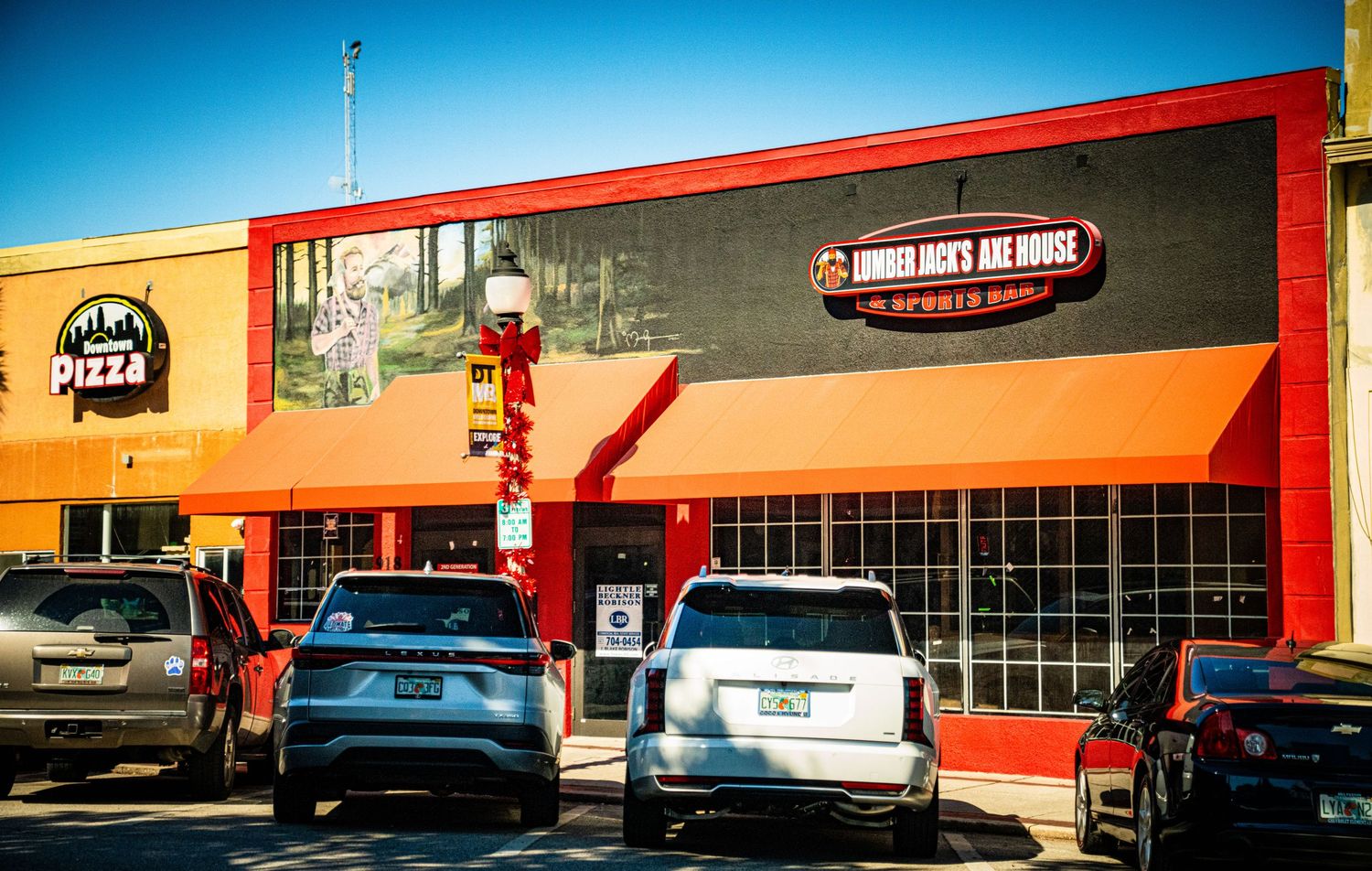
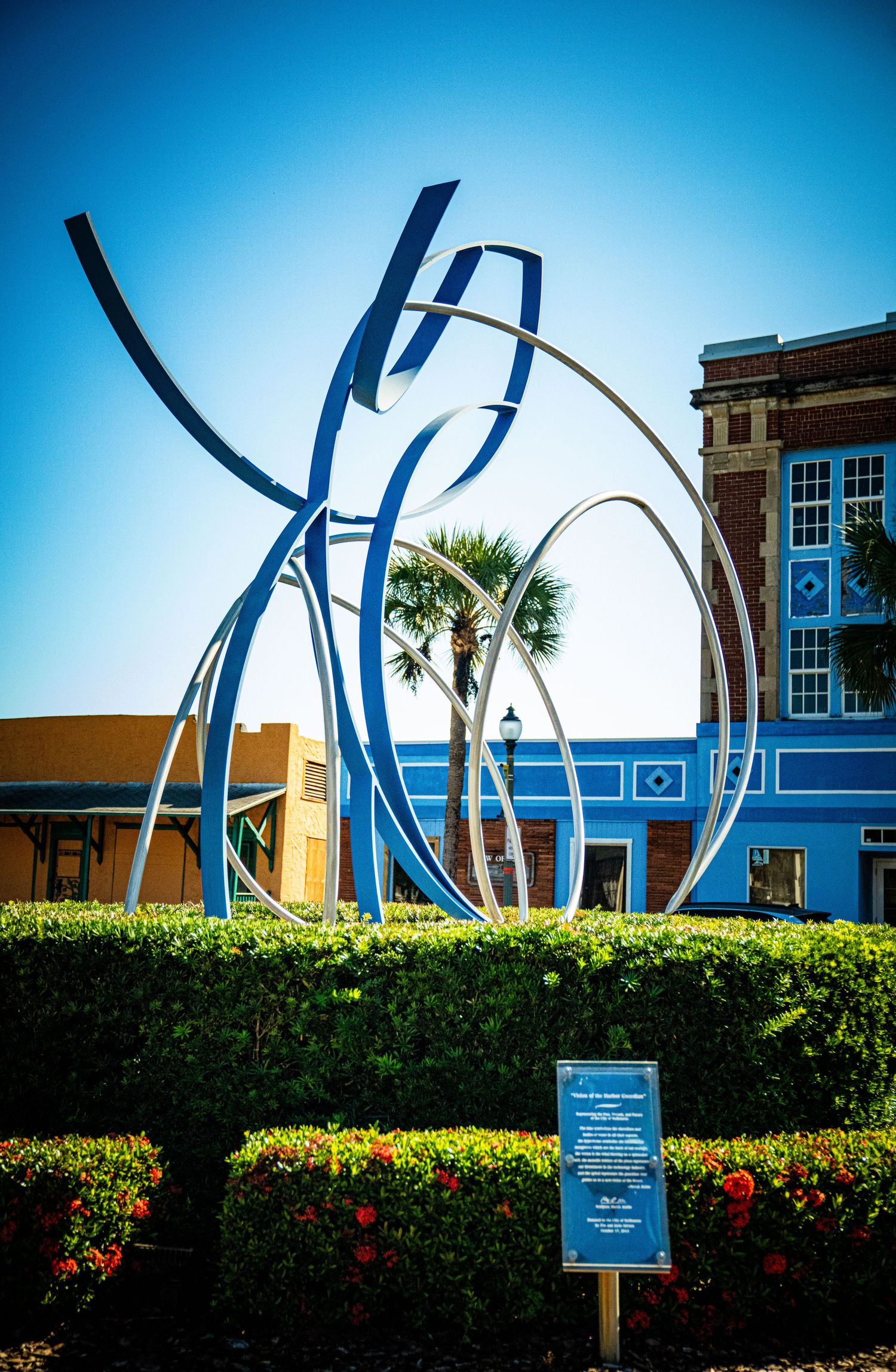
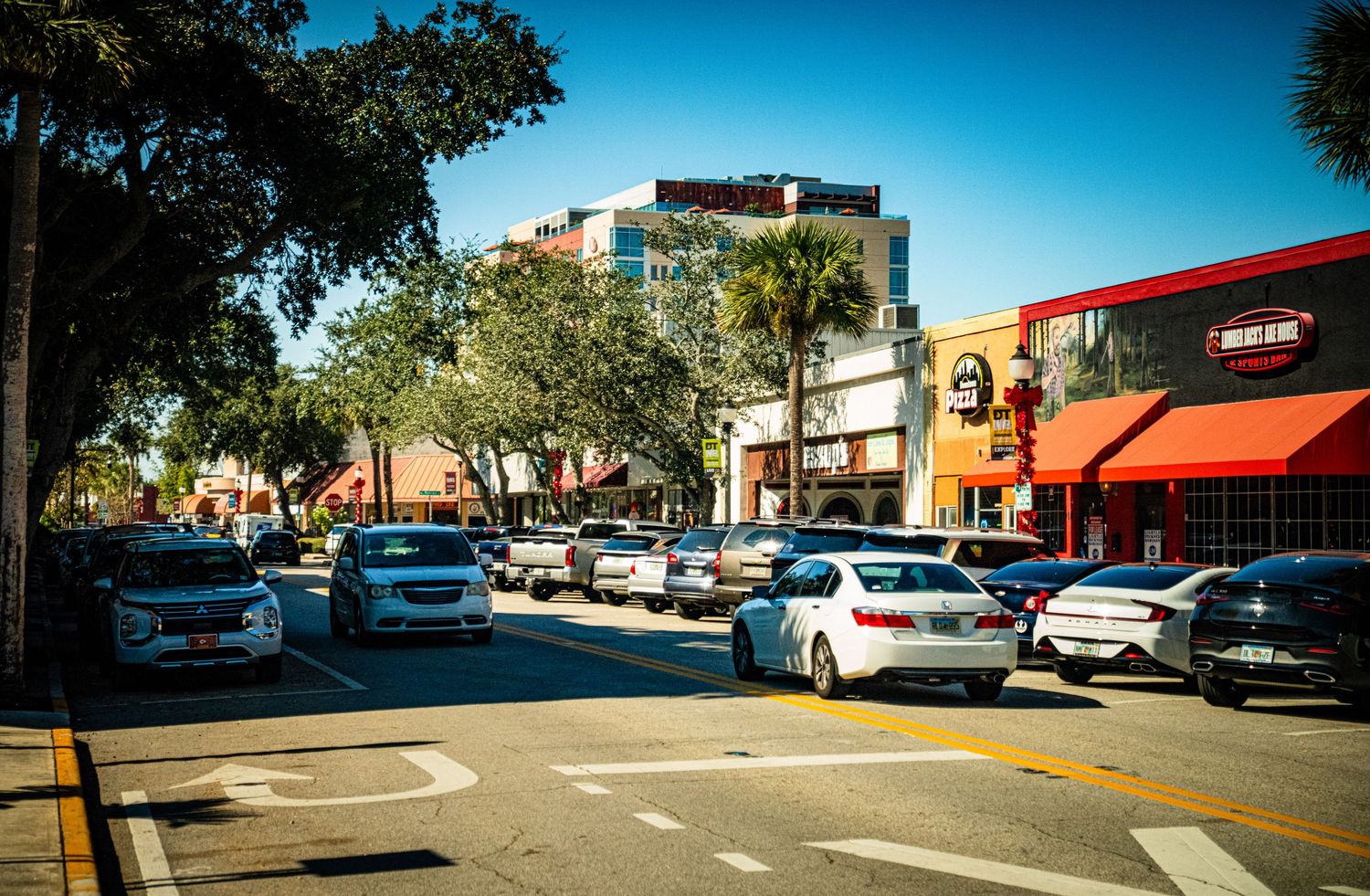
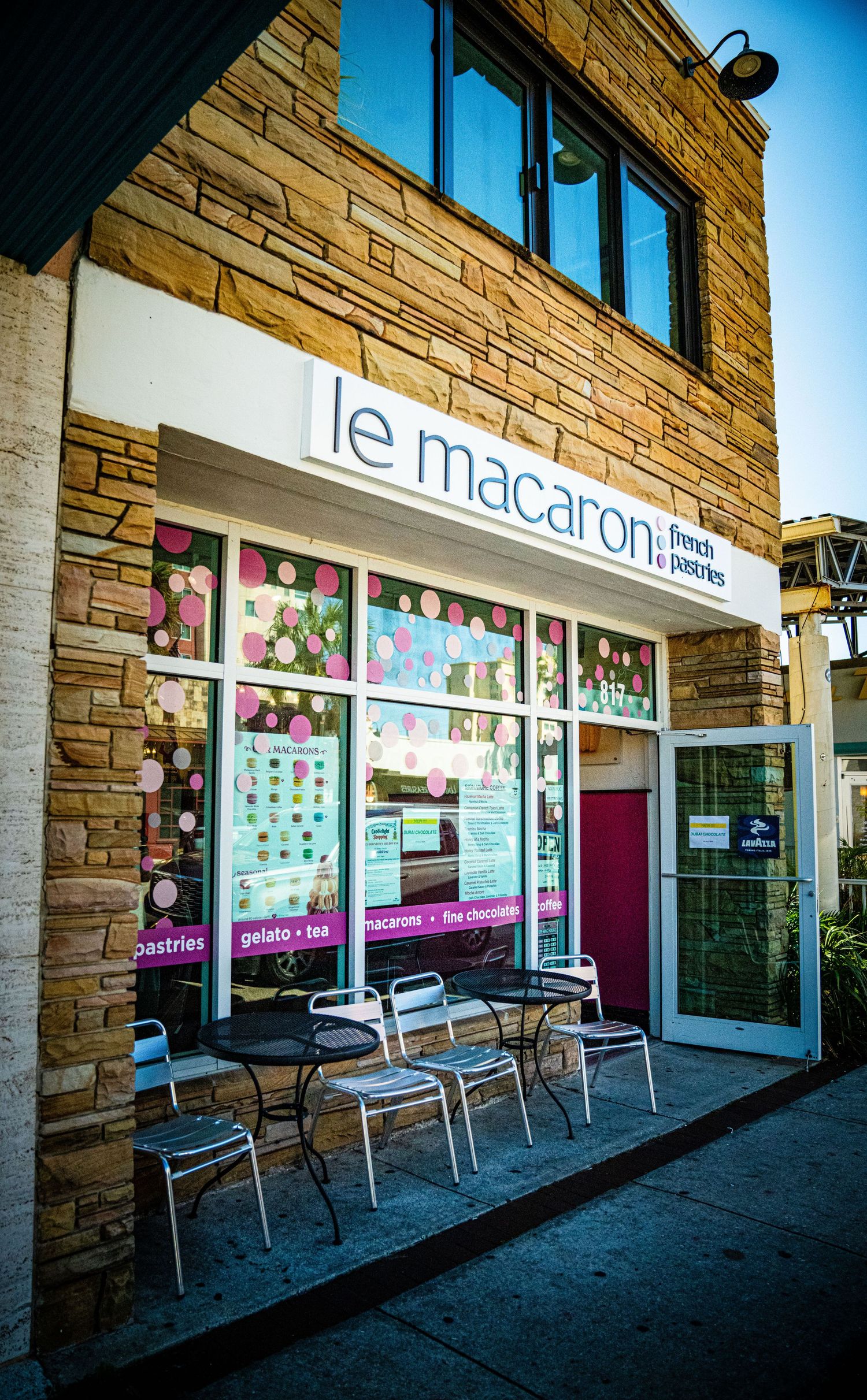
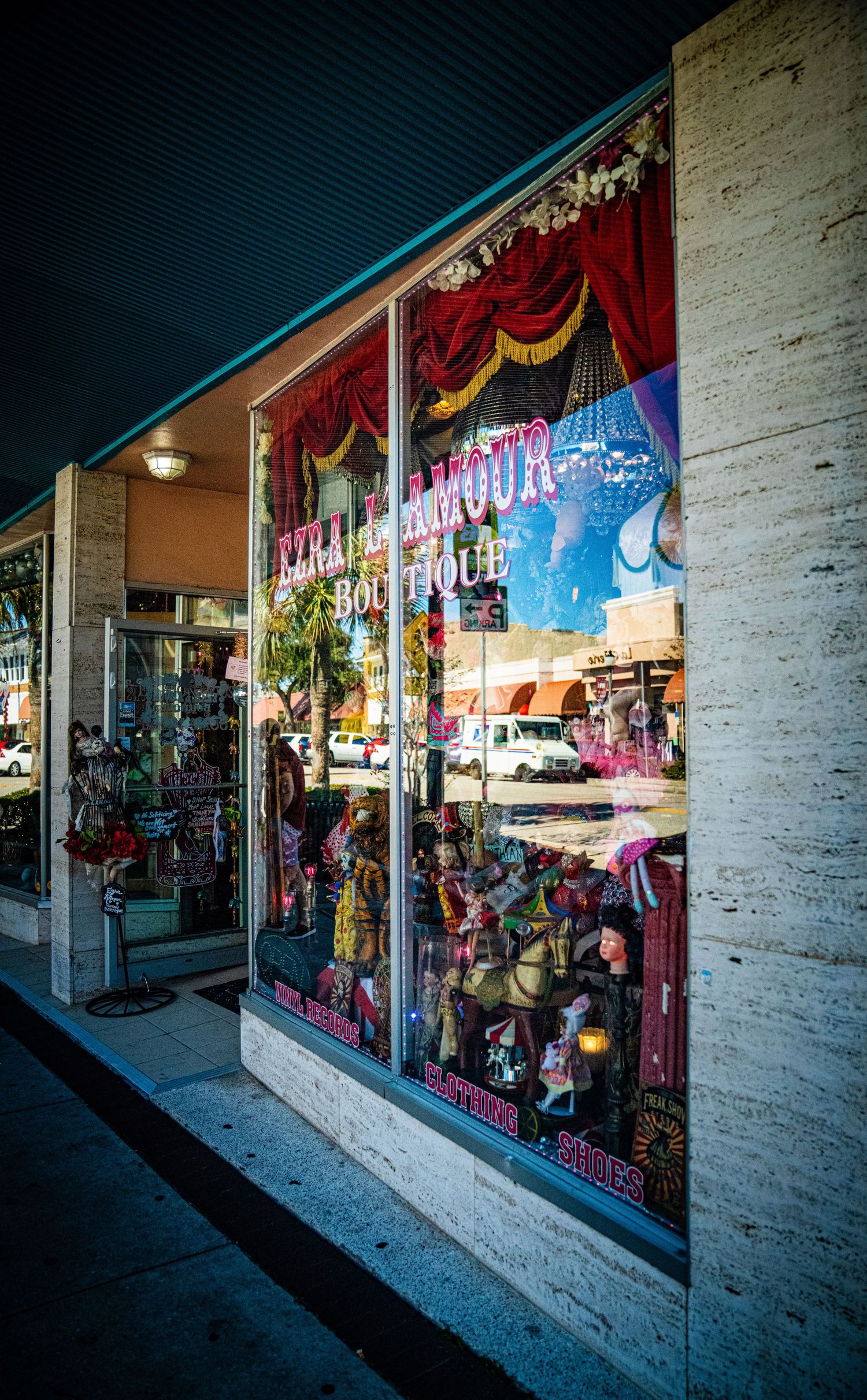
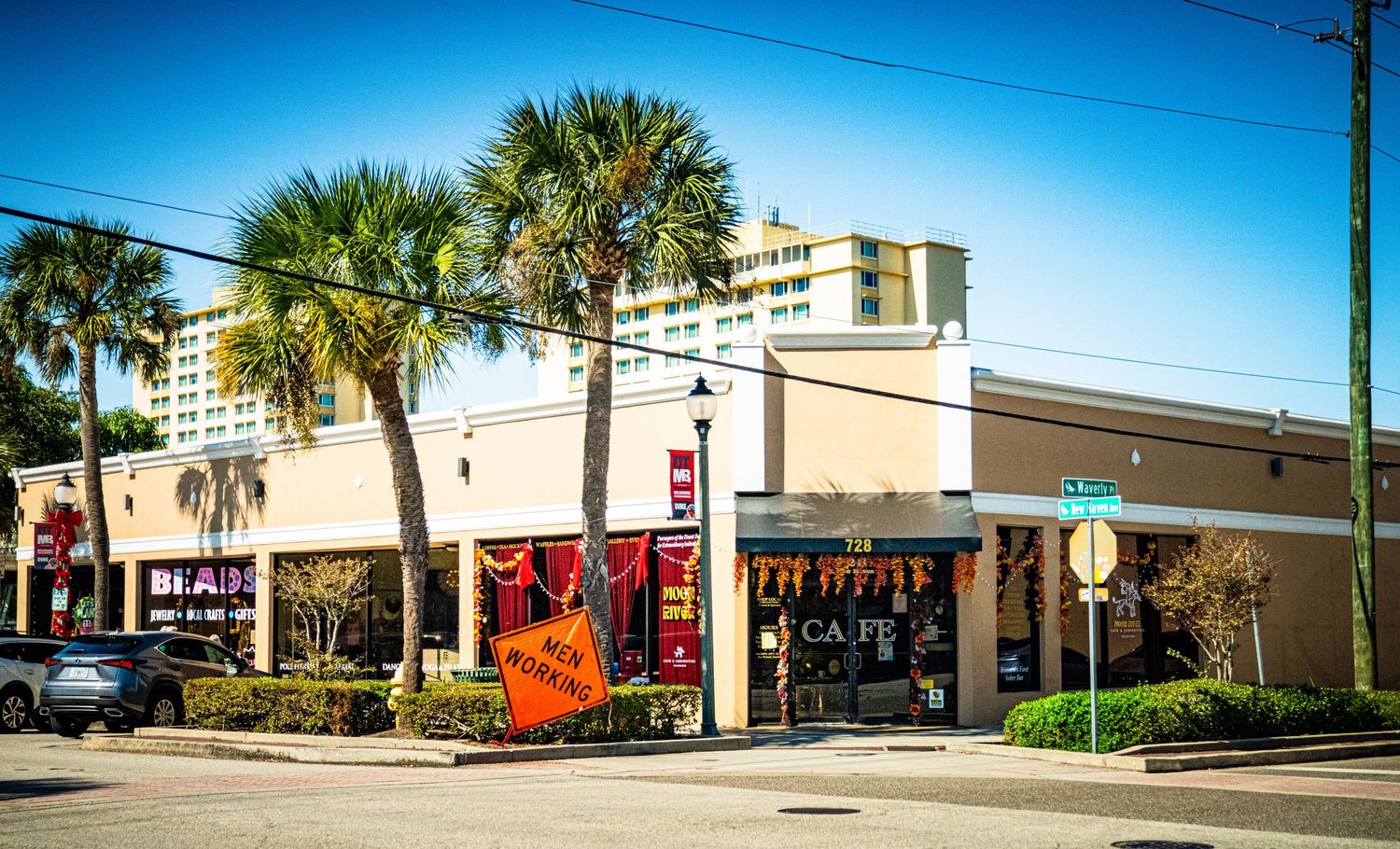
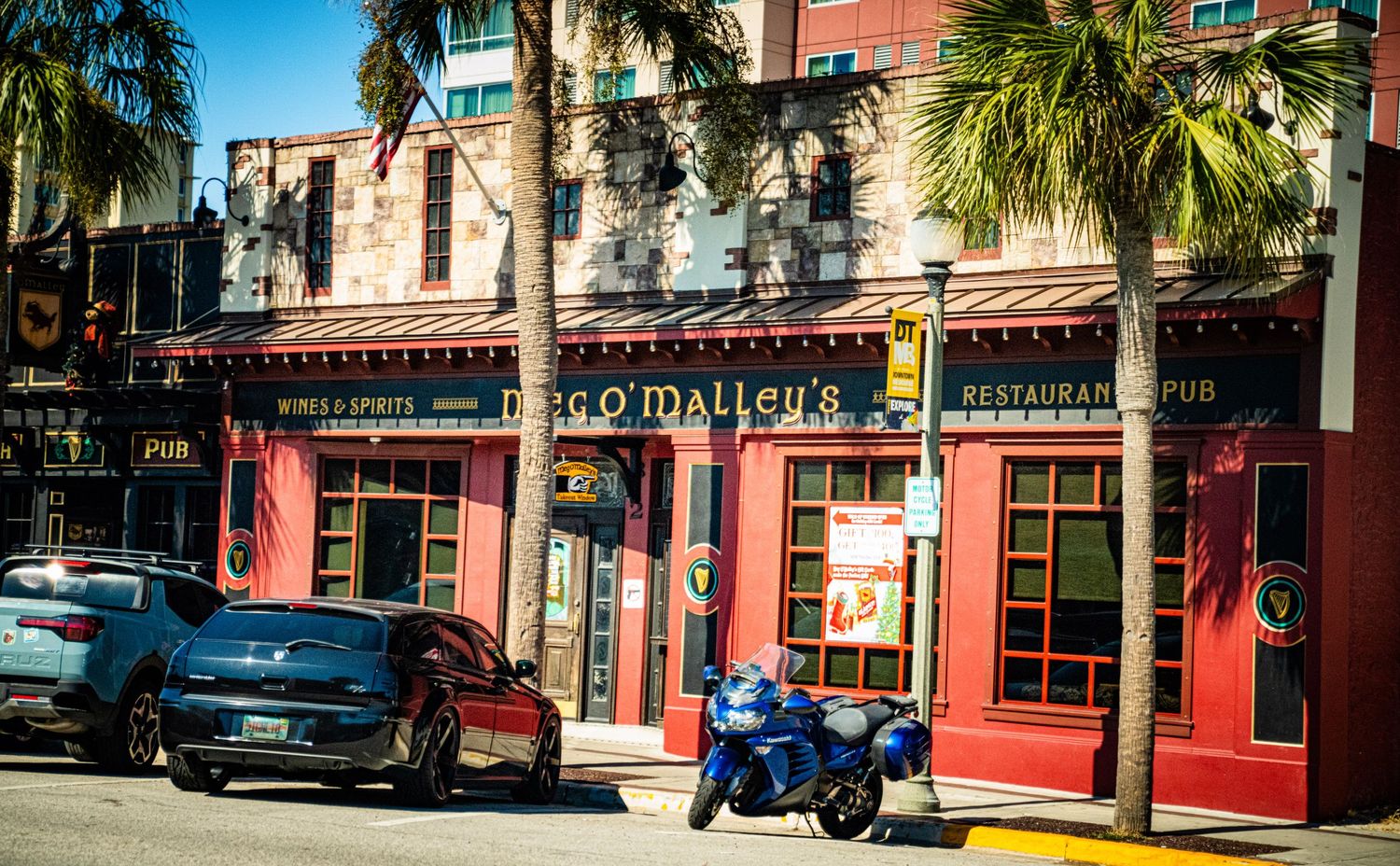
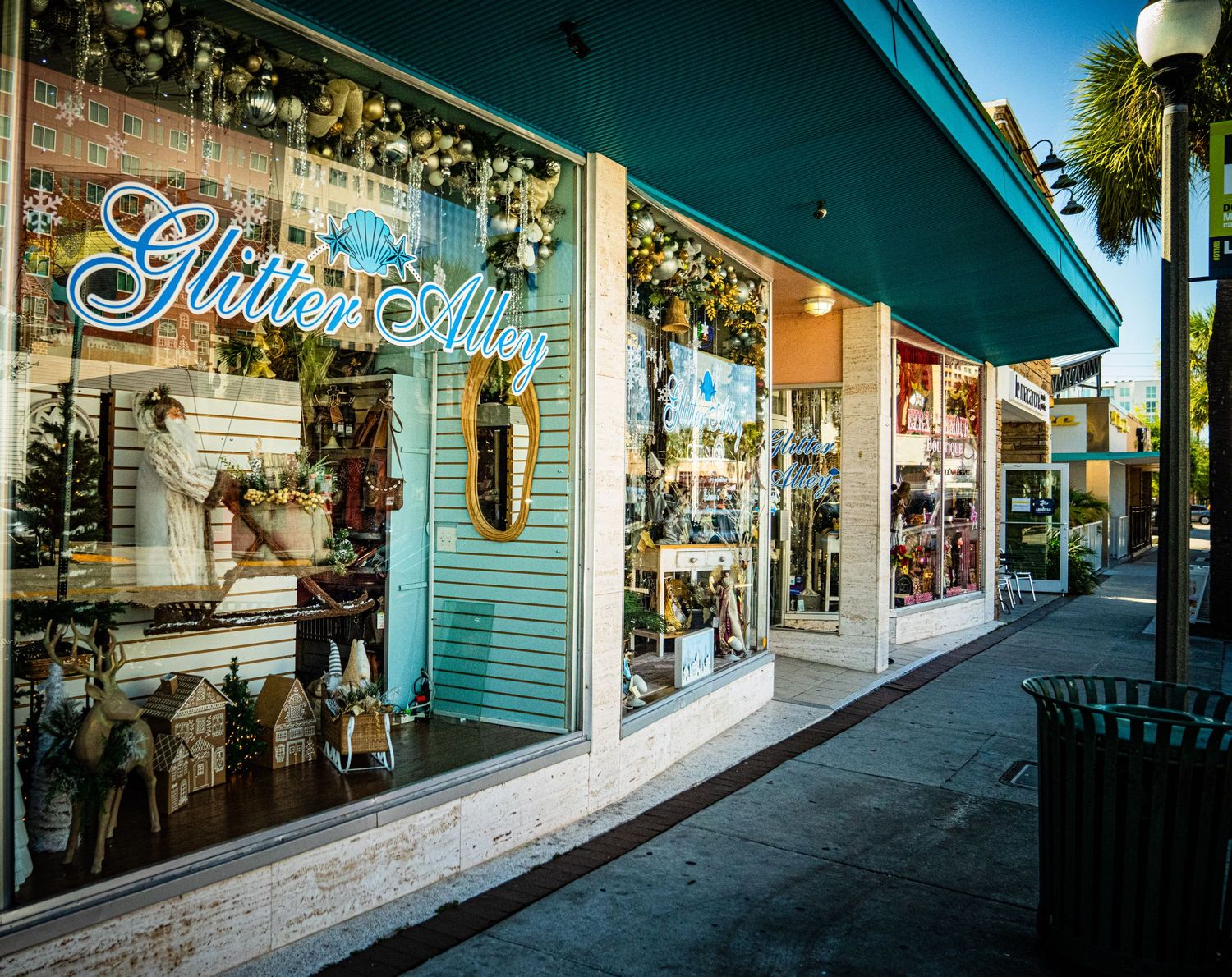
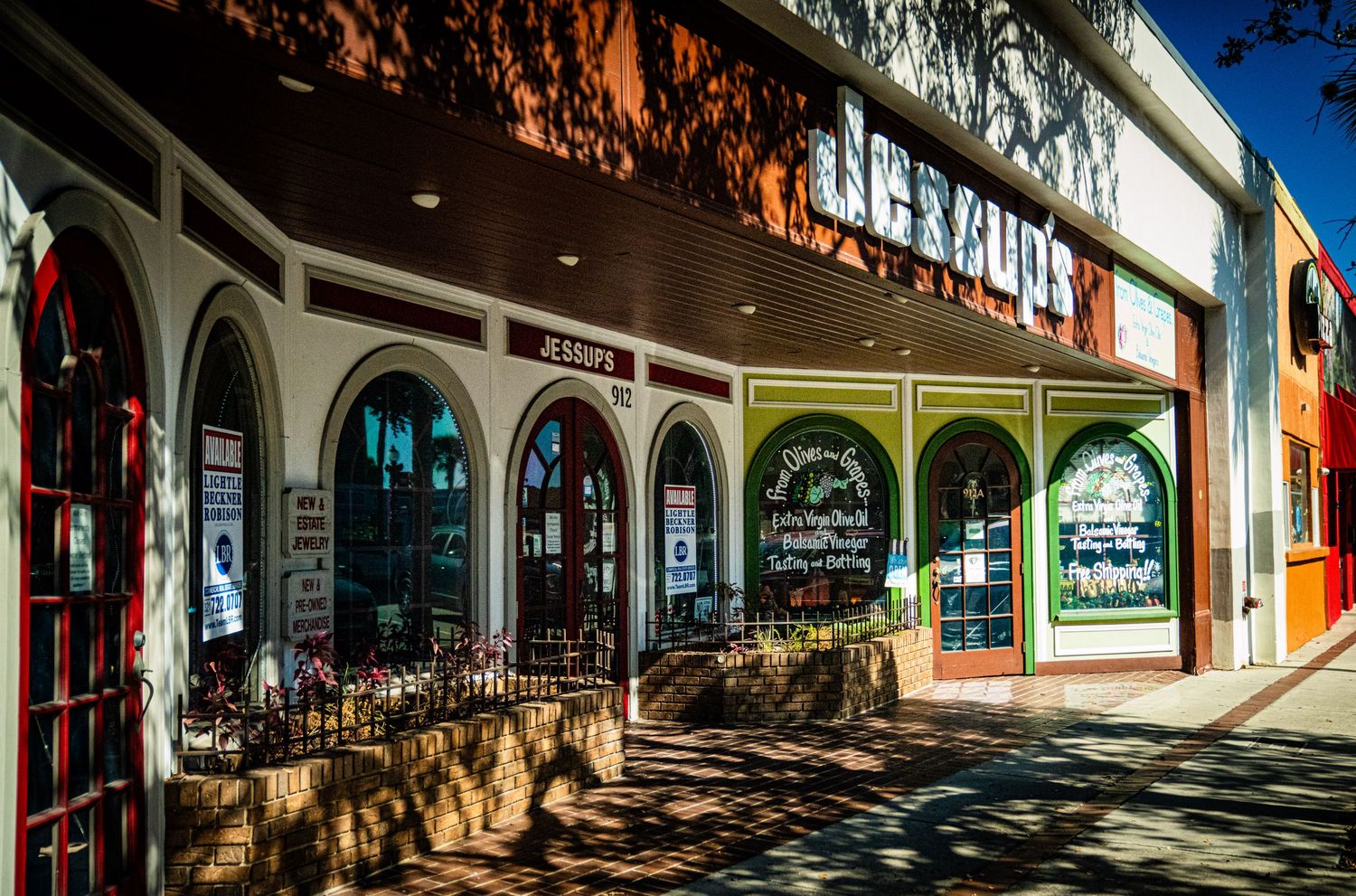
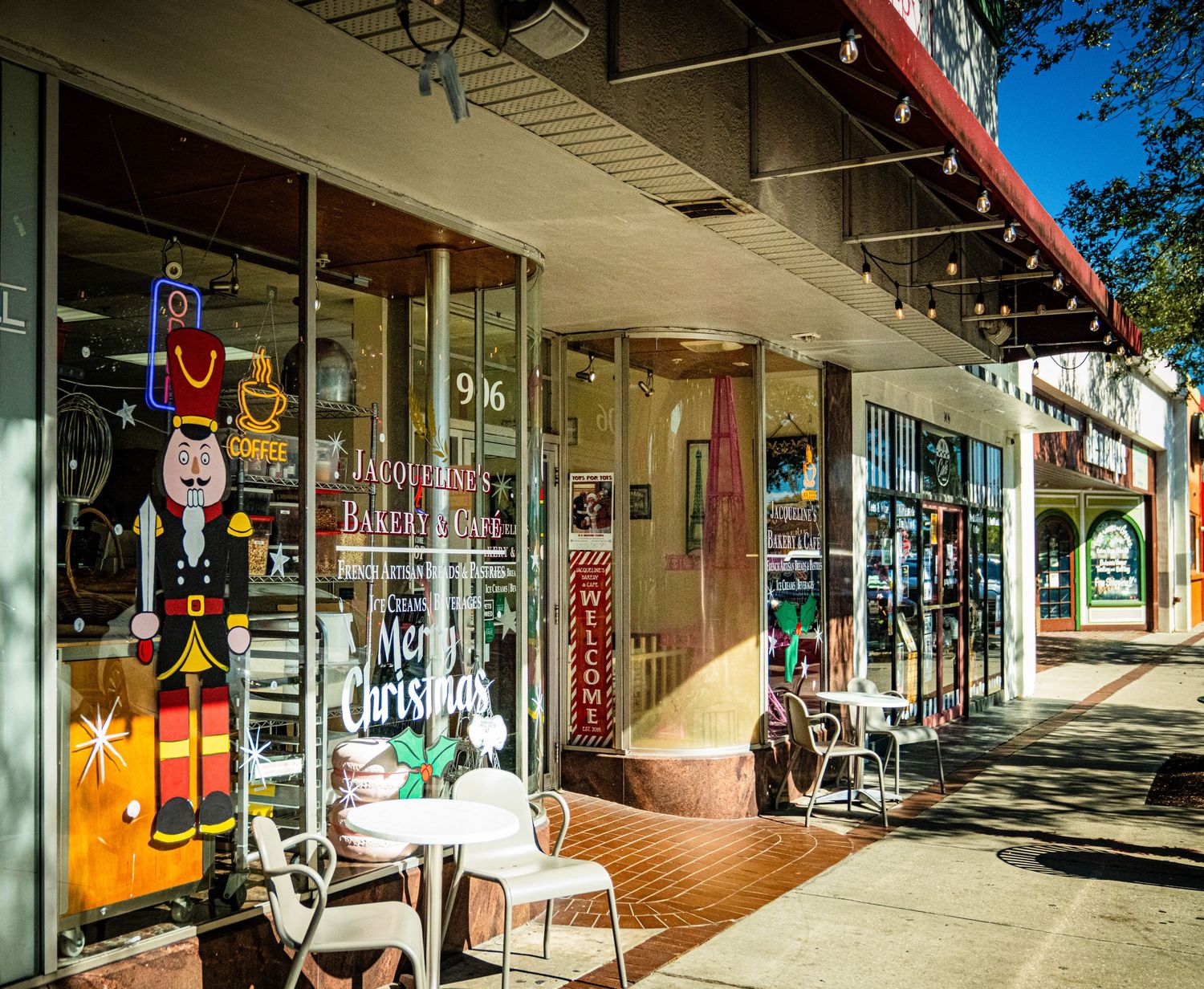
Located along Florida’s east-central Atlantic coast, Melbourne’s roots date back to the late 1800s when former slaves, pioneers, and entrepreneurs settled the area near the Indian River Lagoon. Named after Melbourne, Australia—by one of its early residents—the town steadily grew thanks to its position along the Florida East Coast Railway and its proximity to scenic waterways. Through the 20th century, Melbourne evolved from a sleepy harbor community into a key part of Florida’s “Space Coast,” boosted by nearby Cape Canaveral’s growing aerospace industry. Today, downtown Melbourne blends its historical identity with a modern coastal lifestyle, complete with local shops, public art, and waterfront views.
Historical Significance
Melbourne holds a unique place in Florida’s story as a town shaped by resilience, diversity, and innovation. Its earliest settlers included African American freedmen who built homes and churches that laid the foundation for a thriving, self-sufficient community. The arrival of the railroad and later the aerospace boom transformed Melbourne into a gateway for both commerce and technology. Its location near the Kennedy Space Center connected it to America’s space exploration legacy, while its historic downtown has worked to preserve the architectural and cultural elements that reflect its pioneer past. Melbourne serves as a bridge between Florida’s frontier history and its high-tech present.