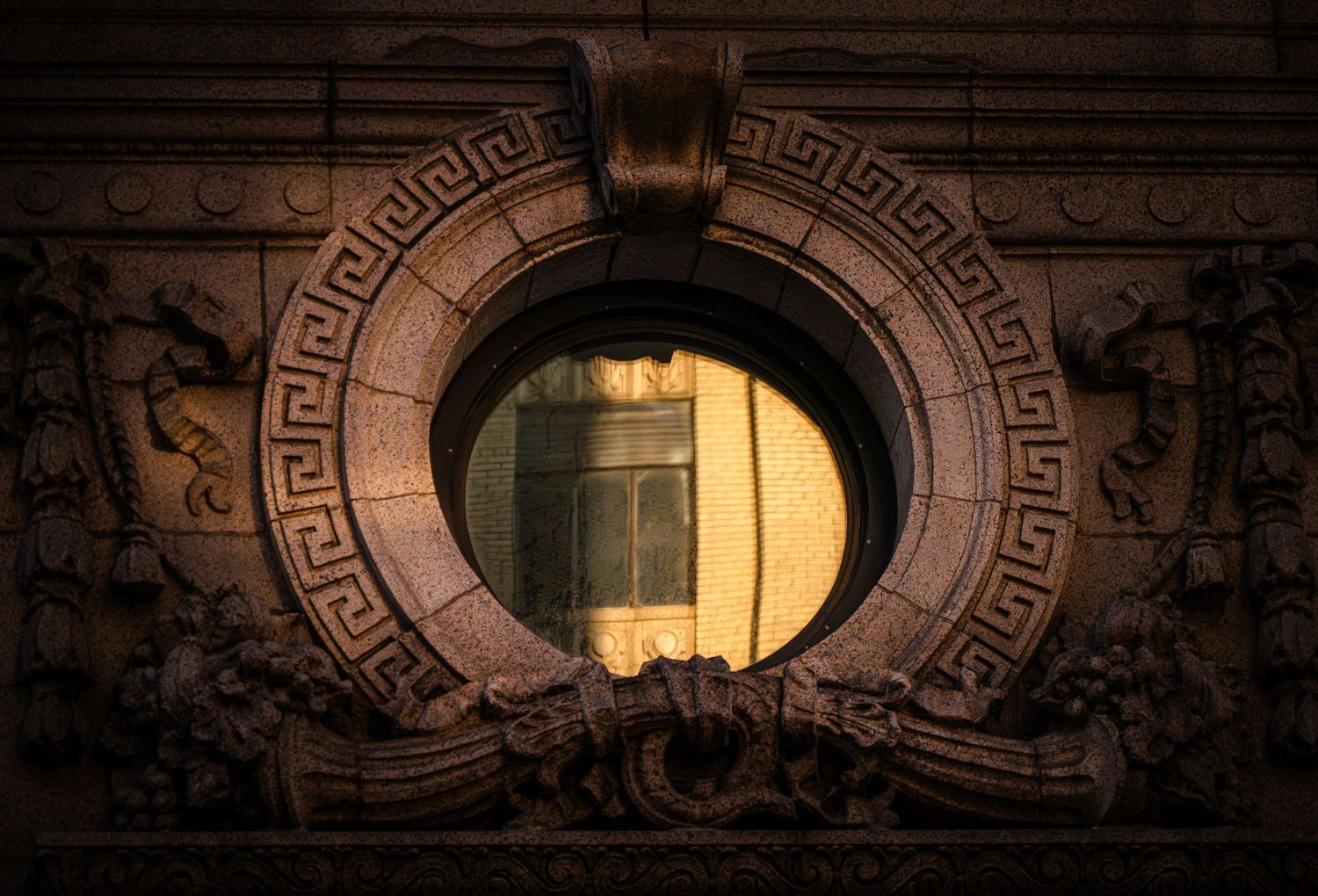
A Closer Look at Milwaukee's Downtown Architecture
Downtown Milwaukee tells its story not only in skyline silhouettes but in the quiet, intricate details of its architecture. On this recent visit, I took time to look closely—really closely—at the buildings that have stood as silent witnesses to the city’s evolving identity. From ornate stonework to terra-cotta flourishes, these elements reveal the craftsmanship of a bygone era and the cultural pride that helped shape the city.
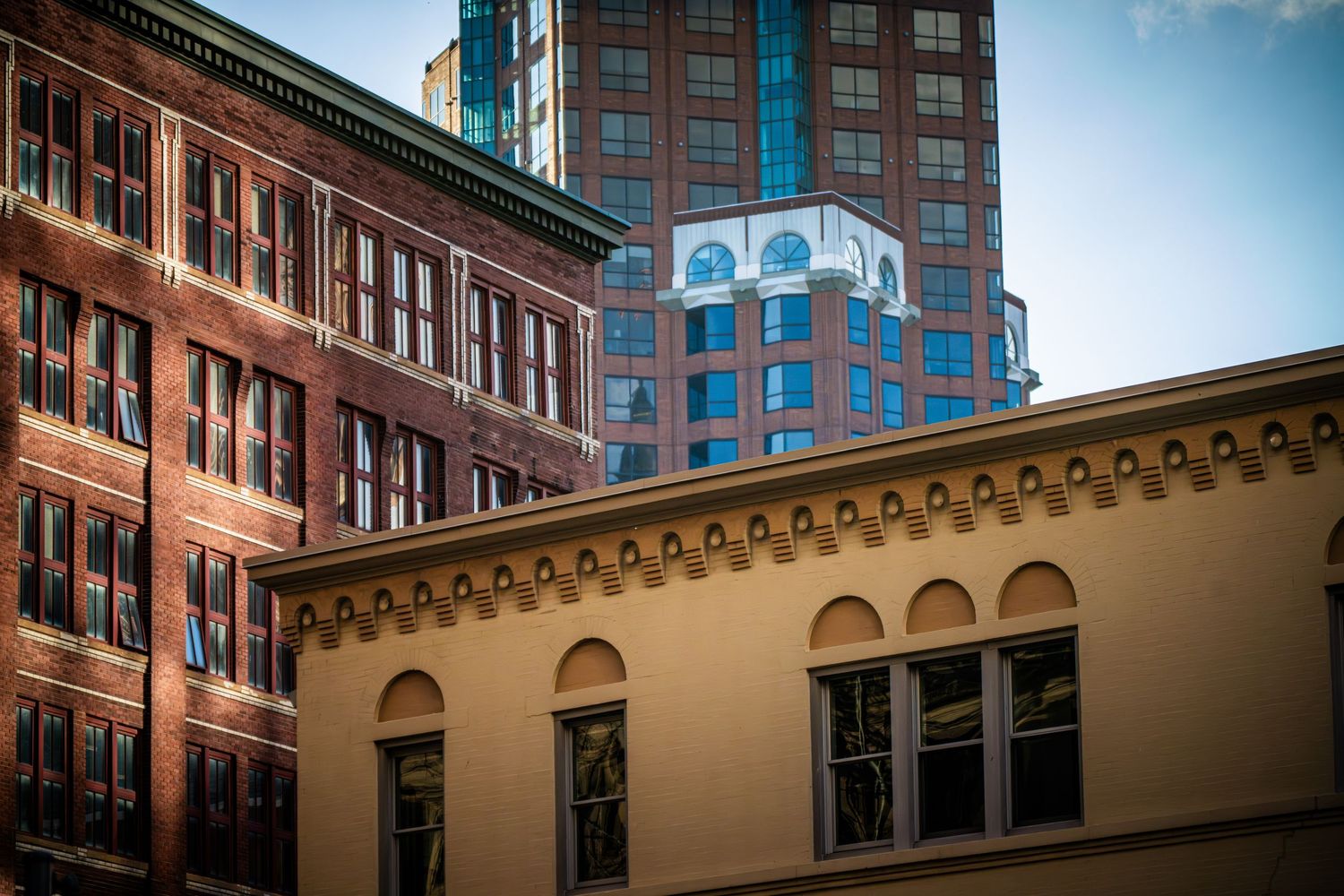
Milwaukee’s architectural language is a blend of Cream City brick, German-influenced facades, and Beaux-Arts grandeur. That iconic yellowish brick, unique to the region, was used extensively in the 19th century and gives many buildings their distinct, warm glow. In fact, it earned Milwaukee the nickname "Cream City". Many structures still standing today—some restored, others weathered—feature that signature material, each block holding the fingerprint of its maker.
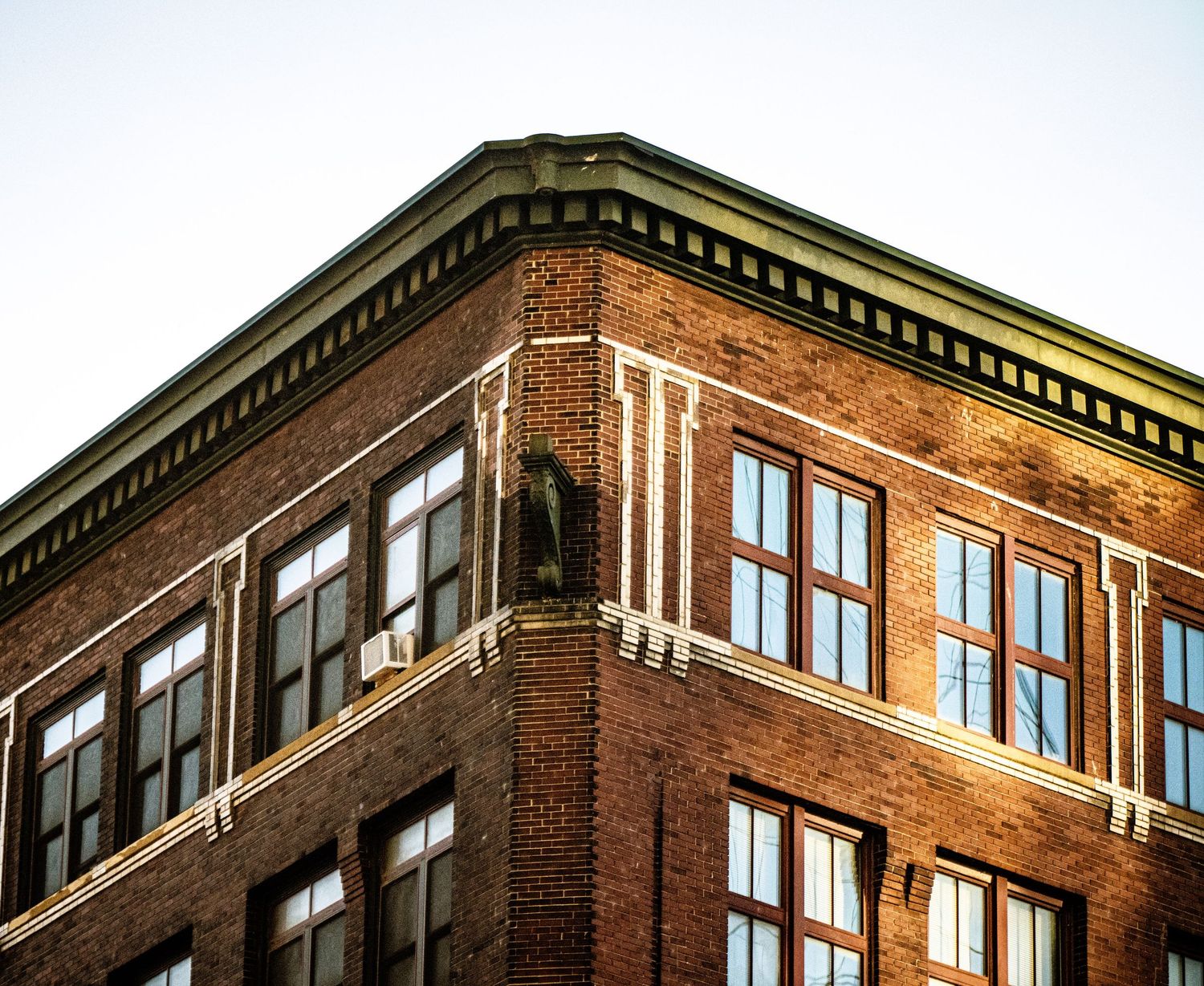
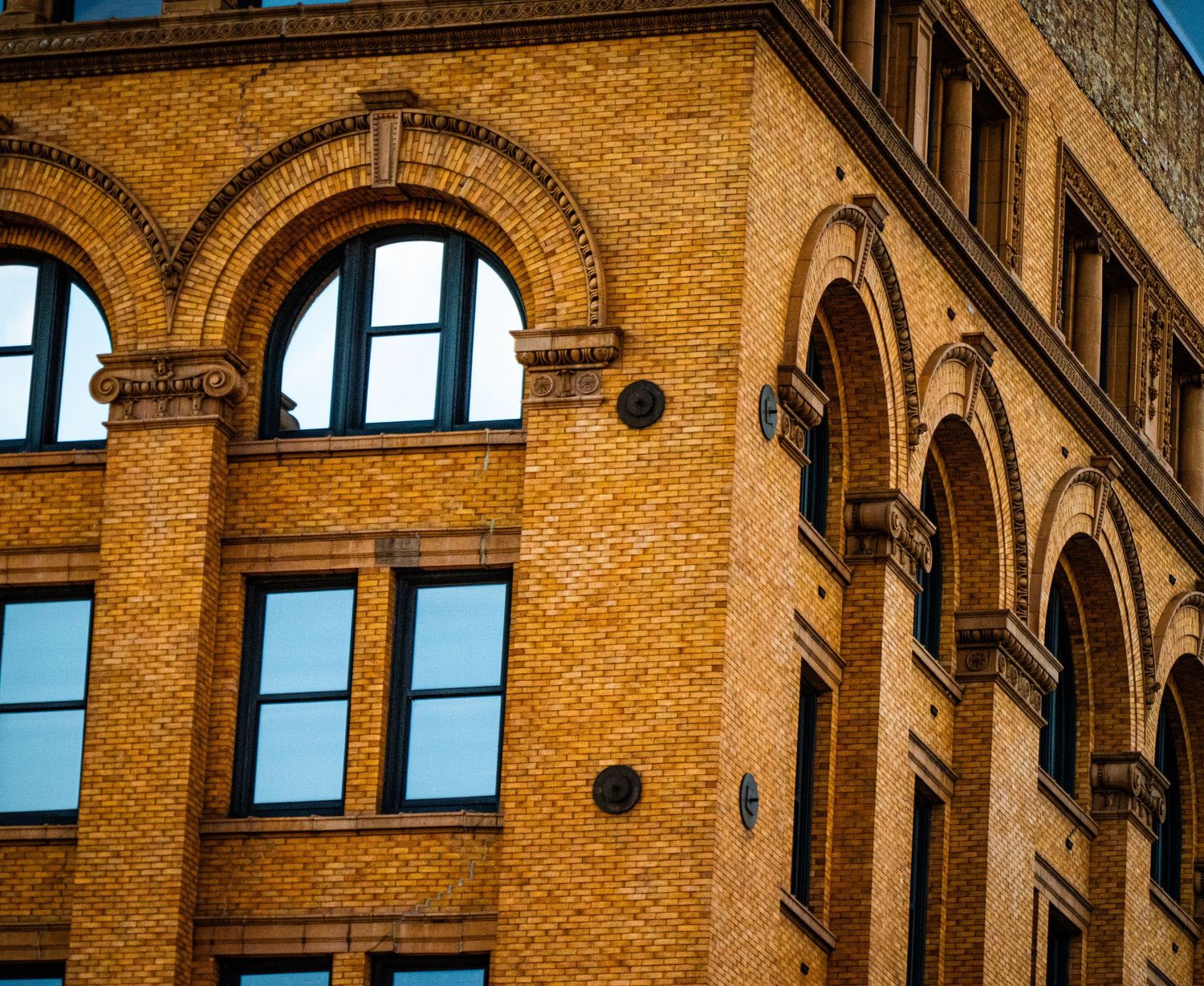
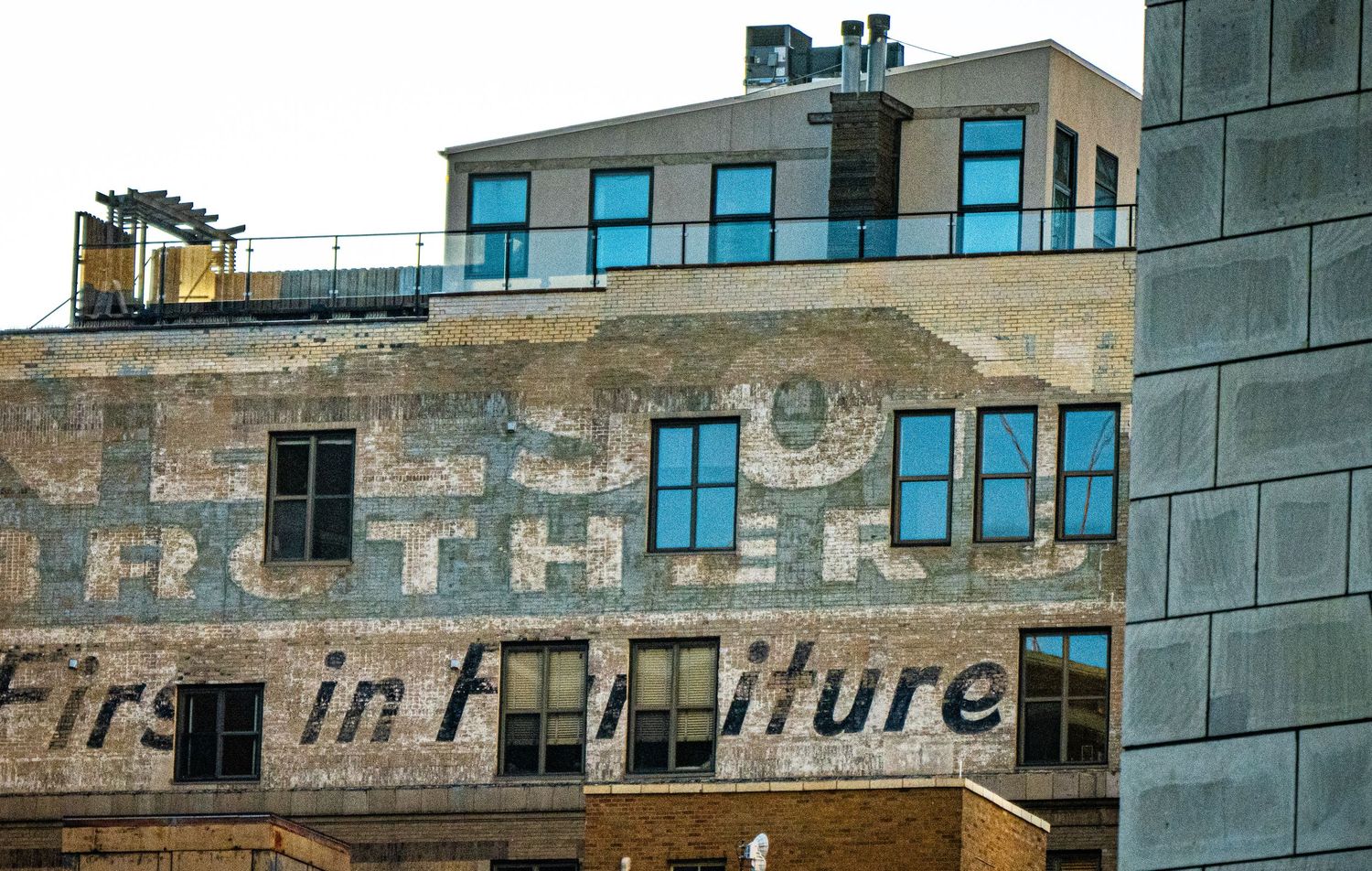
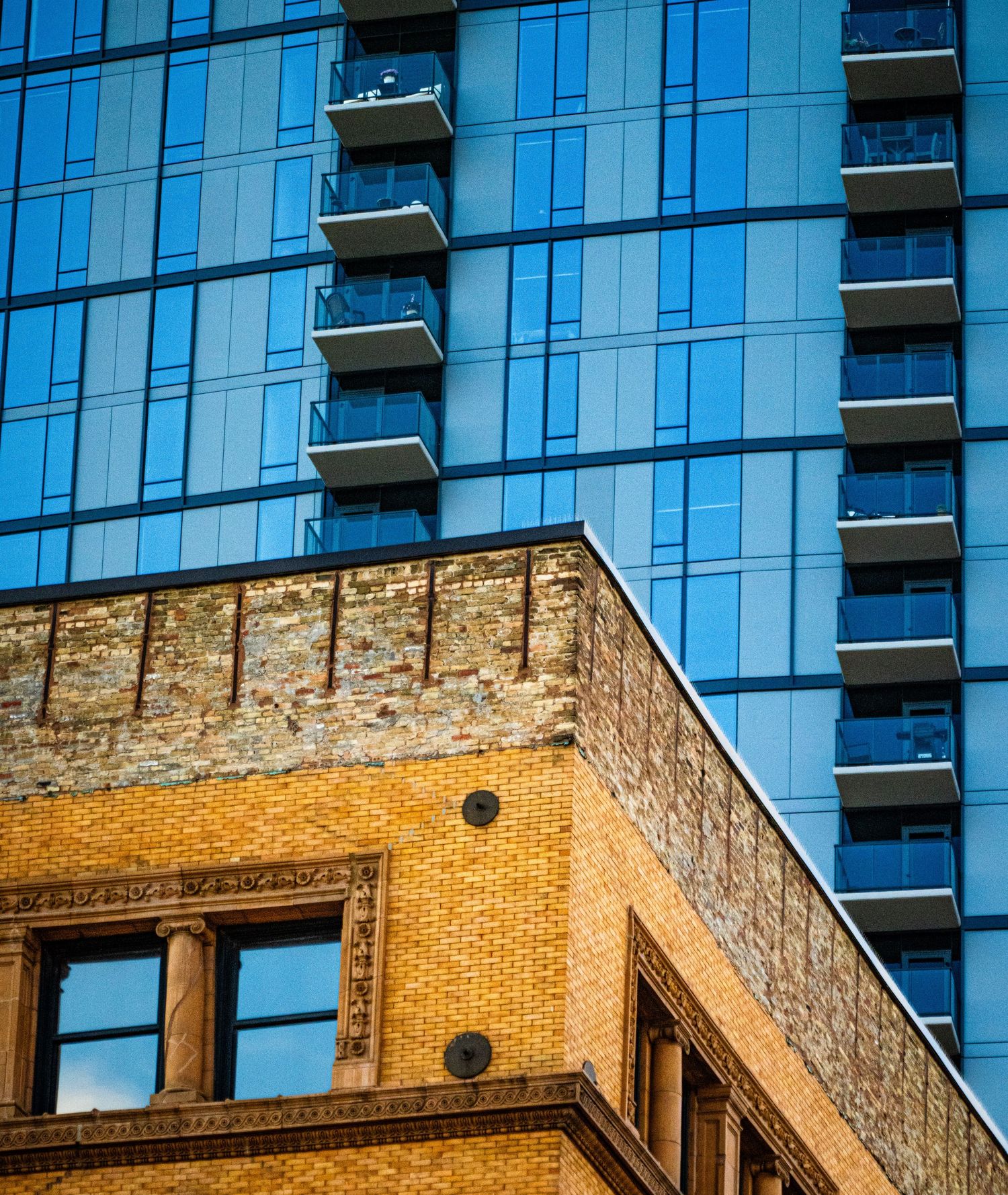
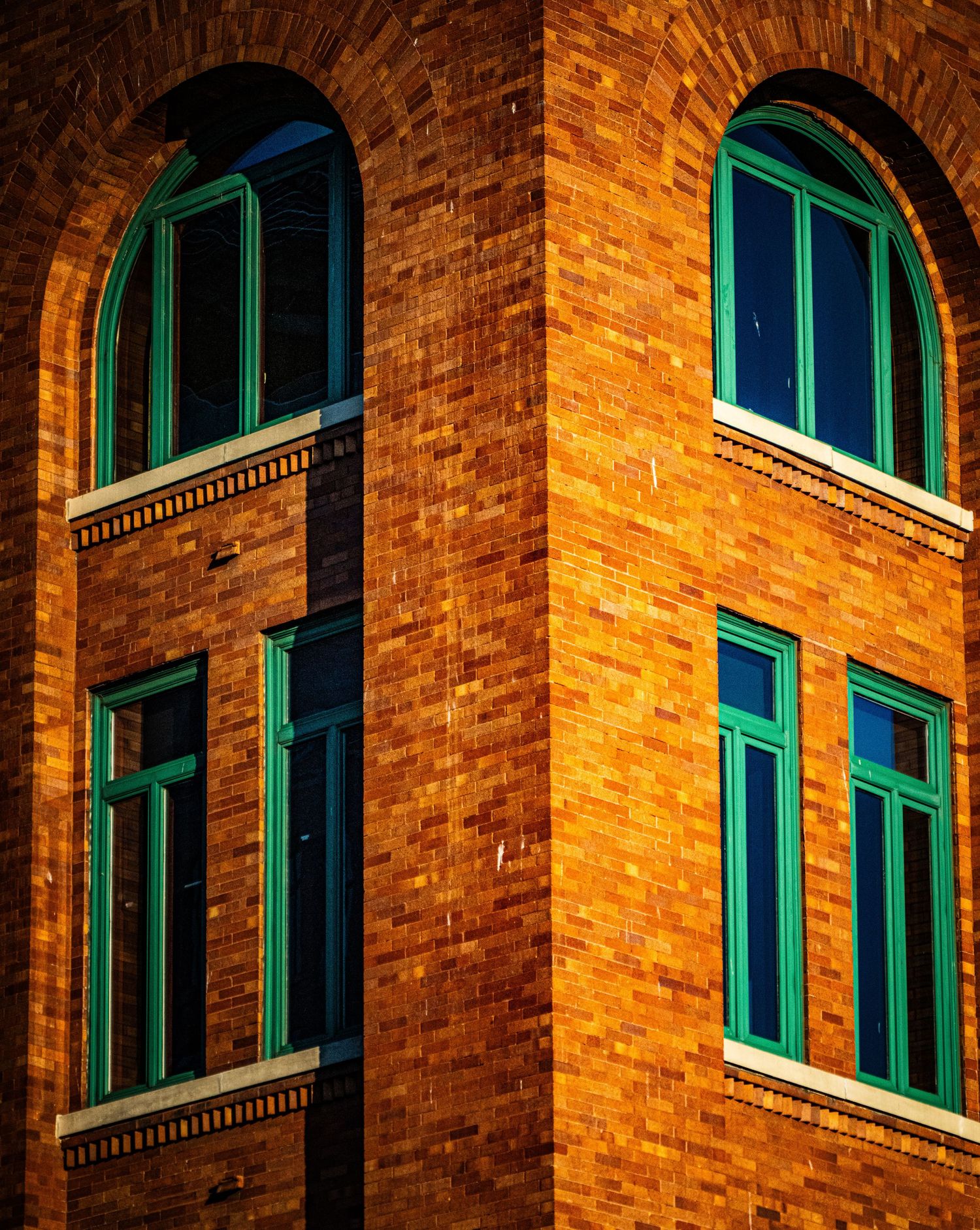
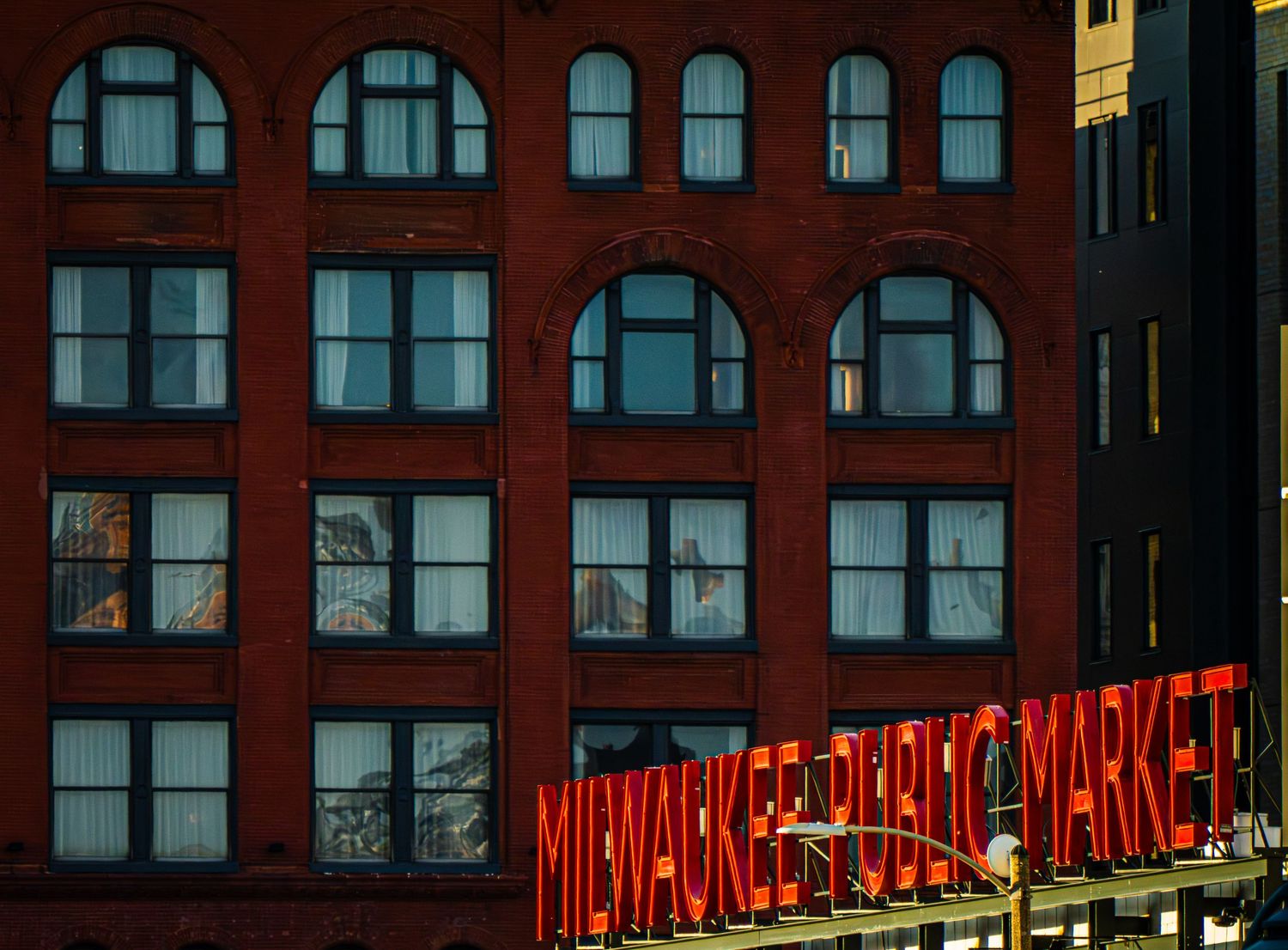
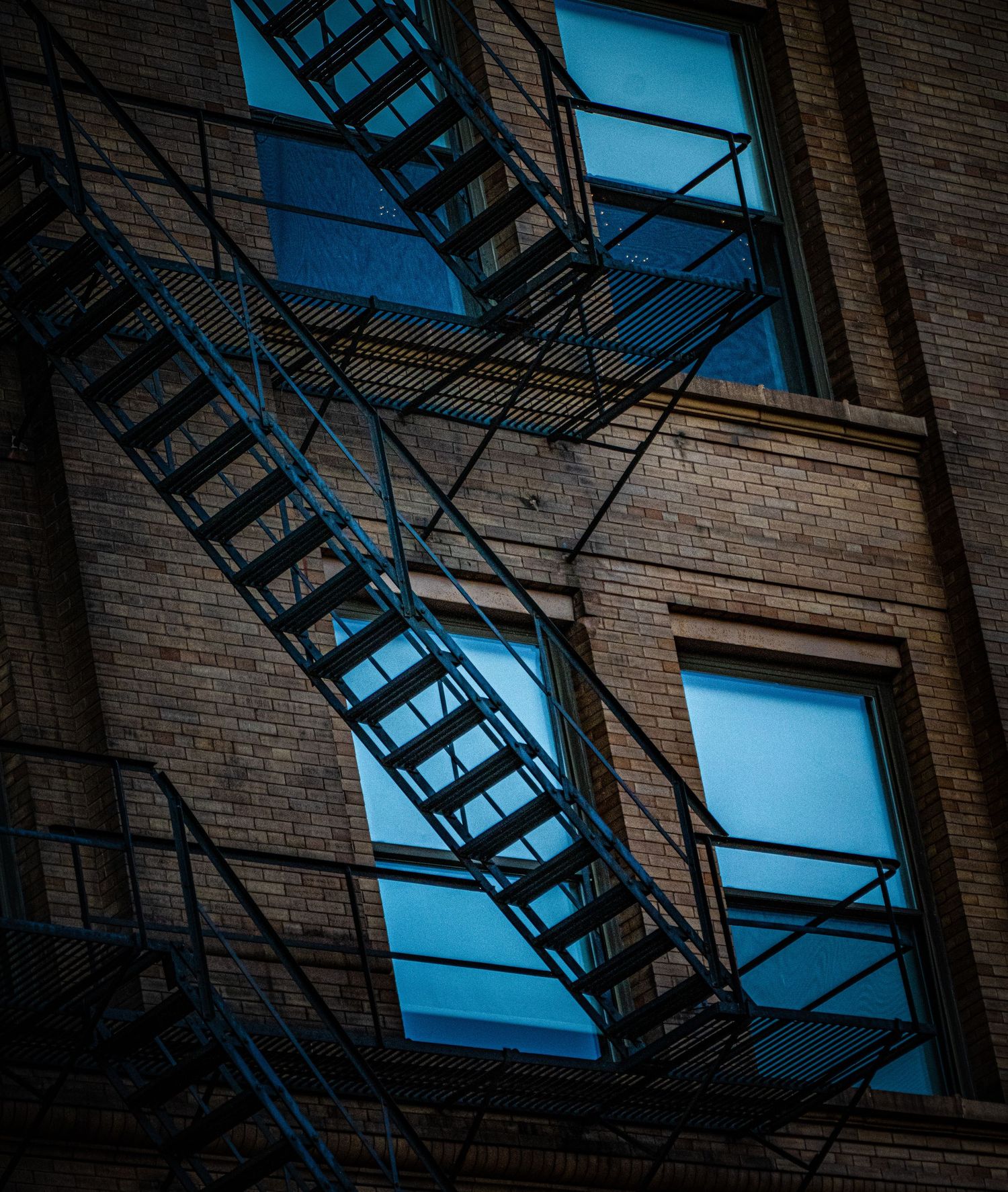
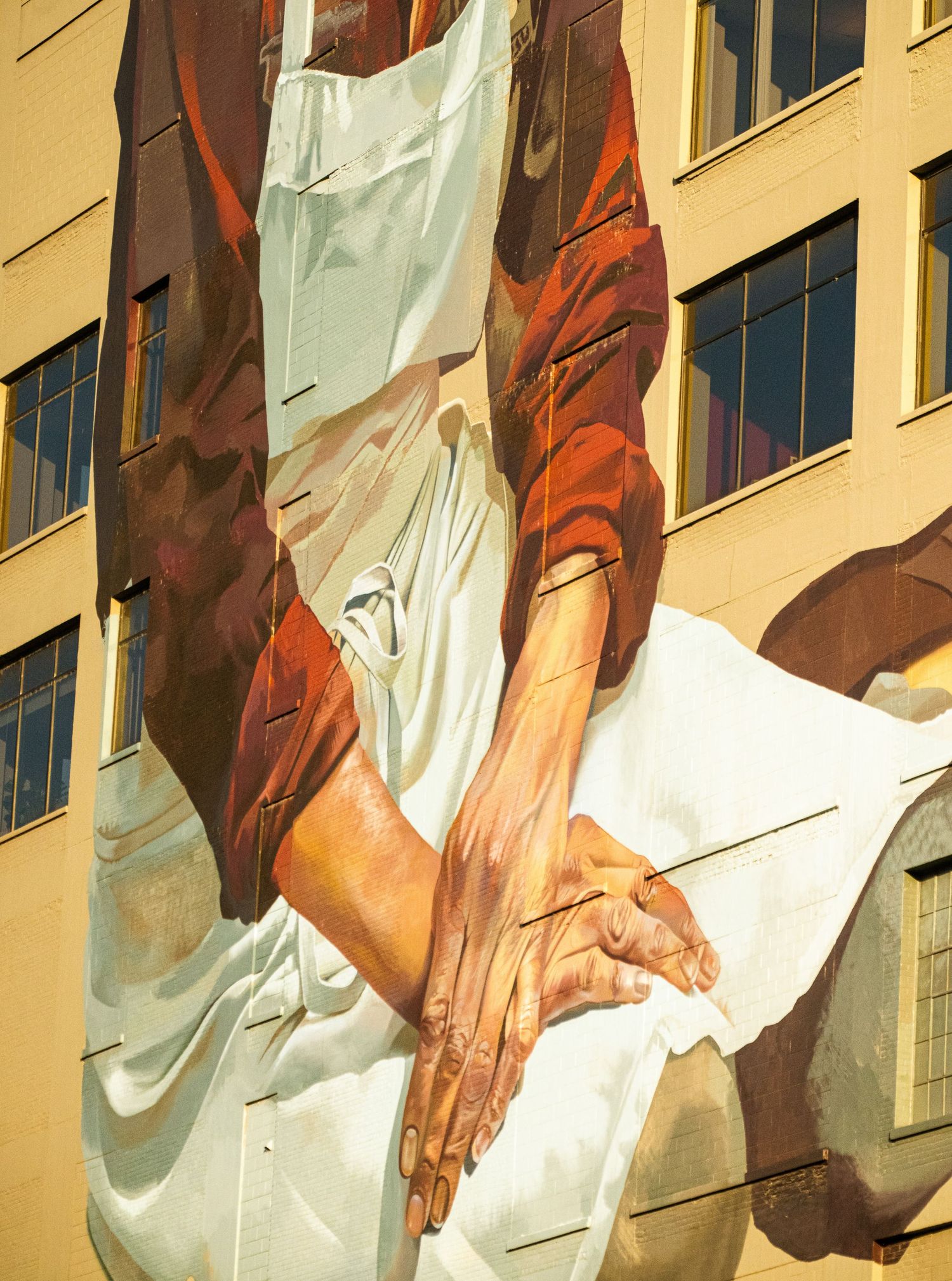
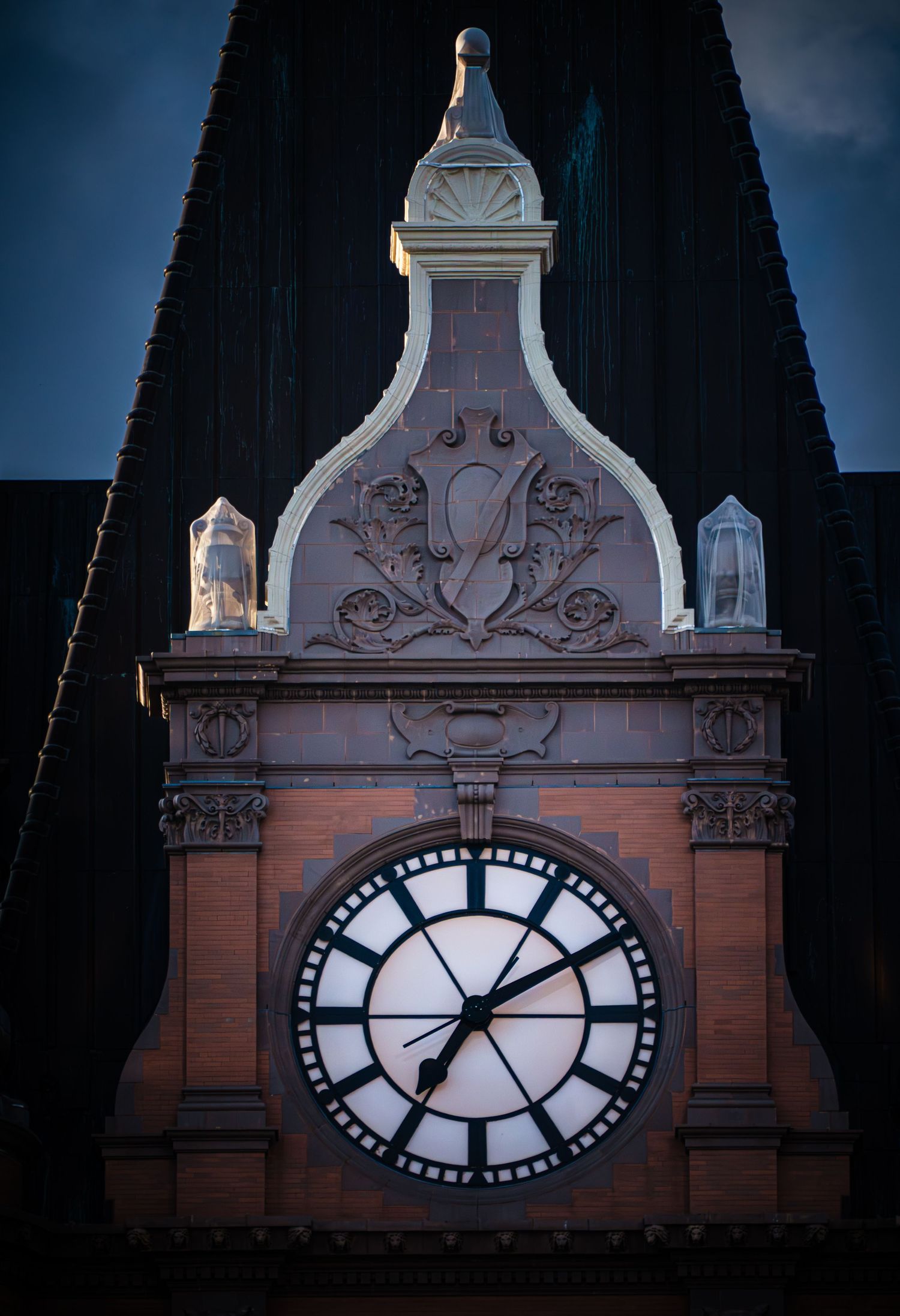
Walking downtown, you’ll find elements of Richardsonian Romanesque, with heavy arches and rough stonework—particularly around the old City Hall, completed in 1895. This towering landmark was once the tallest habitable building in the U.S. and remains one of the city's most striking features. Nearby, structures like the Pabst Theater and the Iron Block Building showcase Italianate iron detailing and Victorian flourishes, capturing a time when industry and artistry went hand in hand.
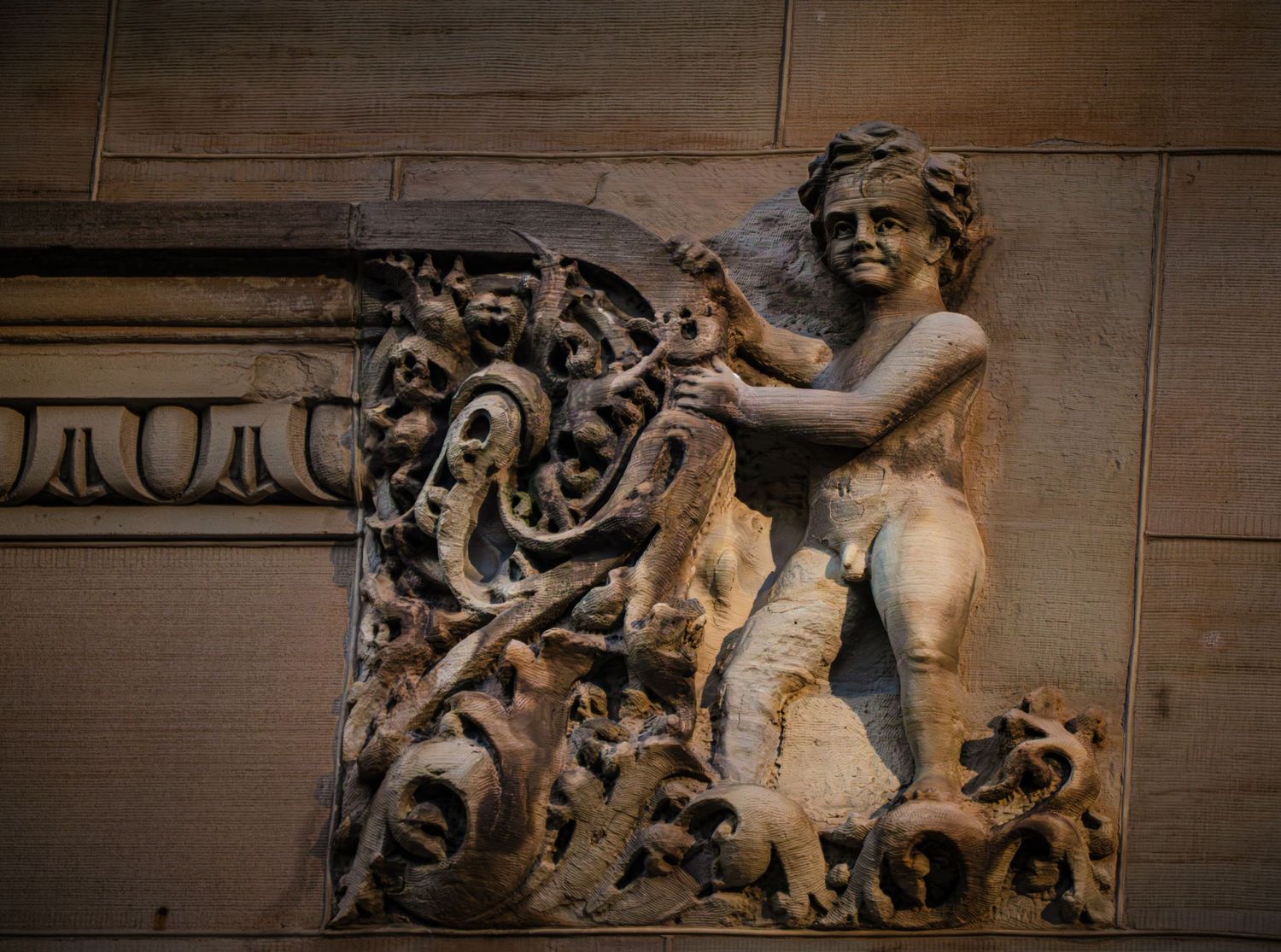
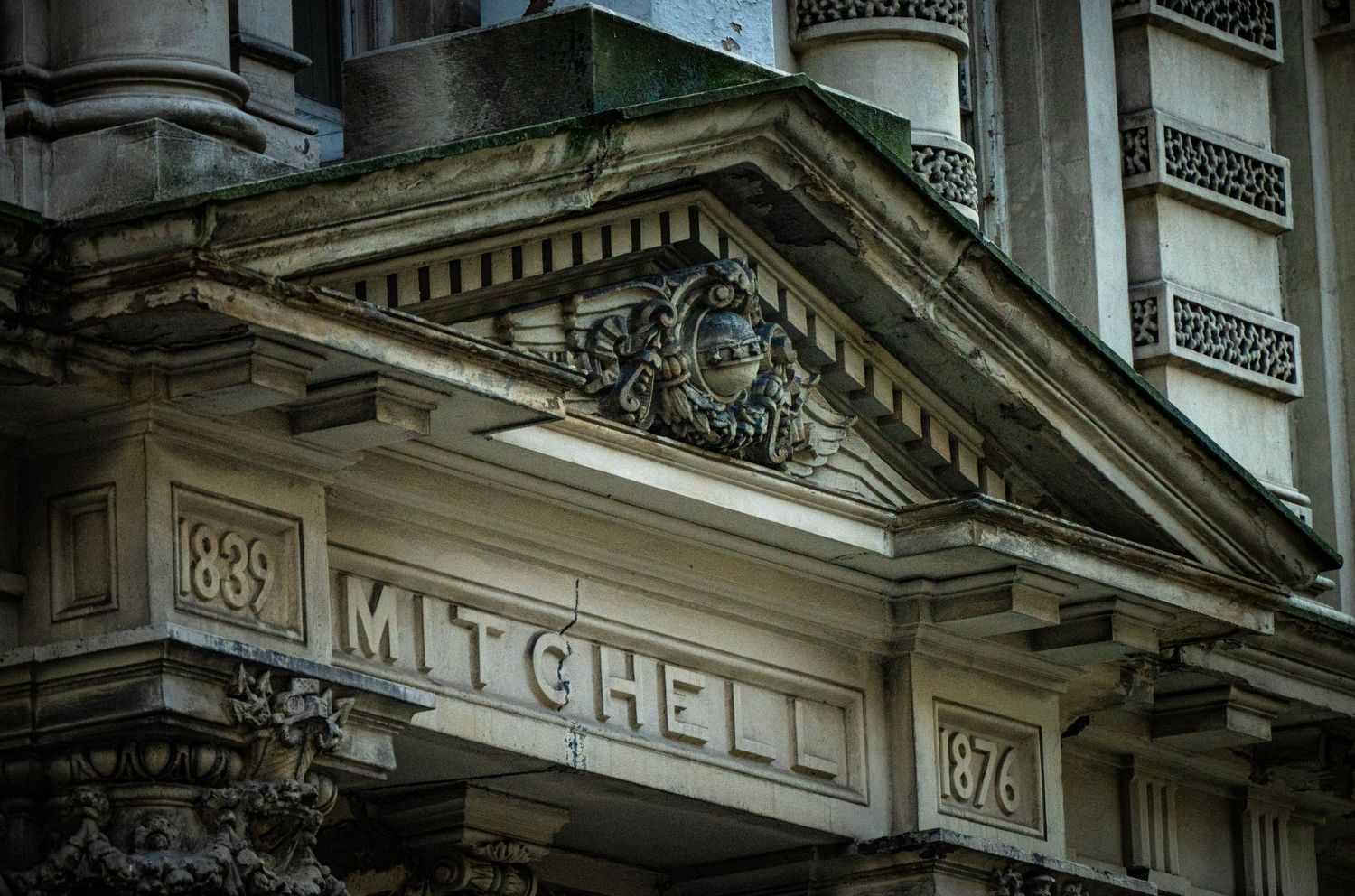
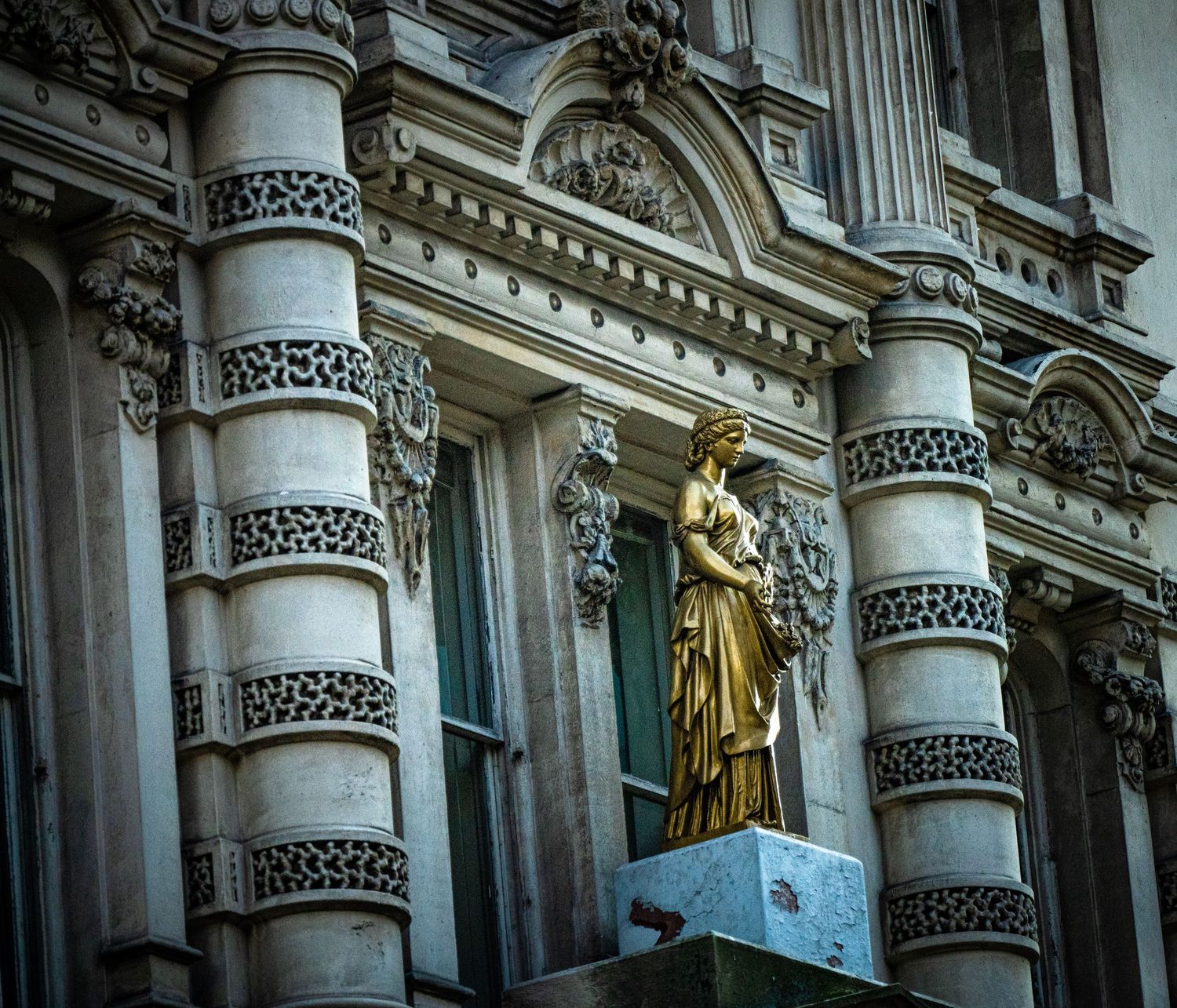
What I find most captivating are the smaller moments—a carved cornice, an engraved keystone, a forgotten emblem above a second-story window. These are the features that go unnoticed by the hurried passerby, but through a lens, they tell stories of ambition, artistry, and the immigrant hands that built Milwaukee from the ground up.