The Capitol
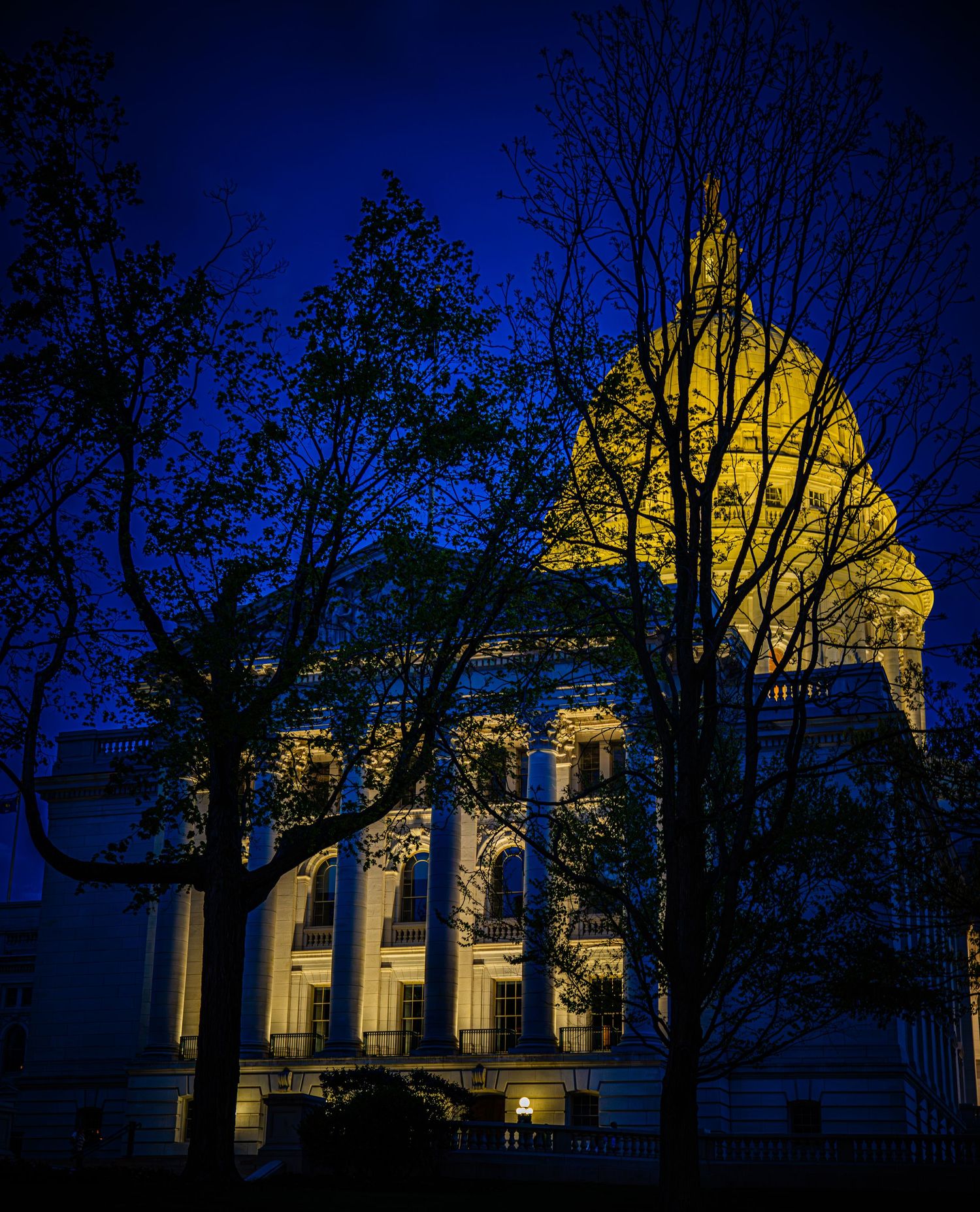
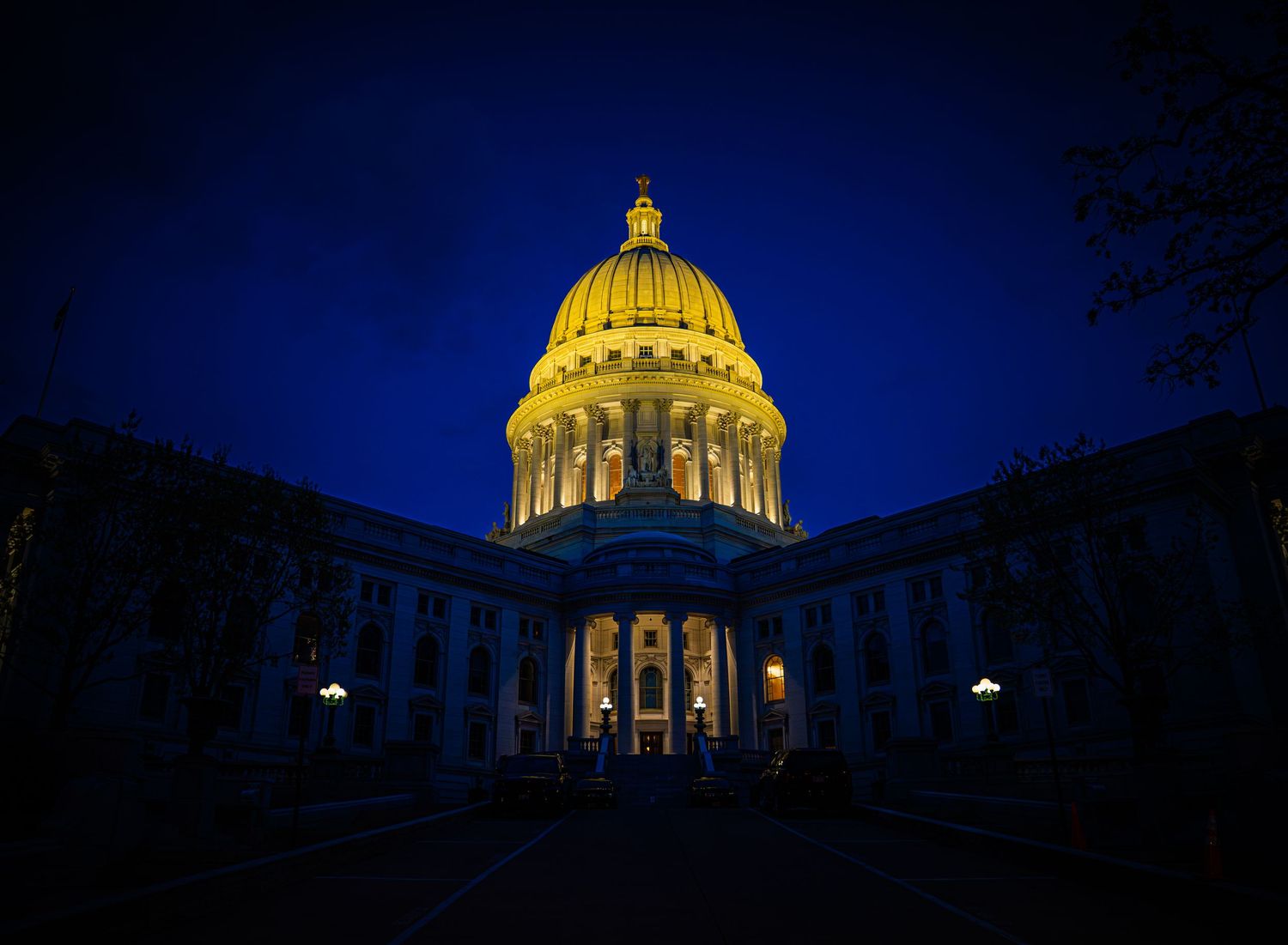
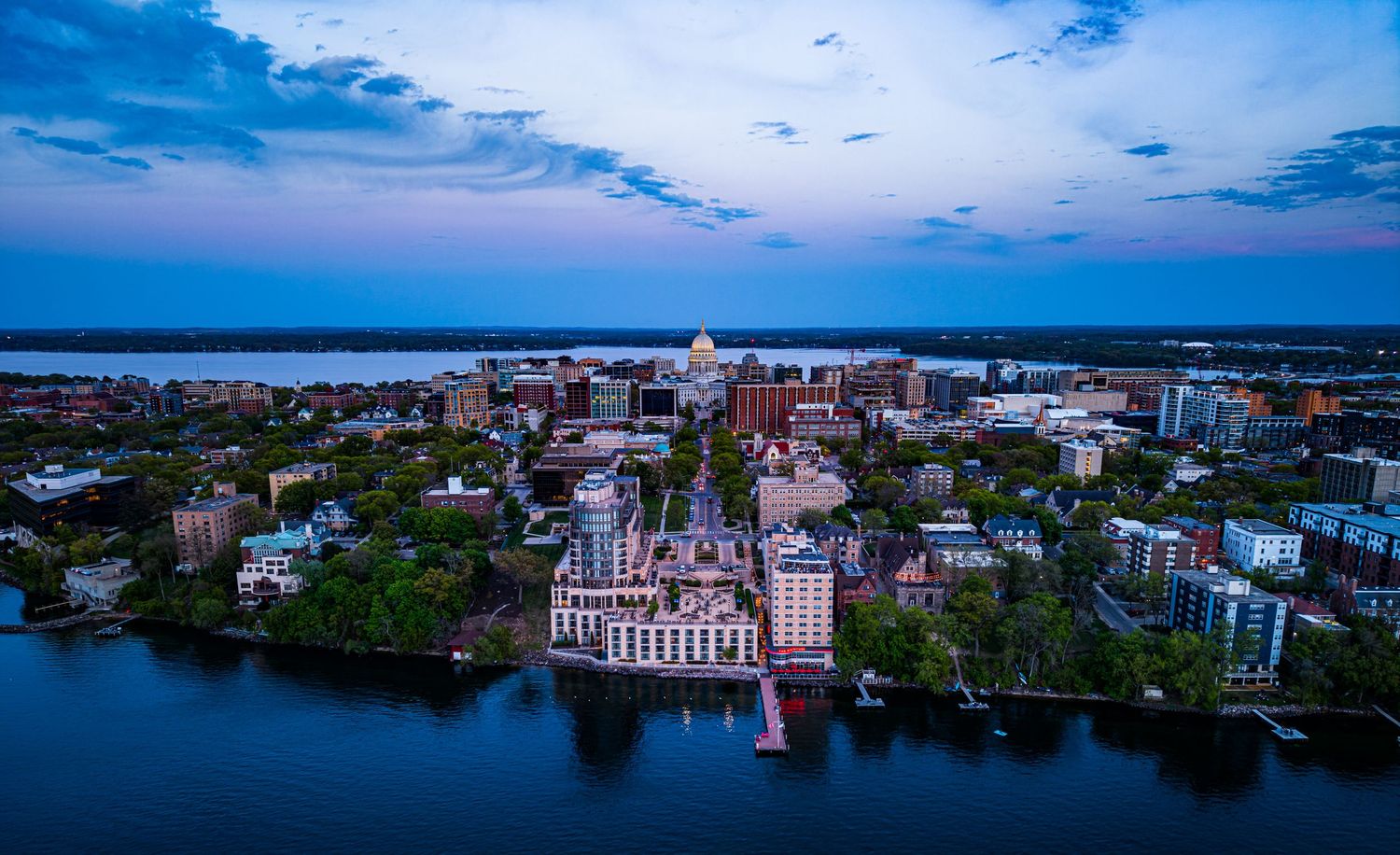
In just twenty-four hours, the city revealed itself through calm lakefront air, the rhythm of students and government workers crossing downtown streets, and the unmistakable silhouette of the Wisconsin State Capitol rising above it all like a monument frozen in time. From above, the symmetry becomes even more striking — the dome standing proudly between the lakes, anchoring the entire city around it.
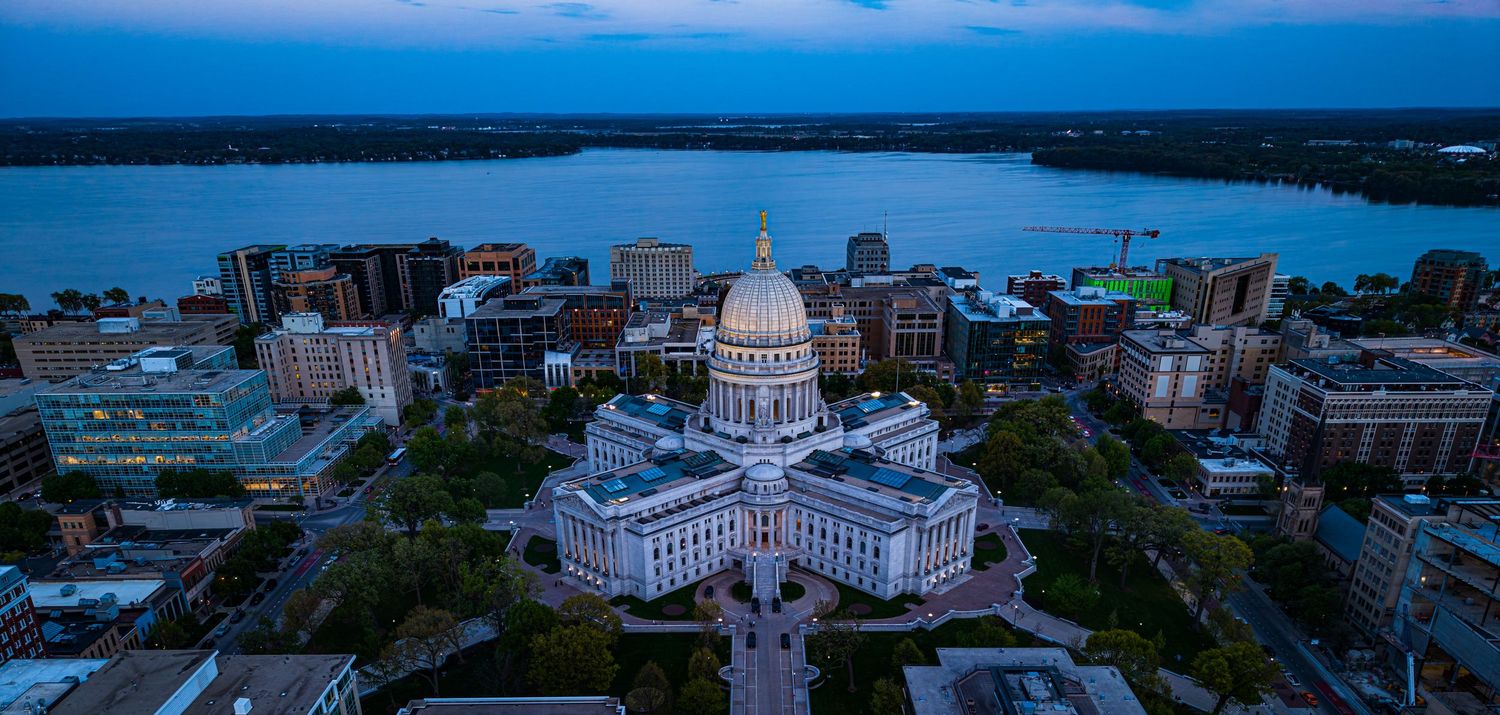
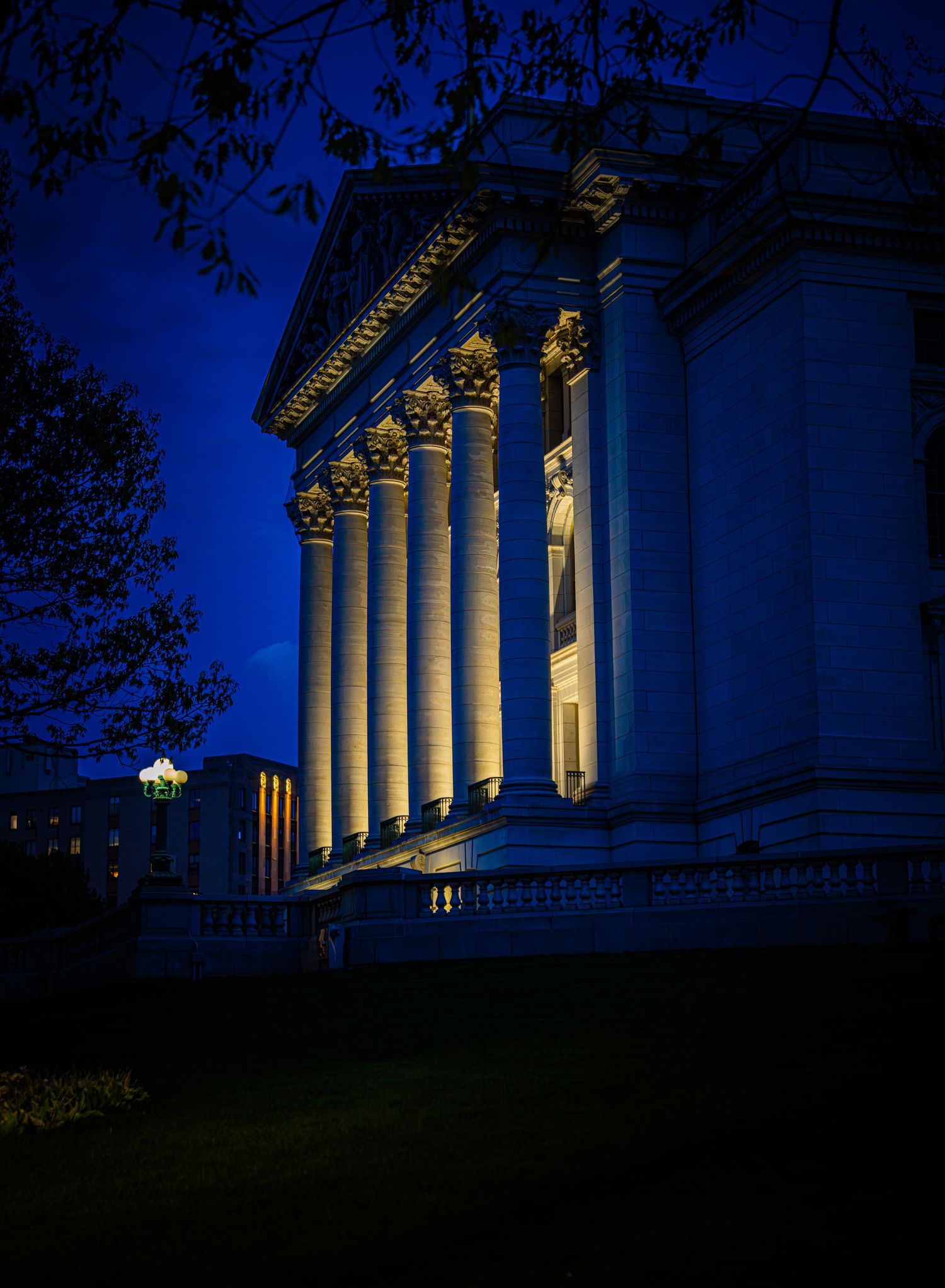
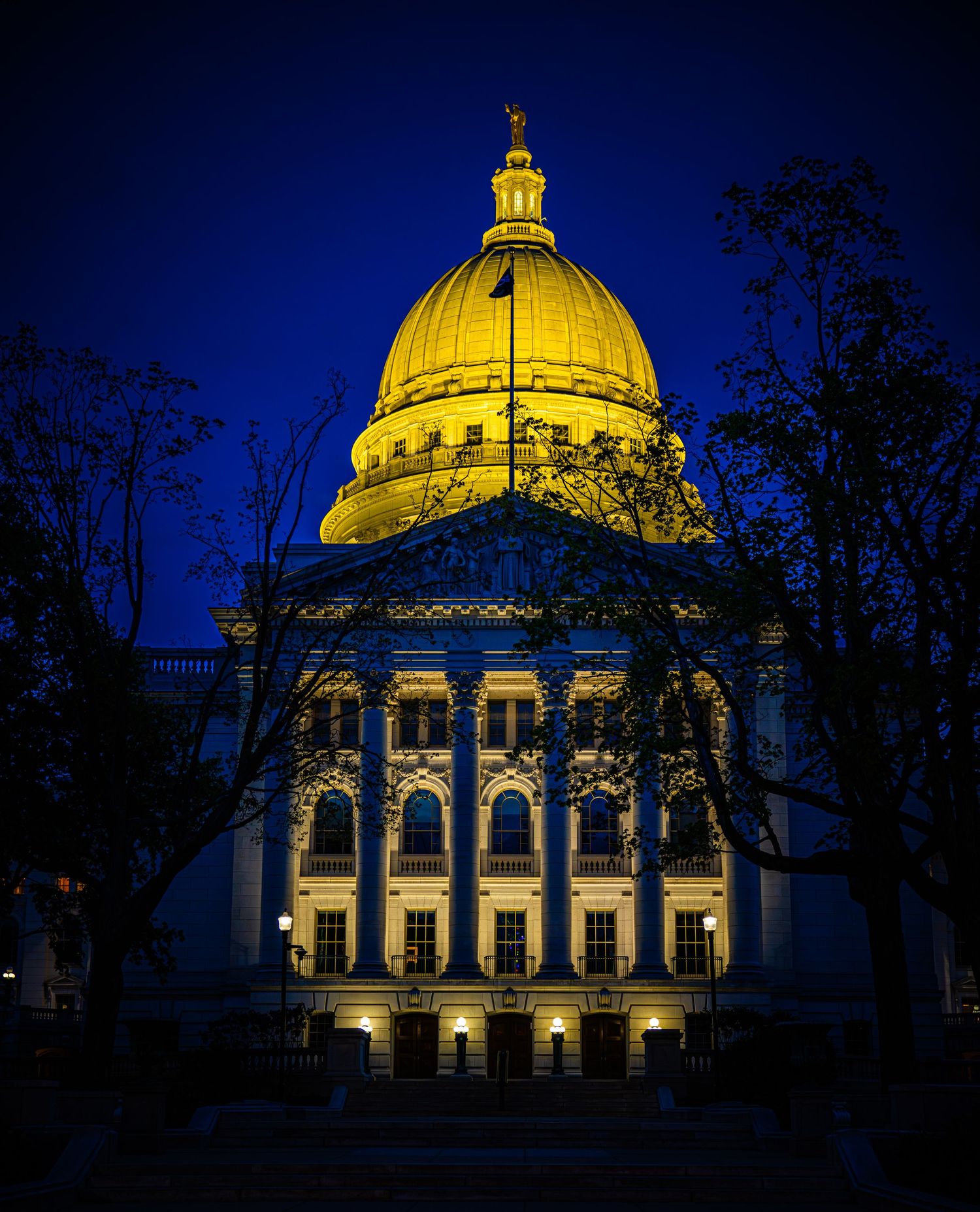
The current Wisconsin State Capitol was constructed between 1906 and 1917 after the previous capitol building was destroyed by fire in 1904. Designed by architect George B. Post in the Beaux-Arts style, the structure was intentionally created to symbolize both stability and optimism during a period of rapid growth in Wisconsin’s history. Its granite exterior, sourced from Vermont, and its massive dome — one of the largest in the United States — were inspired by the U.S. Capitol in Washington, D.C., yet the building maintains a distinct identity tied to Wisconsin itself.
Standing 284 feet tall, the Capitol remains the tallest building in Madison by law, preserving the visual dominance of the dome over the skyline more than a century later. Inside, more than forty types of stone from around the world were used in its construction, along with murals, mosaics, and hand-crafted detailing that reflected the belief that public buildings should inspire civic pride, not merely serve a function.
From the air, that philosophy still feels alive.
The soft glow of the evening light against the dome, the orderly streets radiating outward, and the lakes wrapping around the city create a perspective that feels almost cinematic — a reminder that some places were designed not only to govern, but to endure.
Madison may have only been a 24-hour stop, but it carried the feeling of a city that understands balance: history and progress, politics and art, nature and architecture — all centered beneath one remarkable dome.