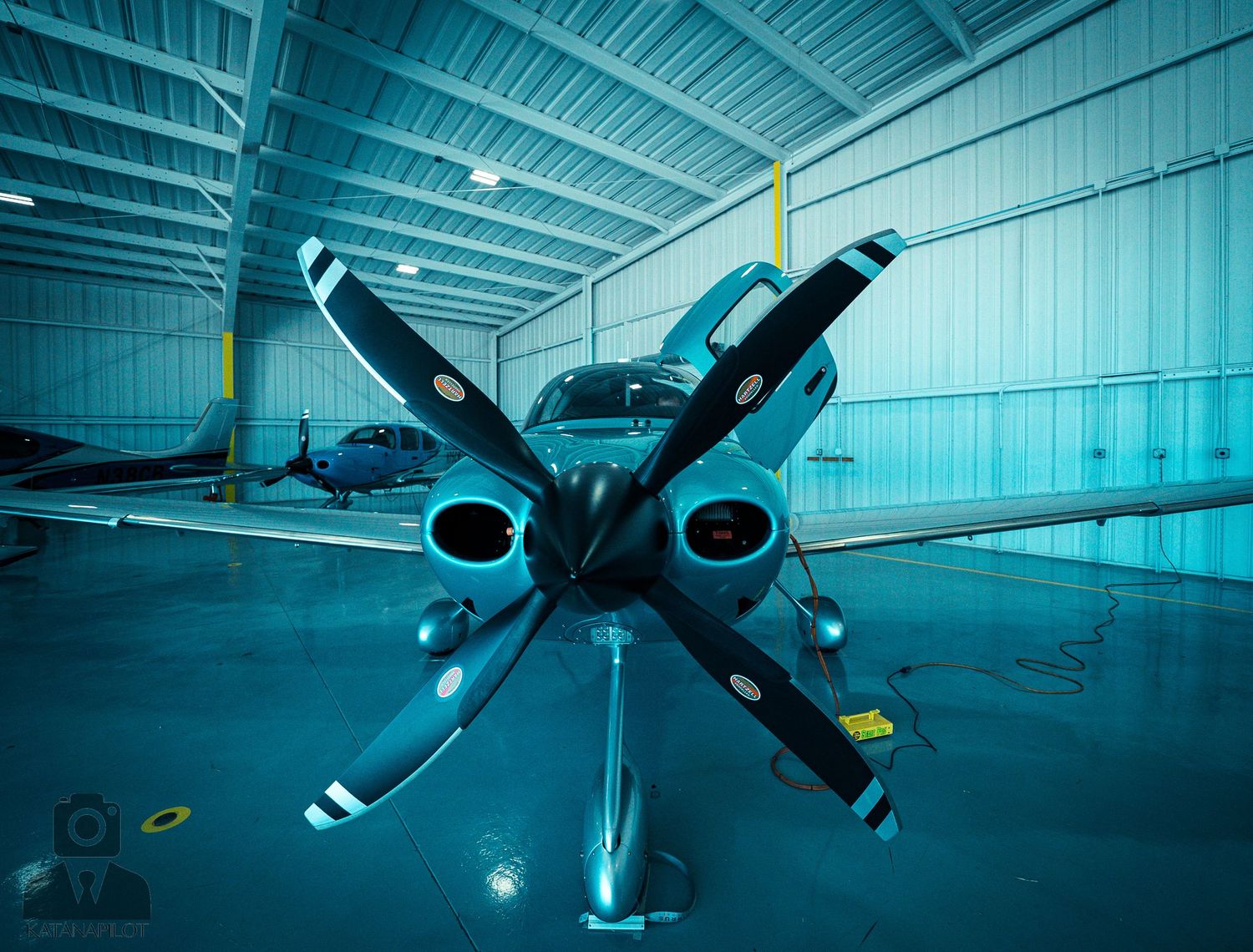
The G7 is here!
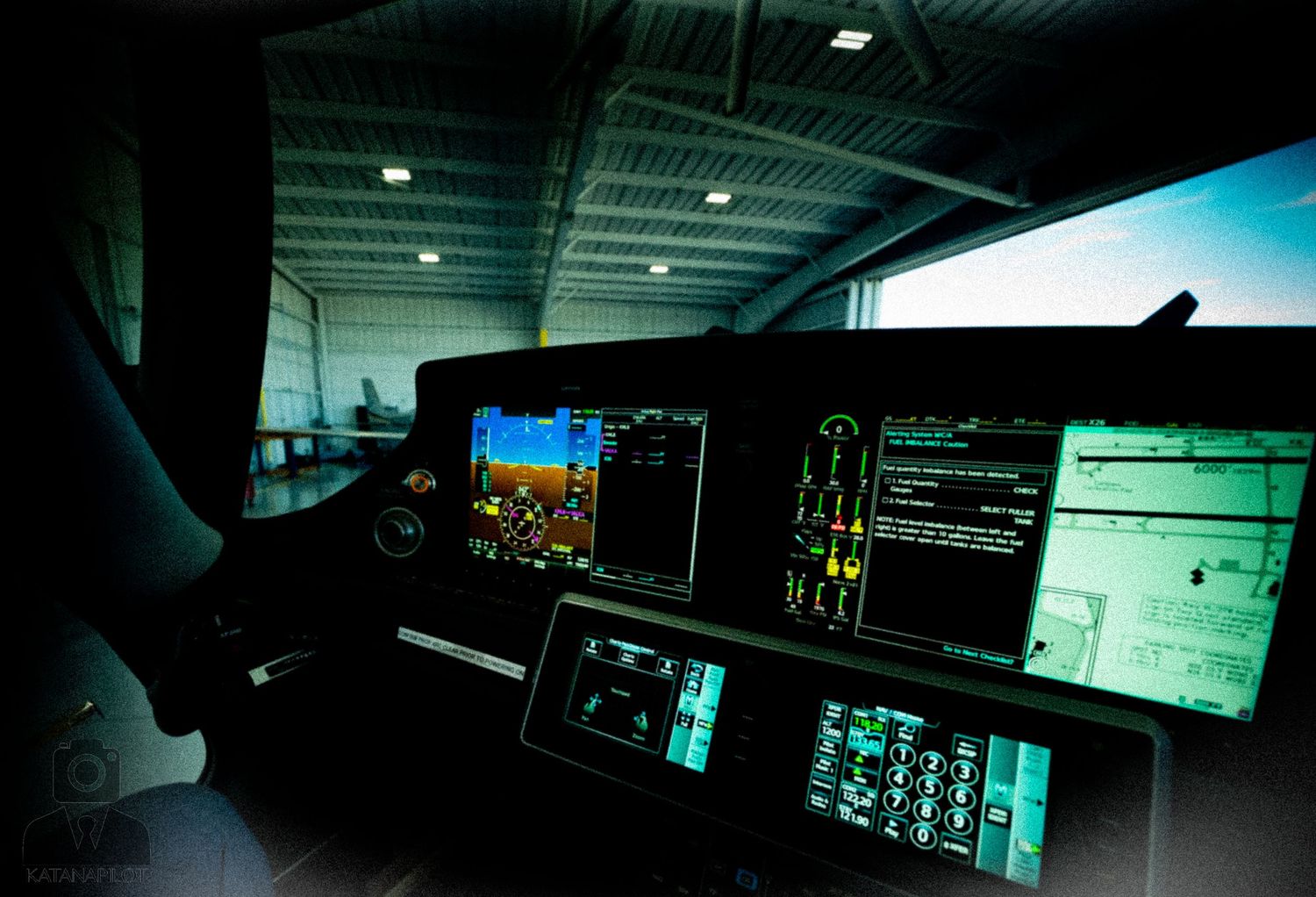
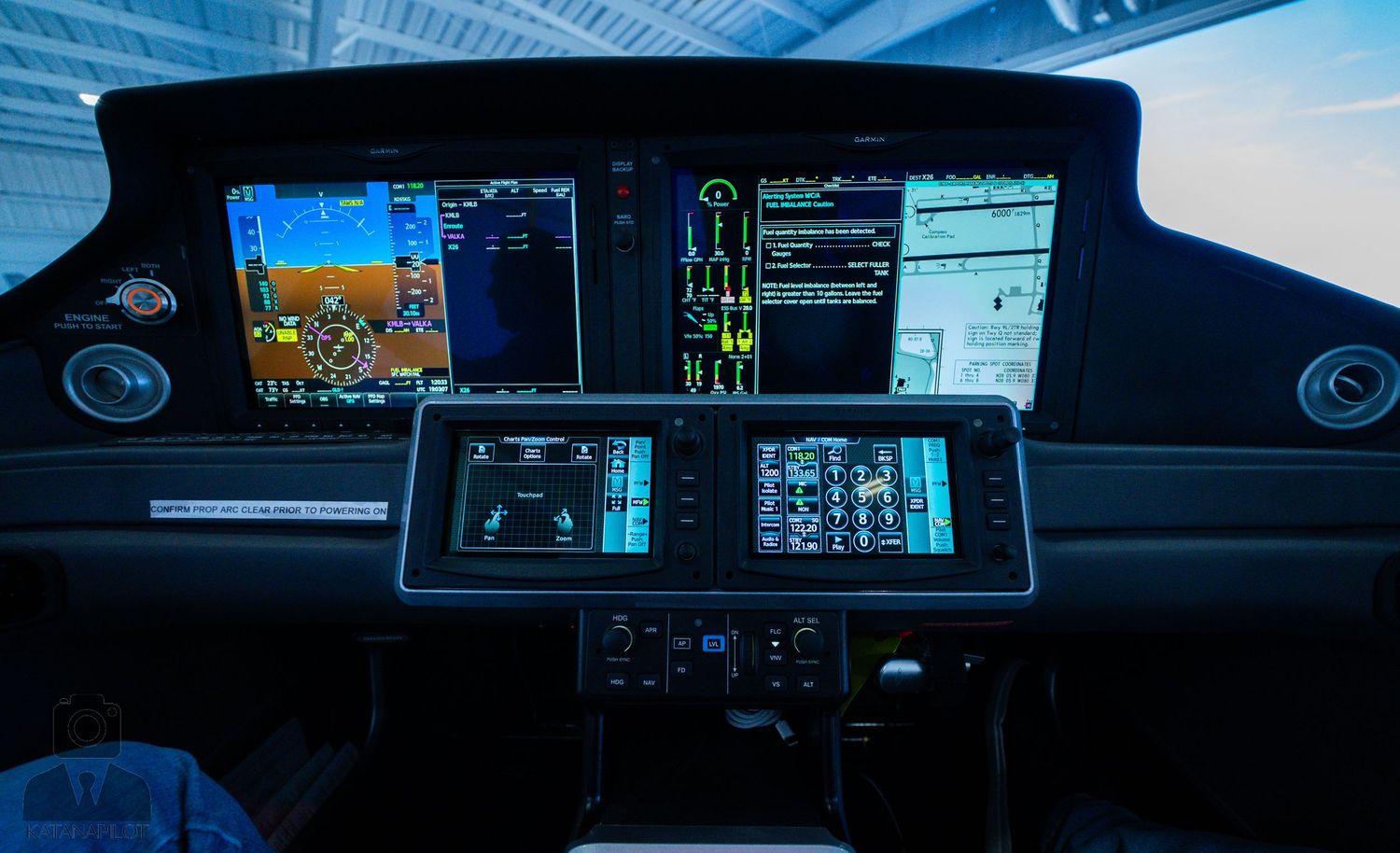
The introduction of the Garmin G3000 in the Cirrus G7 marks a significant evolution in avionics, bringing a new level of capability and sophistication to the modern flight deck. While pilots familiar with the Garmin G1000 will find some similarities, the G3000 introduces a touchscreen-based interface, enhanced automation, and an intuitive workflow that set it apart.
G300 Platform
These advancements demand updated training methodologies to ensure a seamless transition for pilots upgrading to this new system. With the increasing reliance on glass cockpit technology and integrated automation, traditional training tools may not be sufficient to bridge the knowledge gap. As the aviation industry moves forward, it is essential to develop dedicated training resources tailored specifically for the G3000 to ensure pilots can fully leverage its capabilities and maintain operational safety.
This structured approach ensures that pilots transitioning from the G1000 to the G3000 develop the necessary skills to maximize the platform’s capabilities while maintaining safety and efficiency.
Approach to Training Pilots on the Garmin G3000
Transition Training Course – Develop a structured G1000-to-G3000 transition course focusing on workflow changes, touch interface, and new automation features.
Simulator-Based Training – Utilize G3000-equipped AATD or FTD simulators for realistic scenario-based training.
Interactive e-Learning – Create online interactive modules with touchscreen simulations to reinforce buttonology and menu navigation.
Hands-On Aircraft Training – Conduct ground school with powered avionics for practical touchscreen interaction and flight planning before actual flying.
Flight Scenario Drills – Design training focusing on high workload situations, such as ATC reroutes, emergencies, and automation failures, to ensure proficiency.
Post-Training Proficiency Checks – Implement G3000-specific checkrides or competency evaluations to verify a pilot’s readiness to transition.
Garmin G1000 vs. Garmin G3000: Key Differences
1. Display & Interface
G1000: Traditional knob-and-button interface.
G3000: Touchscreen-based interface with GTC (Garmin Touch Controller).
2. Avionics Architecture
G1000: Integrated system but with fixed-format displays.
G3000: Modular system, higher resolution screens, and improved scalability.
3. User Input & Controls
G1000: Controlled via physical knobs, buttons, and joystick.
G3000: Touchscreen controllers, reducing physical buttons and improving workflow.
4. Automation & Workload Reduction
G1000: Limited automation for workload reduction.
G3000: Advanced autothrottle integration, better pilot workload management tools.
5. Flight Planning & Navigation
G1000: Conventional flight planning tools with knob input.
G3000: Graphical touchscreen flight planning, easier route modifications.
6. Synthetic Vision & Situational Awareness
G1000: Standard Synthetic Vision Technology (SVT) as an optional add-on.
G3000: More refined SVT with better terrain awareness and hazard depiction.
7. Connectivity & Integration
G1000: Limited wireless connectivity options.
G3000: Wireless cockpit connectivity, better iPad/ForeFlight integration.
8. Engine & System Monitoring
G1000: Basic engine monitoring.
G3000: Enhanced graphical engine trend monitoring and system diagnostics.