Supporting Flight Training and Finding Stories in Small Towns
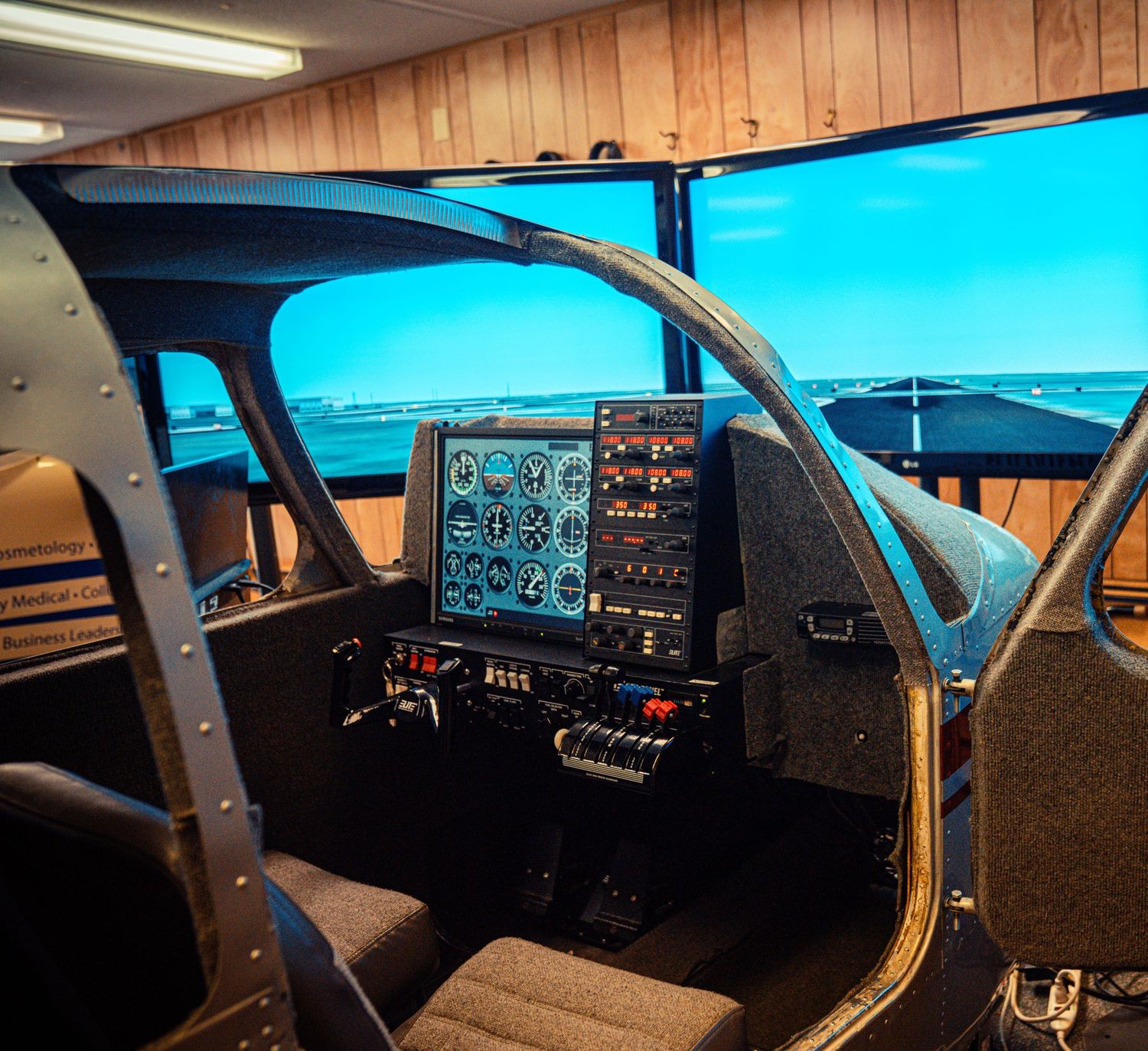
With the new academic year just around the corner, I had the opportunity to return to the Kishwaukee Education Center at DeKalb Taylor Municipal Airport (KDKB) to service their simulation devices. Keeping these systems running smoothly is essential as a new generation of students prepares to begin or continue their flight training journey.
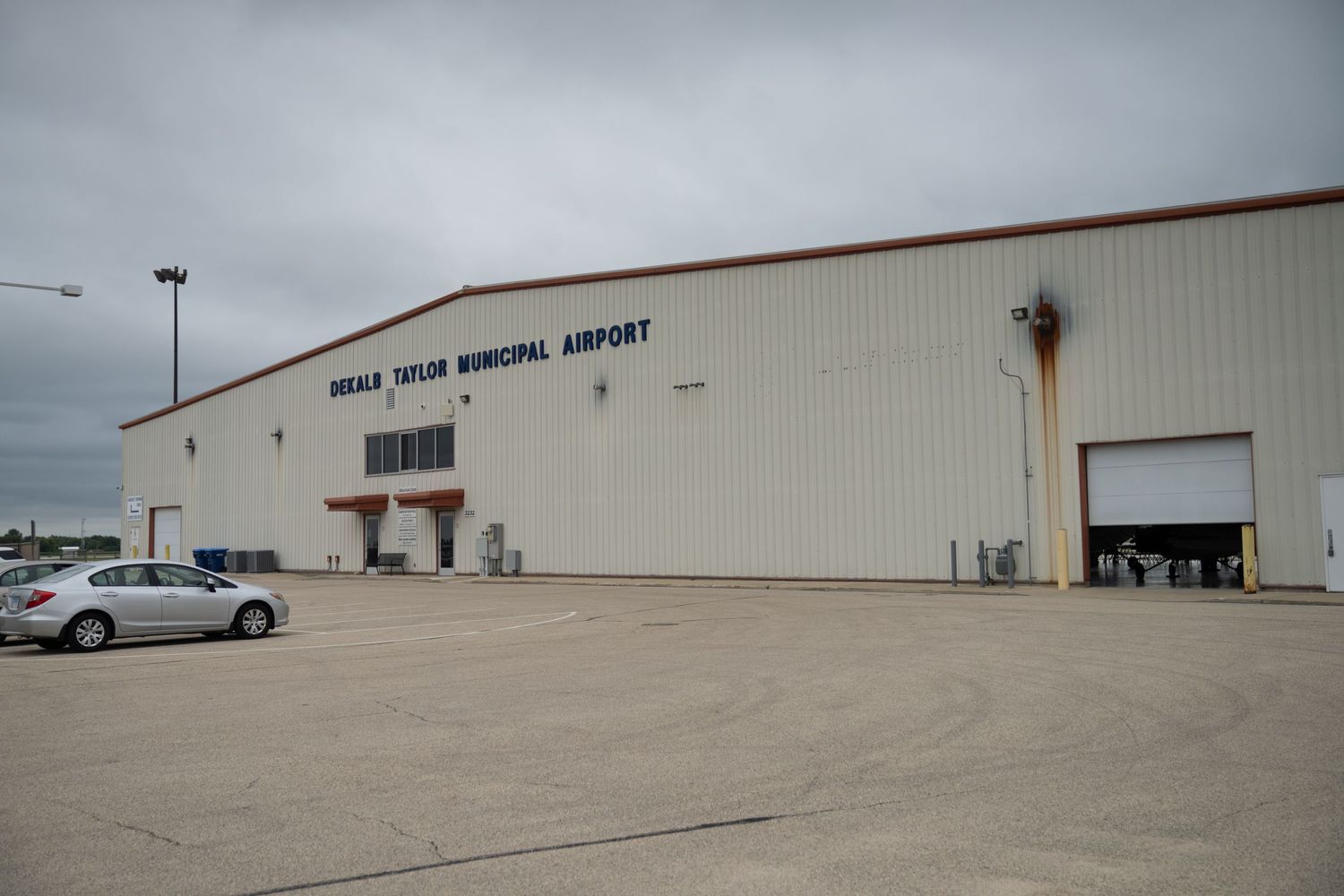
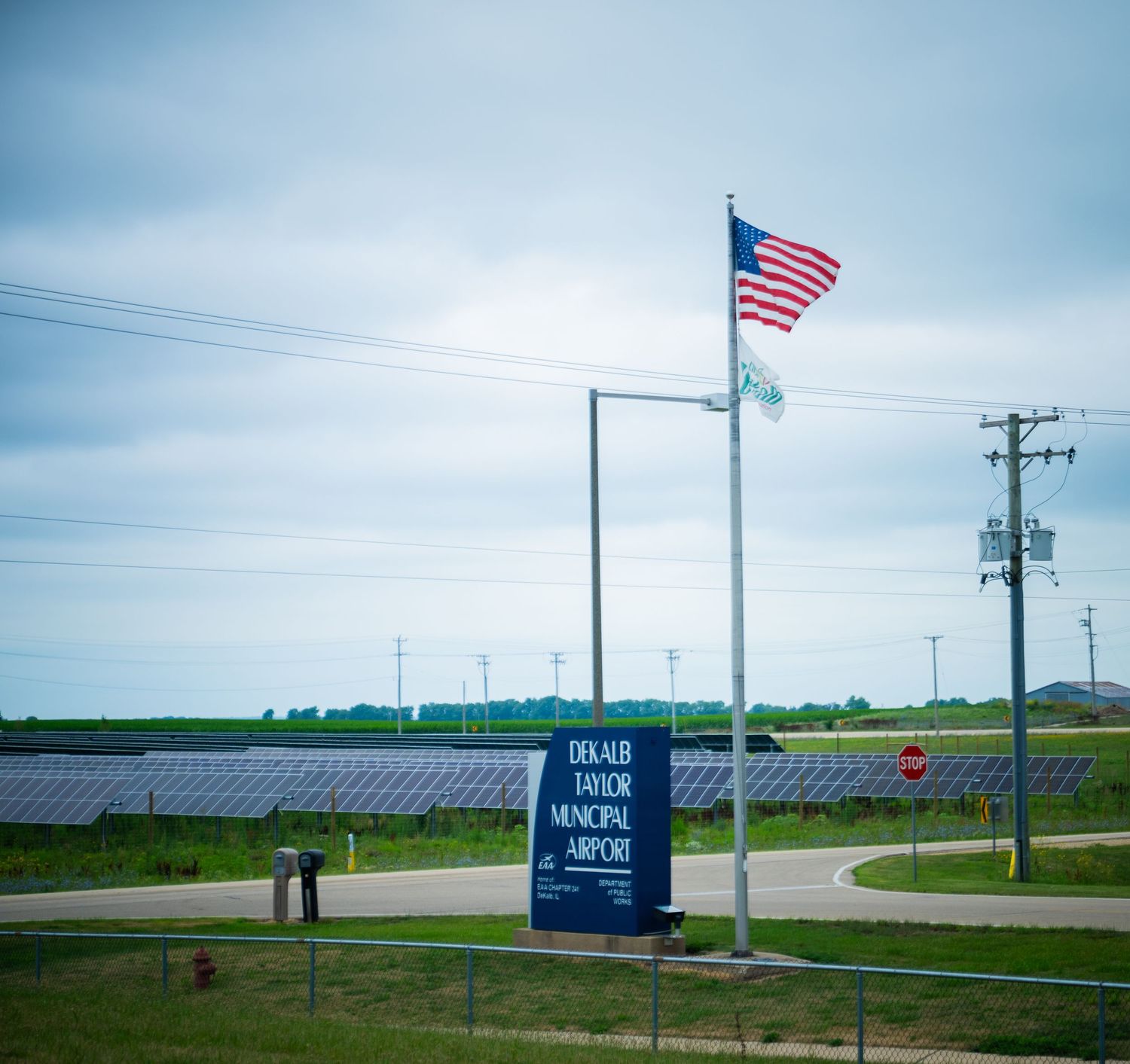
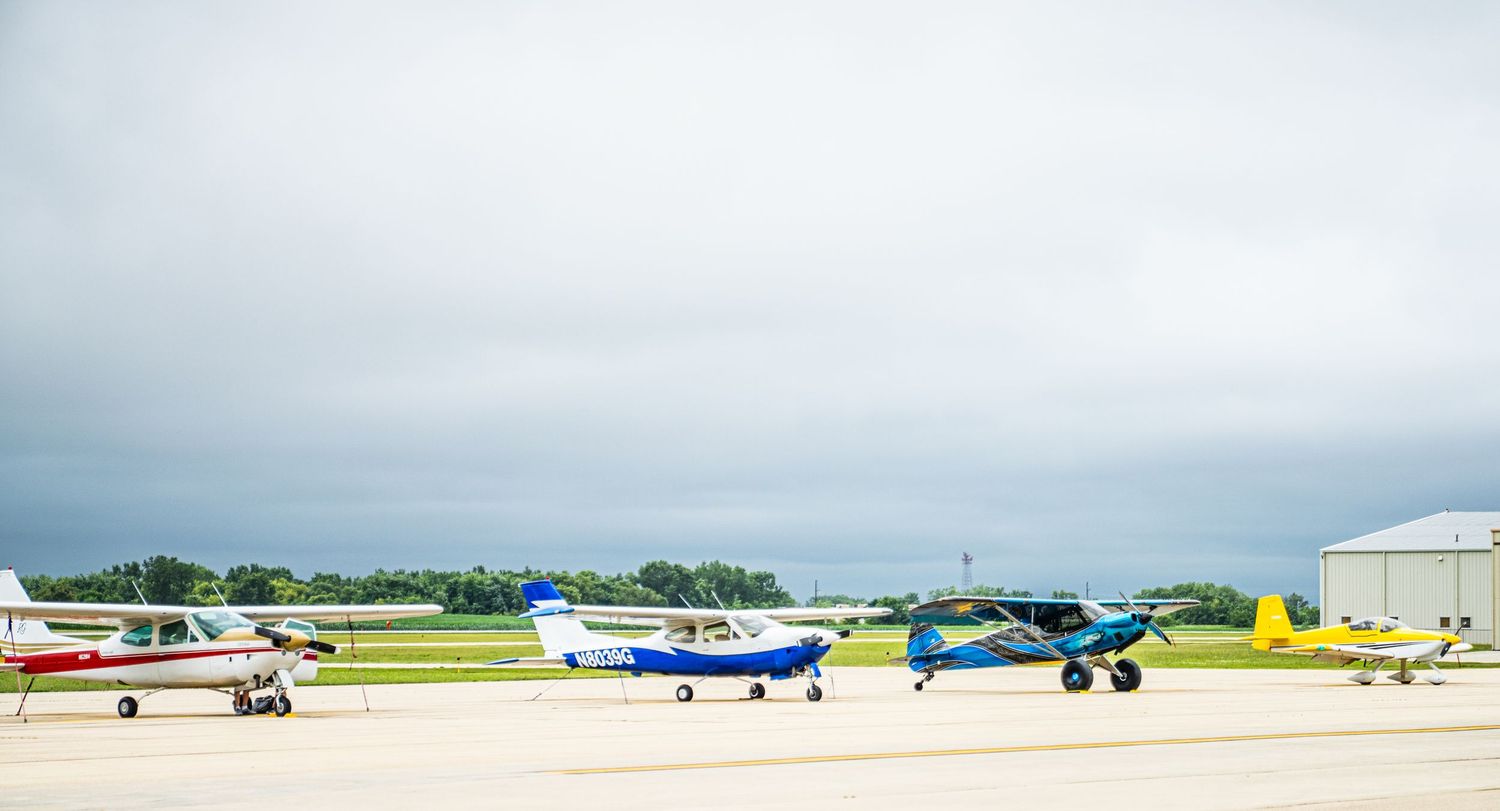
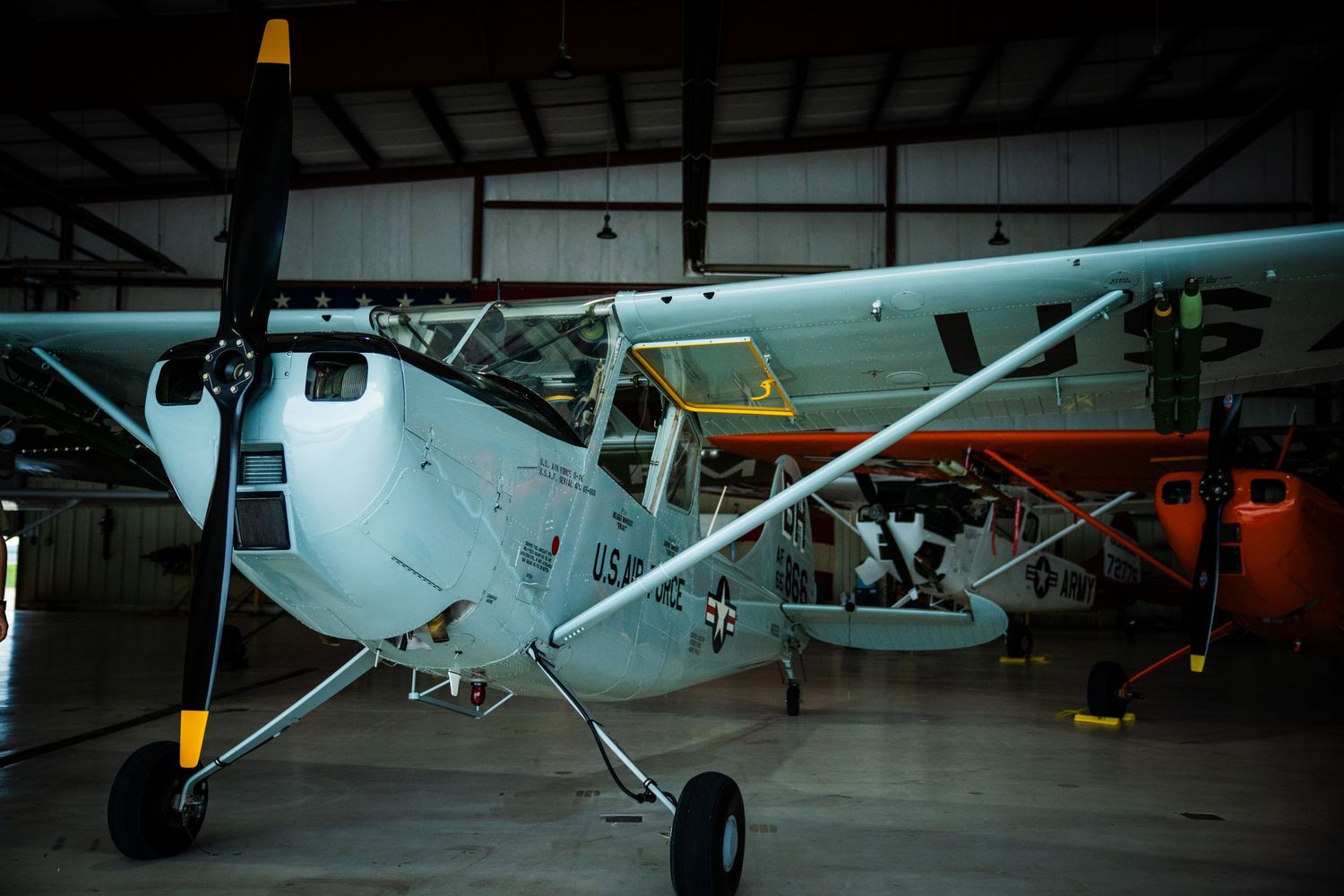
DeKalb Taylor Municipal Airport holds a unique place in aviation history. Originally constructed in the 1940s, the airport was used by the U.S. military for training purposes during World War II. In more recent decades, it became a developmental site for early drone aviation programs, contributing to the evolution of unmanned flight technology in the United States.

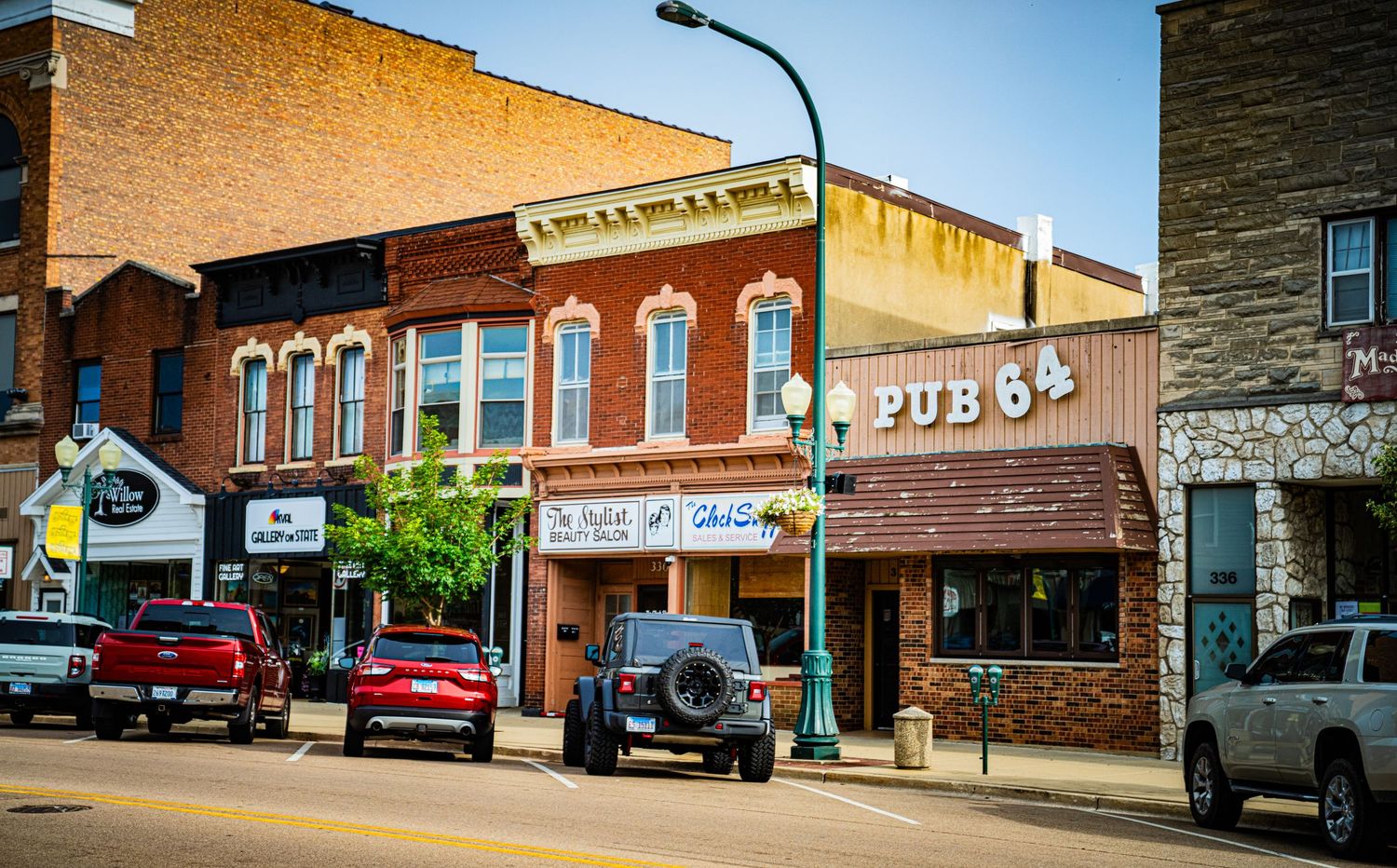
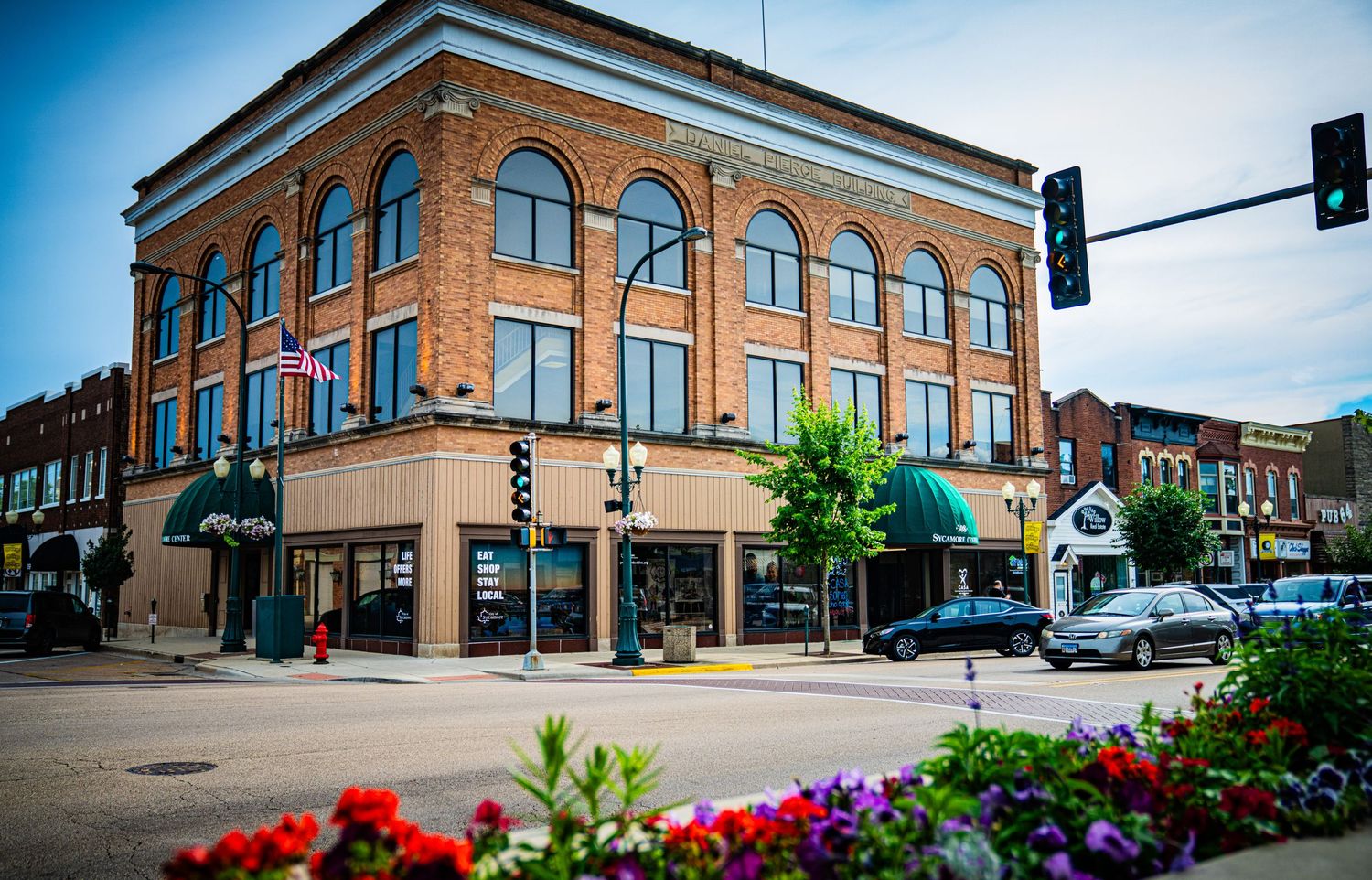
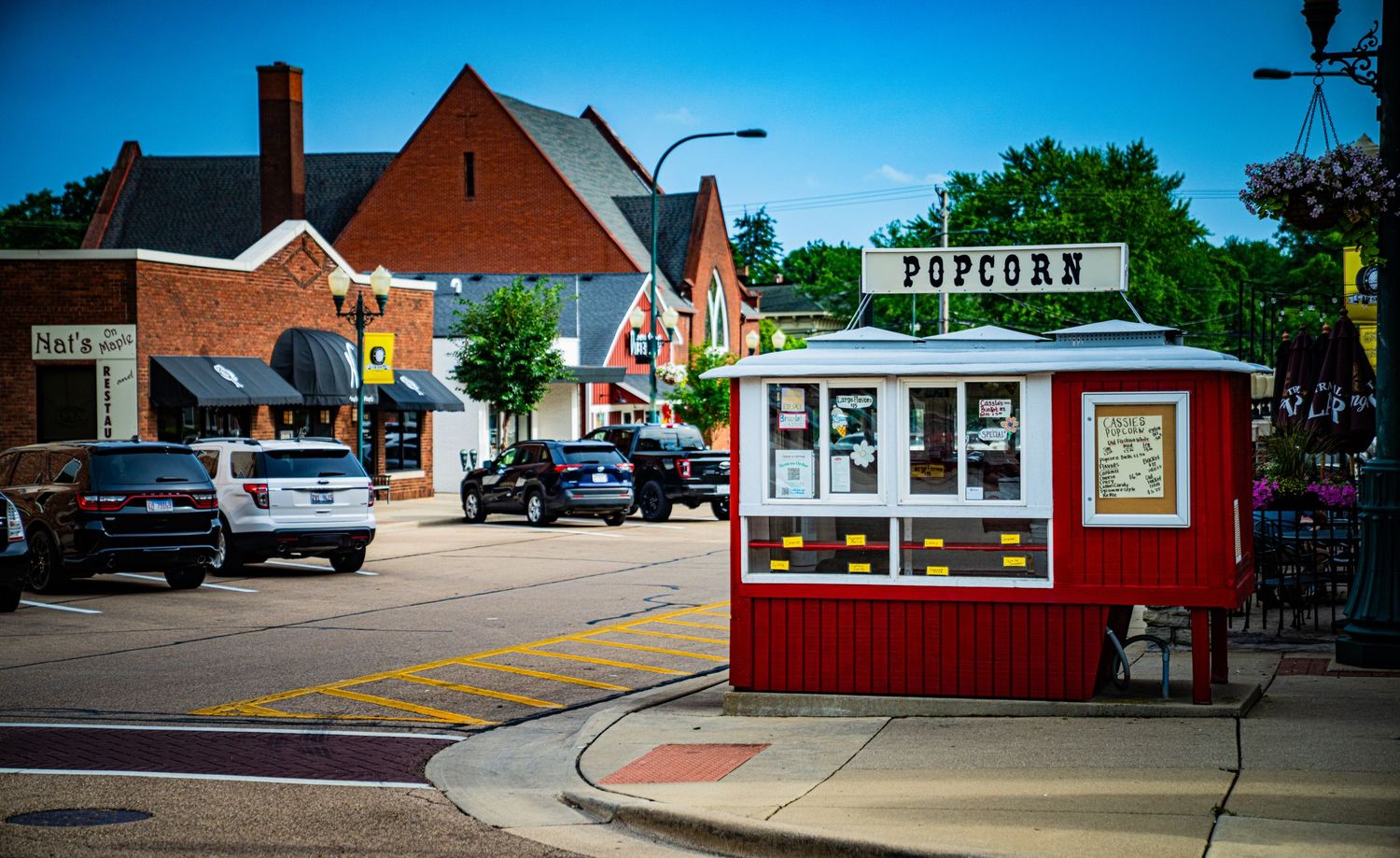
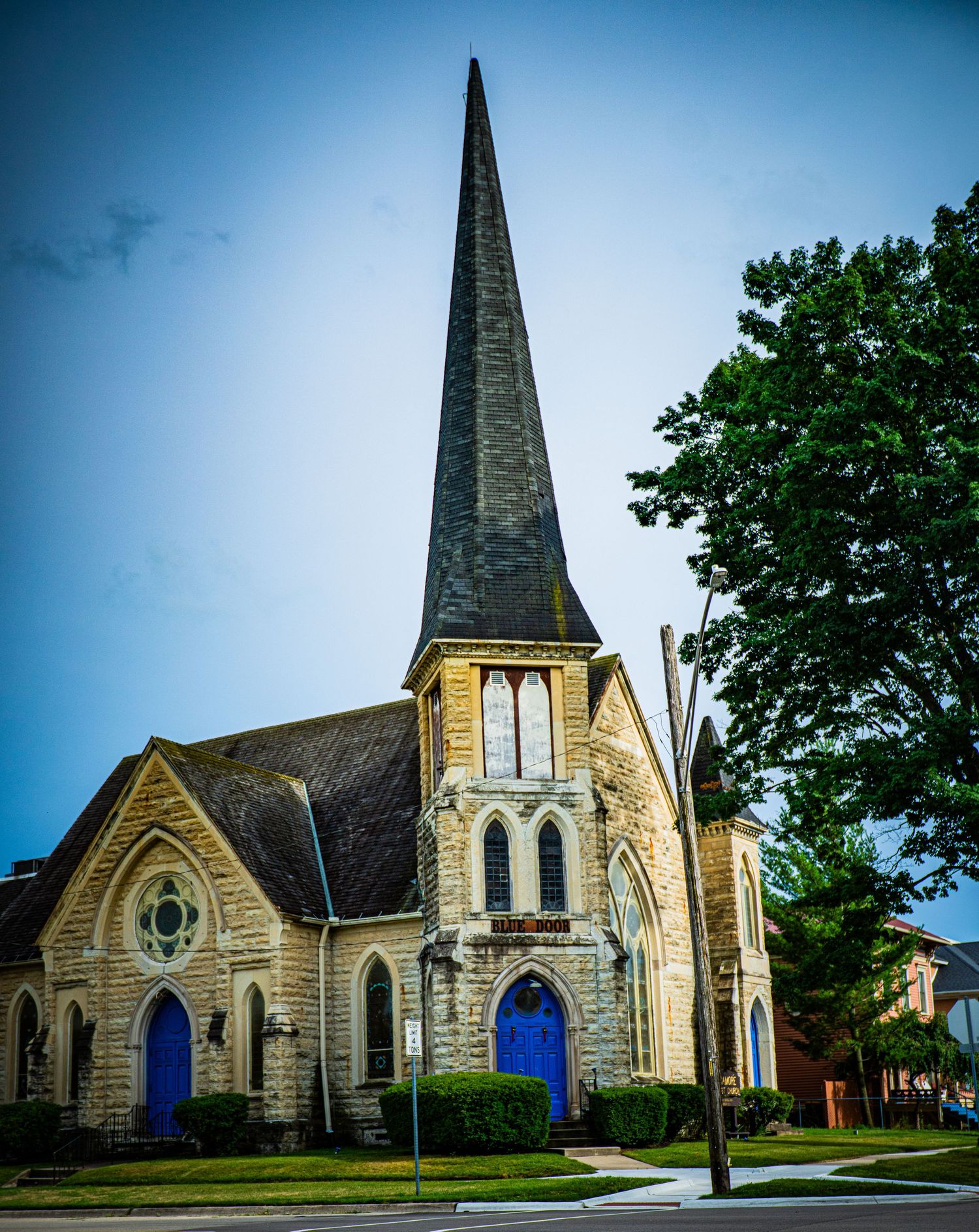
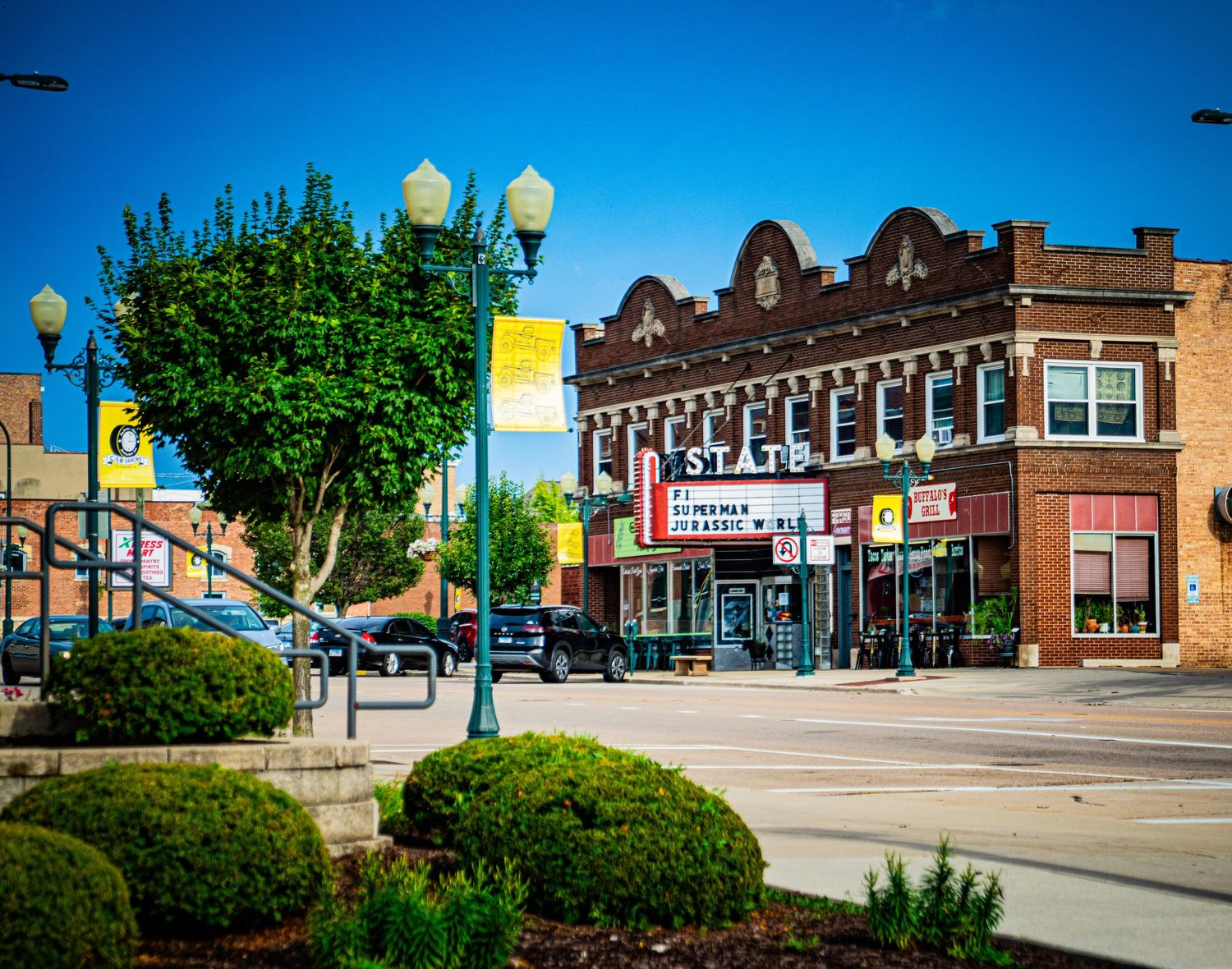
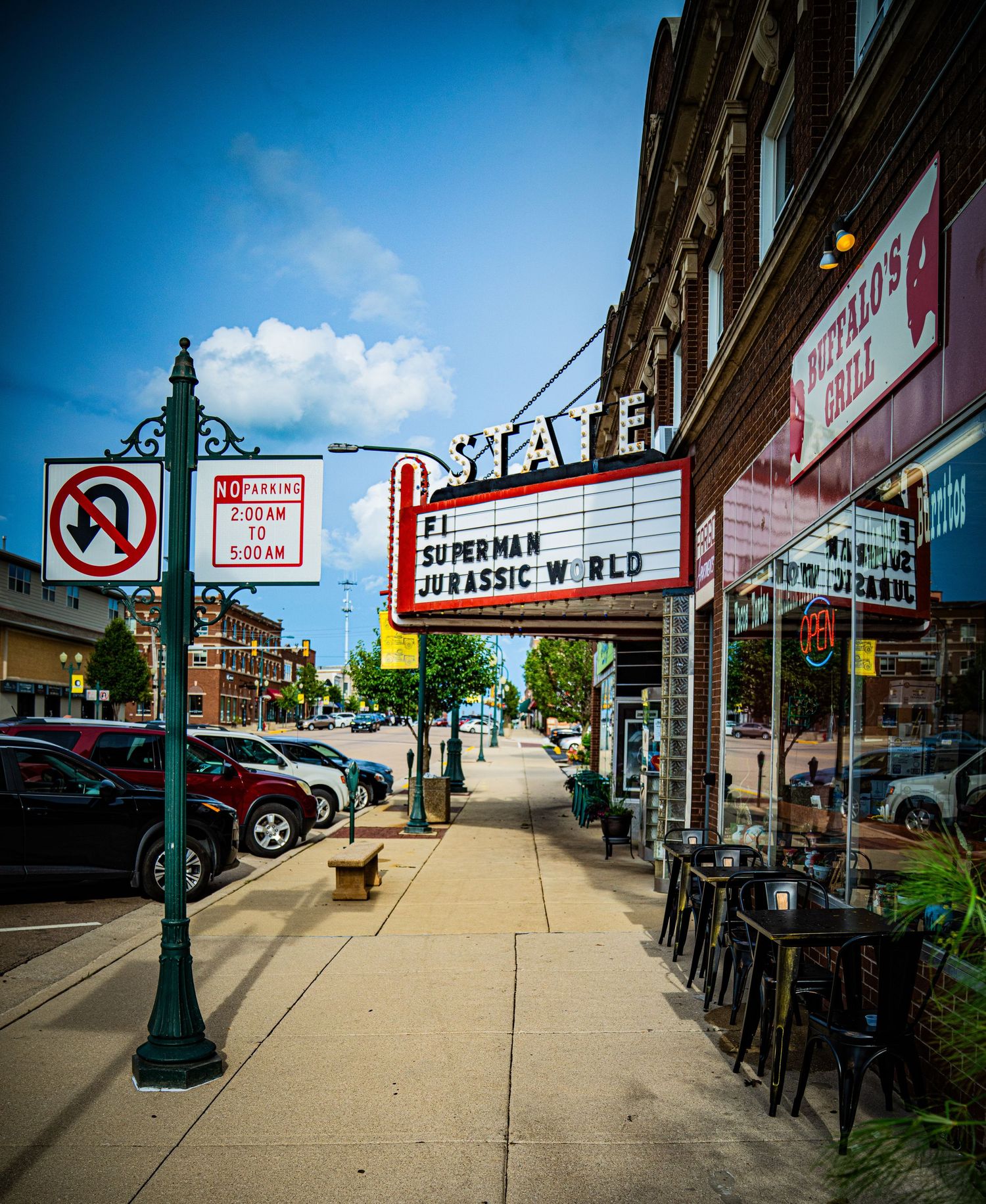
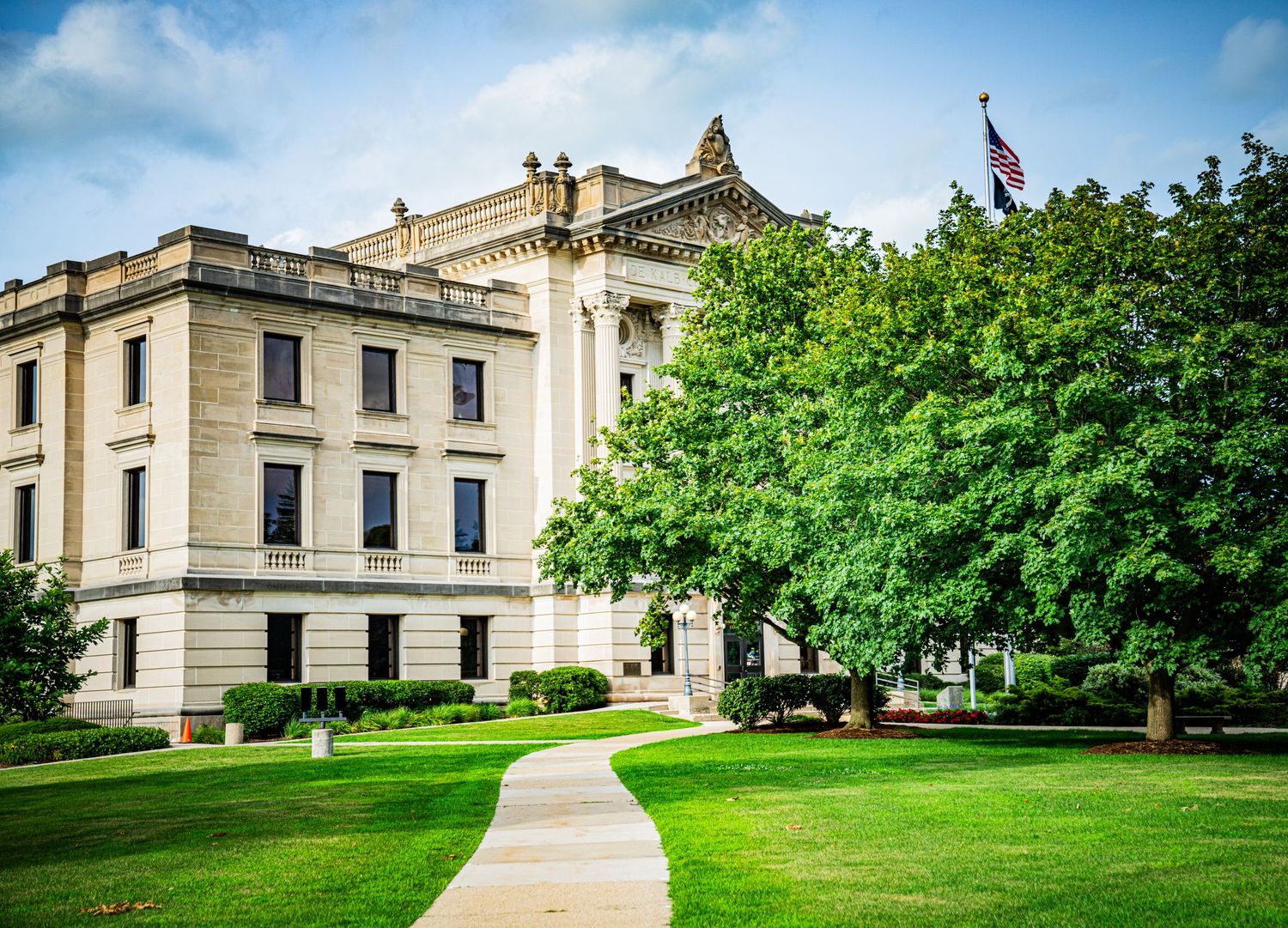
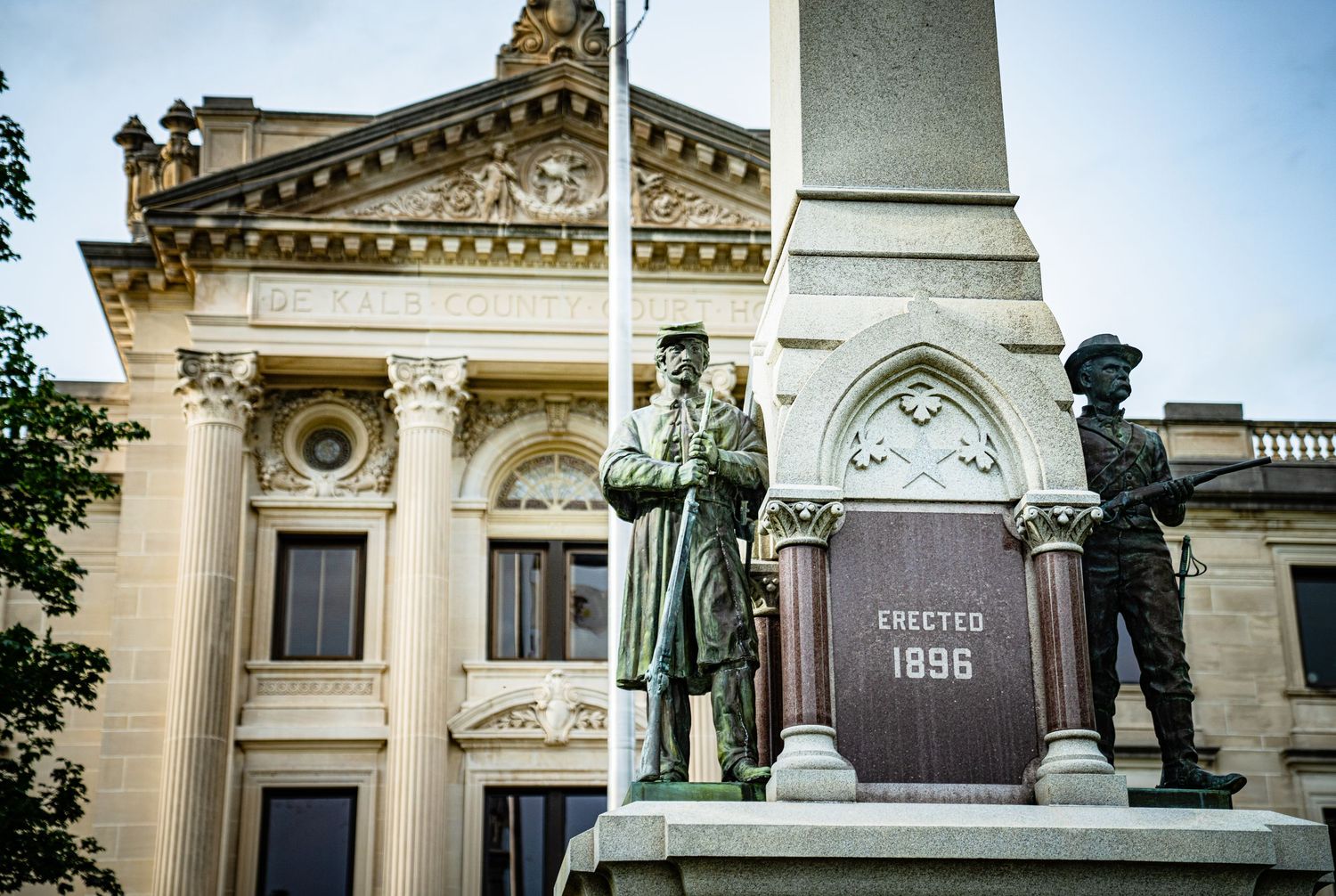
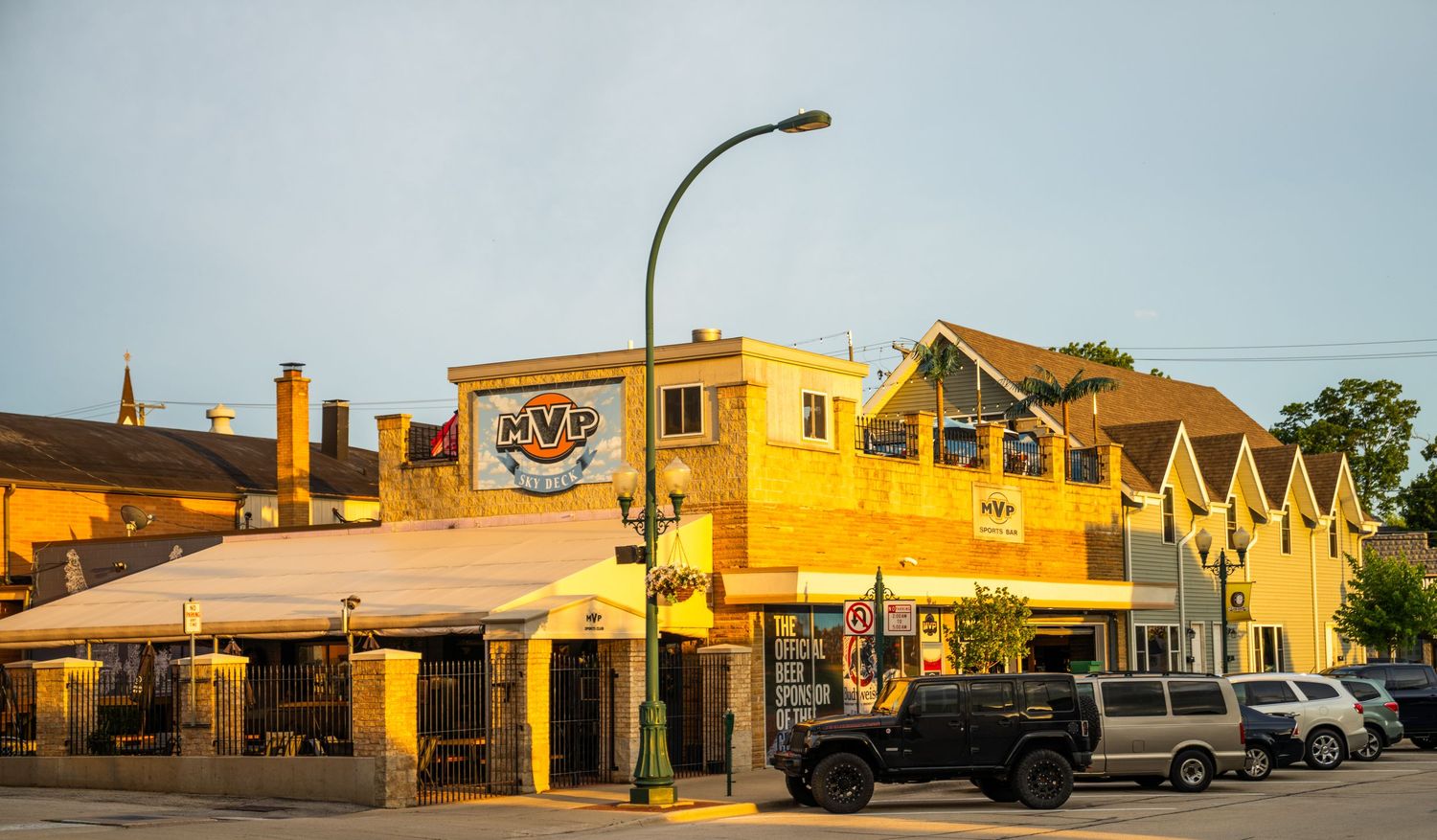
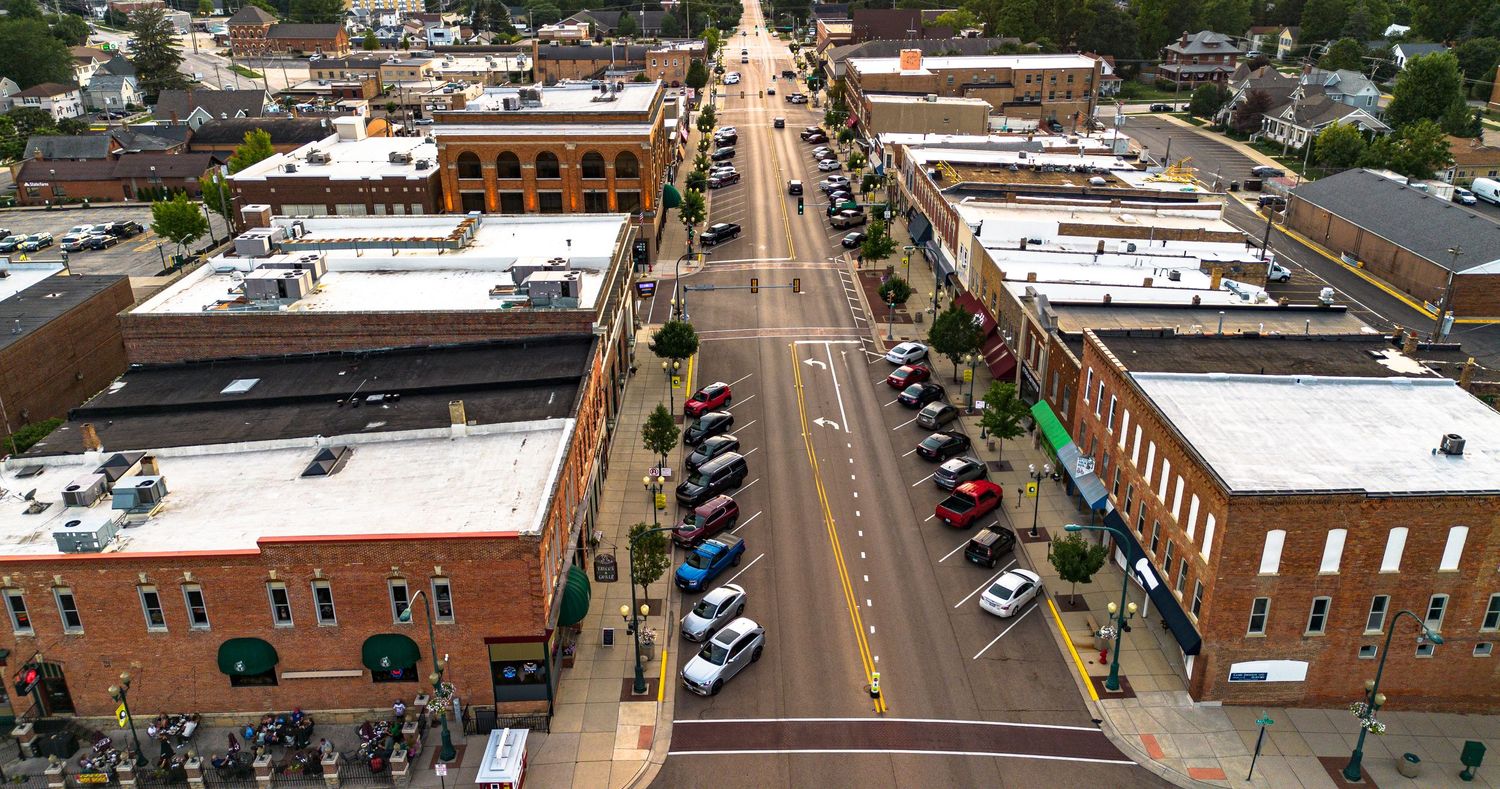
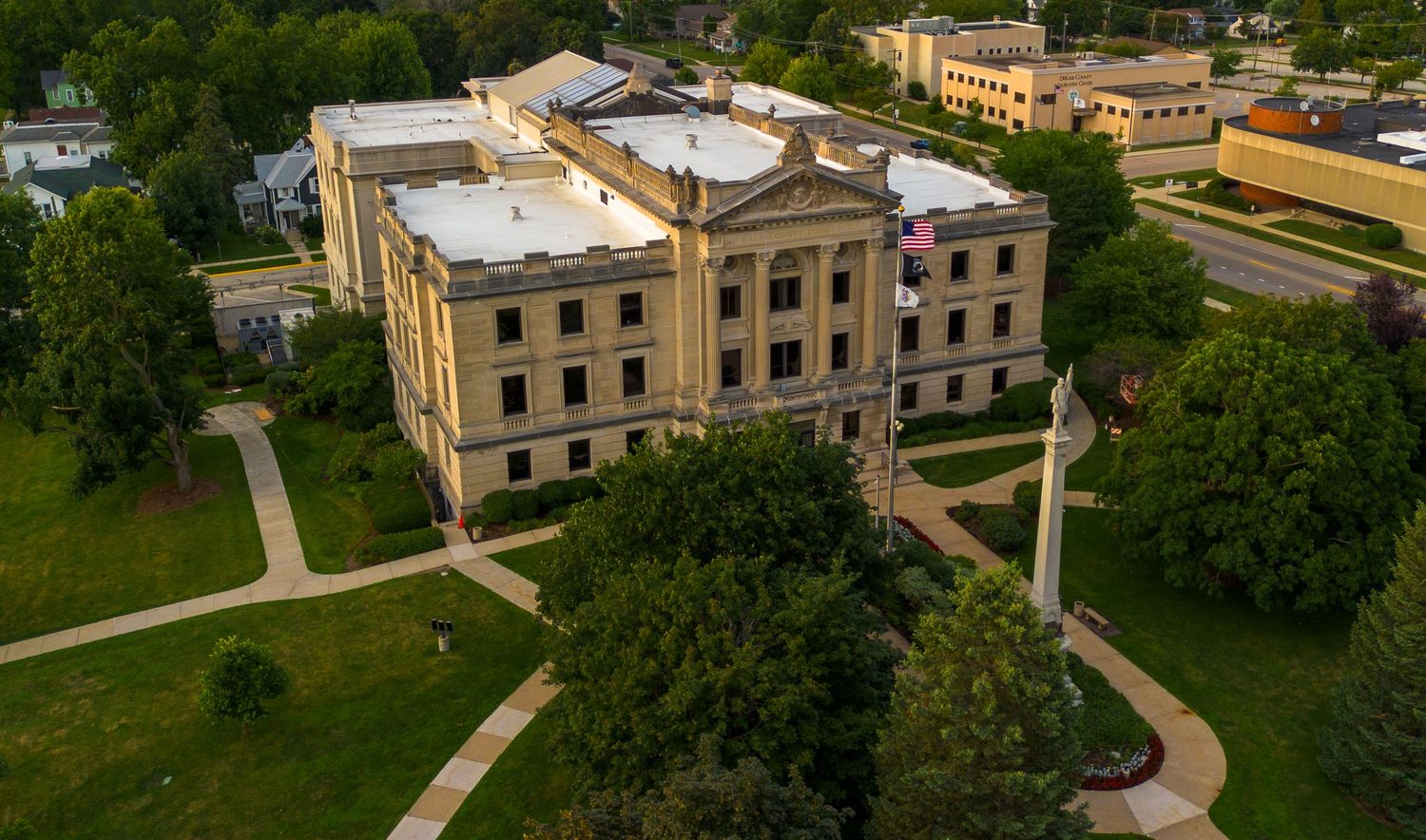
Sycamore, Illinois
One of the most rewarding aspects of these service trips is getting to experience the character and charm of small-town America. Just a short drive from the airport, I found myself in Sycamore, Illinois—a picturesque town with a deep-rooted history. Sycamore serves as the county seat of DeKalb County and is known for its beautiful Victorian architecture, annual Pumpkin Festival, and strong sense of community. Originally settled in the 1830s, the town has preserved much of its historic downtown, making it a favorite stop for photography and exploration.
Bruce Griffith
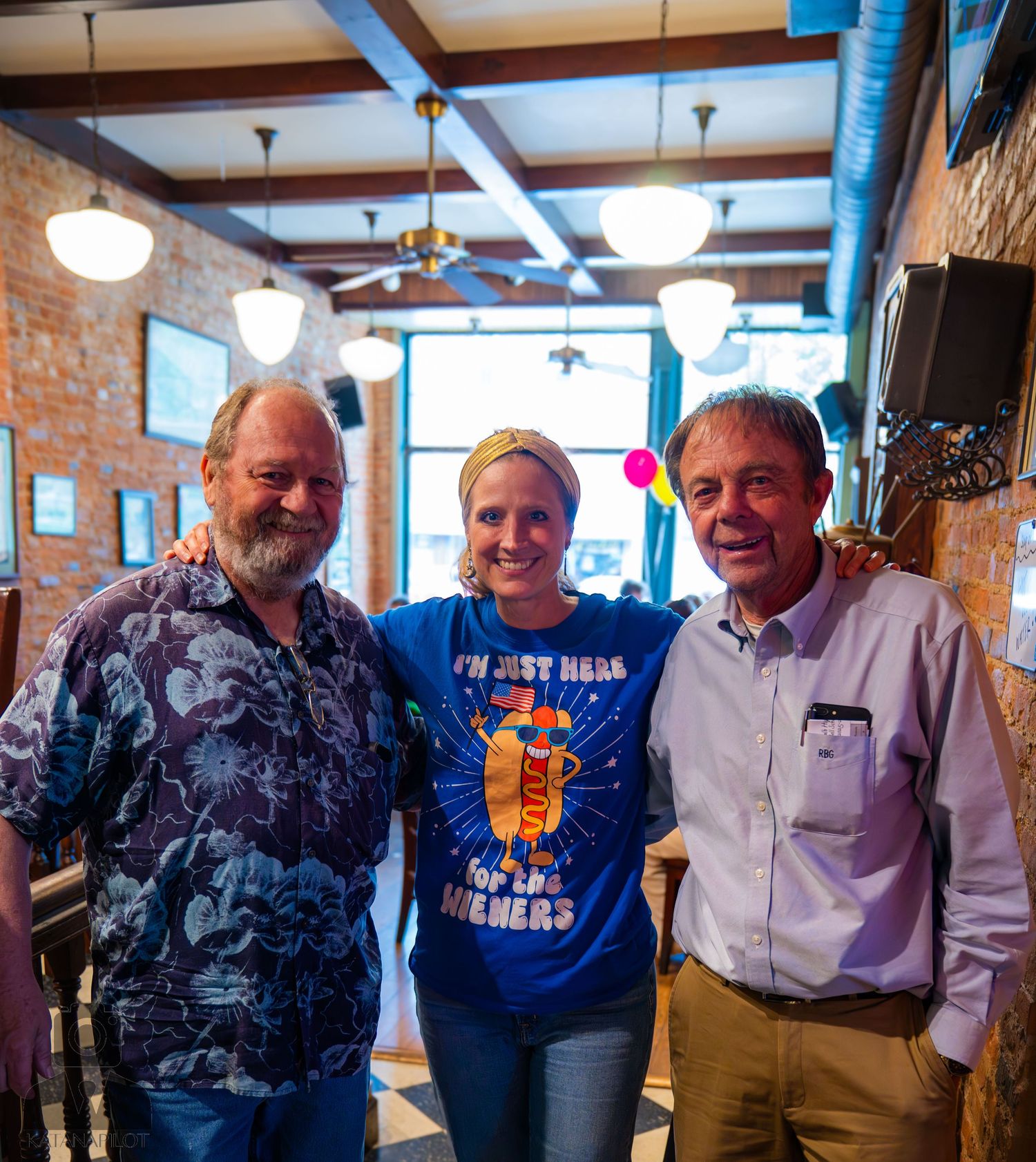
The aviation program at Kishwaukee Education Center is led by Bruce Griffith, a name that carries weight in this region’s aviation circles. I can say without hesitation that many young aviators owe their earliest experiences in the sky to Bruce’s dedication, mentorship, and passion for flight education. He has created an environment that bridges classroom learning with real-world aviation, and it’s always a privilege to support that mission in any way I can.
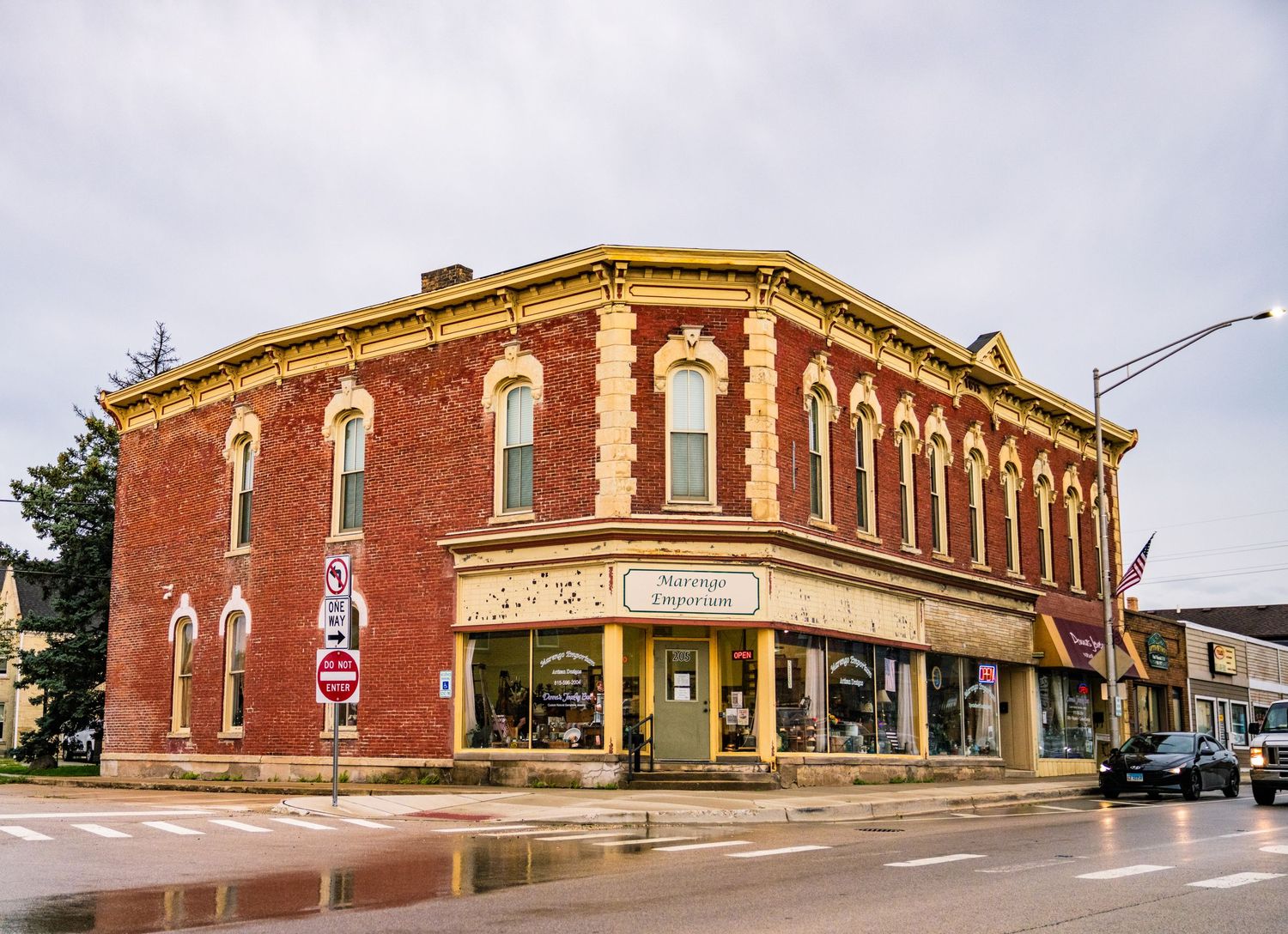
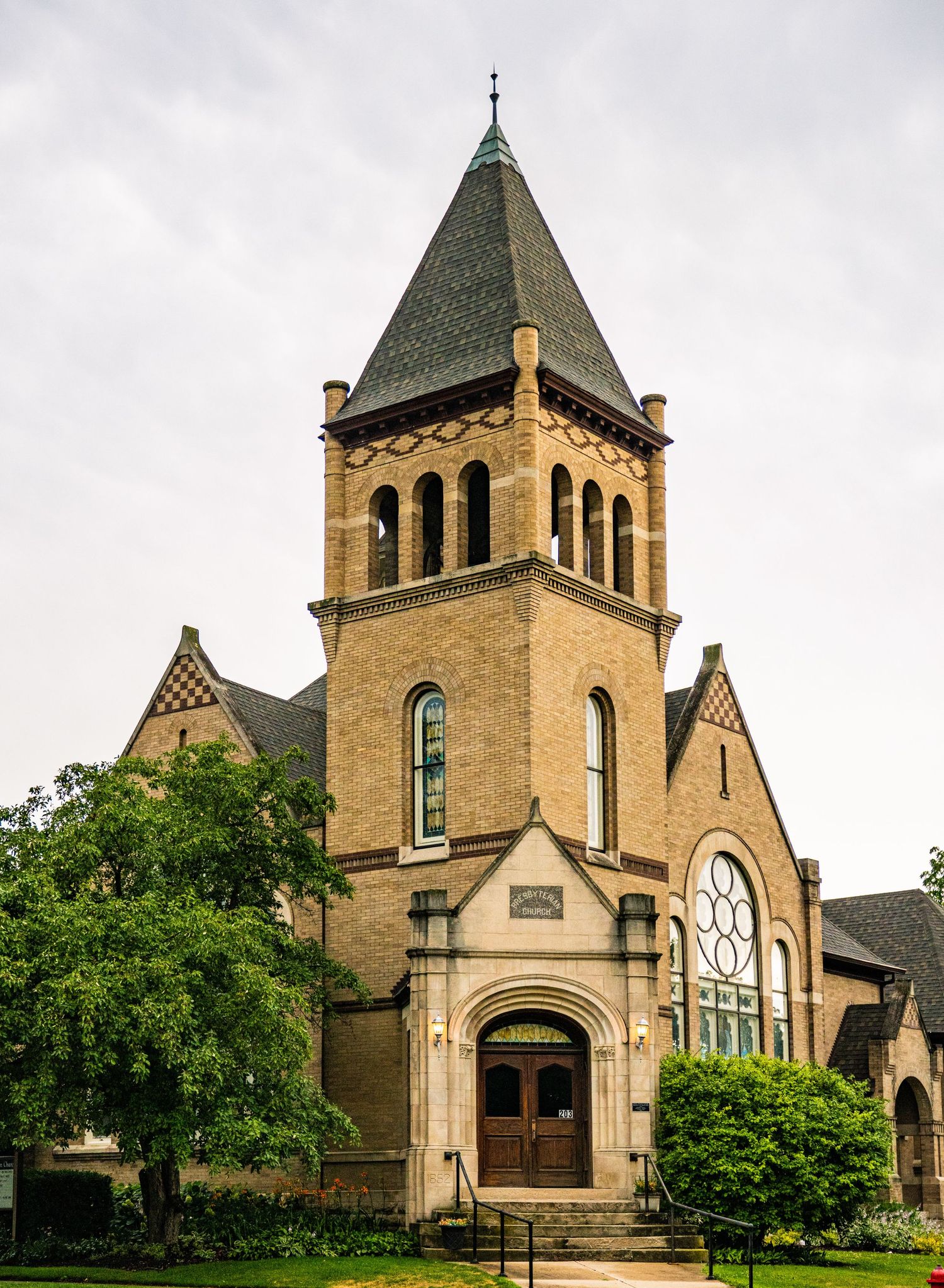
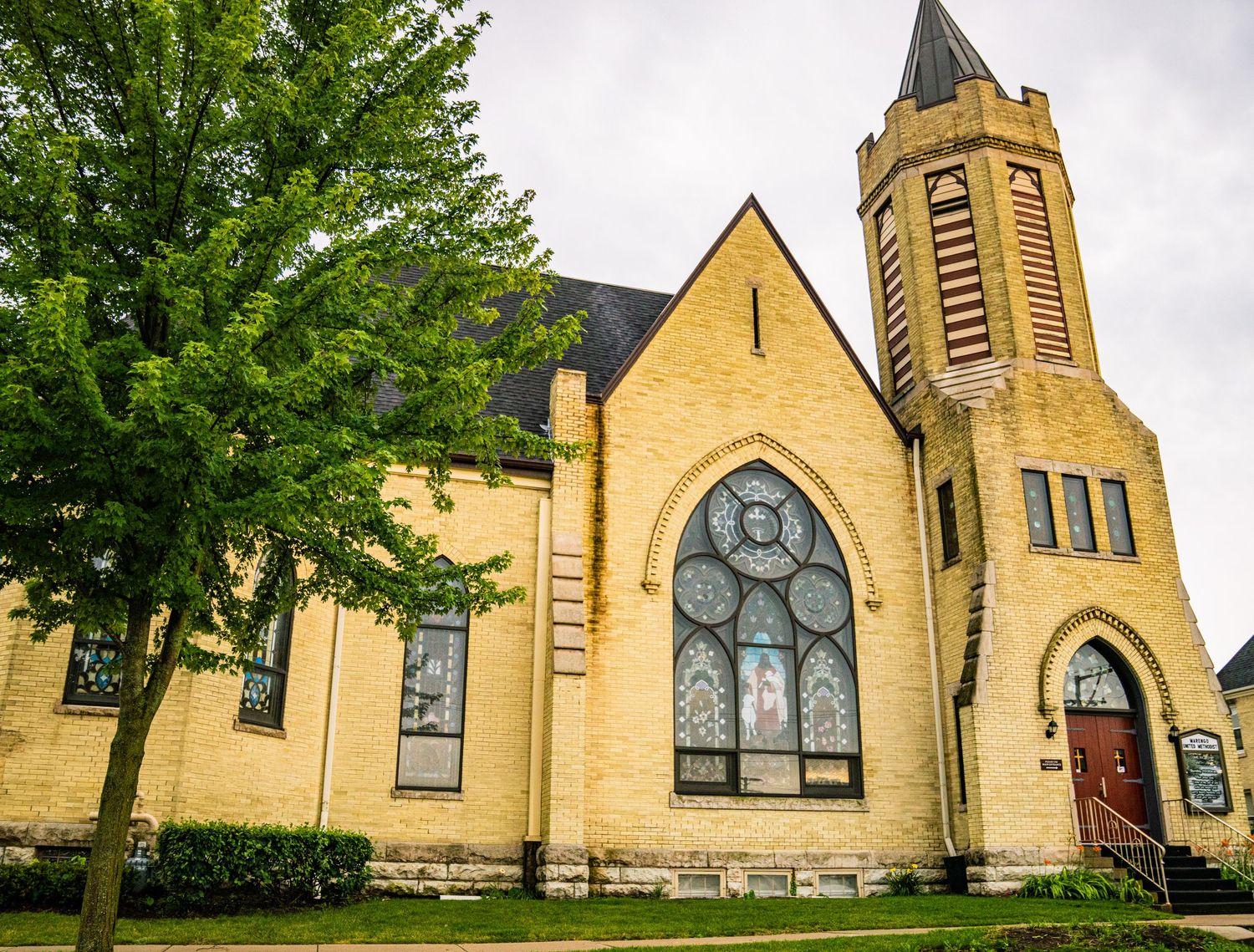
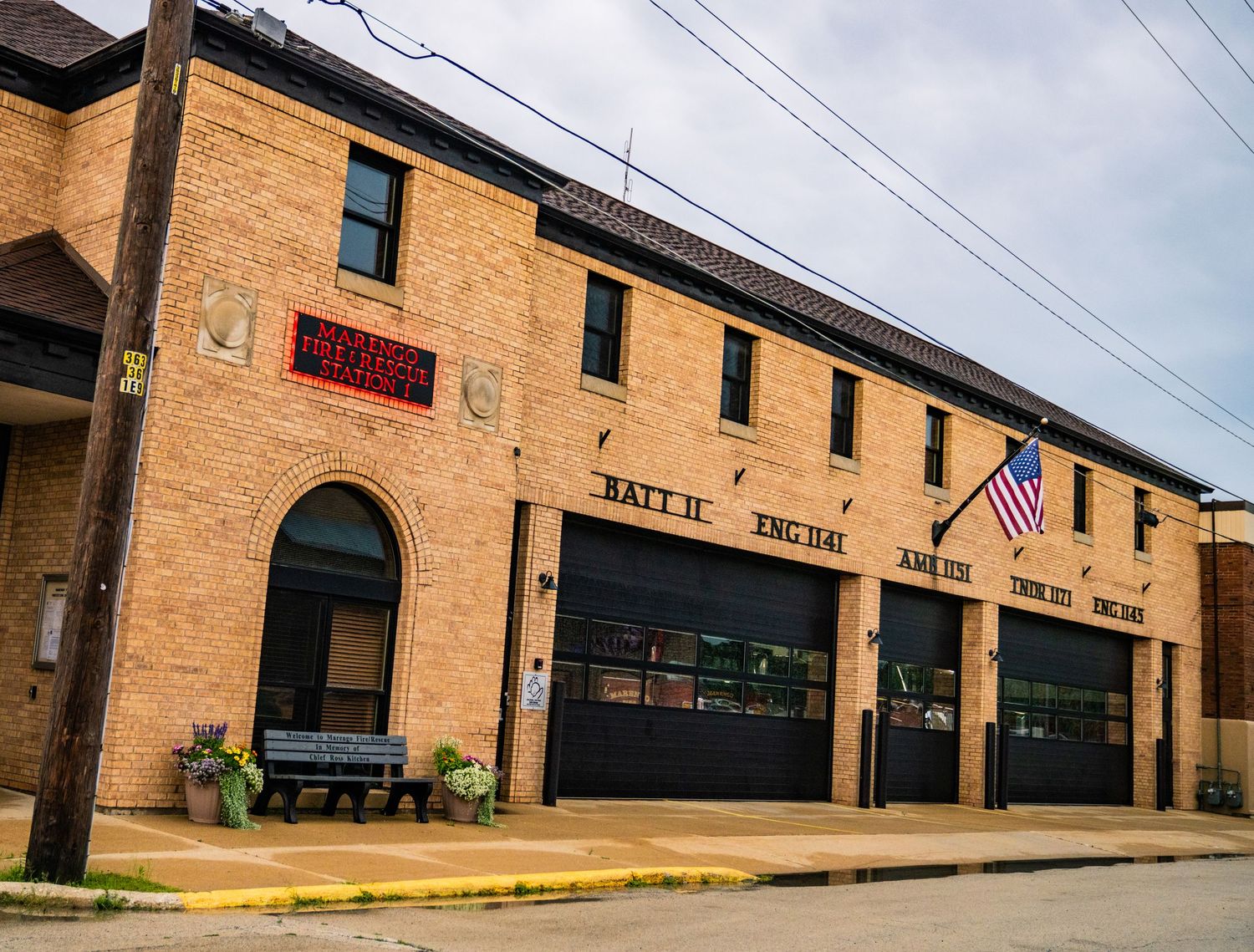
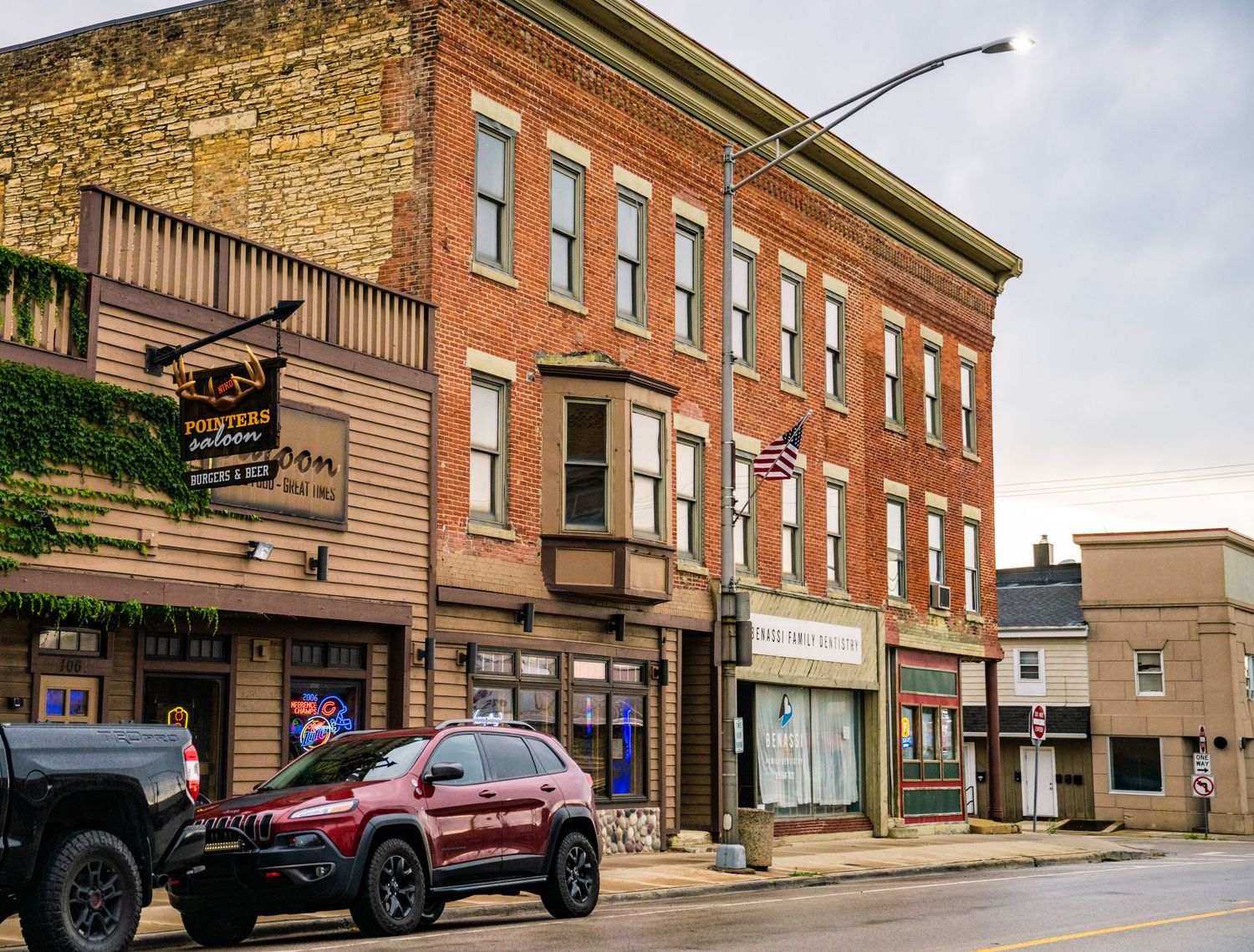
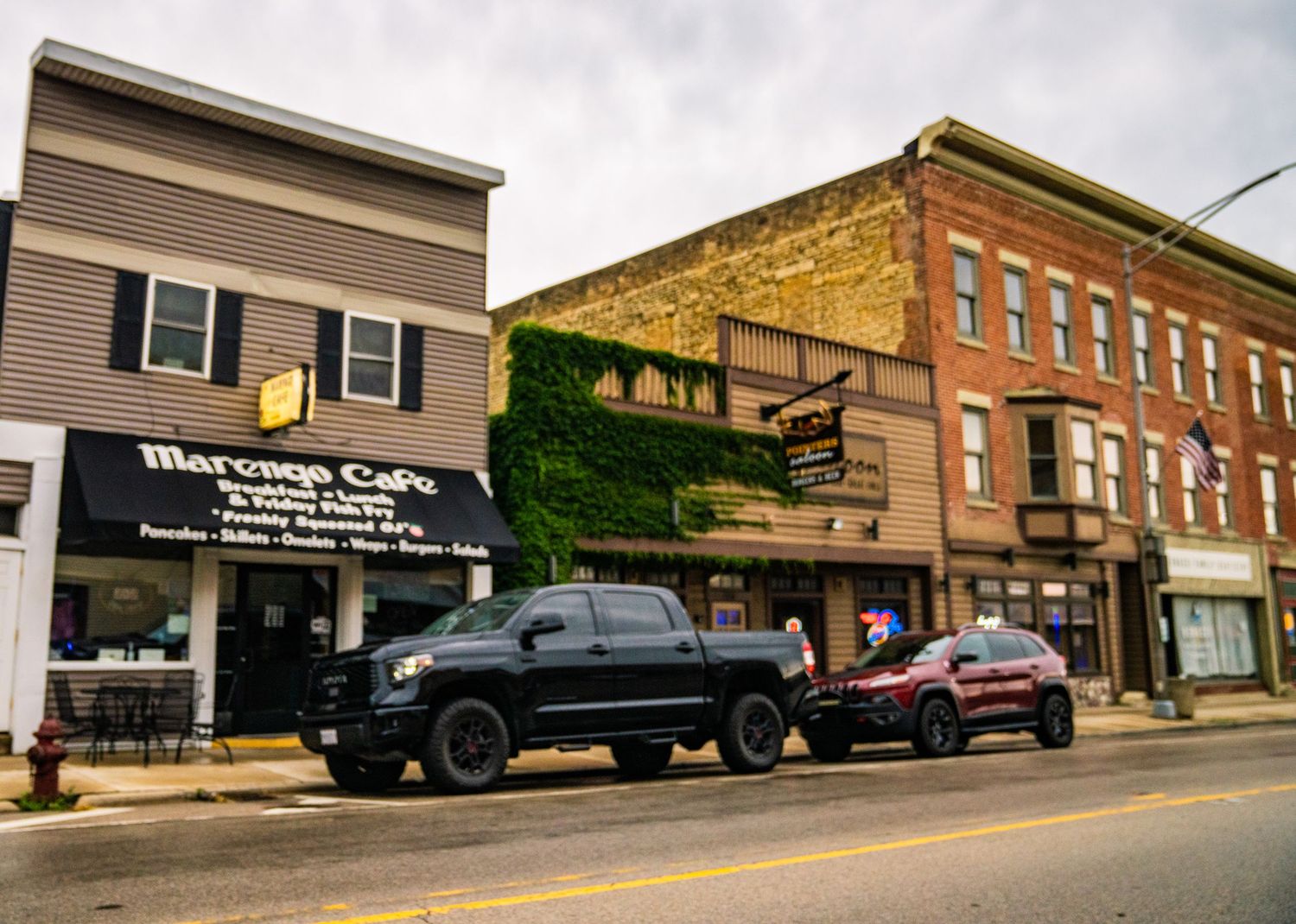
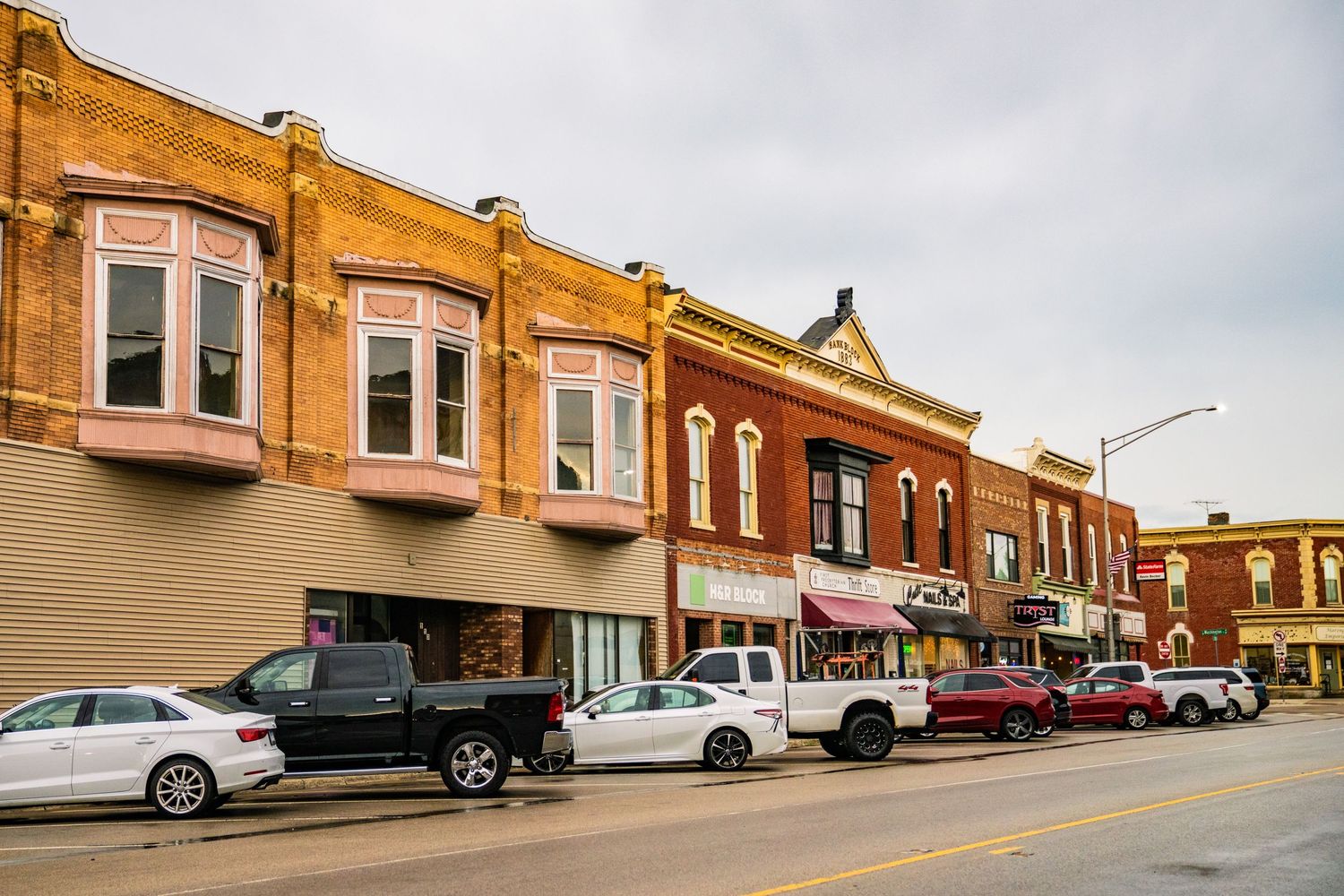
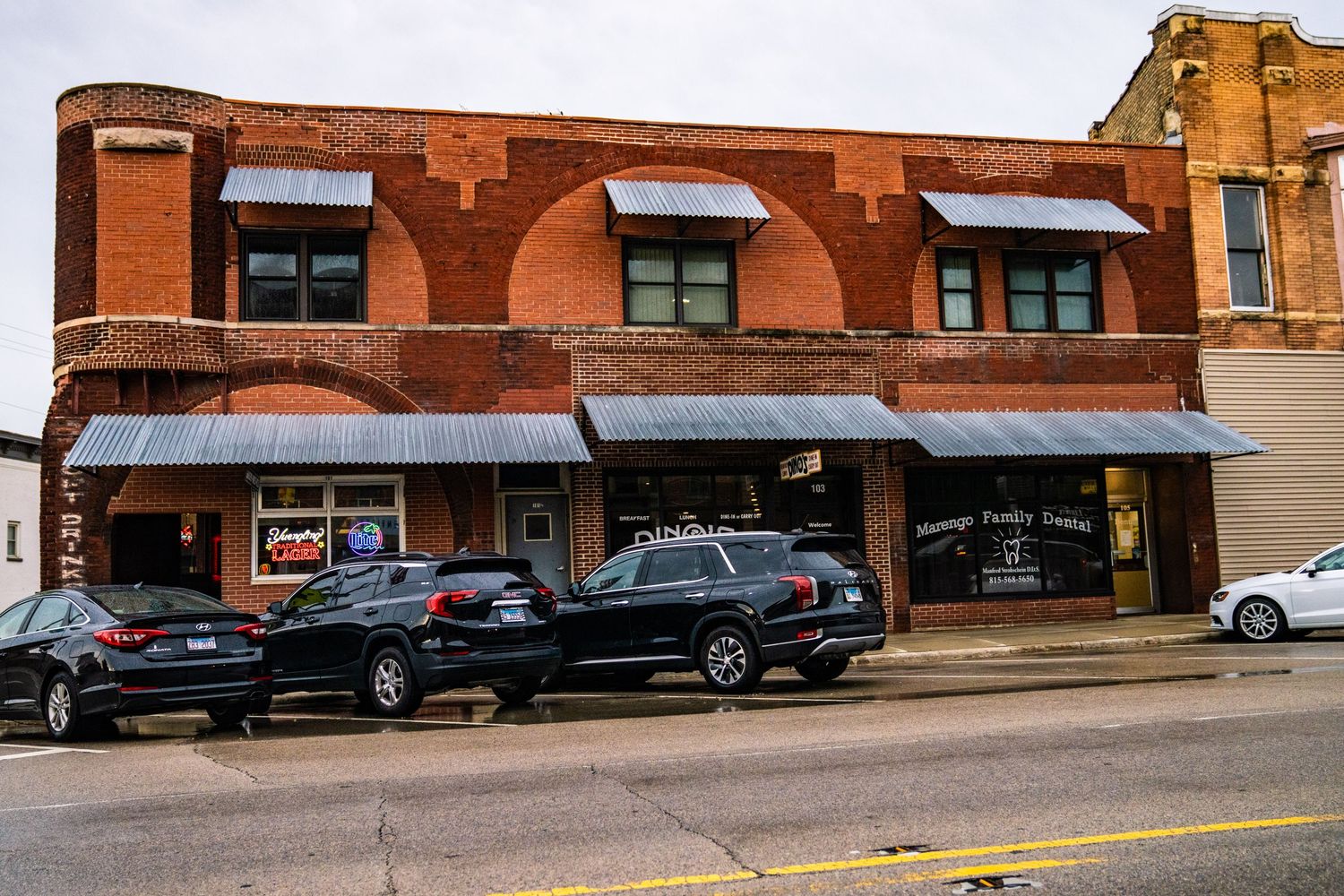
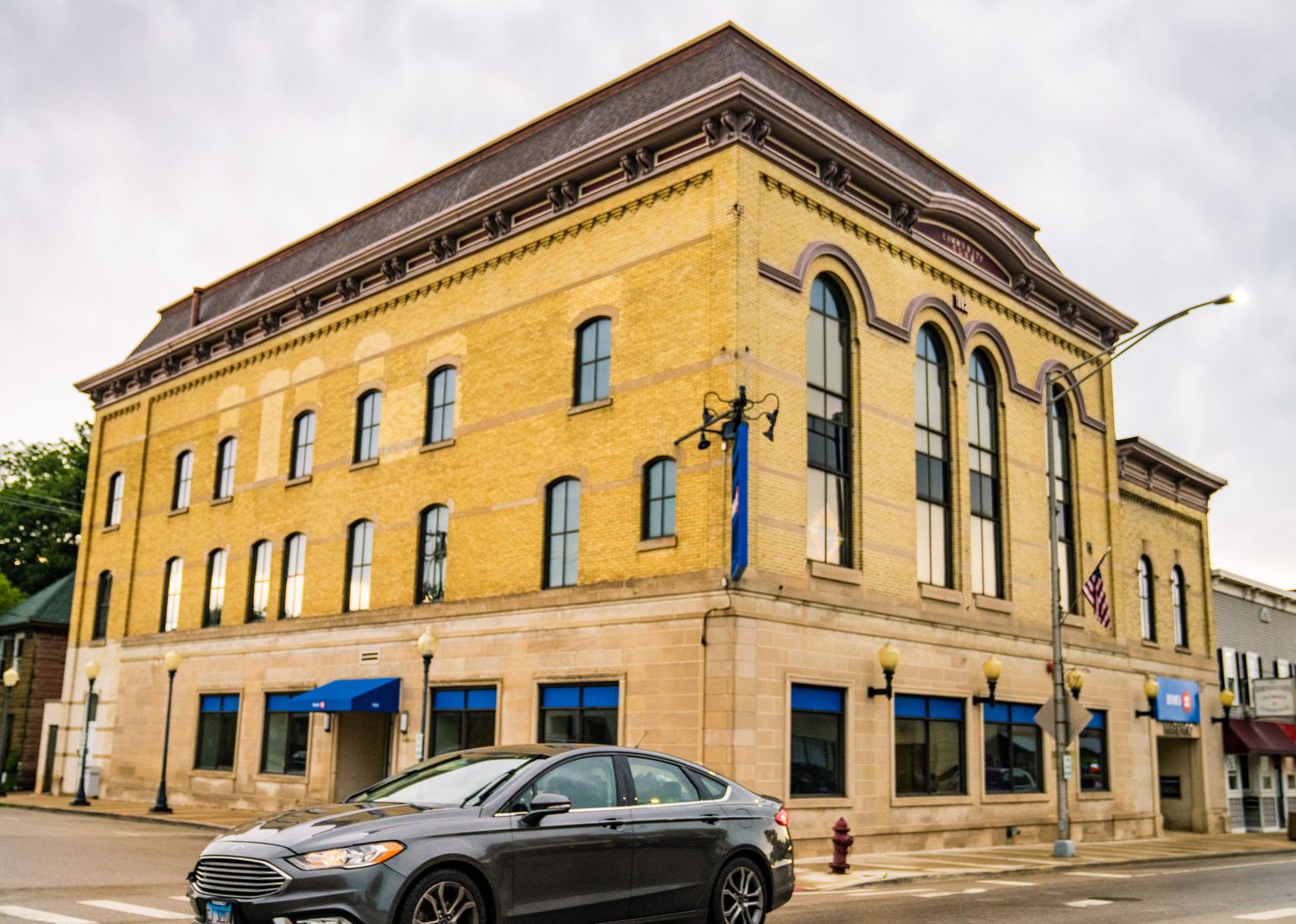
On my way to Sycamore, I passed through Marengo, Illinois, another town that’s rich with midwestern heritage. Founded in the 1830s, Marengo played an early role in Illinois’ railroad expansion and was a key agricultural hub in the region. Its historic downtown and preserved early-American buildings make it a visual treat, especially for those who appreciate the intersection of history and small-town charm.
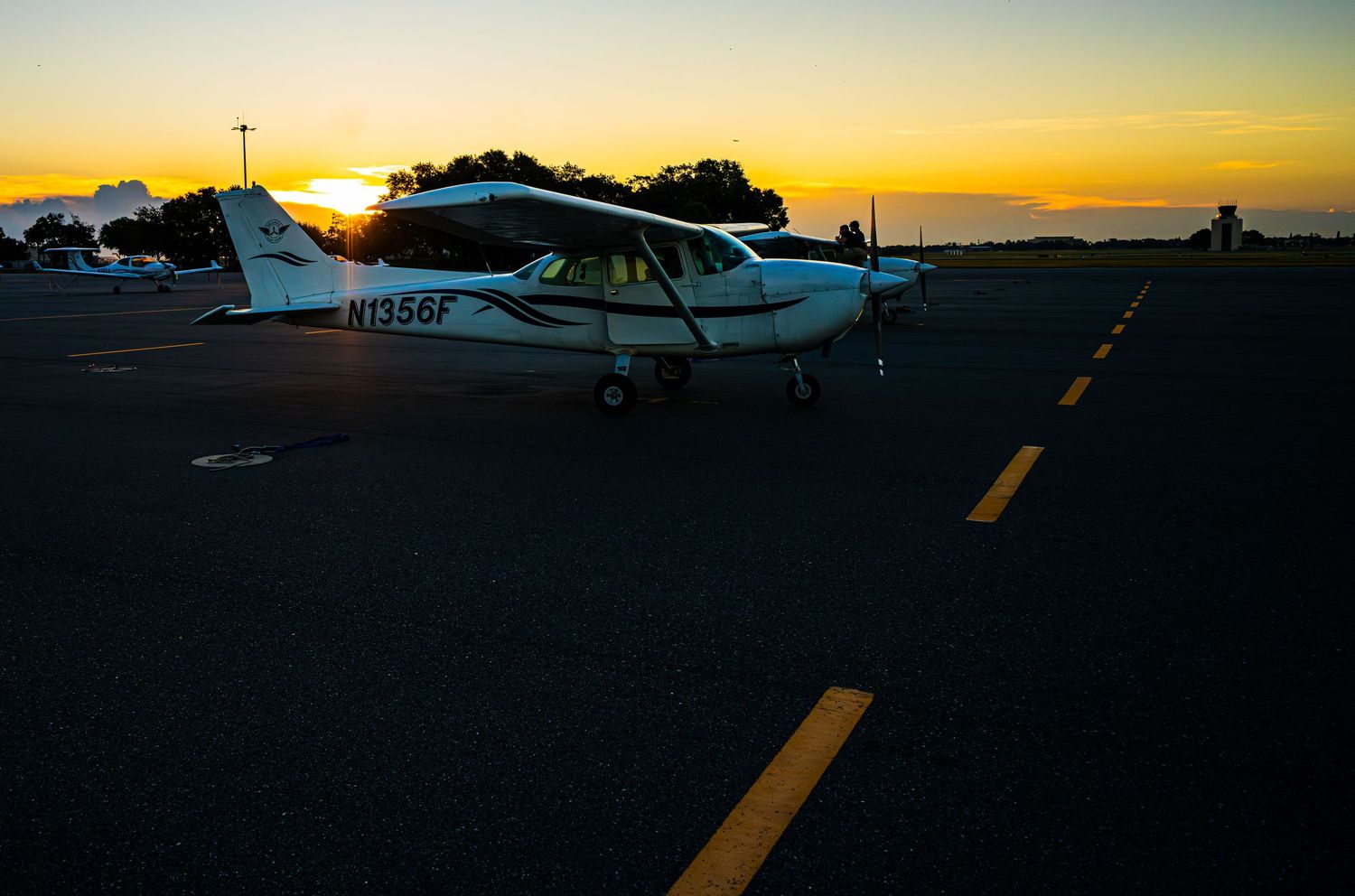
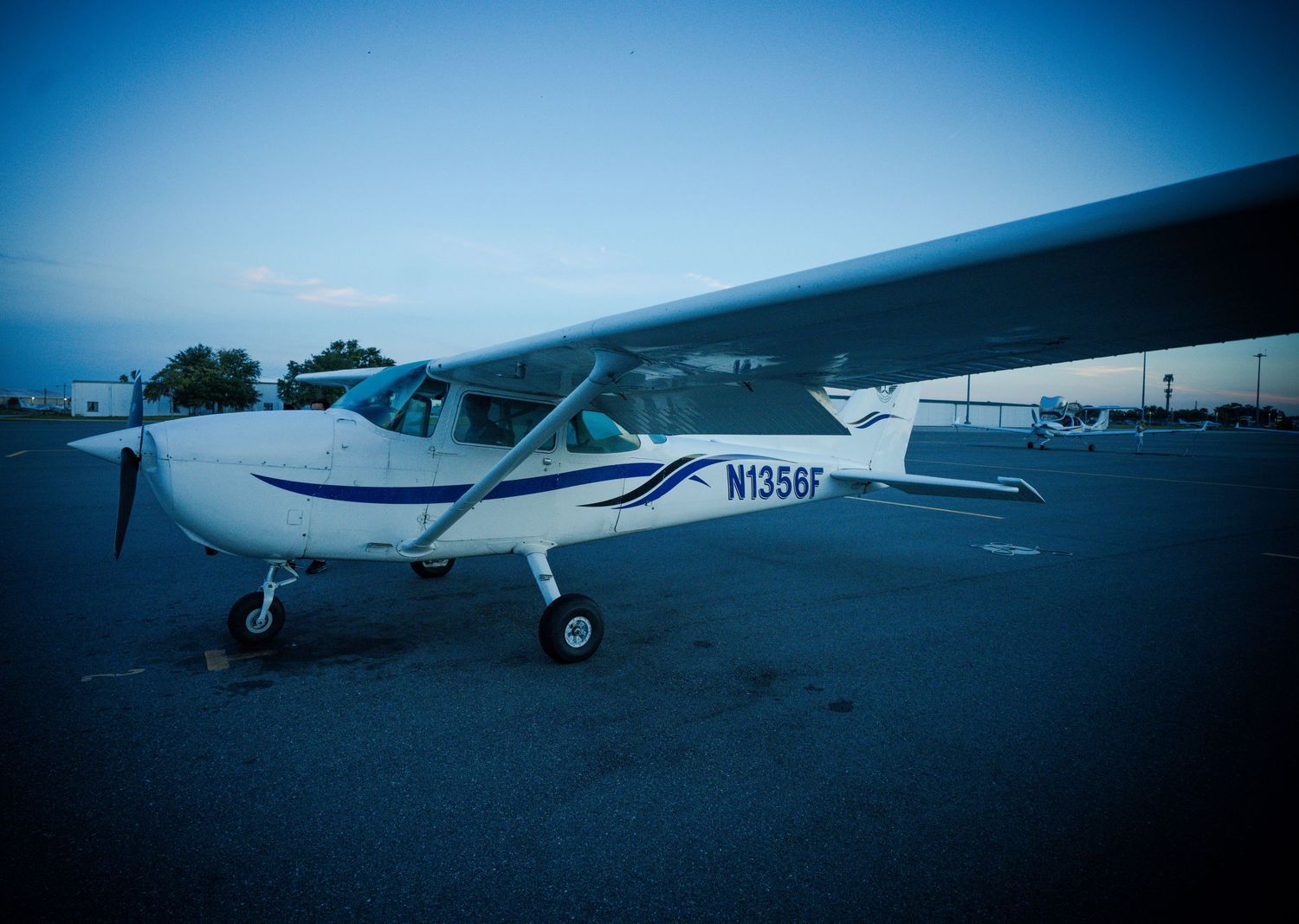
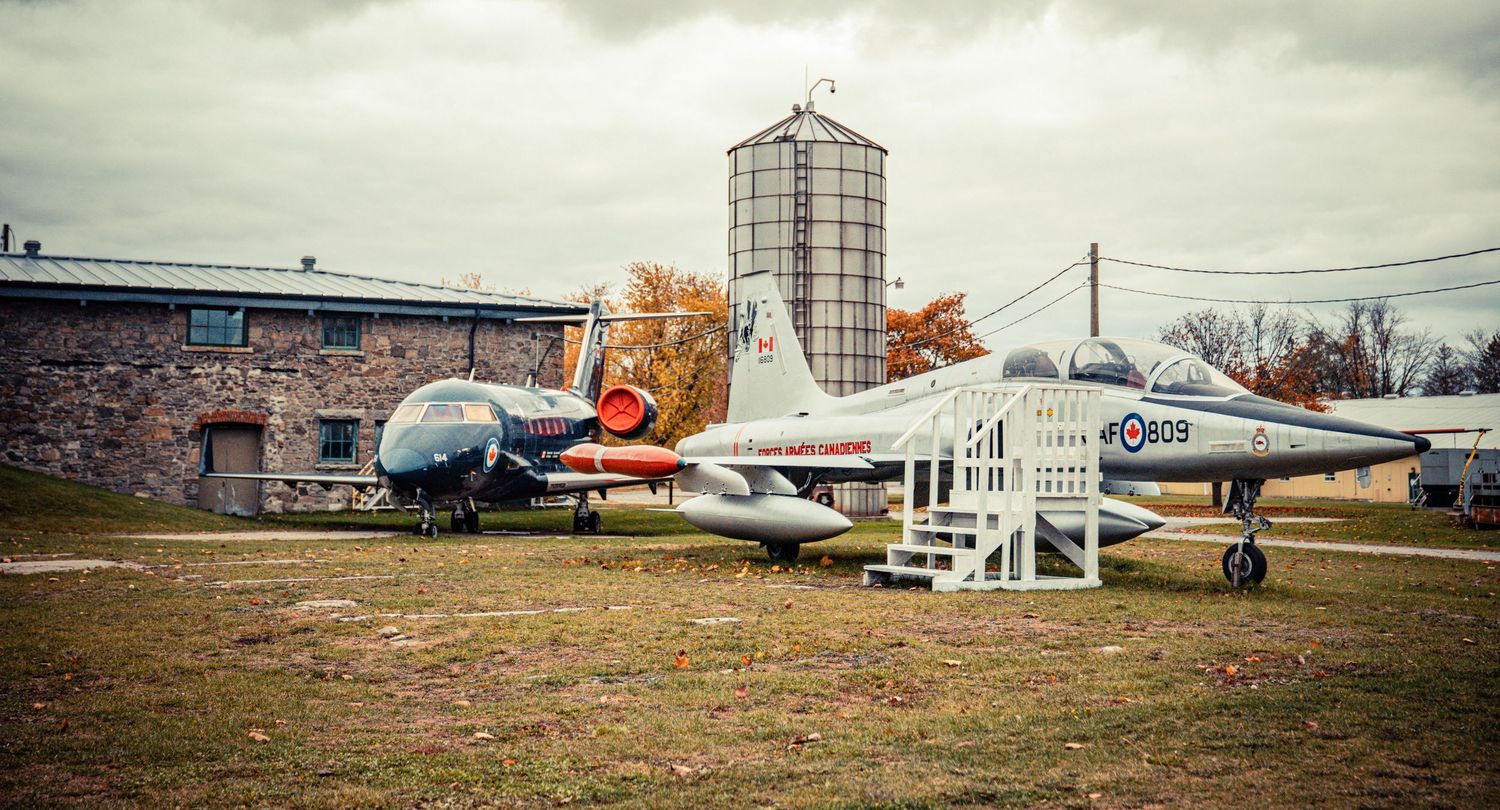
Below are some images from my visit—highlighting both the technology we maintain and the timeless beauty of the towns I passed through.
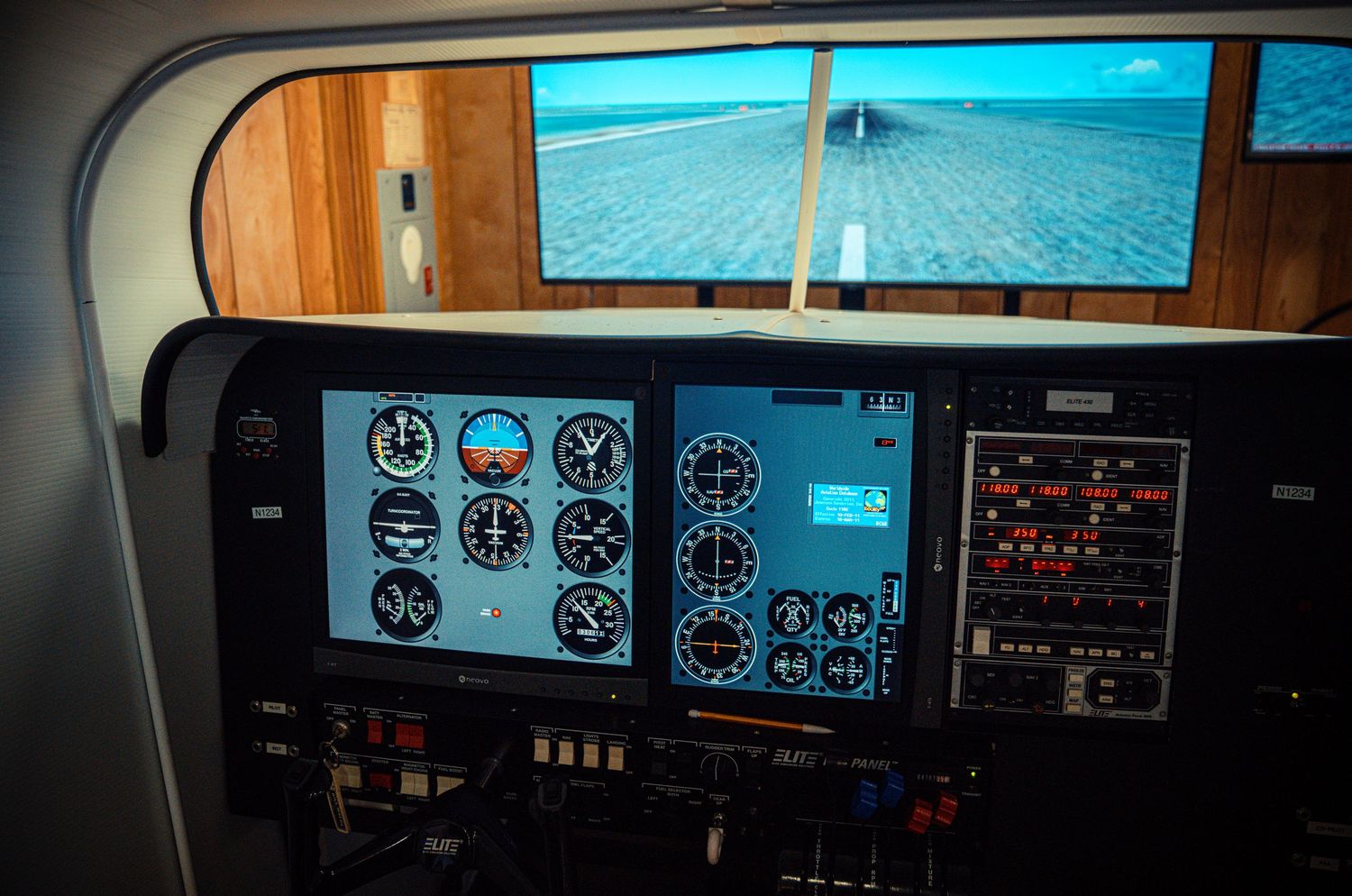
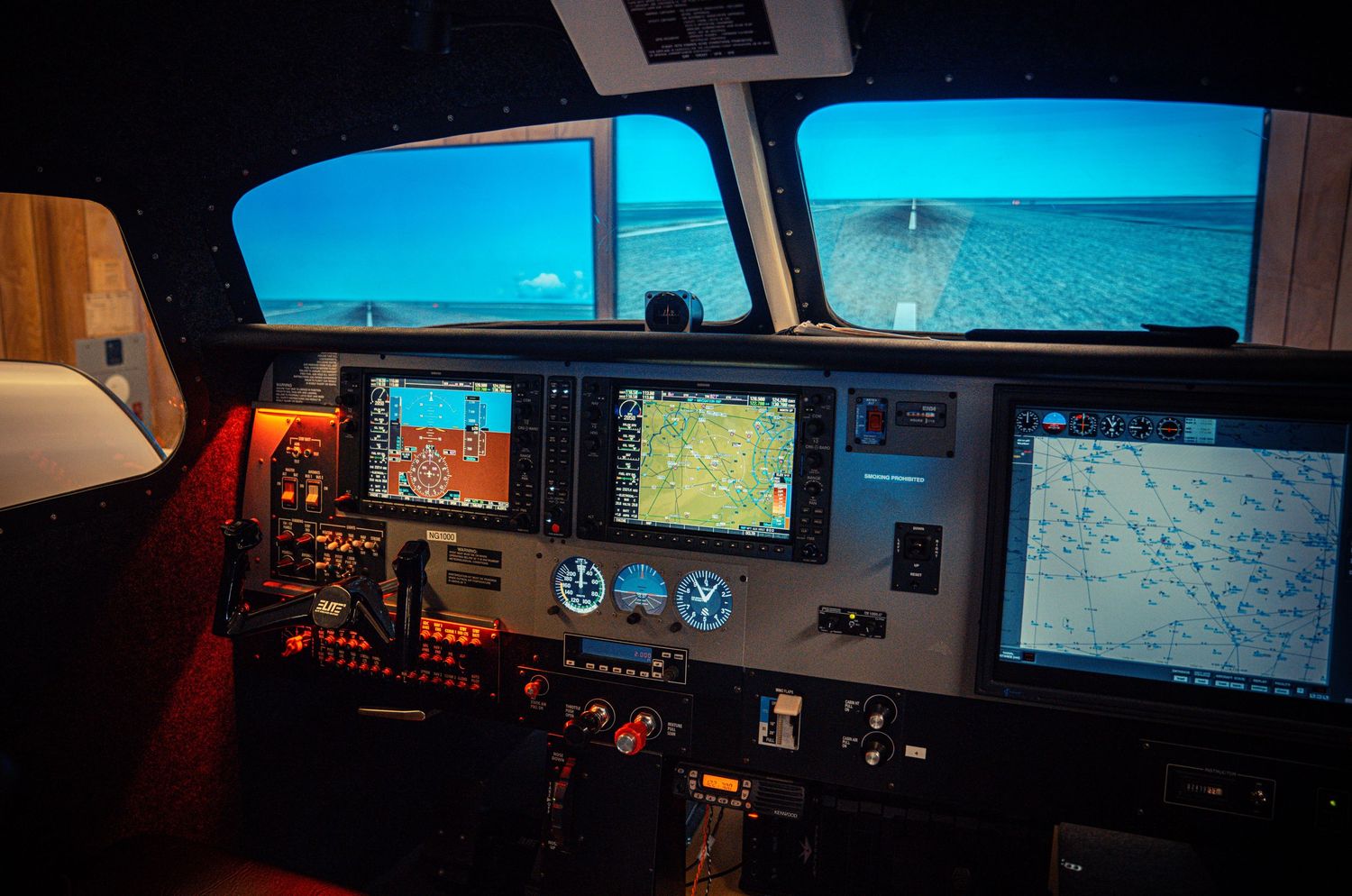
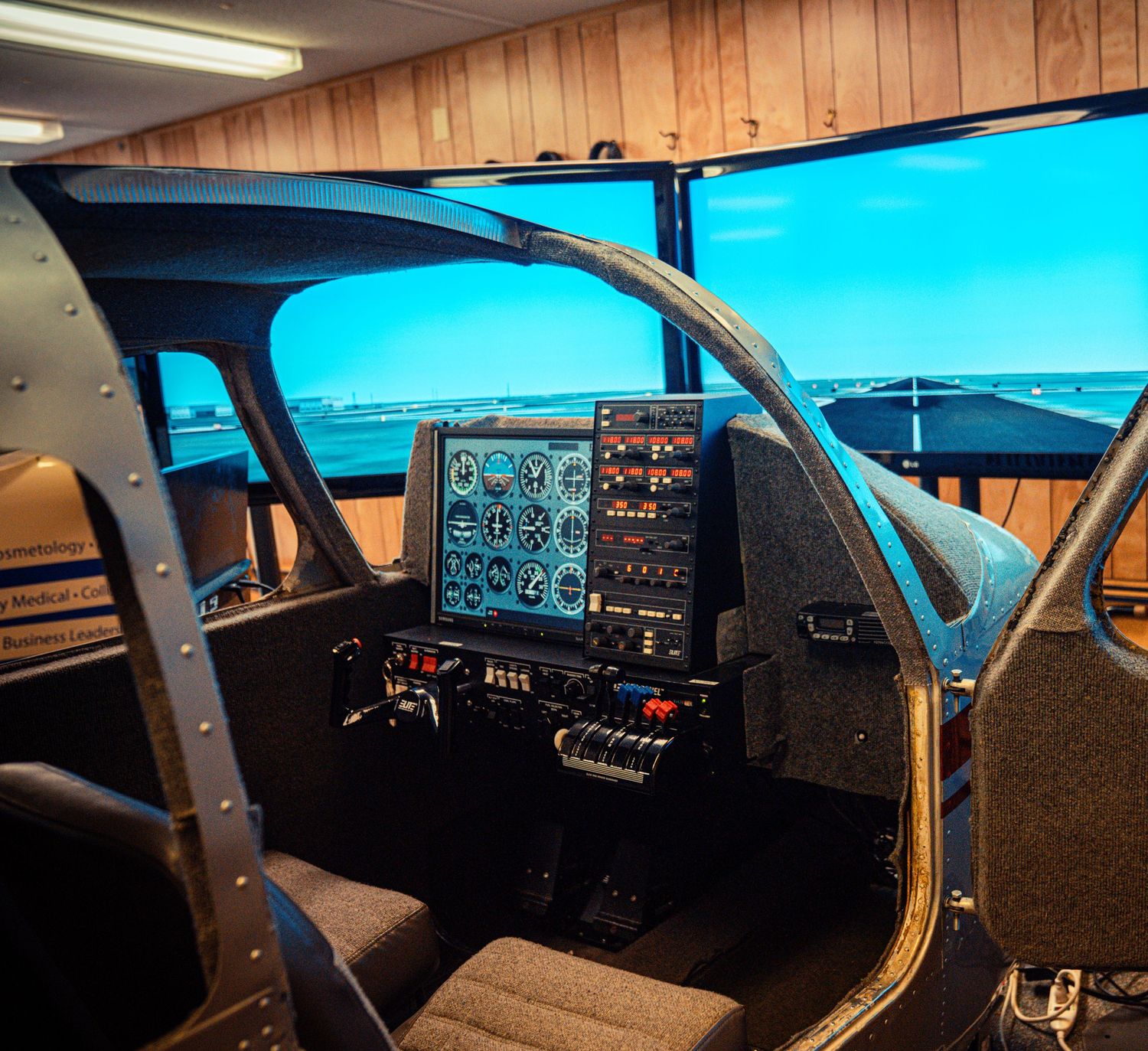
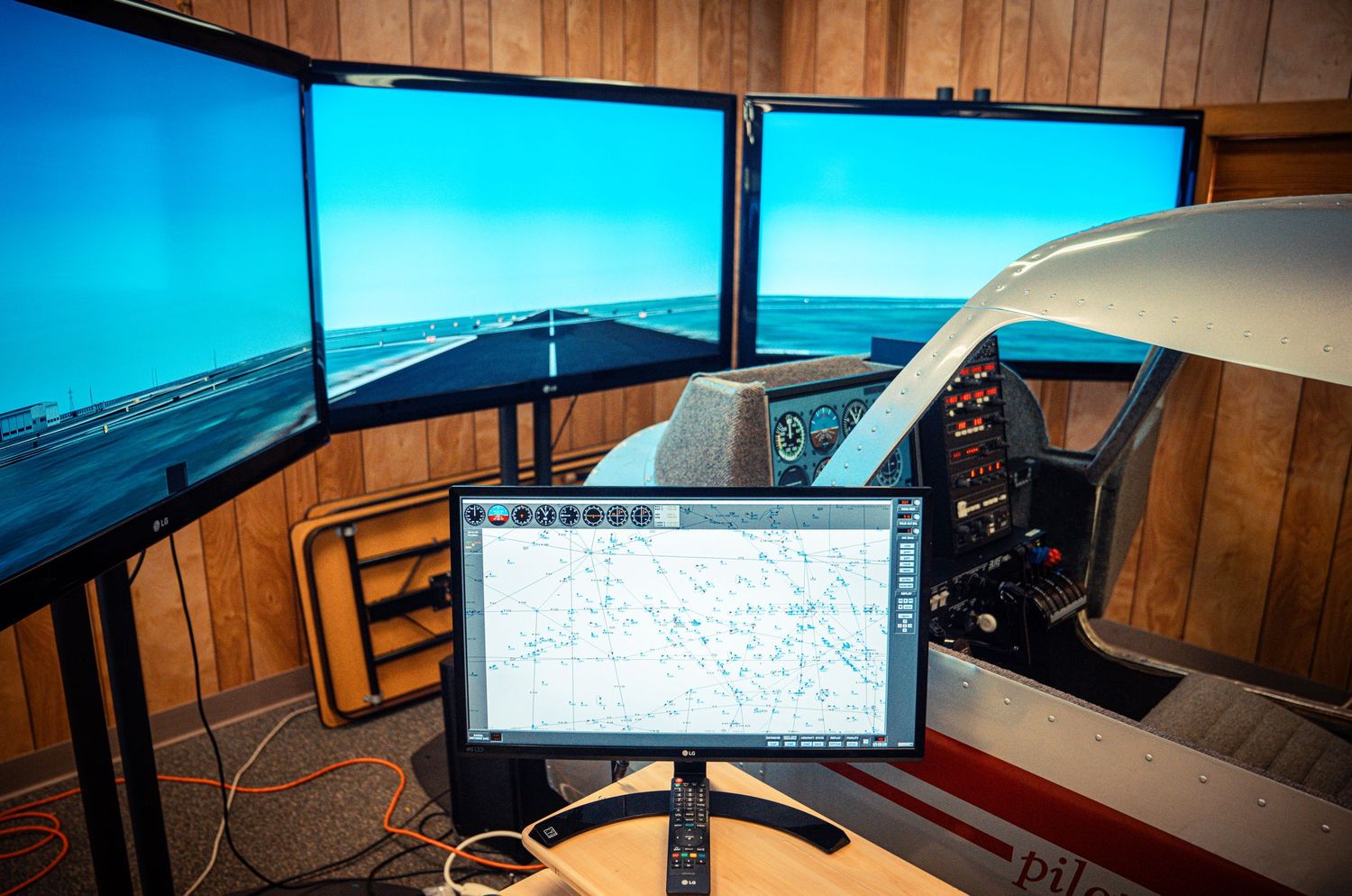
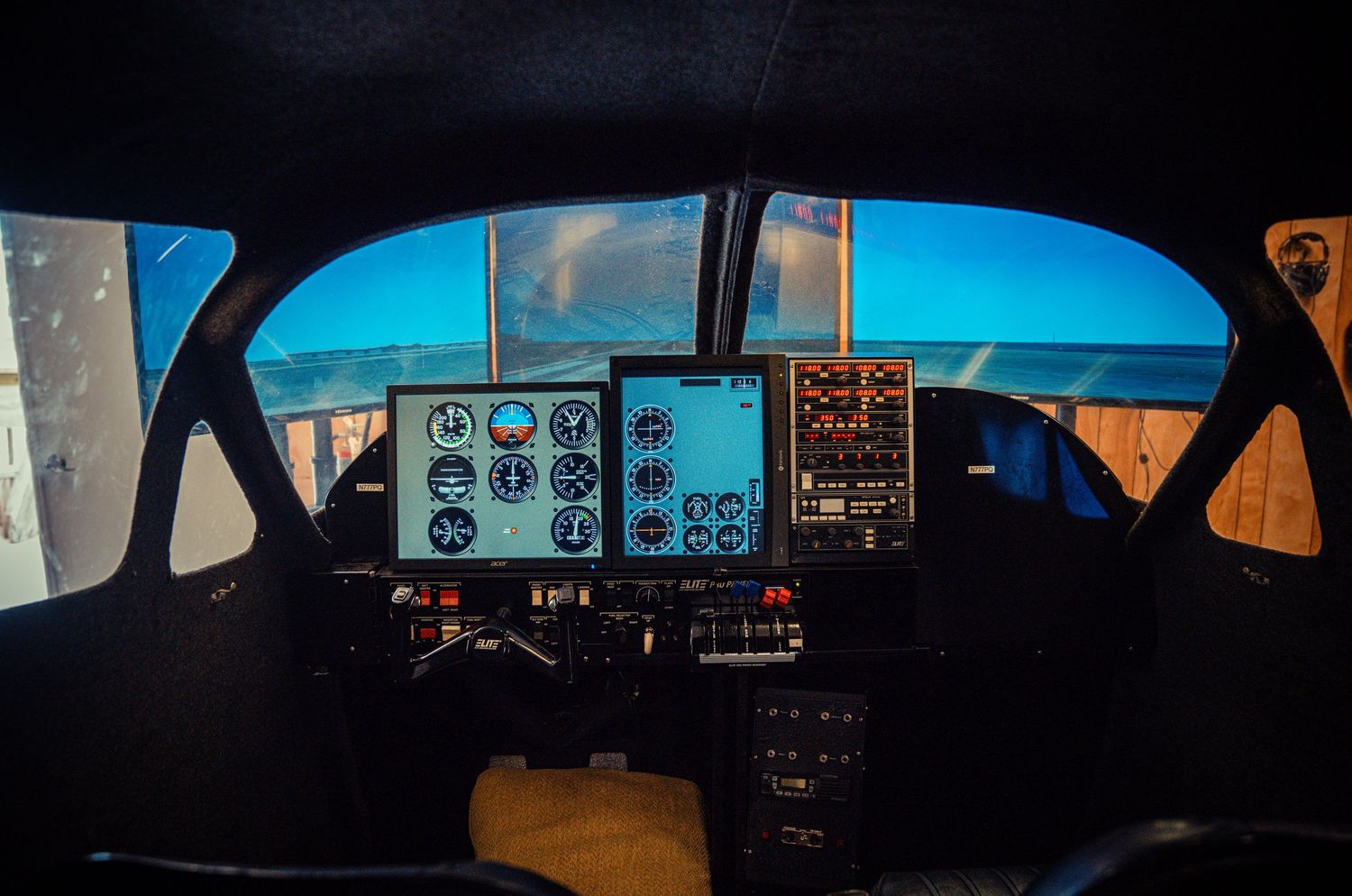
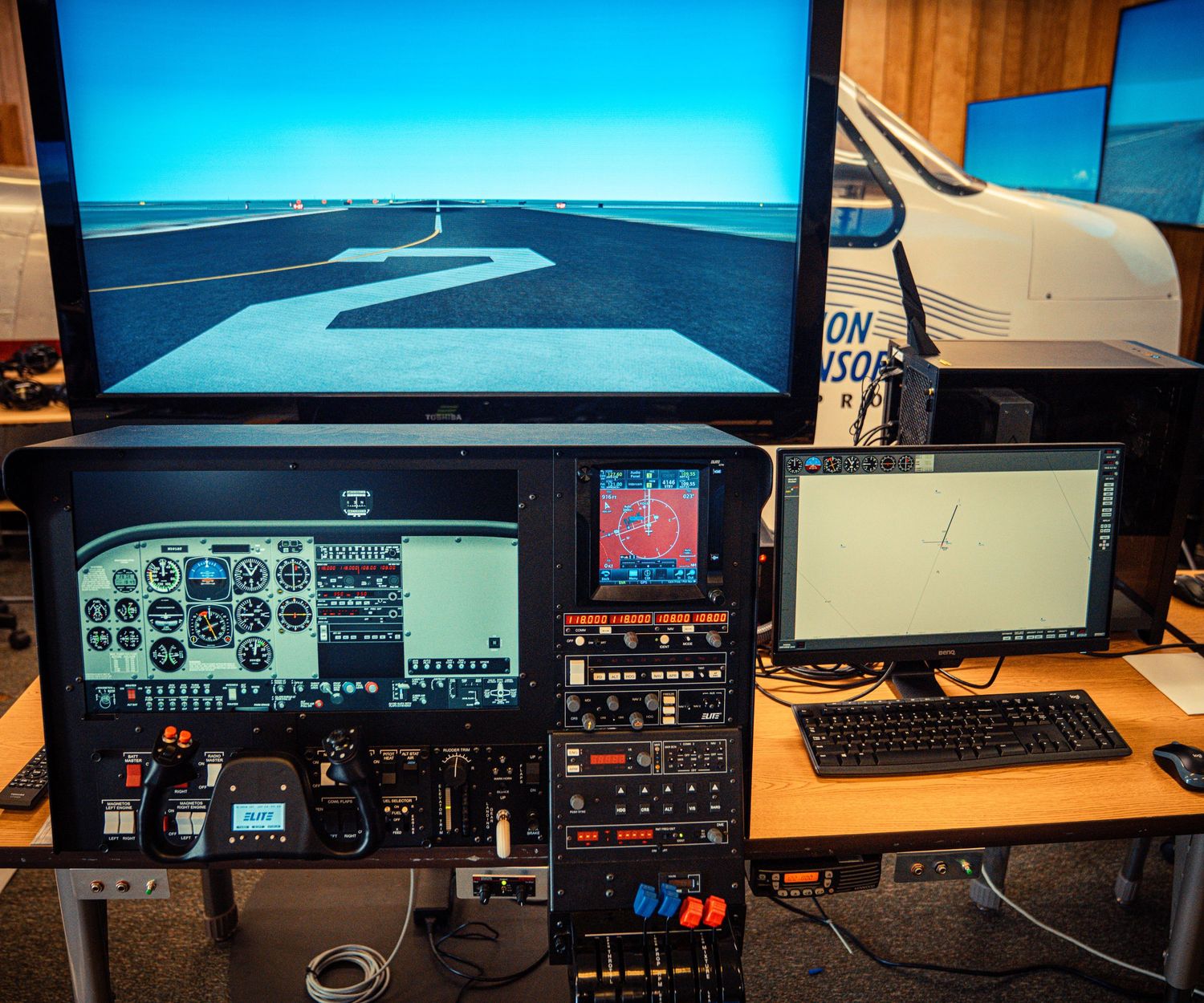
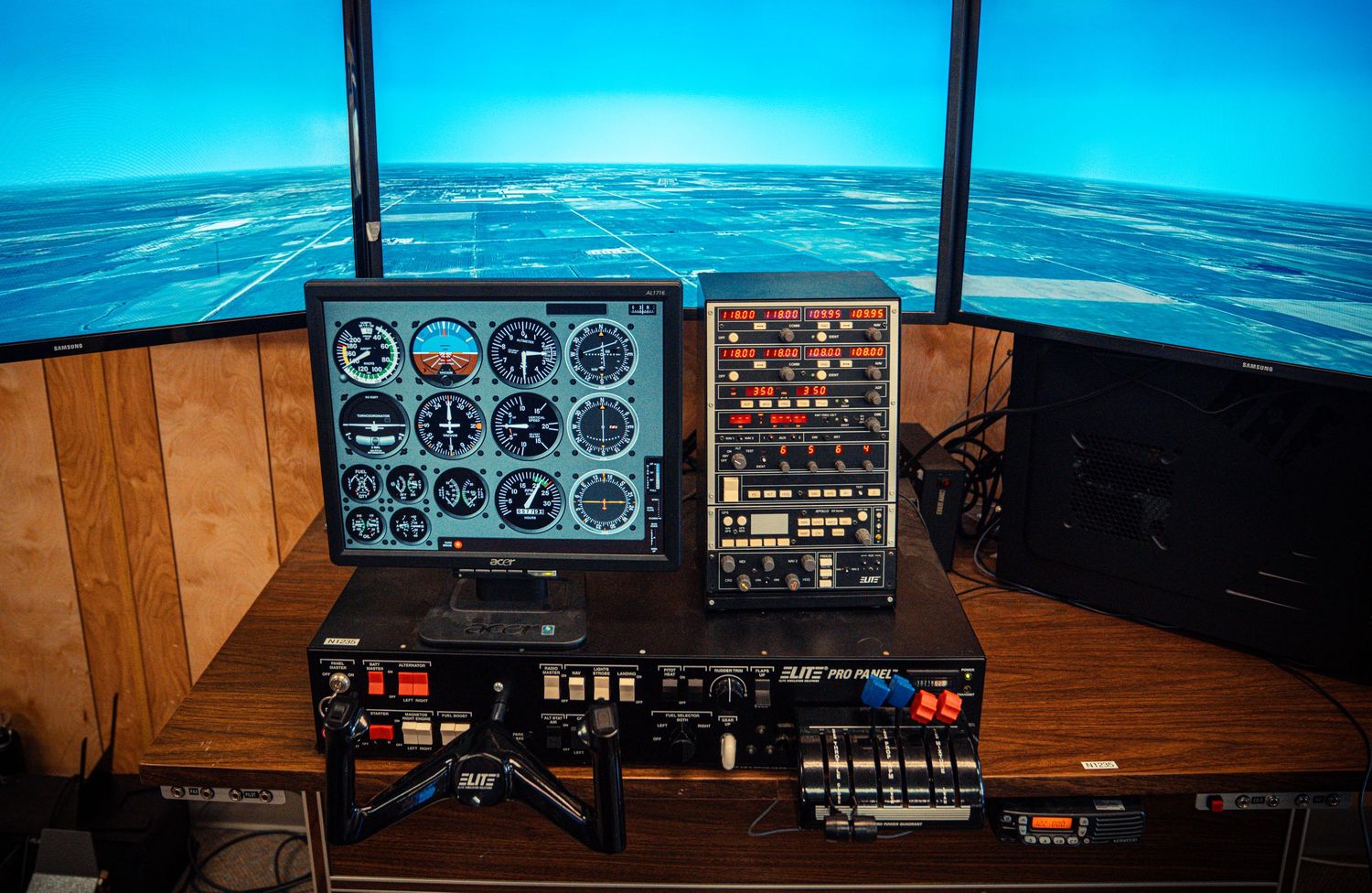
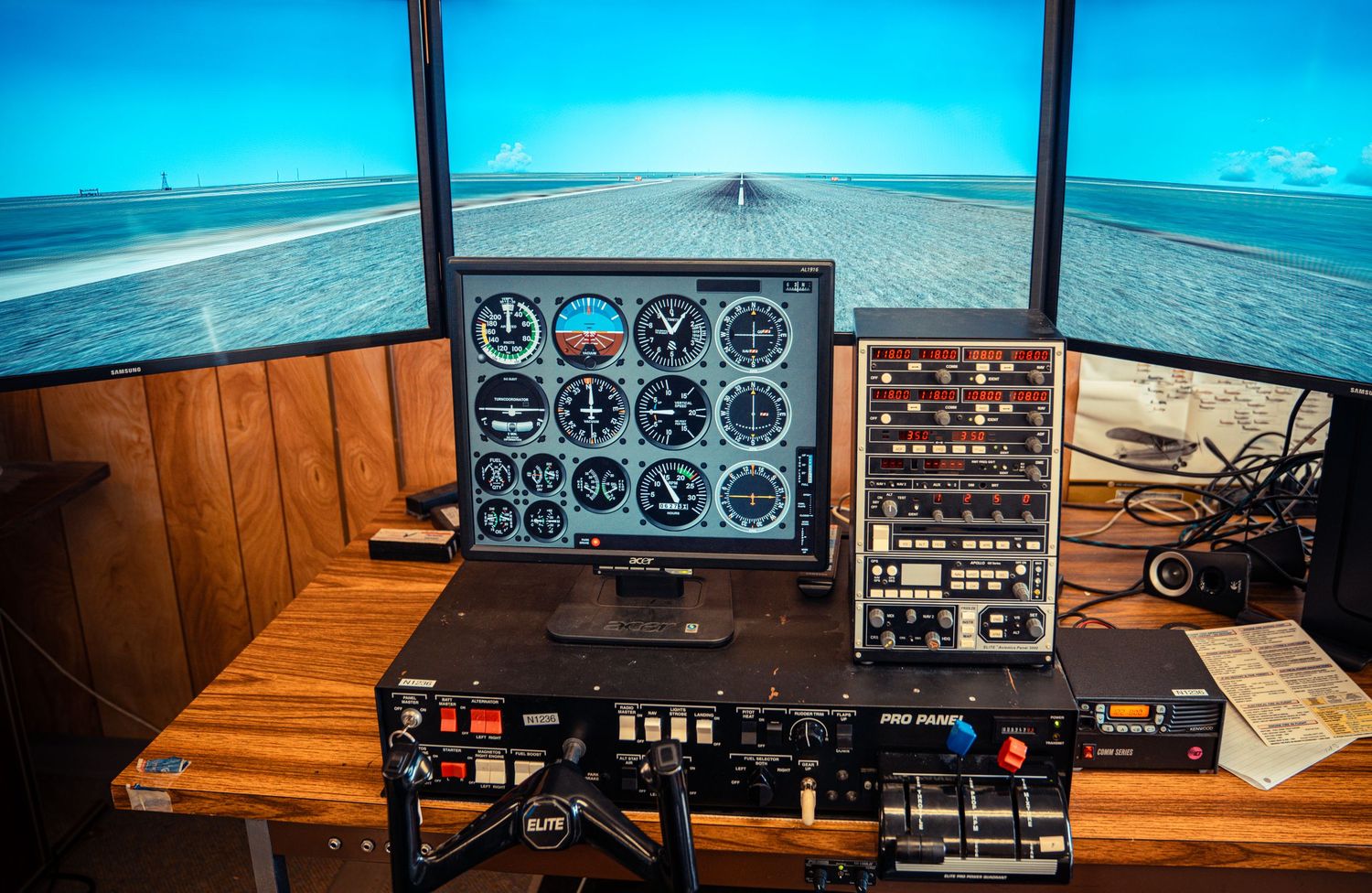
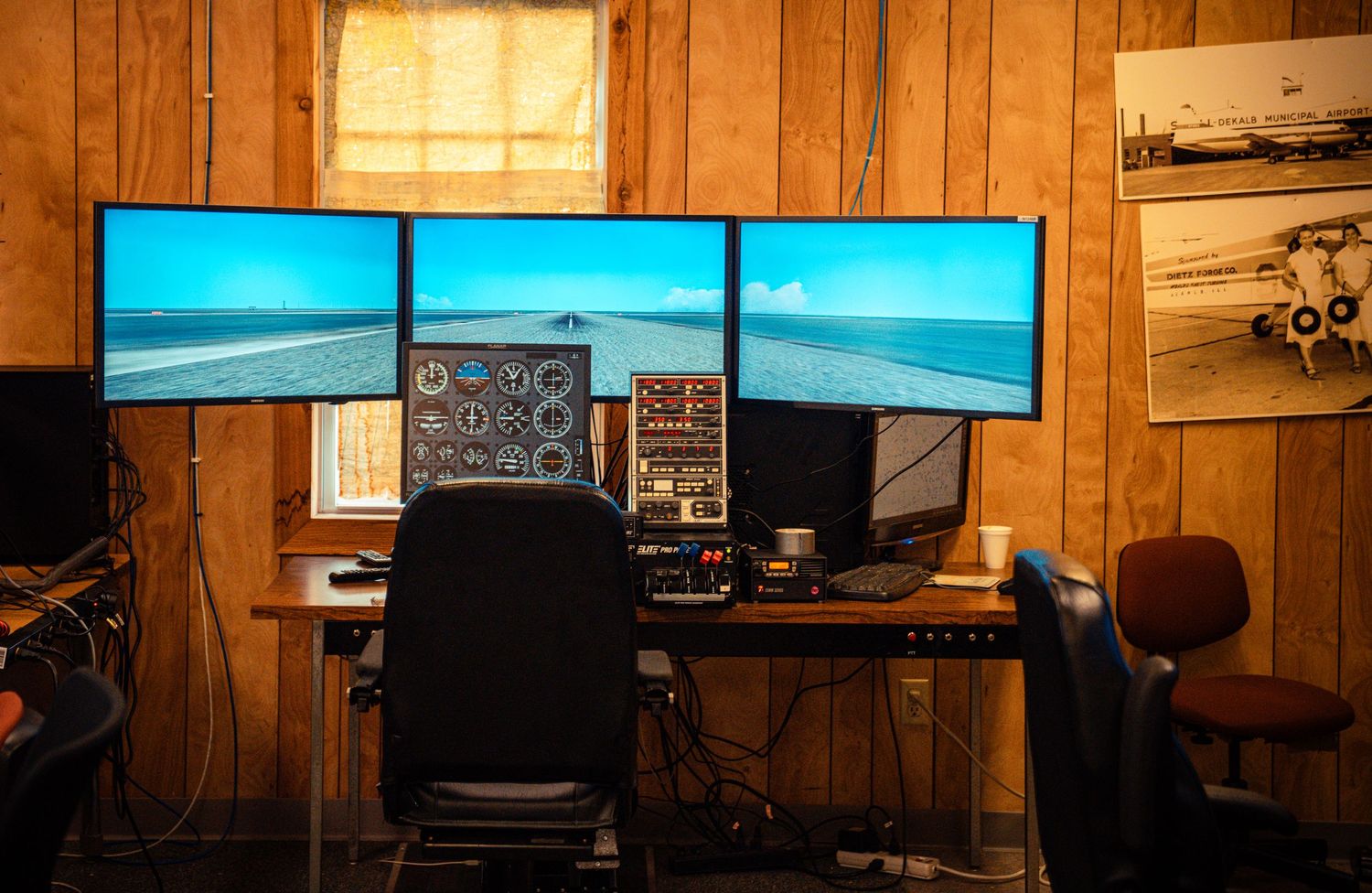
Flight simulators have revolutionized aviation training by offering students a safe, cost-effective, and immersive way to build skills and confidence before ever leaving the ground. They allow aspiring pilots to experience a wide range of flight scenarios—from basic maneuvers to complex emergency procedures—all within a controlled environment. This kind of repetition and exposure is invaluable in helping students develop decision-making, situational awareness, and muscle memory early in their training. Simulators also reduce the wear and tear on aircraft and help make aviation more accessible to educational programs across the country. Simply put, they are a powerful tool that accelerates learning while upholding the highest standards of safety.